
 Agricultural Products
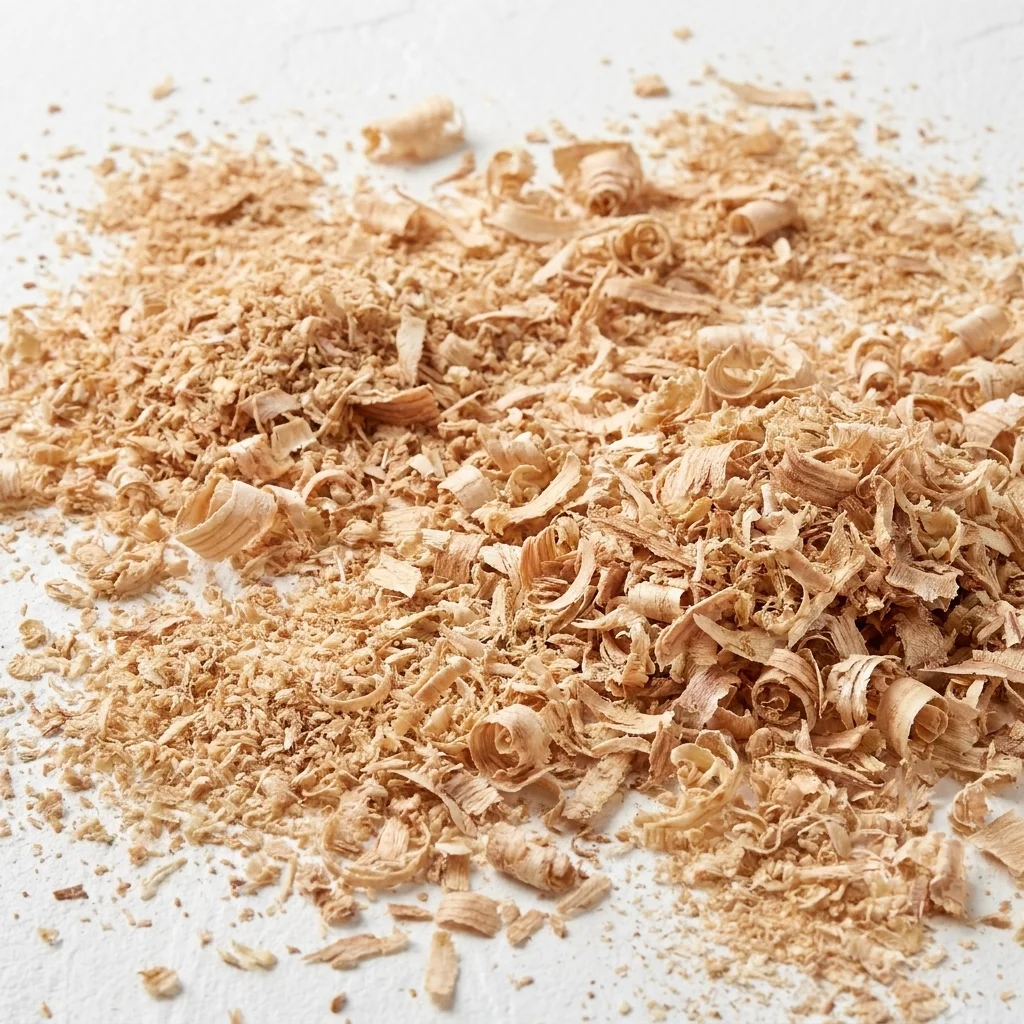
Sawdust Substrate
Pakistani hardwood sawdust substrate for mushroom cultivation, composting and horticultural growing media
Verified Supplier
Export Ready
Pakistan Origin
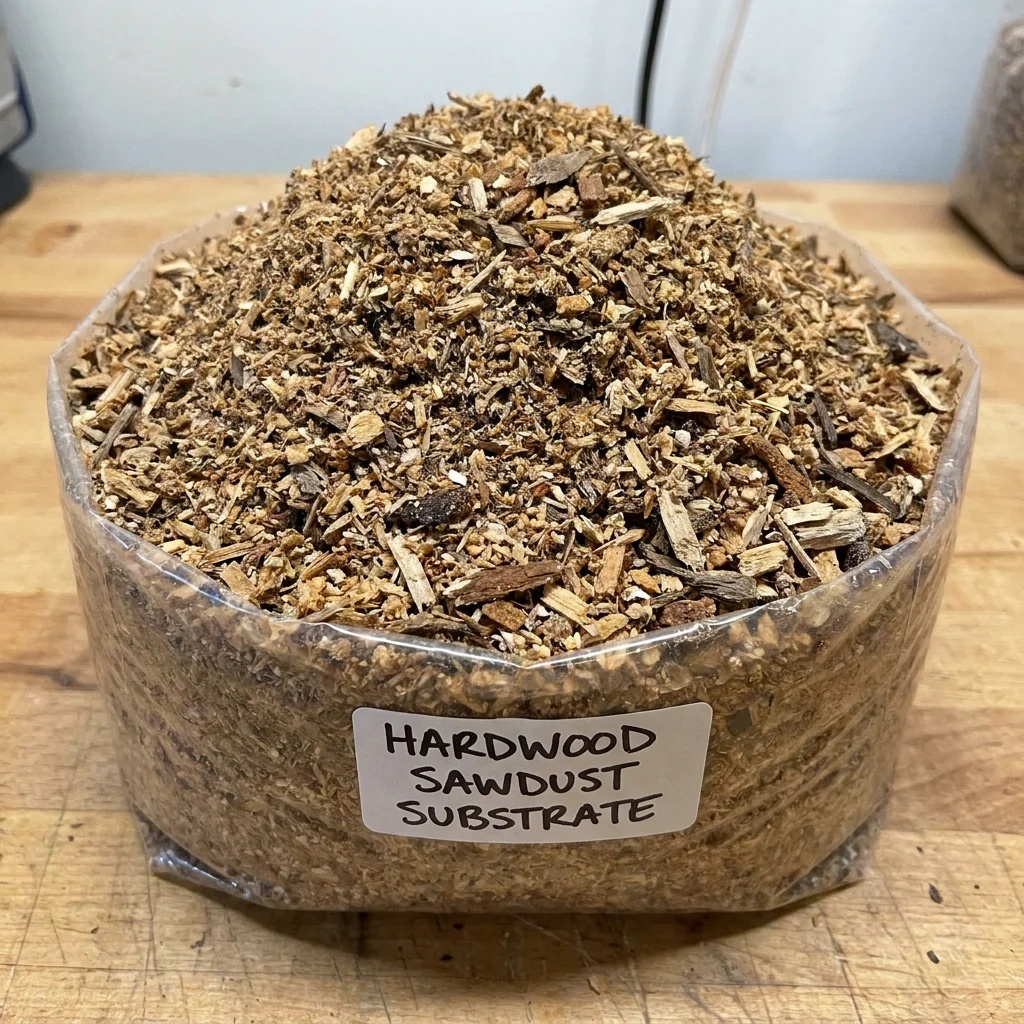
Pakistani hardwood sawdust substrate for mushroom cultivation, composting and horticultural growing media
Sawdust Substrate
Hardwood sawdust substrate from Pakistan. Clean, untreated. For mushroom farming, composting and growing media. Price on inquiry, shipped from Karachi.
Substrate Grade
Clean Untreated Wood
Multiple Species Available
Mushroom Farm Ready
Product Details
Hardwood Sawdust Substrate from Pakistan
Hardwood sawdust substrate is a fine-to-medium particle wood residue produced from sawing, planing, and milling hardwood timber. Unlike general-purpose sawdust used for biomass fuel and bedding, substrate-grade hardwood sawdust is specifically selected, screened, and quality-controlled for biological applications where the wood species, particle size, contamination levels, and pH must be carefully managed. Pakistan’s large furniture and timber industry processes millions of cubic feet of hardwood annually, generating consistent volumes of clean, untreated hardwood sawdust suitable for substrate applications.
Specifications
Material: Hardwood sawdust (untreated)
Wood Species: Sheesham (rosewood), mango, neem, kikar (acacia), mulberry, or mixed hardwood
Particle Size: 0.5-5 mm (standard substrate grade)
Fine Fraction (< 1 mm): 30-50%
Coarse Fraction (1-5 mm): 50-70%
Moisture: 8-15% (as shipped), rehydrated to 60-65% before use
pH: 5.0-6.5 (species-dependent)
Cellulose: 40-50%
Hemicellulose: 20-30%
Lignin: 20-30%
Ash: 0.5-2%
Nitrogen: 0.1-0.3%
C:N Ratio: 200-500:1
Colour: Medium brown to tan (species-dependent)
Contaminants: Nil (no paint, varnish, glue, preservative, treated wood, MDF, plywood)
Available Wood Species
Sheesham (Dalbergia sissoo / Indian Rosewood)
Premium hardwood with dense grain structure. Excellent substrate for shiitake, lion’s mane, and reishi. Slower decomposition rate supports longer fruiting cycles.
Mango (Mangifera indica)
Medium-density hardwood with good moisture retention. Widely used for oyster mushroom and shiitake substrate. One of the most abundantly available hardwood species in Pakistan.
Neem (Azadirachta indica)
Hardwood with natural pest-resistant properties. The mild anti-microbial compounds in neem sawdust can reduce substrate contamination rates. Used for mushroom substrate, composting, and vermiculture.
Kikar/Acacia (Acacia nilotica)
Dense, nitrogen-rich hardwood. Higher natural nitrogen content (0.2-0.3%) compared to other species, improving the C:N ratio for faster mycelium colonization.
Mixed Hardwood
Blend of available hardwood species. Most cost-effective option. Suitable for general mushroom substrate, composting, and growing media applications where single-species specification is not required.
Industrial Uses
Mushroom cultivation (fruiting blocks): Hardwood sawdust is the primary substrate for wood-loving gourmet and medicinal mushroom species. Sawdust is mixed with a nitrogen supplement (wheat bran, rice bran, soybean meal at 10-20%), hydrated to 60-65% moisture, sterilized in autoclave bags, inoculated with mushroom spawn, and incubated for 4-8 weeks before fruiting. Species grown on hardwood sawdust include shiitake, lion’s mane, maitake, reishi, king oyster, pioppino, chestnut, and nameko
Mushroom cultivation (supplemented substrate): Hardwood sawdust is blended with straw, corn cob, cotton seed hull, or other agricultural waste to create custom substrate recipes for different mushroom species and growing conditions
Composting: Hardwood sawdust provides the carbon-rich “brown” component in aerobic composting systems. Mixed with nitrogen-rich materials (manure, food waste, green waste) at the proper C:N ratio (25-30:1) to produce finished compost for horticulture and agriculture
Vermiculture bedding: Sawdust is used as bedding material in vermicomposting systems (worm farms), providing structure, moisture regulation, and carbon for the composting worms
Horticultural growing media: Composted or aged hardwood sawdust is blended with peat, coir, perlite, and vermiculite to create soilless growing media for nurseries, greenhouses, and container gardening
Biochar production: Hardwood sawdust is pyrolyzed at 400-600°C in oxygen-limited conditions to produce biochar, a stable carbon product used as a soil amendment for carbon sequestration, water retention, and nutrient holding
Smoking and flavouring: Food-grade hardwood sawdust (mango, sheesham) is used for cold smoking and hot smoking of meat, fish, cheese, and other foods
Animal bedding: Clean hardwood sawdust is used as absorbent bedding for horses, small animals, and laboratory animals
Quality Assurance
Each lot is tested for moisture, particle size distribution, pH, ash content, and contaminant screening (absence of paint, preservatives, treated wood, MDF, plywood, metal). Species identification is provided for single-species orders. Pre-shipment samples are provided for buyer evaluation. Material is sourced exclusively from verified timber mills processing raw, untreated hardwood logs.
Why Source From Pakistan?
Pakistan’s large furniture manufacturing and timber processing industry generates consistent, high-volume hardwood sawdust from species that are well-suited for mushroom cultivation and composting applications. Sheesham, mango, neem, and acacia are among the most commonly processed hardwood species in the country, all of which produce excellent substrate-grade sawdust. Clean sourcing from raw timber mills (not recycled or treated wood) ensures contaminant-free material safe for biological applications. Competitive raw material costs and established export logistics through Karachi port make Pakistani hardwood sawdust substrate an attractive supply source for mushroom farms, compost producers, and horticulture media manufacturers worldwide. DaaTrade manages species selection, screening, quality testing, packaging, documentation and shipment through one export desk.
Specifications
Detailed specifications are available on request. Send us your requirement and our export desk will share them.
Packaging & Shipping
Packaging
25 kg or 50 kg woven polypropylene bags, palletized and shrink-wrapped
500 kg or 1 MT jumbo bags
Compressed bales (30-50 kg each)
20' or 40' containers, lined and bulk-loaded
Shipping
Loading port: Karachi Port or Port Qasim. Containerized shipment. Sawdust is lightweight and voluminous, so compression or bagging is essential for efficient container loading. Typical load: 14-18 MT per 40ft container (compressed bales or bags). Incoterms: FOB, CFR, CIF. Documents: Commercial Invoice, Packing List, Certificate of Origin, Certificate of Quality, Phytosanitary Certificate, Fumigation Certificate, Species Declaration, Bill of Lading.
Frequently Asked Questions
A: It depends on the mushroom species. Sheesham (rosewood) and mango are excellent for shiitake, lion’s mane, and reishi due to their dense grain and good moisture retention. Kikar (acacia) has higher natural nitrogen, supporting faster mycelium colonization. Neem offers mild anti-microbial properties that can reduce substrate contamination. Mixed hardwood is the most cost-effective and works well for oyster mushrooms and general cultivation. We recommend requesting samples of 2-3 species to trial on your specific mushroom varieties before committing to a full order.
A: We source exclusively from verified timber mills that process raw, untreated hardwood logs. No painted, varnished, stained, pressure-treated, laminated, or engineered wood (MDF, plywood, particleboard) residues are included. Each lot undergoes visual inspection and magnetic screening for metal contaminants. A species declaration and contaminant-free certificate are provided with every shipment. This is critical for mushroom substrate, composting, and any biological application where chemical residues could inhibit growth or introduce toxicity.
A: Our general sawdust product (DT-AGR-BIO-003) is positioned for biomass fuel, briquette/pellet feedstock, industrial absorbent, and general bedding applications. It may include mixed hardwood and softwood and is not screened for substrate-grade quality. This hardwood sawdust substrate product is specifically selected, species-identified, screened for particle size, tested for pH, and certified contaminant-free for biological applications including mushroom cultivation, composting, vermiculture, and horticultural growing media. The substrate grade commands a modest premium over general sawdust.
Agricultural Products
 Mushroom Cultivation Substrate
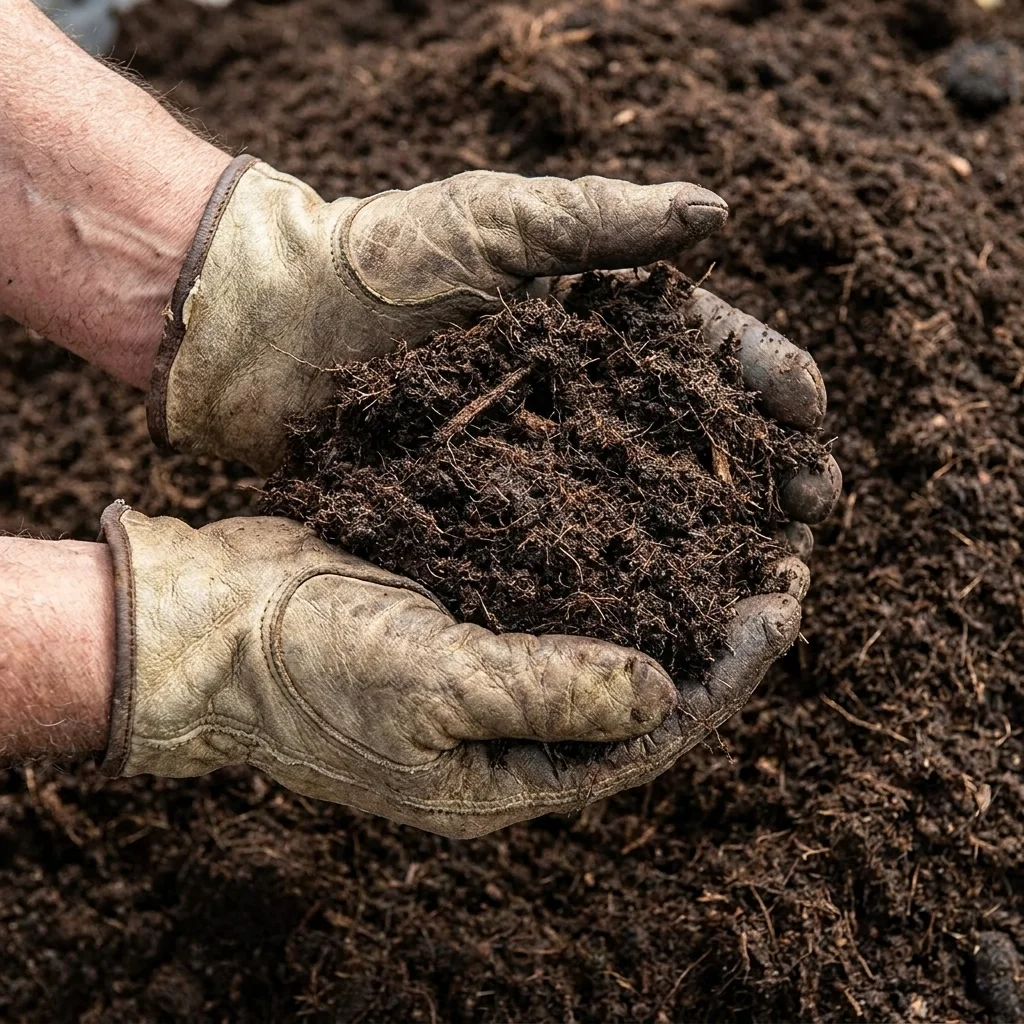
Mushroom Compost
Button mushroom compost (Phase I, II, III) from Pakistan. For Agaricus...
Inquire Now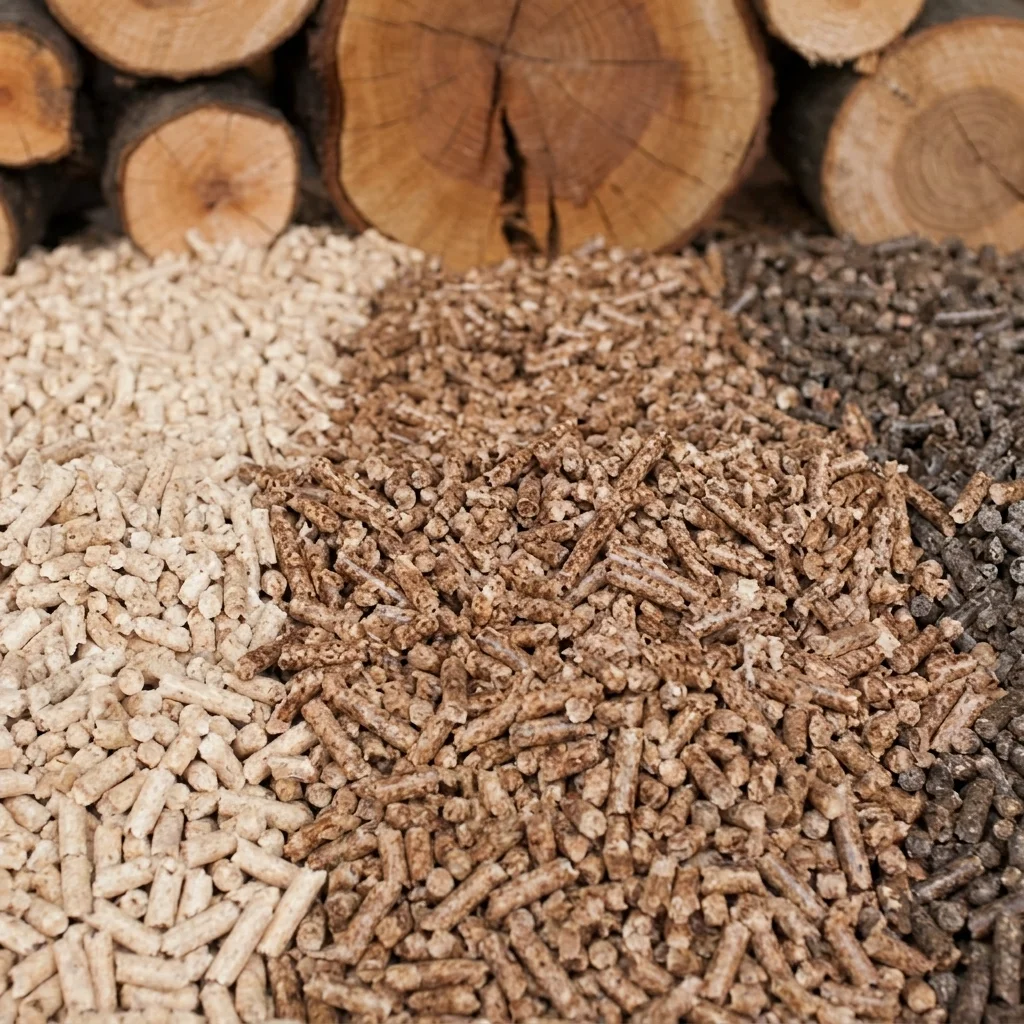 Agricultural Products
Biomass Briquettes
Biomass briquettes from Pakistan. High calorific value, low ash. Sawdu...
Inquire Now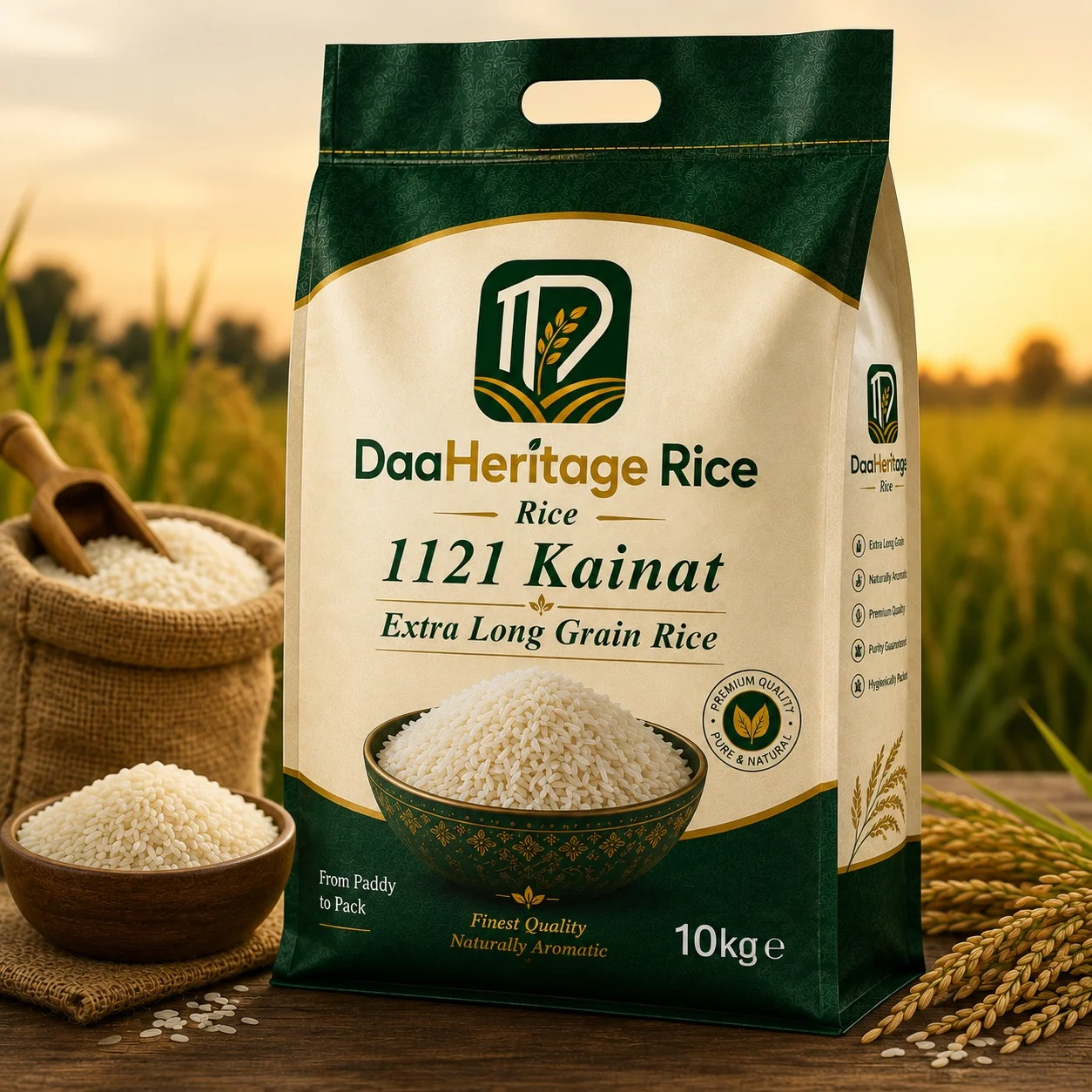 Agricultural Products
DaaHeritage 1121 Kainat
DaaHeritage 1121 Kainat extra-long grain rice. Naturally aromatic, pre...
Inquire NowVerified
SuppliersNo
unconfirmed contacts
Global ReachFrom
Pakistan to
your destination
Fast ResponseWithin
24
hours
Looking for a product from Pakistan?
Submit a Buying Requirement at DaaTrade.com
Submit Requirement