 Agricultural Products
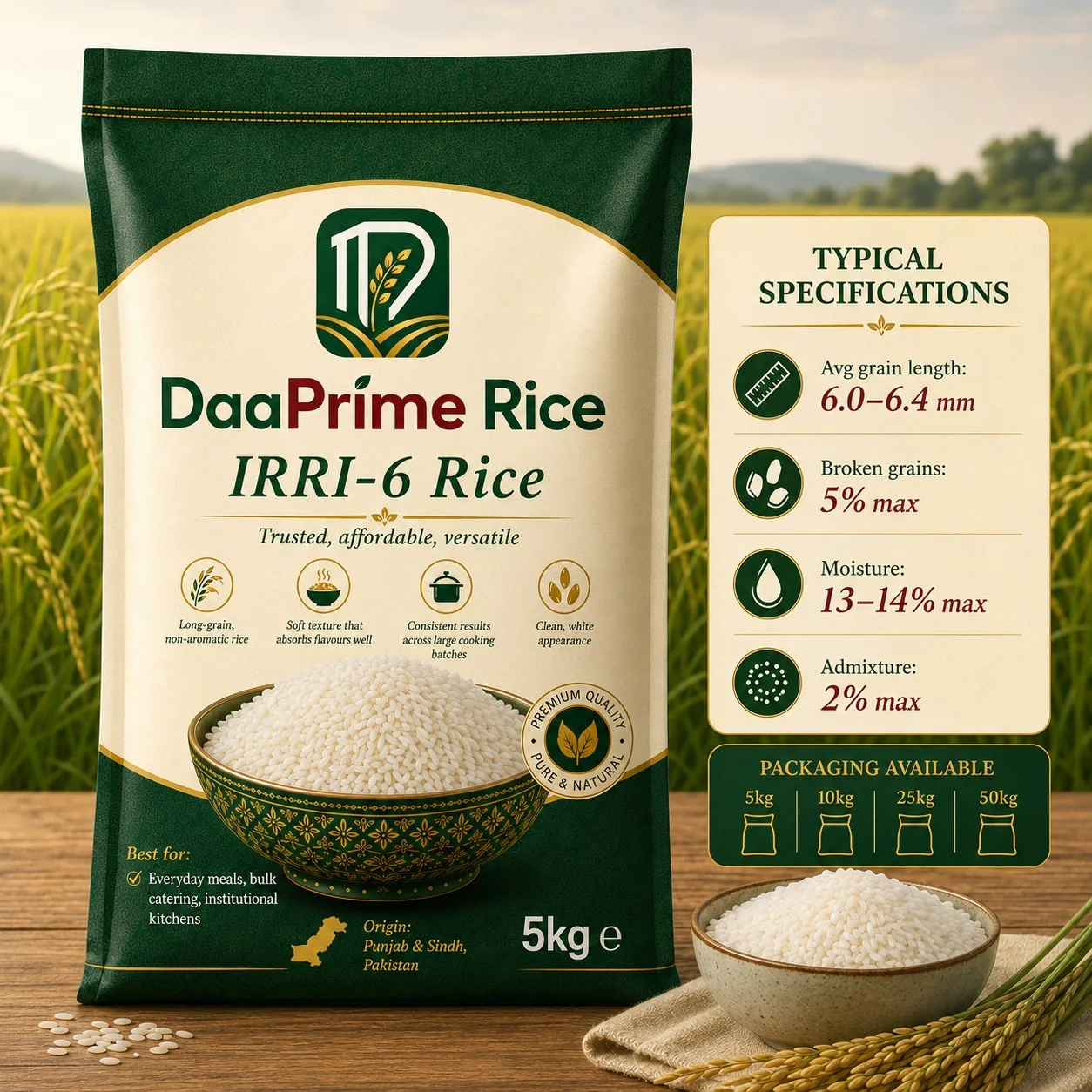
DaaPrime IRRI-6 Rice
DaaPrime IRRI-6 non-basmati rice. Long grain, soft texture, clean whit...
Inquire Now
Find minerals, agricultural goods and more
Pakistani sawdust for biomass fuel, particle board, animal bedding and industrial applications
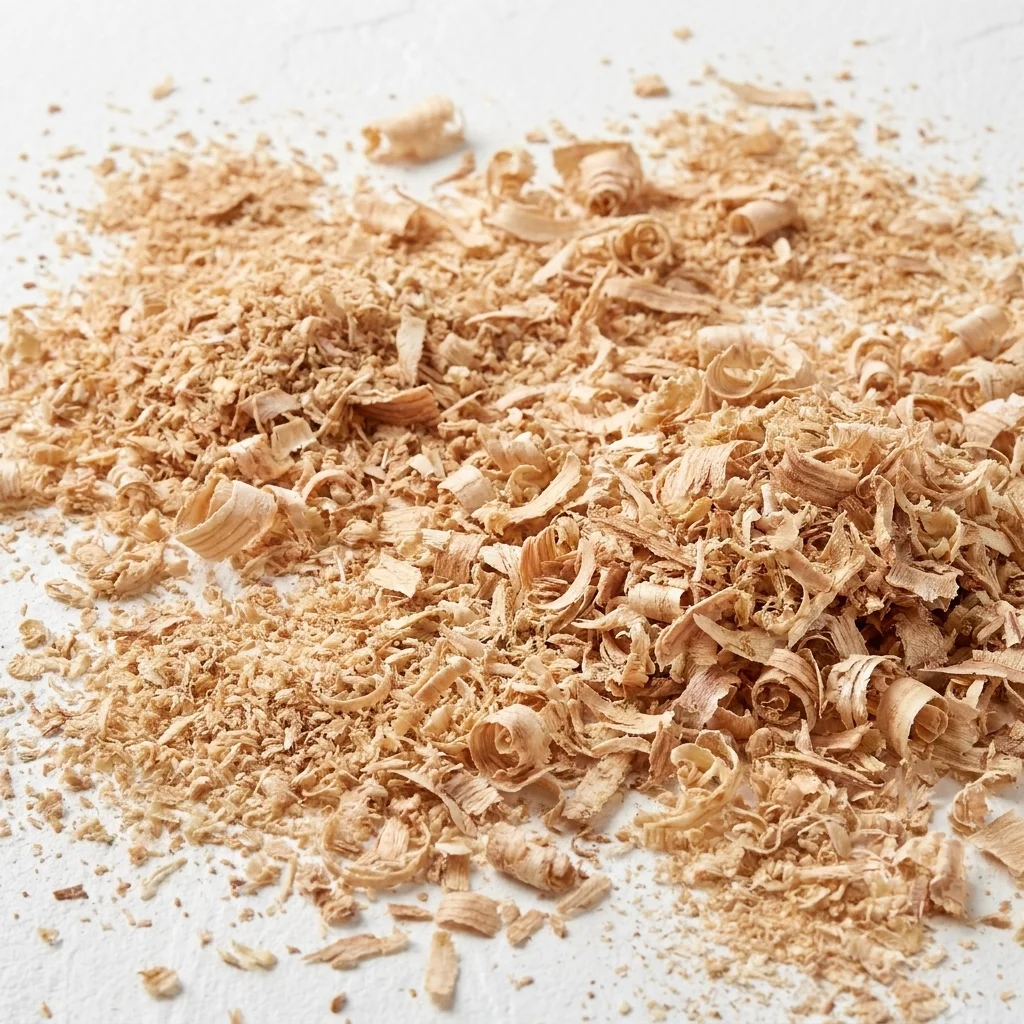
Sawdust from Pakistan. Clean, kiln-dried wood shavings. Bulk and baled supply. Price on inquiry, shipped from Karachi.
Sawdust is a fine particulate wood residue produced as a byproduct of timber sawing, planing, routing, and sanding operations. Pakistan’s extensive timber processing and furniture manufacturing industry generates large volumes of sawdust from both hardwood species (sheesham/rosewood, mango, neem, kikar/acacia) and softwood species (deodar, pine, chir). The sawdust is collected, screened, dried, and packed at source for biomass, industrial, and agricultural end-uses.
Material: Natural wood sawdust
Wood Species: Mixed hardwood, mixed softwood, or single species (on request)
Particle Size: 0.5-5 mm (typical)
Moisture: 8-15% (air-dried), < 10% (kiln-dried)
Calorific Value: 3,800-4,200 kcal/kg (at < 12% moisture)
Ash: 0.5-2%
Volatile Matter: 75-85%
Fixed Carbon: 12-18%
Bulk Density: 150-250 kg/m³ (loose), 350-500 kg/m³ (compressed)
Colour: Light tan to golden (species-dependent)
Contaminants: Free from paint, varnish, chemicals, nails, and treated wood
Loose sawdust (air-dried or kiln-dried)
Compressed bales (30-50 kg each)
Bagged sawdust (25 kg or 50 kg PP bags)
Jumbo bags (500 kg or 1 MT)
Biomass fuel: Sawdust is burned directly in industrial boilers, brick kilns, and biomass power plants as a renewable solid fuel. Low ash content and high volatile matter ensure clean, efficient combustion. Calorific value of 3,800-4,200 kcal/kg at < 12% moisture
Briquette and pellet manufacturing: Sawdust is the primary raw material for producing biomass briquettes and wood pellets through compression under heat and pressure. Briquettes and pellets are denser, easier to handle, and have higher calorific value per unit volume than loose sawdust
Particle board and MDF: Sawdust and wood chips are pressed with adhesive resins to produce particle board (chipboard) and medium-density fibreboard (MDF) for furniture, cabinetry, and interior construction
Animal bedding: Clean, kiln-dried sawdust is used as absorbent bedding for horses, cattle, poultry, and small animals. It provides cushioning, absorbs moisture and ammonia, and is biodegradable and compostable
Composting and soil amendment: Sawdust is blended with nitrogen-rich green waste to produce compost, mulch, and growing media for horticulture, landscaping, and organic farming
Mushroom cultivation: Pasteurized sawdust is a standard substrate for shiitake, oyster, and specialty mushroom cultivation
Industrial absorbent: Sawdust absorbs oil, grease, coolant, and chemical spills in workshops, factories, garages, and warehouses
Smoking and flavouring: Food-grade hardwood sawdust (sheesham, mango, neem) is used in meat smoking, cheese smoking, and barbecue flavouring
Insulation and packaging: Sawdust is used as a loose-fill insulation material and as protective packaging filler for fragile items during shipping
Each lot is tested for moisture, calorific value, ash content, particle size, and absence of contaminants (paint, chemicals, treated wood, nails, metal). Clean sourcing from verified timber mills ensures consistent quality. Pre-shipment samples are provided for buyer evaluation. Phytosanitary certification and fumigation are arranged as per destination country requirements.
Detailed specifications are available on request. Send us your requirement and our export desk will share them.
Compressed bales (30-50 kg each), stacked and strapped in containers
25 kg or 50 kg woven polypropylene bags, palletized
500 kg or 1 MT jumbo bags
Loose bulk in 20' or 40' containers (mechanically compressed to maximize load)
Loading port: Karachi Port or Port Qasim. Containerized shipment. Sawdust is a lightweight, voluminous material, so containers fill by volume before reaching weight limits. Mechanical compression before loading maximizes load per container. Typical load: 14-18 MT per 40ft container (compressed bales). Incoterms: FOB, CFR, CIF. Documents: Commercial Invoice, Packing List, Certificate of Origin, Certificate of Quality, Phytosanitary Certificate, Fumigation Certificate, Bill of Lading.
Agricultural Products
DaaPrime IRRI-6 non-basmati rice. Long grain, soft texture, clean whit...
Inquire Now
Agricultural Products
 Agricultural Products
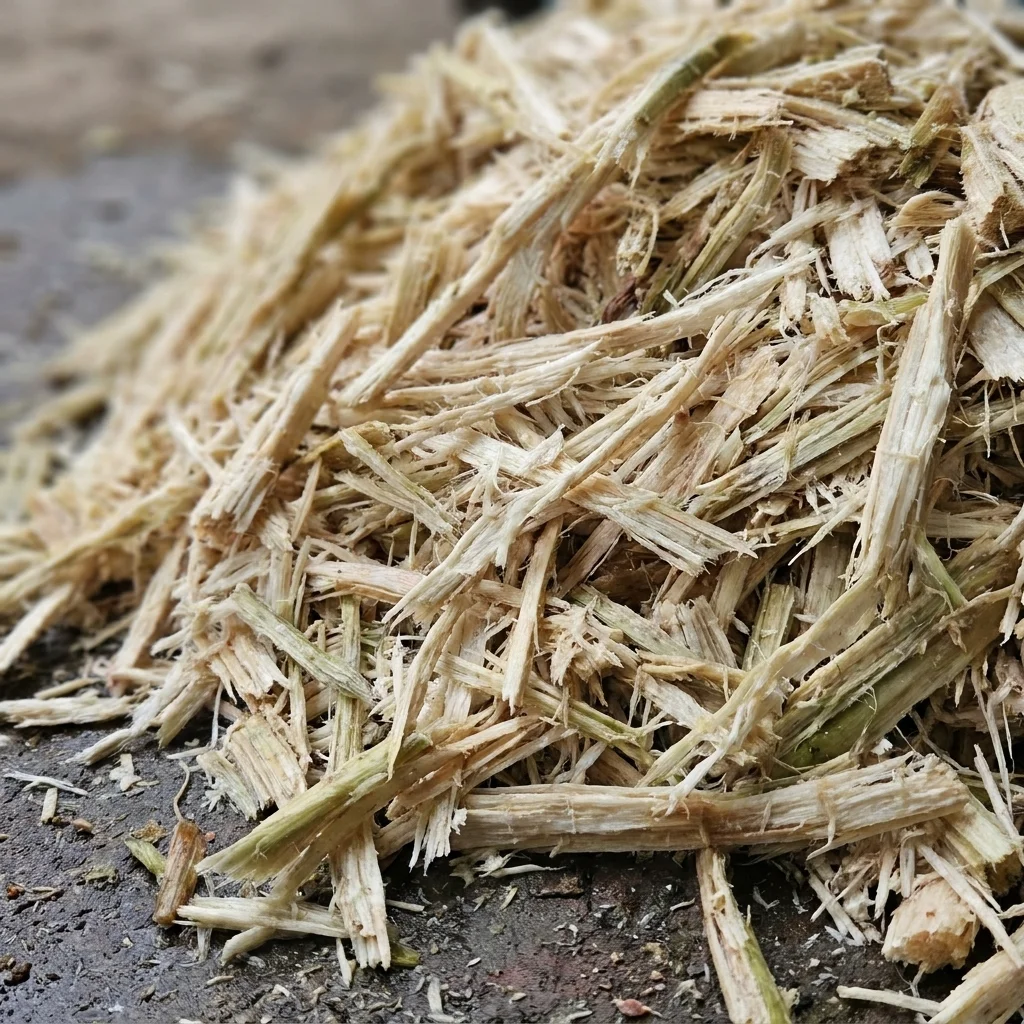
Sugarcane residues (bagasse) from Pakistan. Biomass fuel and industria...
Inquire Now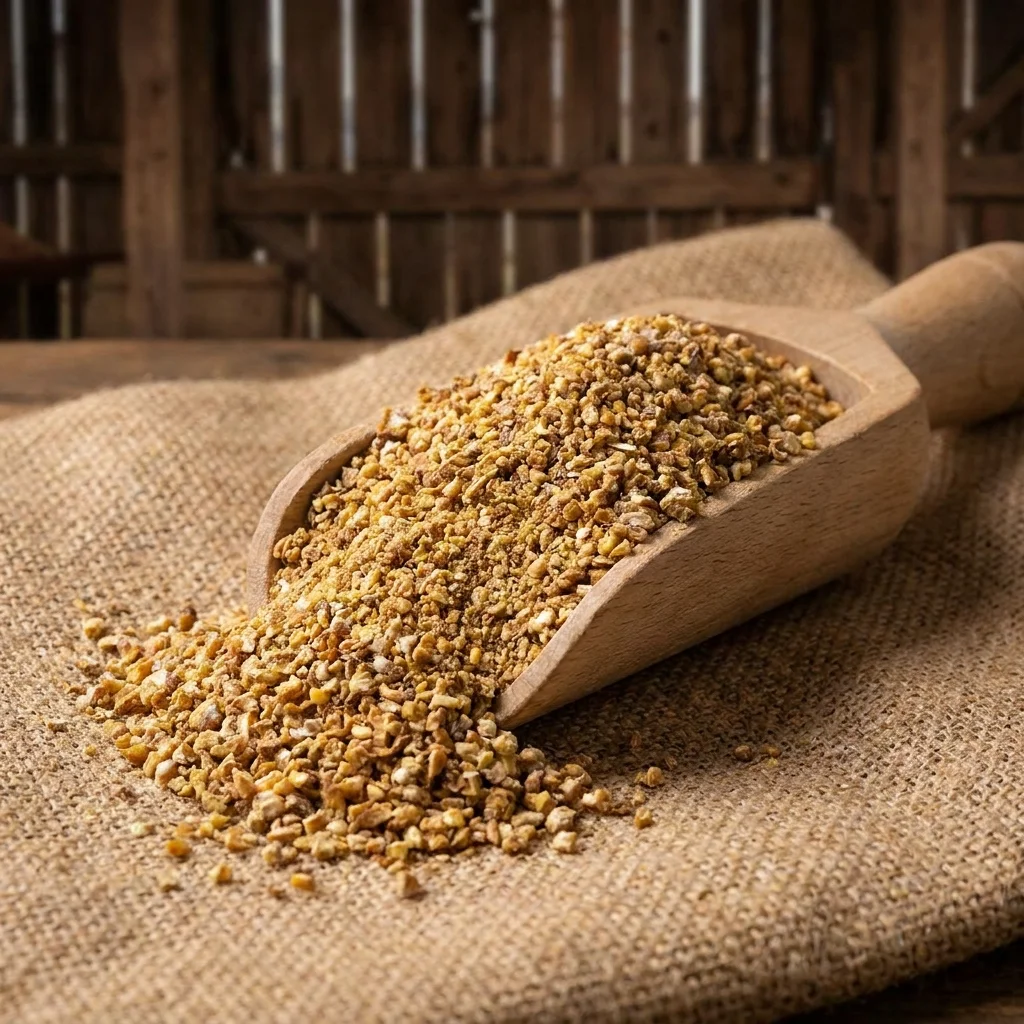 Agricultural Products
Corn cob crushed, meal and granules from Pakistan. Multiple particle s...
Inquire NowSubmit a Buying Requirement at DaaTrade.com
Submit Requirement