 Agricultural Products
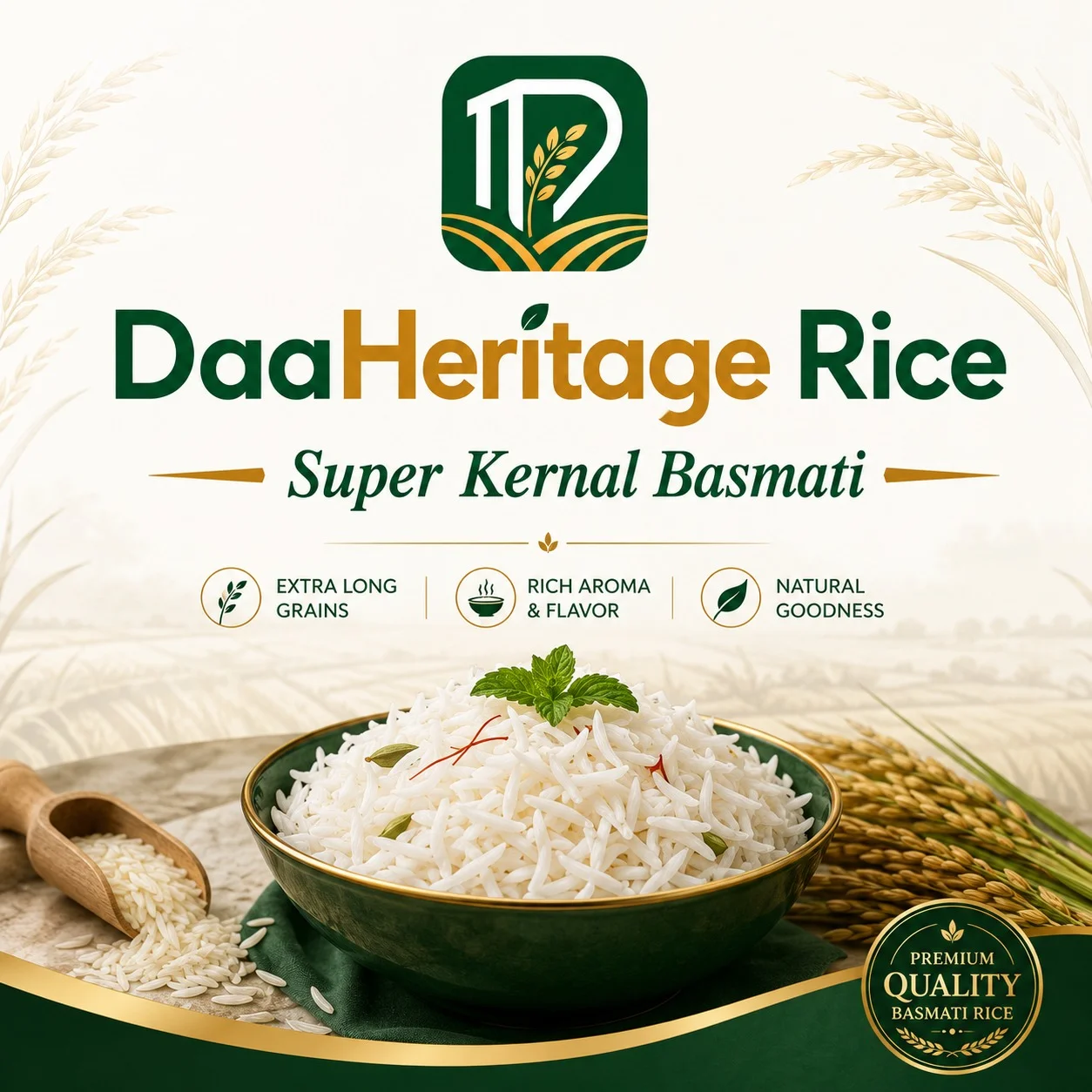
Super Kernel Basmati Rice
Super Kernel Basmati rice from Pakistan. Extra-long grain, rich aroma....
Inquire Now
Find minerals, agricultural goods and more
Pakistani wheat grain for milling, feed and food processing applications
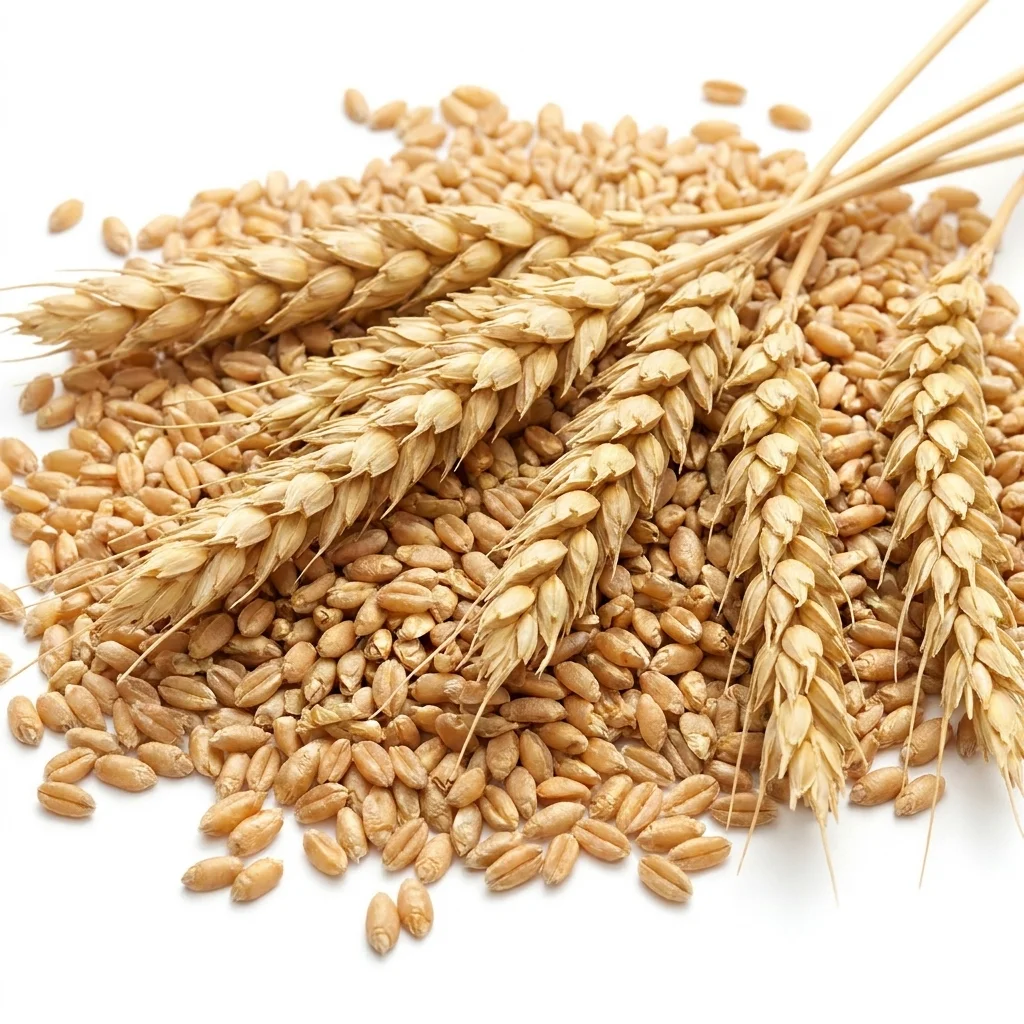
Wheat grain from Pakistan. Milling and feed grade. Bulk and containerized shipments. Price on inquiry, shipped from Karachi.
Pakistan is among the world’s largest wheat producers, harvesting 25-28 million tonnes annually from the irrigated plains of Punjab and Sindh. The primary growing season runs from November to April (Rabi crop), with harvest in April-May. Pakistani wheat is predominantly hard and semi-hard spring varieties (e.g. Galaxy, Faisalabad, Akbar, Seher, Punjab-11) with amber-coloured kernels, good gluten development, and milling characteristics suited for a wide range of flour products. The grain is harvested, sun-dried or mechanically dried, cleaned, and graded at modern grain handling facilities before export.
Grain Type: Hard/Semi-Hard Spring Wheat
Moisture: 12-13% max
Protein: 10-13% (variety and season-dependent)
Gluten (wet): 25-30%
Test Weight: 76-80 kg/hl
Broken/Shrunken: < 3%
Foreign Matter: < 1%
Damaged/Discoloured: < 1%
Aflatoxin: < 10 ppb
Falling Number: > 250 seconds
Colour: Amber to golden-brown
Non-GMO
Milling Grade (Grade 1): highest protein, lowest foreign matter, suitable for bread flour, chapati flour, and semolina
Milling Grade (Grade 2): standard protein, suitable for general-purpose flour and biscuit flour
Feed Grade: lower protein, higher tolerance for broken and shrunken kernels, for animal and poultry feed formulations
Durum Wheat: limited availability, for pasta and semolina production (seasonal, subject to crop)
Flour milling (bread and chapati): Pakistani wheat is milled into atta (whole wheat flour for chapati/roti), maida (refined white flour for bread, naan, pastry), and standard bread flour. Flour mills across the Middle East, Africa, and Central Asia import Pakistani wheat for these products
Semolina and pasta: Hard wheat varieties with higher protein are milled into semolina (suji/rava) for pasta, couscous, and traditional desserts
Biscuit and confectionery flour: Lower-protein wheat fractions are used for soft flour suited for biscuits, cookies, cakes, and confectionery products
Animal and poultry feed: Feed-grade wheat and wheat screenings are used as energy and protein ingredients in livestock, poultry, and aquaculture feed formulations
Starch and gluten extraction: Wheat is wet-processed to produce wheat starch (for paper, textiles, adhesives) and vital wheat gluten (for baking, meat processing, pet food)
Brewing and distilling: Wheat is used as an adjunct grain in wheat beer brewing and as a feedstock for industrial alcohol and ethanol production
Food processing: Wheat grain and flour are used in breakfast cereals, noodles, instant noodles, snack foods, and ready-to-eat meal production
Food aid and relief: Wheat is a standard specification grain for government food programs, UN WFP, and humanitarian relief shipments
Each shipment includes a Certificate of Quality reporting protein, moisture, gluten, test weight, broken/shrunken, foreign matter, damaged grains, aflatoxin, falling number, and non-GMO status. Phytosanitary certification, fumigation certificate, and SGS/Intertek inspection can be arranged. Pre-shipment samples are provided for buyer approval.
Detailed specifications are available on request. Send us your requirement and our export desk will share them.
25 kg or 50 kg woven polypropylene bags, palletized
1 MT jumbo bags
Loose bulk in 20' or 40' containers
Bulk vessel loading for large tonnages (10,000-50,000 MT)
Loading port: Karachi Port or Port Qasim. Containerized or bulk vessel shipment depending on quantity. Wheat is a standard bulk agricultural commodity with established shipping protocols. Fumigation is performed before loading as per destination country requirements. Incoterms: FOB, CFR, CIF. Documents: Commercial Invoice, Packing List, Certificate of Origin, Certificate of Quality, Phytosanitary Certificate, Fumigation Certificate, Non-GMO Certificate, Weight Certificate, Draft Survey Report (bulk), Bill of Lading.
Agricultural Products
Super Kernel Basmati rice from Pakistan. Extra-long grain, rich aroma....
Inquire Now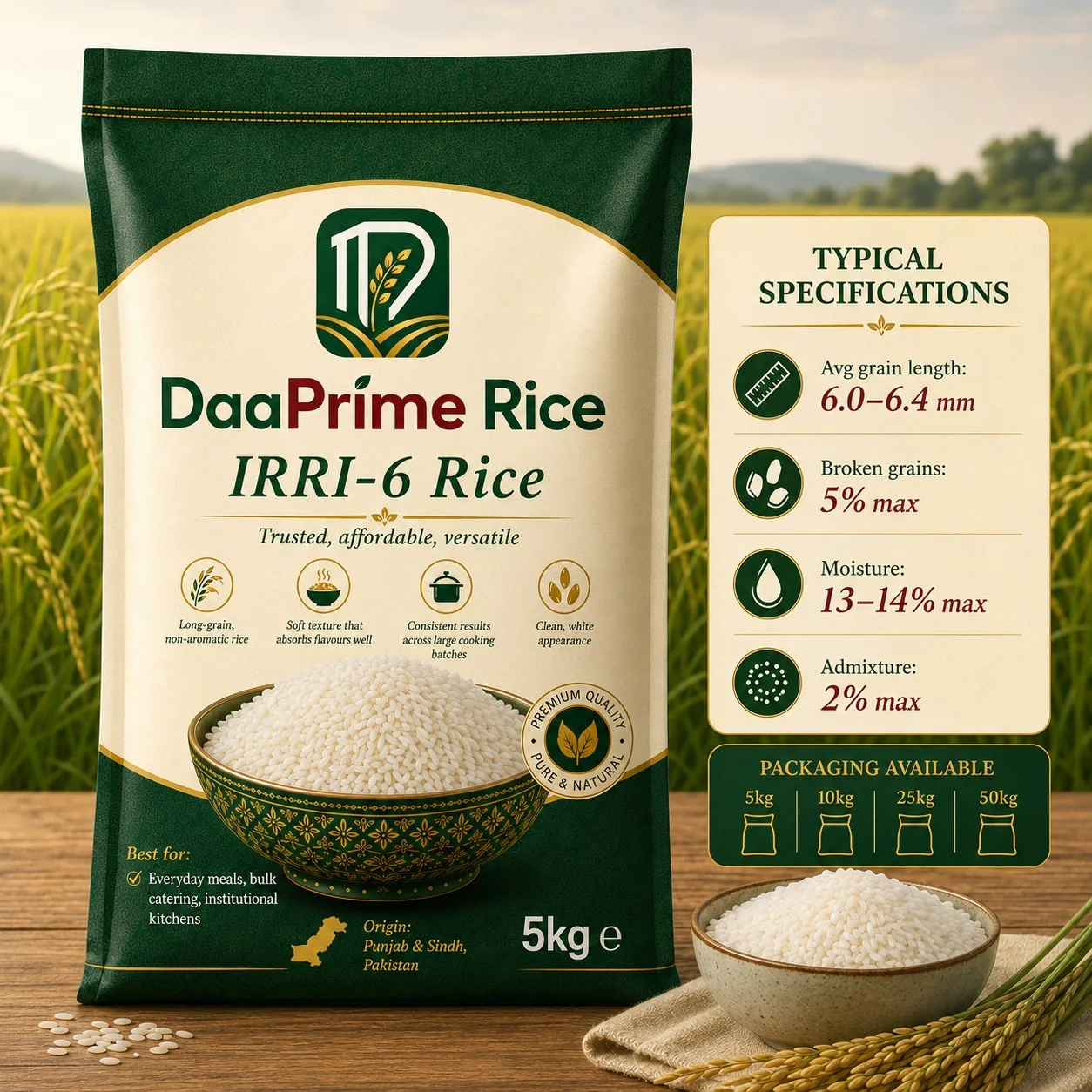 Agricultural Products
DaaPrime IRRI-6 non-basmati rice. Long grain, soft texture, clean whit...
Inquire Now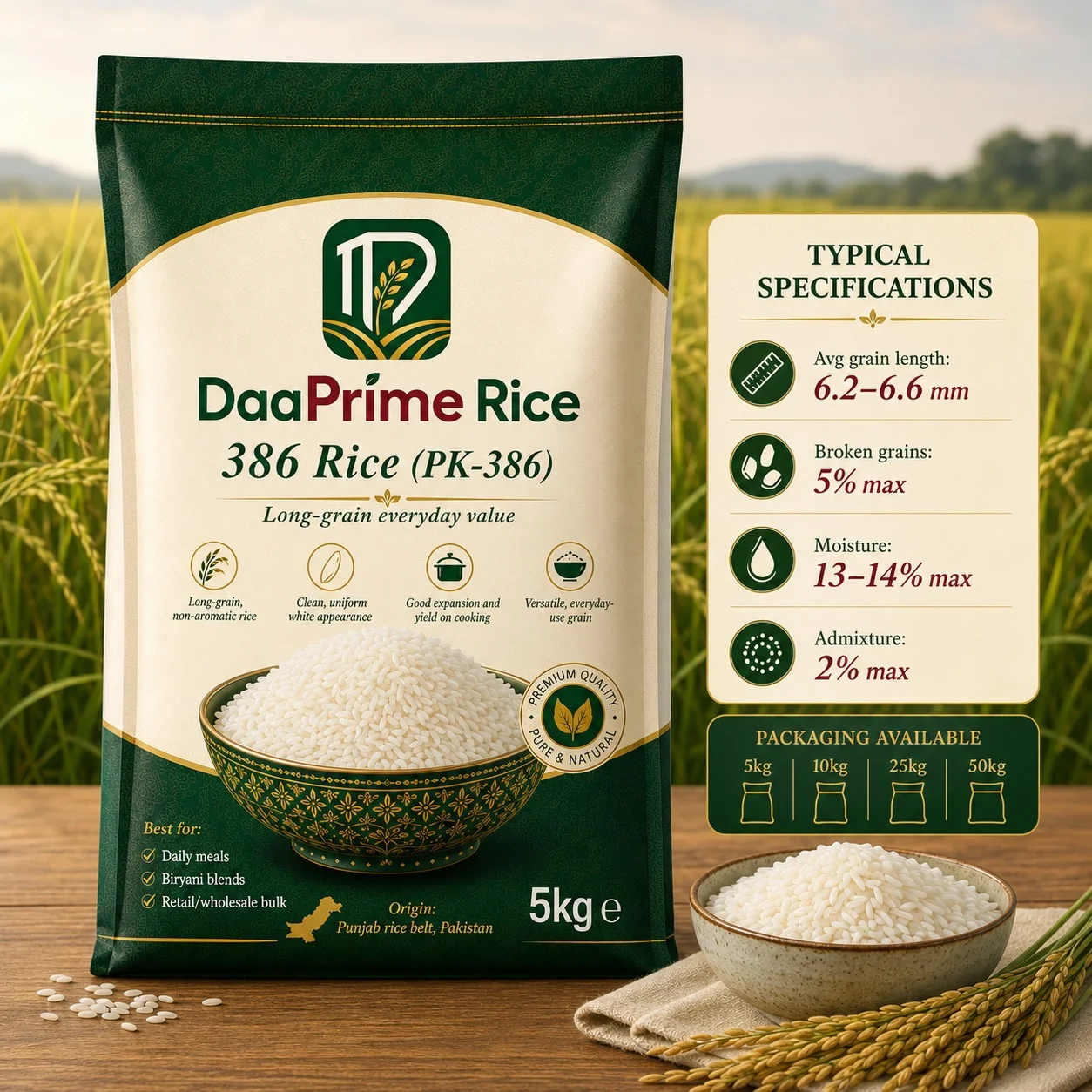 Agricultural Products
DaaPrime 386 (PK-386) long-grain rice. Clean uniform appearance, good...
Inquire Now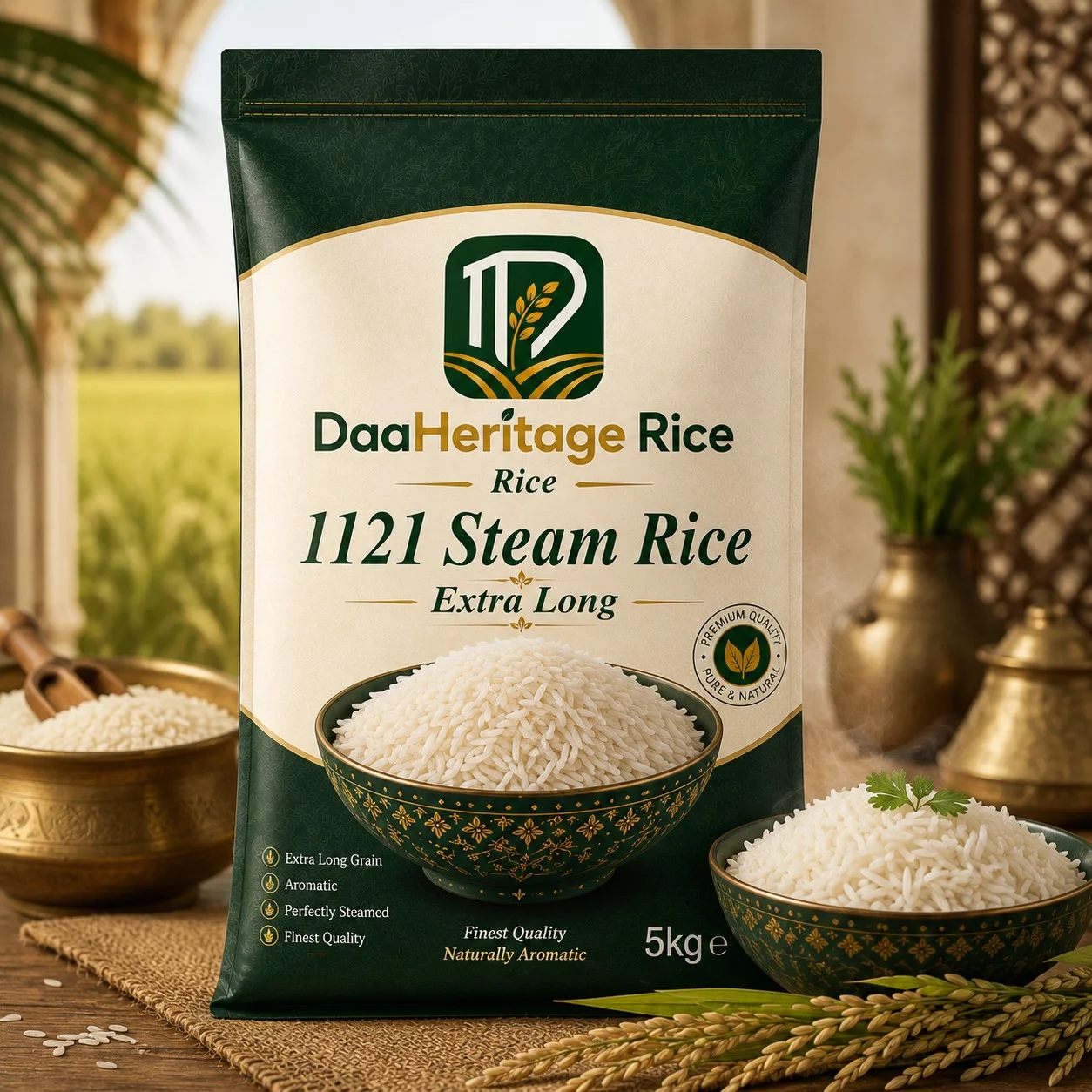 Agricultural Products
DaaHeritage 1121 Basmati rice. Extra-long grain, available in White, S...
Inquire NowSubmit a Buying Requirement at DaaTrade.com
Submit Requirement