 Agricultural Products
Natural Sesame Seeds
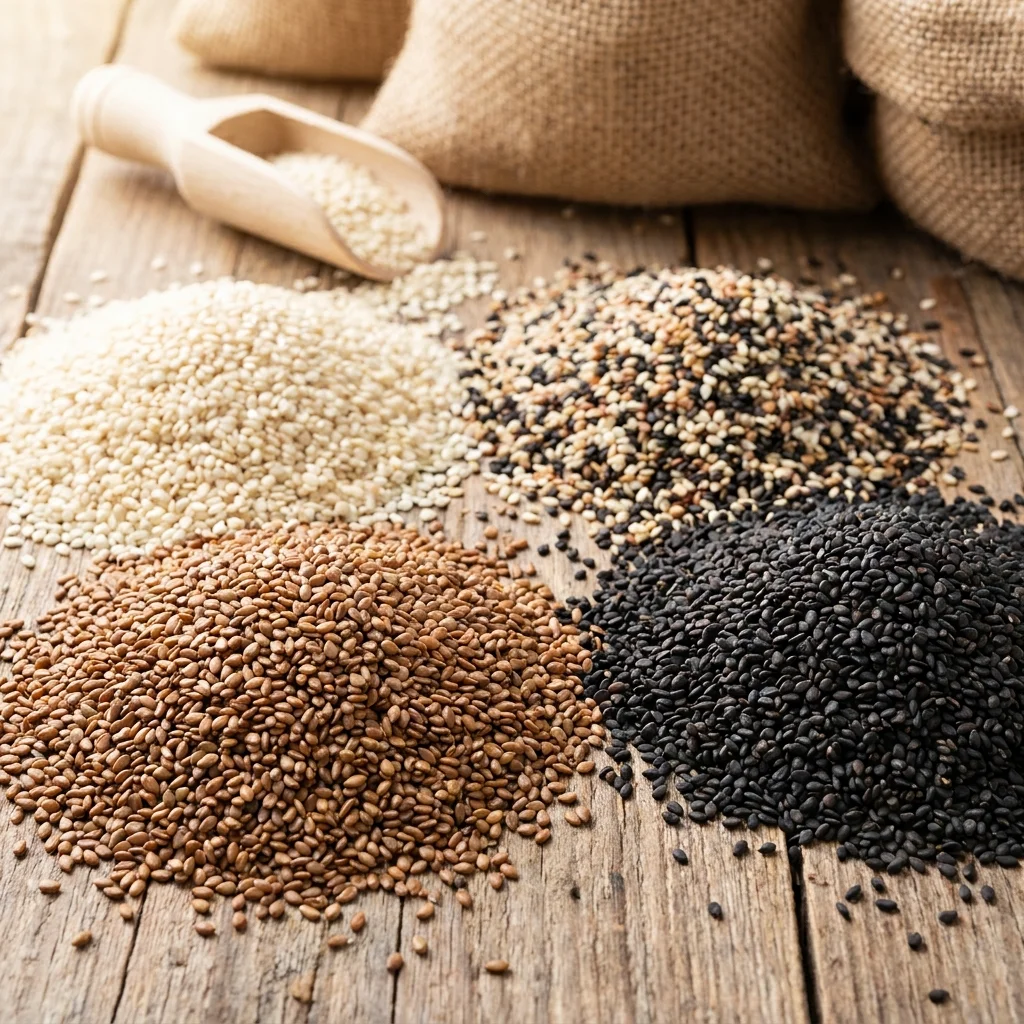
Natural sesame seeds from Pakistan. White, brown, black and mixed vari...
Inquire Now
Find minerals, agricultural goods and more
Pakistani wheat straw bales for animal feed, biomass fuel, paper pulp and mushroom substrate
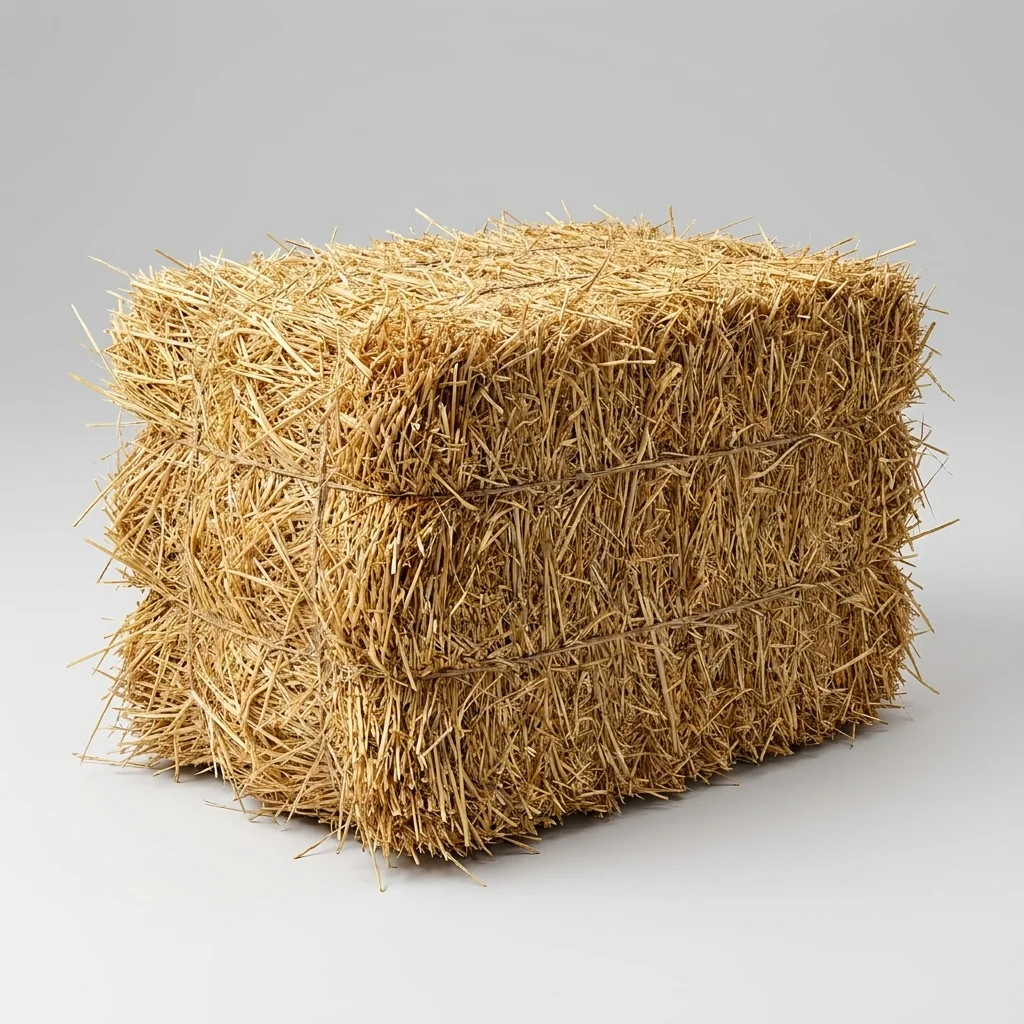
Wheat straw from Pakistan. Compressed bales, clean and dry. Bulk supply. Price on inquiry, shipped from Karachi.
Wheat straw is the dry, hollow-stemmed residue of the wheat plant (Triticum aestivum) remaining after grain threshing. Pakistan’s wheat harvest season (April-May) generates vast quantities of straw across the Punjab and Sindh plains. The straw is collected, sun-dried, and mechanically compressed into bales at the farm or aggregation point. Pakistani wheat straw is golden-yellow in colour, dry, lightweight, and has a mild natural grain odour. It is one of the most abundantly available and economically priced agricultural residues in the country.
Material: Dry wheat straw (Triticum aestivum)
Moisture: 10-14% (sun-dried)
Crude Protein: 3-5%
Crude Fibre: 35-42%
Cellulose: 35-40%
Hemicellulose: 20-28%
Lignin: 12-18%
Ash: 6-10%
Calorific Value: 3,200-3,800 kcal/kg (at < 14% moisture)
Colour: Golden-yellow
Odour: Mild, natural grain
Standard rectangular bales: 40-50 kg each (manually or mechanically baled)
High-density rectangular bales: 300-500 kg each (mechanically compressed)
Large round bales: 200-350 kg each
Chopped straw: 2-5 cm cut length, bagged or baled
Loose bulk (for local delivery)
Animal feed and roughage: Wheat straw is a widely used roughage and fibre source for cattle, buffalo, sheep, goat, and camel feeding. While low in protein and energy compared to hay, it provides essential dietary fibre, promotes rumen function, and is a cost-effective feed filler. It is often treated with urea or ammonia to improve digestibility and nutritional value
Biomass fuel: Wheat straw is burned in biomass boilers and power plants as a renewable solid fuel. Calorific value of 3,200-3,800 kcal/kg. It is also used as feedstock for briquette, pellet, and bio-coal manufacturing
Paper and pulp: Wheat straw is a commercially established non-wood fibre source for paper and pulp production. Straw pulp produces writing paper, printing paper, corrugated board liner, tissue paper, and newsprint
Mushroom cultivation: Chopped and pasteurized wheat straw is the standard substrate for oyster mushroom, button mushroom, and specialty mushroom cultivation worldwide
Composting and soil amendment: Wheat straw is composted into organic soil conditioner, mulch, and growing media for horticulture, organic farming, and landscaping
Animal bedding: Clean wheat straw is used as absorbent bedding for horses, cattle, poultry, and small animals in stables, barns, and poultry houses
Construction and insulation: Wheat straw is used in straw bale construction, thatched roofing, and as loose-fill or panel insulation material in eco-friendly building projects
Bioplastics and biocomposites: Wheat straw fibres are processed into biocomposite panels, moulded packaging, and biodegradable plastics as a sustainable alternative to petroleum-based materials
Erosion control: Straw mulch and straw wattles are used for soil erosion control on construction sites, slopes, and newly seeded landscapes
Each lot is tested for moisture, crude fibre, crude protein, ash, and absence of mould, weeds, and foreign matter. Pre-shipment samples are provided for buyer evaluation. Material is sourced from verified aggregators with consistent baling, storage, and quality control practices. Phytosanitary certification and fumigation are arranged as per destination country requirements.
Detailed specifications are available on request. Send us your requirement and our export desk will share them.
Standard rectangular bales (40-50 kg each), stacked and strapped in containers
High-density compressed bales (300-500 kg each), mechanically loaded
Large round bales, stacked in open-top or flat-rack containers
Chopped straw in 25 kg or 50 kg PP bags, palletized
Loading port: Karachi Port or Port Qasim. Containerized shipment. Wheat straw is a lightweight, voluminous material, so containers fill by volume before reaching weight limits. Mechanical compression before loading maximizes the load per container. Typical load: 18-22 MT per 40ft container (high-density bales). Incoterms: FOB, CFR, CIF. Documents: Commercial Invoice, Packing List, Certificate of Origin, Certificate of Quality, Phytosanitary Certificate, Fumigation Certificate, Bill of Lading.
Agricultural Products
Natural sesame seeds from Pakistan. White, brown, black and mixed vari...
Inquire Now Agricultural Products
 Agricultural Products
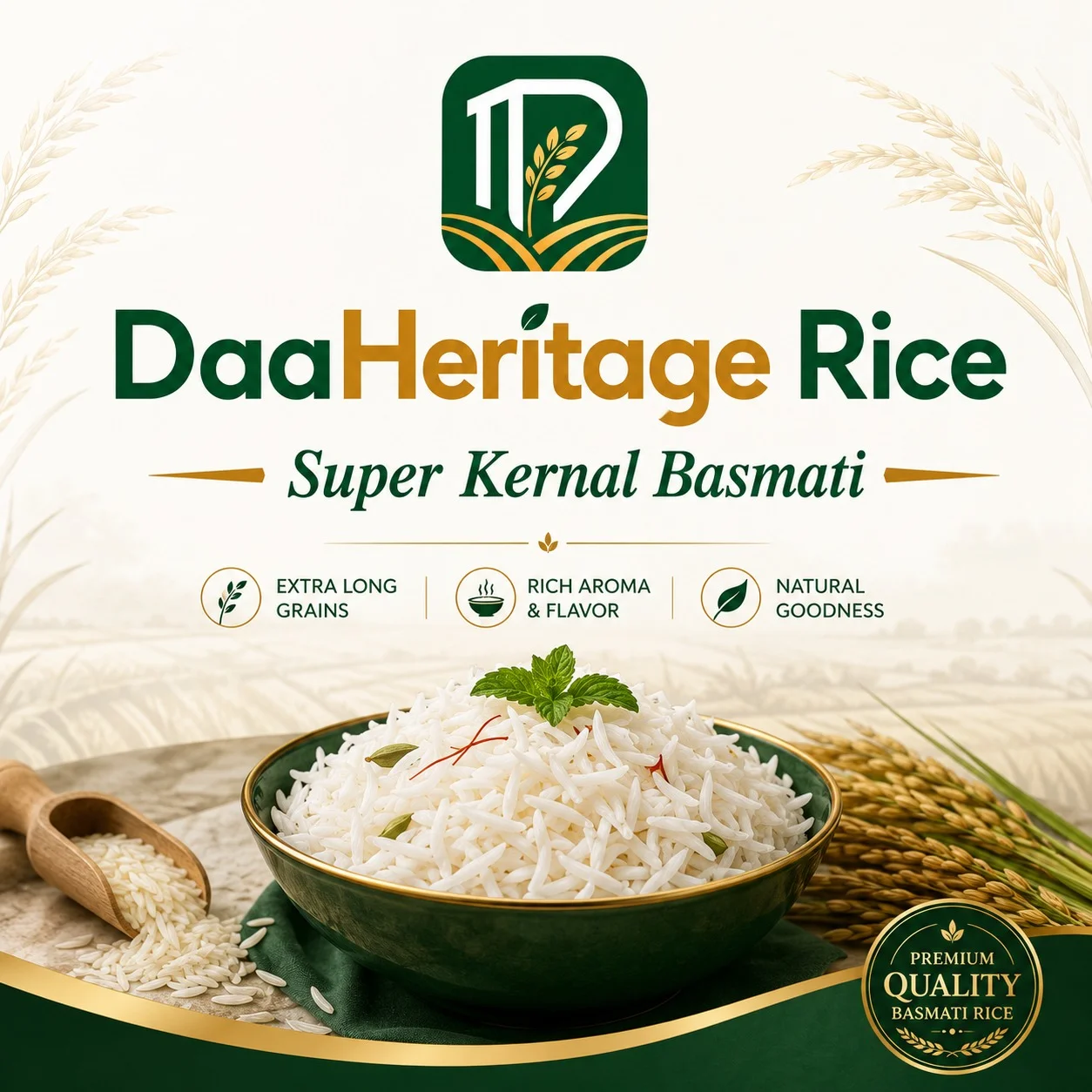
Super Kernel Basmati rice from Pakistan. Extra-long grain, rich aroma....
Inquire Now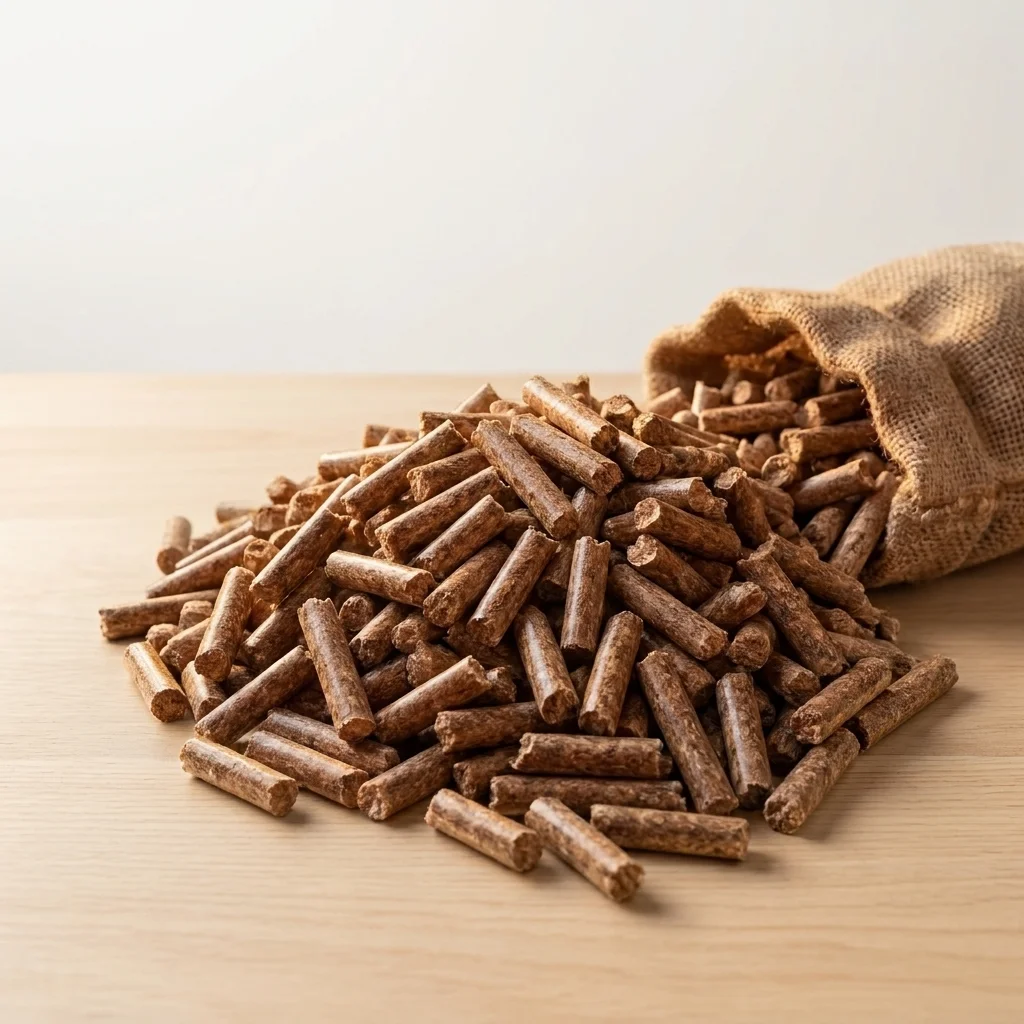 Agricultural Products
Biomass pellets from Pakistan. 6 mm and 8 mm diameter. High calorific...
Inquire NowSubmit a Buying Requirement at DaaTrade.com
Submit Requirement