 Agricultural Products
Natural Sesame Seeds
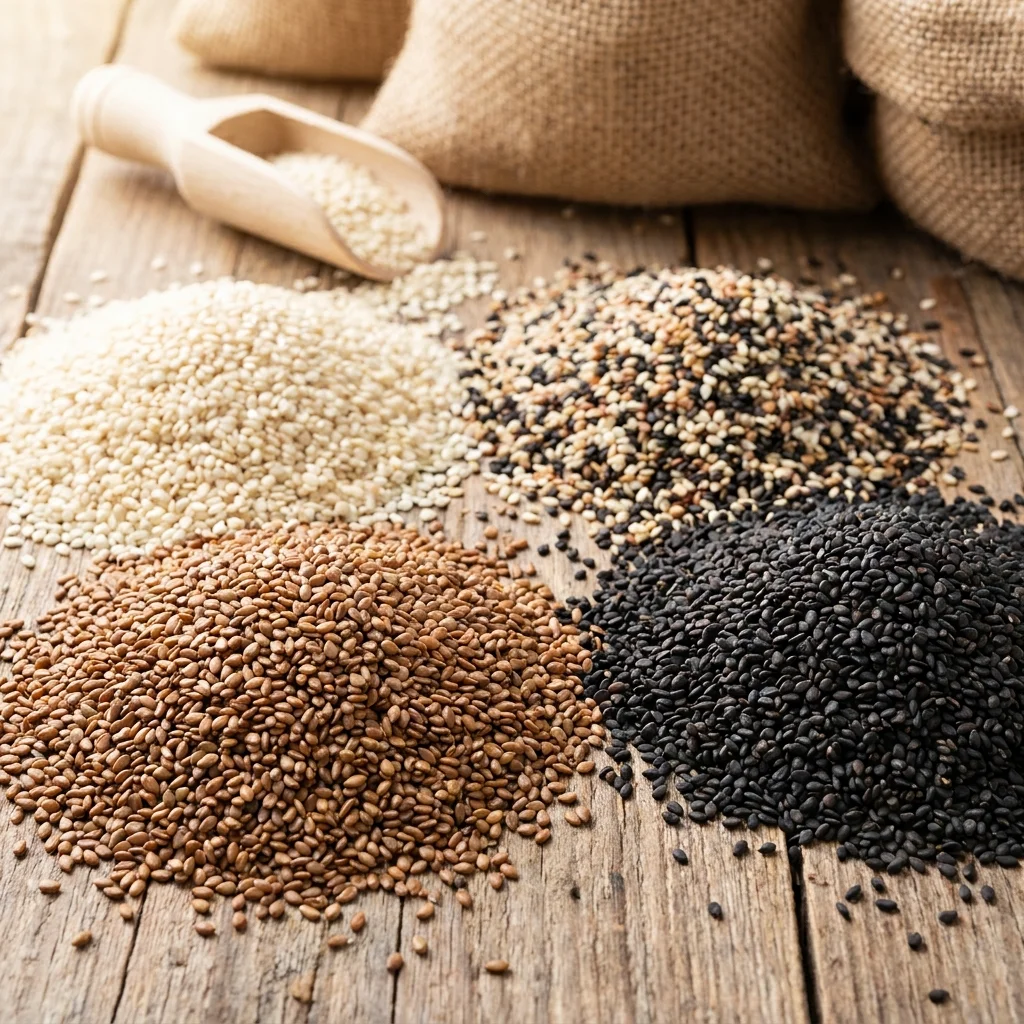
Natural sesame seeds from Pakistan. White, brown, black and mixed vari...
Inquire Now
Find minerals, agricultural goods and more
Pakistani Rhodes grass hay and alfalfa (lucerne) hay for dairy, equine and livestock feeding
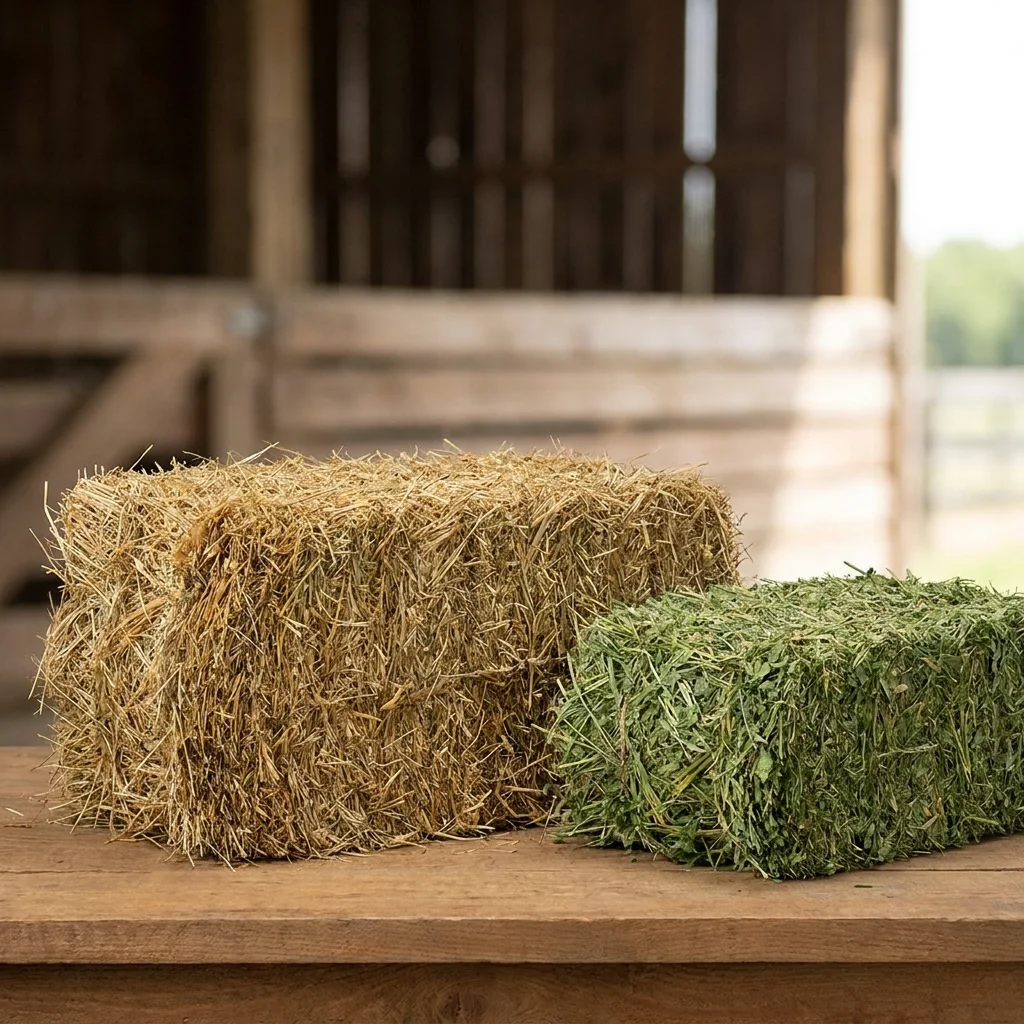
Rhodes grass hay and alfalfa hay from Pakistan. Compressed bales. Premium forage. Price on inquiry, shipped from Karachi.
Hay is produced by cutting forage crops at the optimal growth stage, field-drying (curing) them to below 15% moisture, and mechanically baling them for storage and transport. Properly cured hay preserves the nutritional value of the fresh forage for 12-18 months, providing a reliable year-round feed supply independent of seasonal pasture availability. Pakistan’s irrigated farming areas in Punjab and Sindh produce multiple cuttings of both Rhodes grass and alfalfa annually, supporting consistent export volumes.
Rhodes Grass Hay
Crop: Rhodes grass (Chloris gayana)
Crude Protein: 8-12% (cutting-dependent)
Crude Fibre: 28-34%
TDN: 50-58%
NDF: 60-70%
ADF: 35-42%
Moisture: 10-14% max
Ash: 8-12%
Colour: Golden to light green (cutting-dependent)
Odour: Sweet, fresh hay aroma
Cuttings: 4-6 per year
Leaf-to-stem ratio: Higher in early cuttings
Alfalfa Hay (Lucerne)
Crop: Alfalfa/Lucerne (Medicago sativa)
Crude Protein: 16-22% (cutting and maturity-dependent)
Crude Fibre: 22-30%
TDN: 55-65%
NDF: 38-50%
ADF: 28-38%
Moisture: 10-14% max
Ash: 8-11%
Calcium: 1.2-1.8%
Colour: Deep green to olive-green
Odour: Sweet, leafy aroma
Cuttings: 5-8 per year
Leaf-to-stem ratio: Critical quality factor, higher is premium
Rhodes Grass Hay
Rhodes grass is a tropical perennial grass widely grown in Pakistan’s irrigated regions. It produces 4-6 cuttings per year, with the first and second cuttings offering the highest protein and leaf content. Rhodes grass hay is the most commonly traded forage hay in the Middle East import market, used as the base roughage for dairy cattle, beef cattle, camels, horses, and small ruminants. It provides essential dietary fibre, moderate protein, and good palatability. Rhodes grass hay is the more affordable of the two hay types and is consumed in the largest volumes.
Alfalfa Hay (Lucerne)
Alfalfa is a perennial legume that fixes atmospheric nitrogen, producing a high-protein, high-calcium forage. It is considered the “queen of forages” in livestock nutrition due to its exceptional protein content (16-22%), calcium levels, vitamin A, and palatability. Pakistan’s irrigated areas produce 5-8 cuttings of alfalfa per year. Alfalfa hay is a premium feed for high-producing dairy cows, horses, camels, rabbits, and young growing animals. It commands a significant price premium over Rhodes grass hay due to its superior nutritional profile. Leaf retention during baling is the most critical quality factor, as the leaves contain the majority of the protein and nutrients.
Rhodes Grass Hay:
Dairy cattle: Base roughage in dairy rations, providing essential NDF fibre for rumen health and milk fat production. Fed at 5-10 kg per day per cow alongside concentrates and silage
Beef cattle and feedlots: Roughage component in beef finishing rations to maintain rumen function and prevent acidosis
Camels: Primary feed for camel herds across the Middle East and North Africa. Rhodes grass hay is the standard camel forage in the GCC countries
Horses: Maintenance forage for horses, providing fibre and moderate nutrition for light work and idle horses
Small ruminants: Sheep and goat feeding, particularly during dry seasons and in intensive farming systems
Zoo and wildlife: Roughage for captive herbivores (elephants, giraffes, zebras, antelope)
Alfalfa Hay:
High-producing dairy cows: Premium protein and calcium supplement in dairy TMR. Alfalfa’s high protein and digestible fibre support peak milk production and body condition
Horses (performance and breeding): Premium forage for racehorses, sport horses, pregnant mares, and growing foals. High calcium and protein support bone development and muscle recovery
Camels (racing and breeding): Premium feed for racing camels and breeding stock in the GCC countries
Rabbits: Alfalfa is the standard hay for commercial and pet rabbit feeding, providing essential calcium and protein
Young growing animals: Calves, foals, and lambs benefit from alfalfa’s high protein and calcium during growth phases
Each lot is tested for crude protein, crude fibre, NDF, ADF, TDN, moisture, ash, calcium (alfalfa), and visual quality assessment (colour, leaf retention, odour, mould absence). Hay is graded by protein content, colour, and leaf-to-stem ratio. Pre-shipment samples are provided for buyer evaluation. Phytosanitary certification and fumigation are arranged as per destination country requirements.
Detailed specifications are available on request. Send us your requirement and our export desk will share them.
Standard rectangular bales: 20-30 kg each (farm bales)
High-density double-compressed bales: 40-60 kg each (export standard)
Large square bales: 400-600 kg each (mechanically compressed)
Bales are strapped with steel or polypropylene strapping wire
Loading port: Karachi Port or Port Qasim. Containerized shipment. Hay is lightweight and voluminous, so double-compression is essential for export to maximize container payload. Typical load: 20-24 MT per 40ft container (double-compressed bales). Containers are inspected for cleanliness and absence of odour/moisture before loading. Hay must remain dry during transit. Incoterms: FOB, CFR, CIF. Documents: Commercial Invoice, Packing List, Certificate of Origin, Certificate of Quality (nutritional analysis), Phytosanitary Certificate, Fumigation Certificate, Weight Certificate, Bill of Lading.
Agricultural Products
Natural sesame seeds from Pakistan. White, brown, black and mixed vari...
Inquire Now Agricultural Products
 Agricultural Products
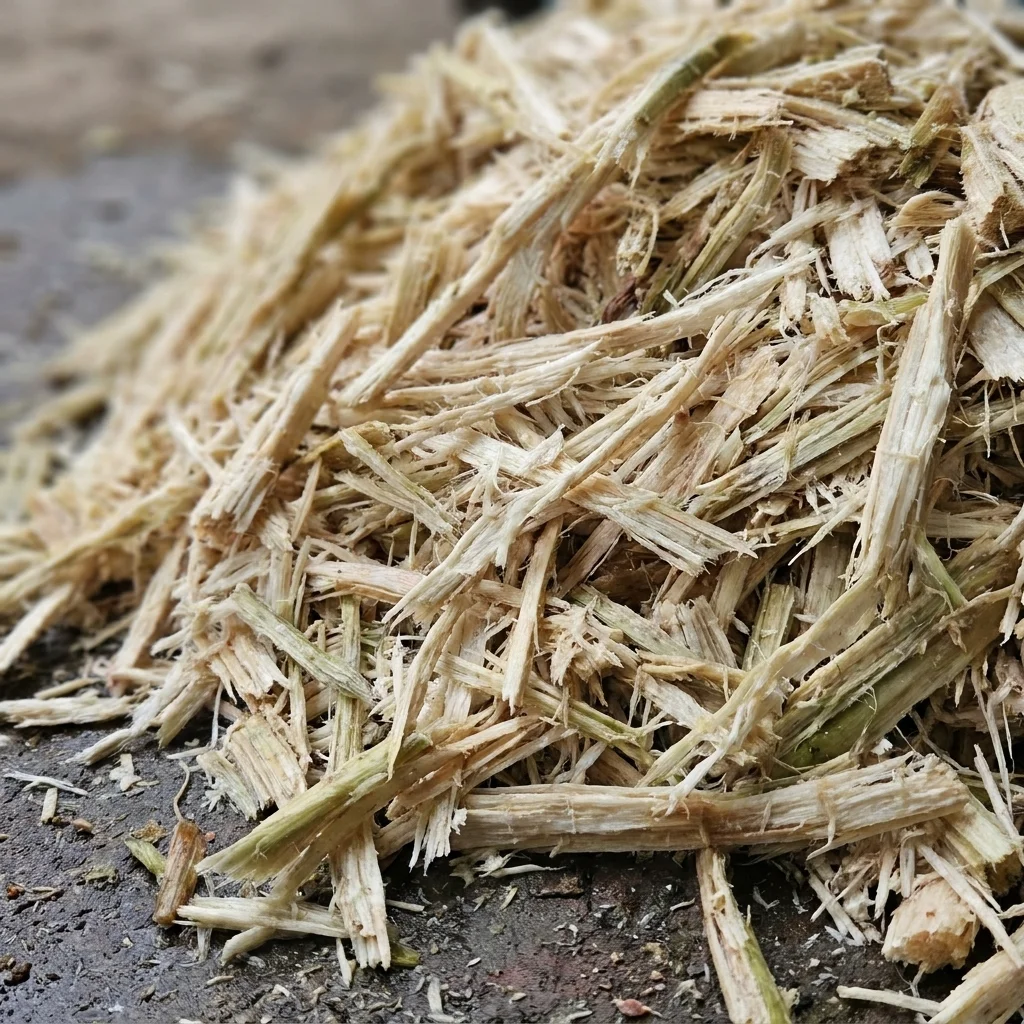
Sugarcane residues (bagasse) from Pakistan. Biomass fuel and industria...
Inquire Now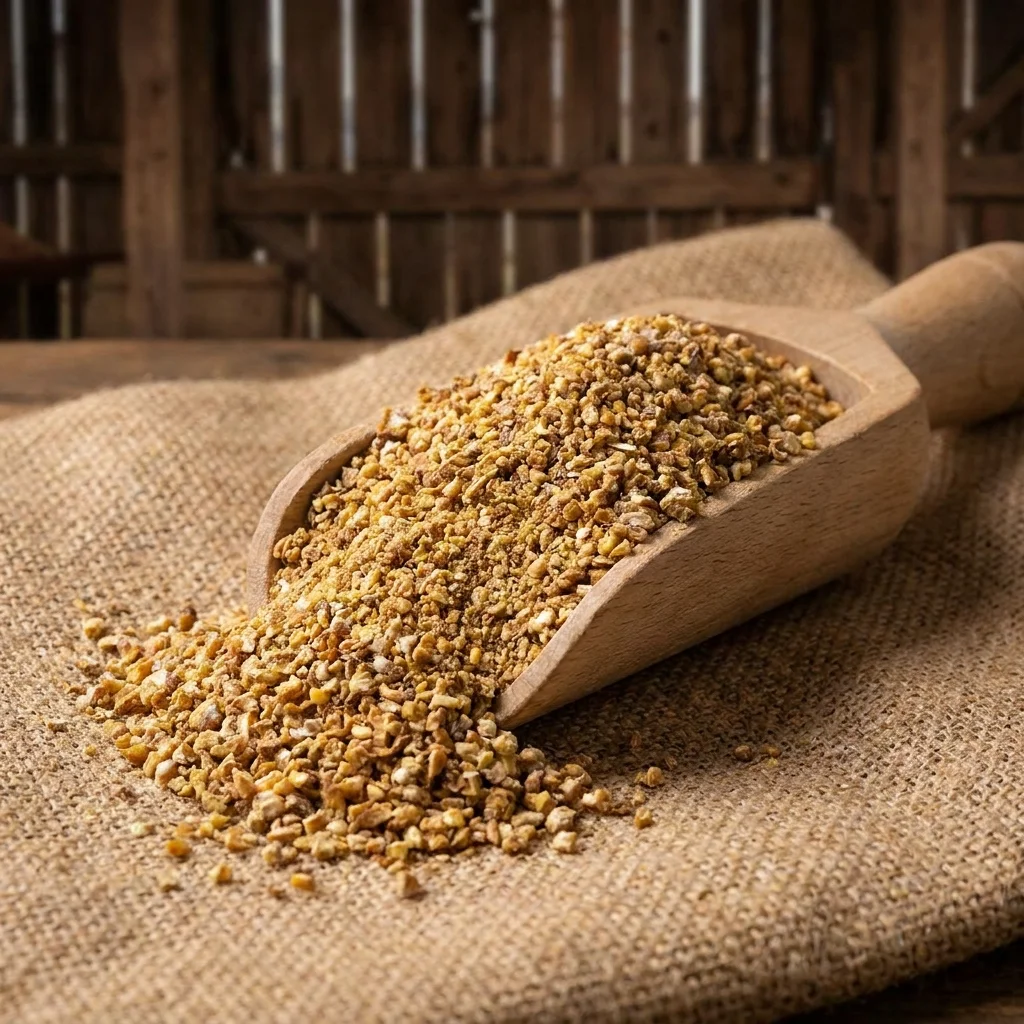 Agricultural Products
Corn cob crushed, meal and granules from Pakistan. Multiple particle s...
Inquire NowSubmit a Buying Requirement at DaaTrade.com
Submit Requirement