 Agricultural Products
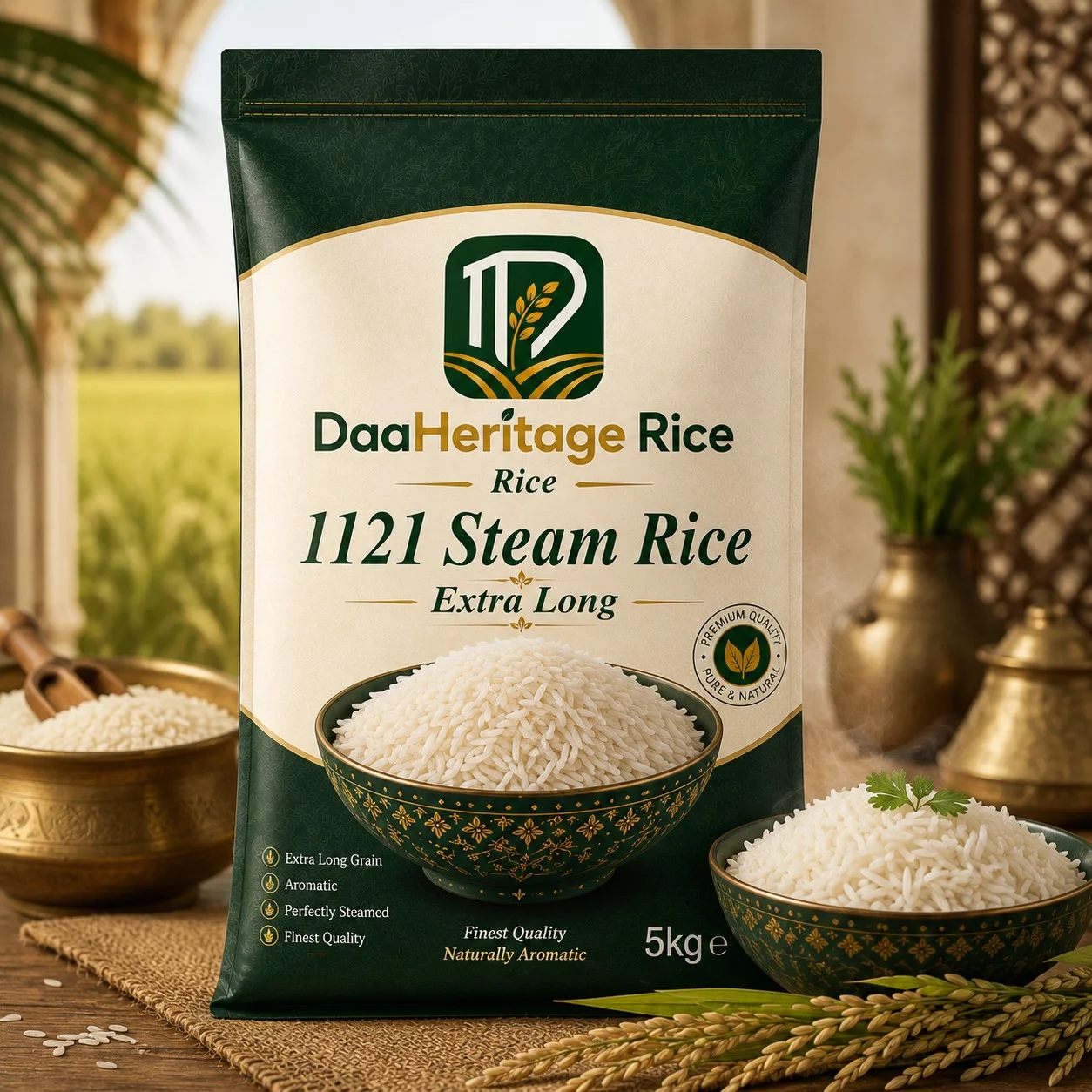
DaaHeritage 1121 Rice
DaaHeritage 1121 Basmati rice. Extra-long grain, available in White, S...
Inquire Now
Find minerals, agricultural goods and more
Pakistani wheat straw and rice straw for animal bedding, mushroom cultivation and industrial substrate use
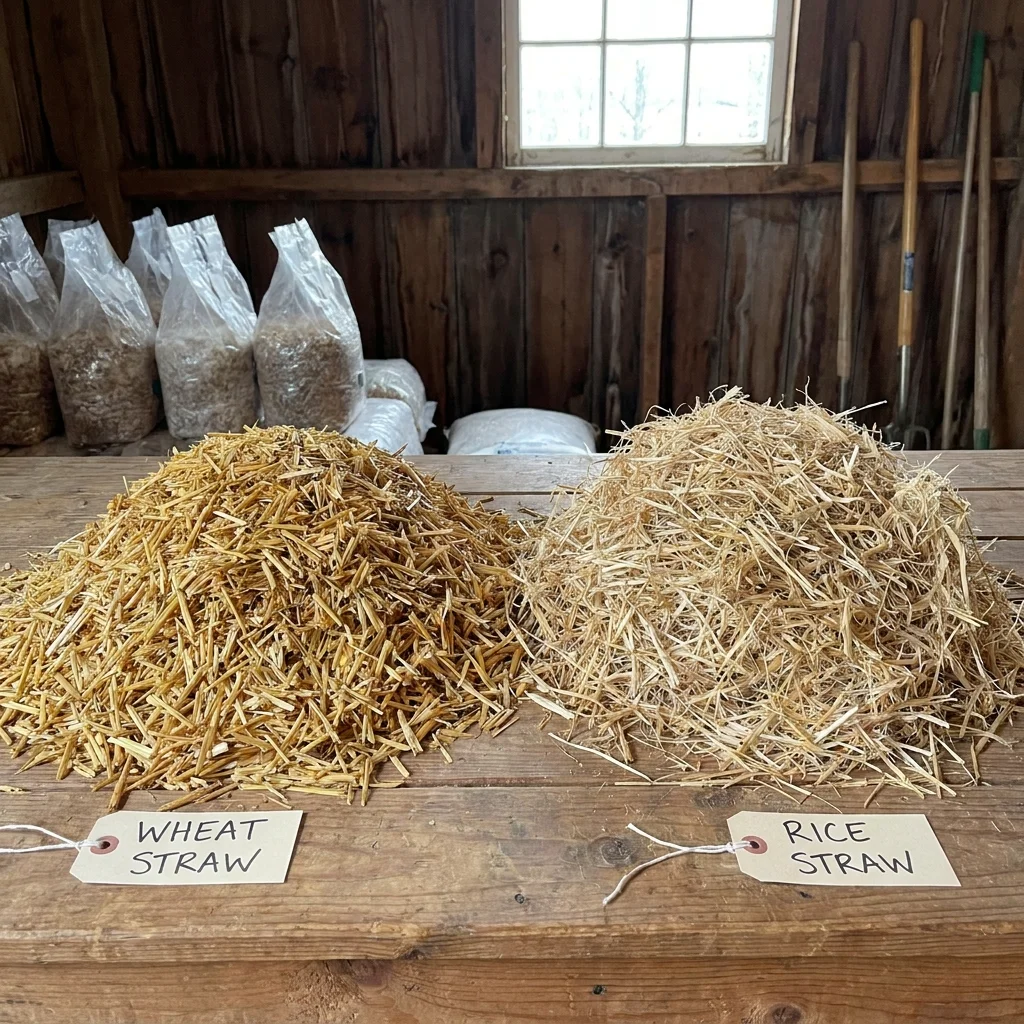
Wheat straw and rice straw from Pakistan. Baled and chopped. For bedding, mushroom substrate and composting. Price on inquiry, shipped from Karachi.
Cereal straw is the dry stem and leaf residue remaining after grain threshing. It is one of the most versatile and abundantly available agricultural byproducts in the world. Pakistan’s massive wheat and rice crops generate an estimated 50-60 million tonnes of combined straw annually. Wheat straw has a stiffer, hollow-stemmed structure with a golden-yellow colour, while rice straw is softer, finer-stemmed, and lighter in colour with a slightly silky texture. Both types serve overlapping but distinct substrate and bedding applications.
Wheat Straw
Crop: Wheat (Triticum aestivum)
Harvest Season: April-May
Moisture: 10-14%
Crude Protein: 3-5%
Crude Fibre: 35-42%
Cellulose: 35-40%
Hemicellulose: 20-28%
Lignin: 12-18%
Ash: 6-10%
Silica: 3-5%
Colour: Golden-yellow
Stem Structure: Stiff, hollow, 3-5 mm diameter
Rice Straw
Crop: Rice (Oryza sativa)
Harvest Season: October-November
Moisture: 10-14%
Crude Protein: 3-5%
Crude Fibre: 30-38%
Cellulose: 32-38%
Hemicellulose: 18-25%
Lignin: 10-15%
Ash: 12-18%
Silica: 8-14%
Colour: Light golden to pale straw
Stem Structure: Softer, finer, 2-4 mm diameter
Standard rectangular bales: 20-50 kg each
High-density compressed bales: 300-500 kg each
Chopped straw: 2-5 cm cut length (for mushroom substrate and composting)
Fine chop: < 2 cm (for bedding and substrate blends)
Loose bulk (for local delivery)
Animal Bedding:
Wheat straw is the traditional bedding material for horses, cattle, poultry, and small animals. Its stiff, hollow stems create a springy, absorbent bed that provides cushioning, insulation, and moisture absorption. Wheat straw absorbs 2-3x its weight in moisture
Rice straw is softer and finer, preferred as bedding for poultry (broiler litter), small animals, and young livestock where a softer surface is needed. Its higher silica content makes it more resistant to decomposition in the pen
Mushroom Cultivation Substrate:
Both straw types are pasteurized and used as the primary substrate for oyster mushroom, button mushroom, shiitake, and specialty mushroom cultivation. Straw provides the cellulose and hemicellulose that mushroom mycelium breaks down for nutrition
Wheat straw is the most widely used mushroom substrate globally due to its consistent quality and optimal cellulose-to-lignin ratio
Rice straw is preferred for certain tropical mushroom varieties and is widely used in Asian mushroom cultivation
Composting and Soil Amendment:
Both straw types are blended with nitrogen-rich materials (manure, green waste, food waste) to produce compost, mulch, and growing media
Straw provides the carbon-rich “brown” component essential for balanced composting
Erosion Control:
Straw mulch, straw wattles, and straw blankets are used for soil erosion control on construction sites, slopes, road cuts, and newly seeded landscapes
Rice straw is preferred for erosion control mats due to its finer, more flexible stems
Horticulture and Landscaping:
Straw mulch is applied around plants, trees, and garden beds to suppress weeds, retain soil moisture, and regulate soil temperature
Strawberry beds, vegetable gardens, and fruit orchards commonly use straw mulch
Paper and Packaging:
Both straw types are used as non-wood fibre feedstock for paper pulp, corrugated board, and moulded packaging production
Bioenergy Feedstock:
Chopped straw is used as raw material for briquette, pellet, and bio-coal manufacturing
Each lot is tested for moisture, crude fibre, ash, silica, and visual quality (colour, absence of mould, foreign matter, weeds). Pre-shipment samples are provided for buyer evaluation. Material is sourced from verified aggregators with consistent harvesting, drying, and baling practices. Phytosanitary certification and fumigation are arranged as per destination country requirements.
Detailed specifications are available on request. Send us your requirement and our export desk will share them.
Standard rectangular bales (20-50 kg each), stacked and strapped in containers
High-density compressed bales (300-500 kg each), mechanically loaded
Chopped straw in 25 kg or 50 kg PP bags, palletized
1 MT jumbo bags (for chopped straw)
Loading port: Karachi Port or Port Qasim. Containerized shipment. Straw is lightweight and voluminous, so high-density compression is essential for export. Typical load: 18-22 MT per 40ft container (compressed bales), 14-18 MT per 40ft container (standard bales). Incoterms: FOB, CFR, CIF. Documents: Commercial Invoice, Packing List, Certificate of Origin, Certificate of Quality, Phytosanitary Certificate, Fumigation Certificate, Bill of Lading.
Agricultural Products
DaaHeritage 1121 Basmati rice. Extra-long grain, available in White, S...
Inquire Now Agricultural Products
 Agricultural Products
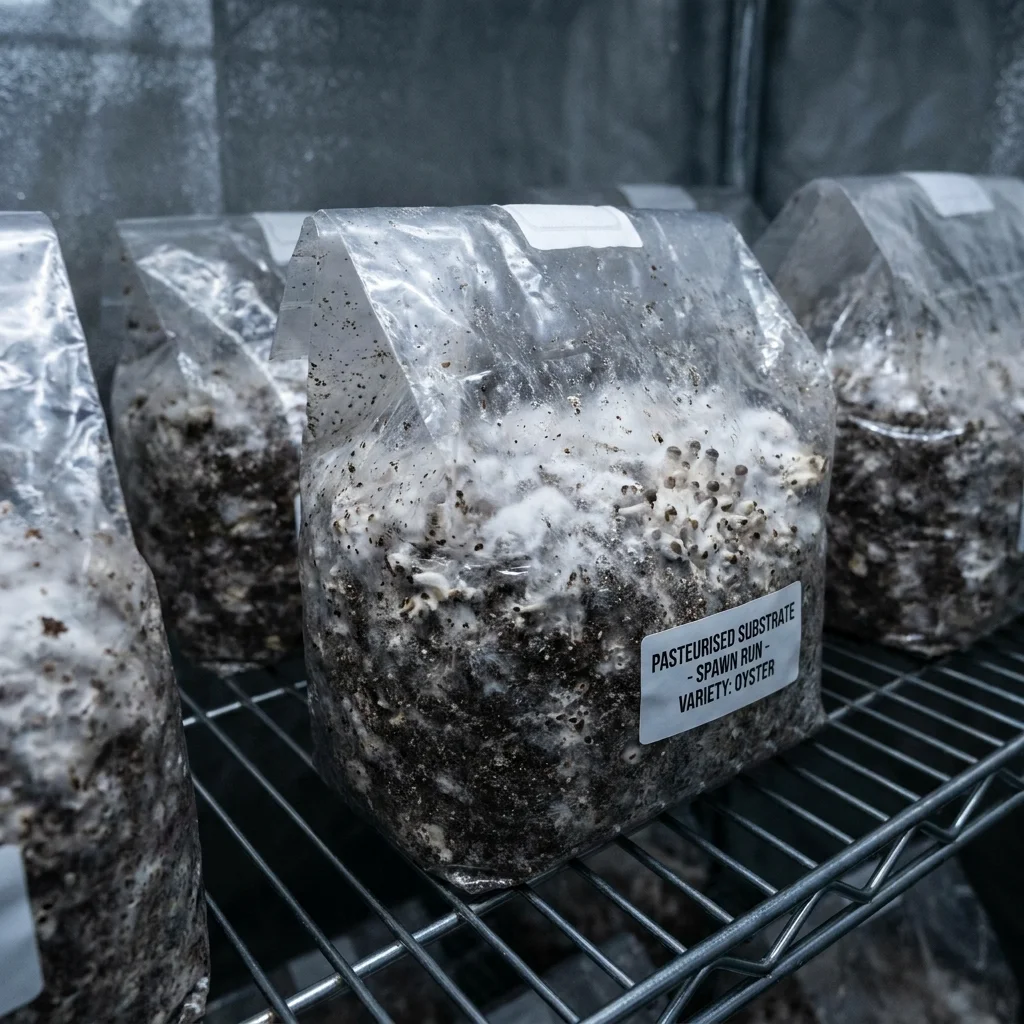
Mushroom grow bags from Pakistan. Pasteurised substrate and spawn-run...
Inquire Now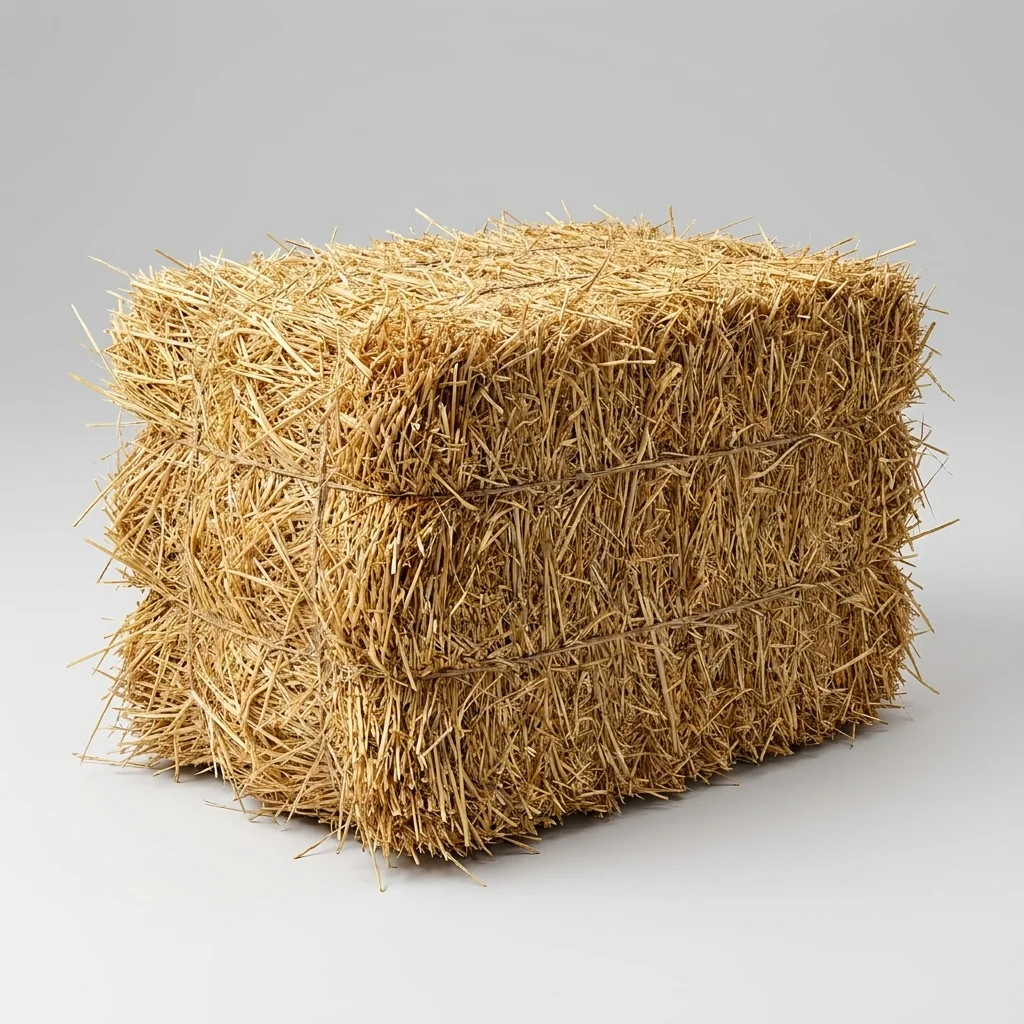 Agricultural Products
Submit a Buying Requirement at DaaTrade.com
Submit Requirement