 Agricultural Products
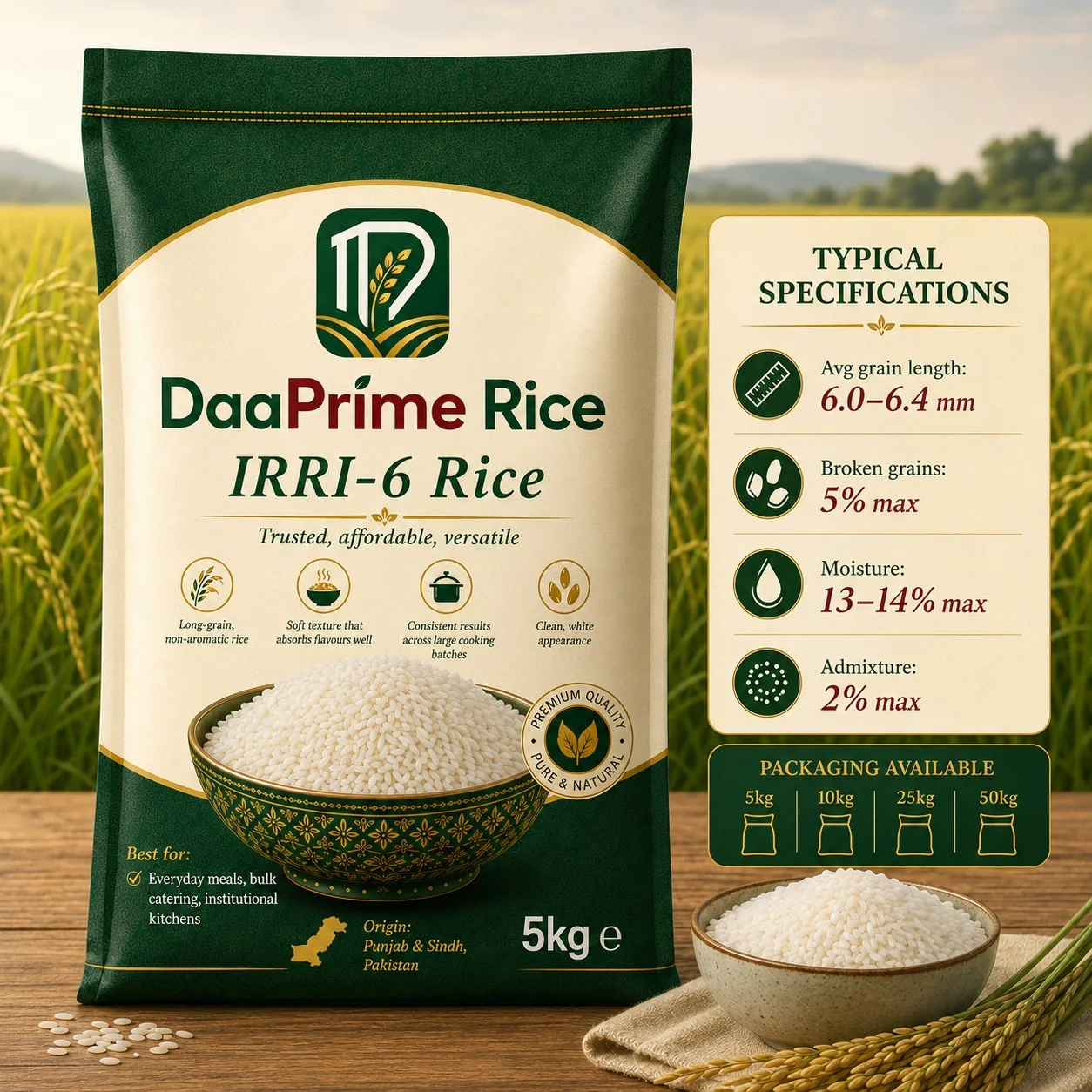
DaaPrime IRRI-6 Rice
DaaPrime IRRI-6 non-basmati rice. Long grain, soft texture, clean whit...
Inquire Now
Find minerals, agricultural goods and more
Torrefied biomass bio-coal from Pakistan, a renewable drop-in replacement for fossil coal
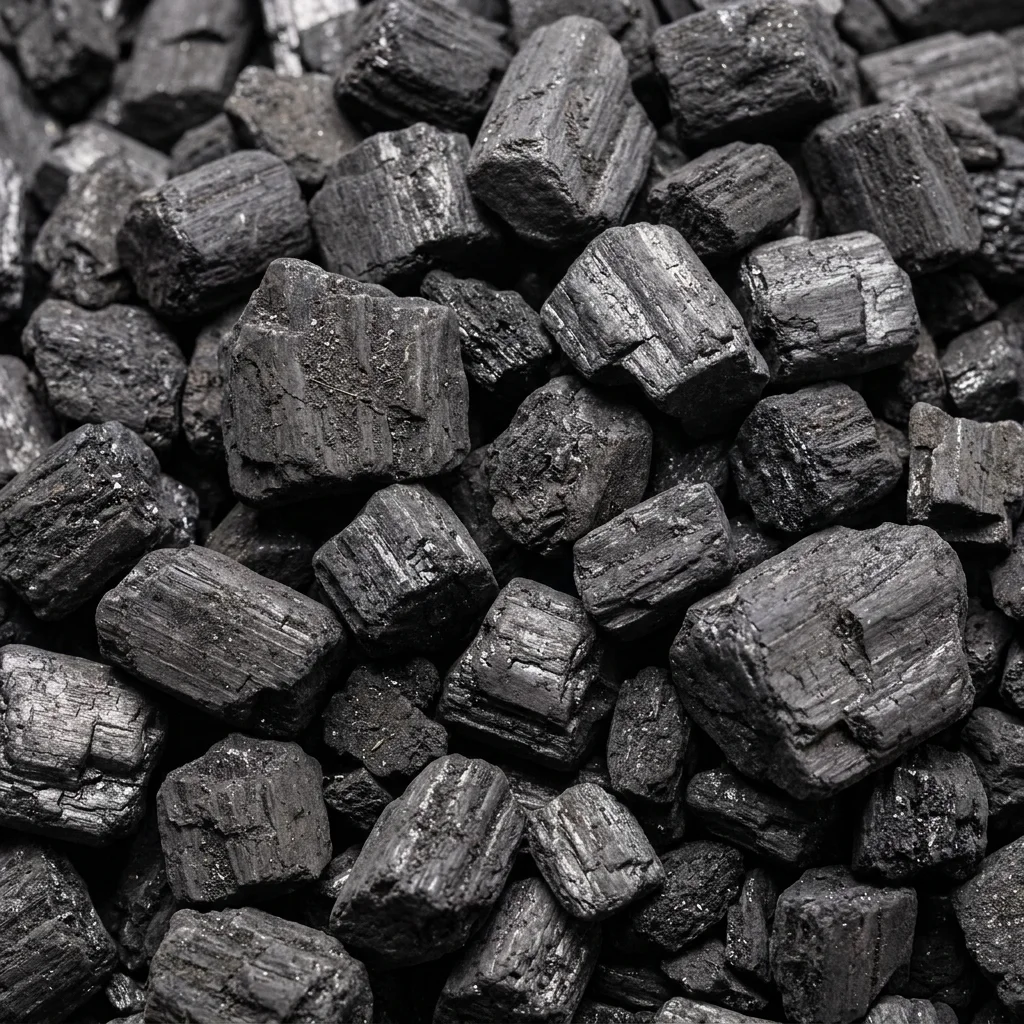
Bio-coal (torrefied biomass) from Pakistan. 4,500-5,500 kcal/kg. Lumps and briquettes. Price on inquiry, shipped from Karachi.
Bio-coal (also called torrefied biomass, biochar fuel, or black pellets/briquettes) is produced by heating biomass to 250-320°C in a low-oxygen or oxygen-free reactor for 30-60 minutes. This thermal treatment, called torrefaction, fundamentally changes the biomass structure: moisture is eliminated, hemicellulose is decomposed, and the remaining material becomes a dark, brittle, hydrophobic solid with properties closely resembling fossil coal. Bio-coal bridges the gap between raw biomass and coal, offering a renewable fuel that can be handled, stored, ground, and burned using existing coal infrastructure with minimal or no modifications.
Material: Torrefied agricultural/wood biomass
Calorific Value: 4,500-5,500 kcal/kg (feedstock and torrefaction degree-dependent)
Moisture: 1-5%
Ash Content: 3-12% (feedstock-dependent)
Volatile Matter: 55-70%
Fixed Carbon: 22-35%
Sulphur: < 0.1%
Chlorine: < 0.05%
Bulk Density: 500-750 kg/m³ (lumps), 800-1,100 kg/m³ (briquettes)
Grindability (HGI): 40-65 (comparable to sub-bituminous coal)
Hydrophobic: Yes (water-resistant, suitable for outdoor storage)
Colour: Dark brown to black
Odour: Mild smoky/woody
Bio-Coal Lumps
Irregular torrefied pieces, 10-50 mm
Produced by torrefying crushed biomass in batch or continuous reactors
Direct use in stoker-fired boilers, brick kilns, and furnaces
Bio-Coal Briquettes
Compressed torrefied biomass, 50-90 mm diameter cylinders
Produced by briquetting torrefied material for uniform size and higher density
Suitable for grate-fired boilers and industrial furnaces
Bio-Coal Pellets
6-8 mm diameter torrefied pellets (black pellets)
Produced by pelletizing torrefied material
Designed for pulverized coal boilers and automated feed systems
Sawdust/wood bio-coal: highest calorific value (5,000-5,500 kcal/kg), lowest ash
Corn cob bio-coal: 4,500-5,000 kcal/kg, low ash
Bagasse bio-coal: 4,200-4,800 kcal/kg
Rice husk bio-coal: 3,800-4,200 kcal/kg, higher ash
Mixed agri-waste bio-coal: 4,000-4,500 kcal/kg
Direct coal replacement in industrial boilers: Bio-coal is the closest biomass product to fossil coal in terms of calorific value, grindability, and handling properties. It can replace 10-100% of coal in existing industrial boiler systems with minimal modifications to fuel handling, storage, and combustion equipment
Coal co-firing in power plants: Bio-coal is co-fired with coal in thermal power stations to reduce carbon emissions and meet renewable energy mandates. Its coal-like grindability allows it to be pulverized and burned in existing coal mills and burners
Cement kiln alternative fuel: Bio-coal is used as an alternative fuel in cement rotary kilns, replacing a portion of coal or petcoke. Cement plants benefit from reduced fossil fuel costs and lower CO₂ emissions
Brick kiln fuel: Bio-coal replaces coal in brick kilns (Bull’s trench, zigzag, and tunnel kilns) with significantly lower sulphur emissions and comparable heat output
Metallurgical applications: Bio-coal is used as a reducing agent in small-scale metallurgical processes and as a substitute for coke breeze in sintering operations
Gasification: Torrefied biomass is an improved feedstock for biomass gasifiers, producing cleaner syngas with higher calorific value than raw biomass
Activated carbon production: Bio-coal serves as a precursor for producing activated carbon through further thermal activation
Carbon sequestration (biochar): When applied to soil instead of burned, bio-coal acts as a stable carbon sequestration medium (biochar), improving soil structure, water retention, and nutrient holding capacity while locking carbon for centuries
Each lot is tested for calorific value, moisture, ash content, volatile matter, fixed carbon, sulphur, chlorine, bulk density, and grindability index (HGI). Pre-shipment samples are provided for buyer evaluation. Material is sourced from verified torrefaction plants with controlled process parameters and consistent feedstock quality.
Detailed specifications are available on request. Send us your requirement and our export desk will share them.
25 kg or 50 kg woven polypropylene bags, palletized and shrink-wrapped
1 MT jumbo bags
Loose bulk in 20' or 40' containers
Shrink-wrapped pallets (approx. 1 MT per pallet)
Loading port: Karachi Port or Port Qasim. Containerized shipment. Bio-coal is hydrophobic and does not require moisture-barrier packaging like raw biomass, simplifying logistics. Typical load: 22-26 MT per 20ft container, 24-28 MT per 40ft container. Bio-coal is not classified as a dangerous good for shipping. Incoterms: FOB, CFR, CIF. Documents: Commercial Invoice, Packing List, Certificate of Origin, Certificate of Quality, Phytosanitary Certificate, Bill of Lading.
Agricultural Products
DaaPrime IRRI-6 non-basmati rice. Long grain, soft texture, clean whit...
Inquire Now Agricultural Products
 Agricultural Products
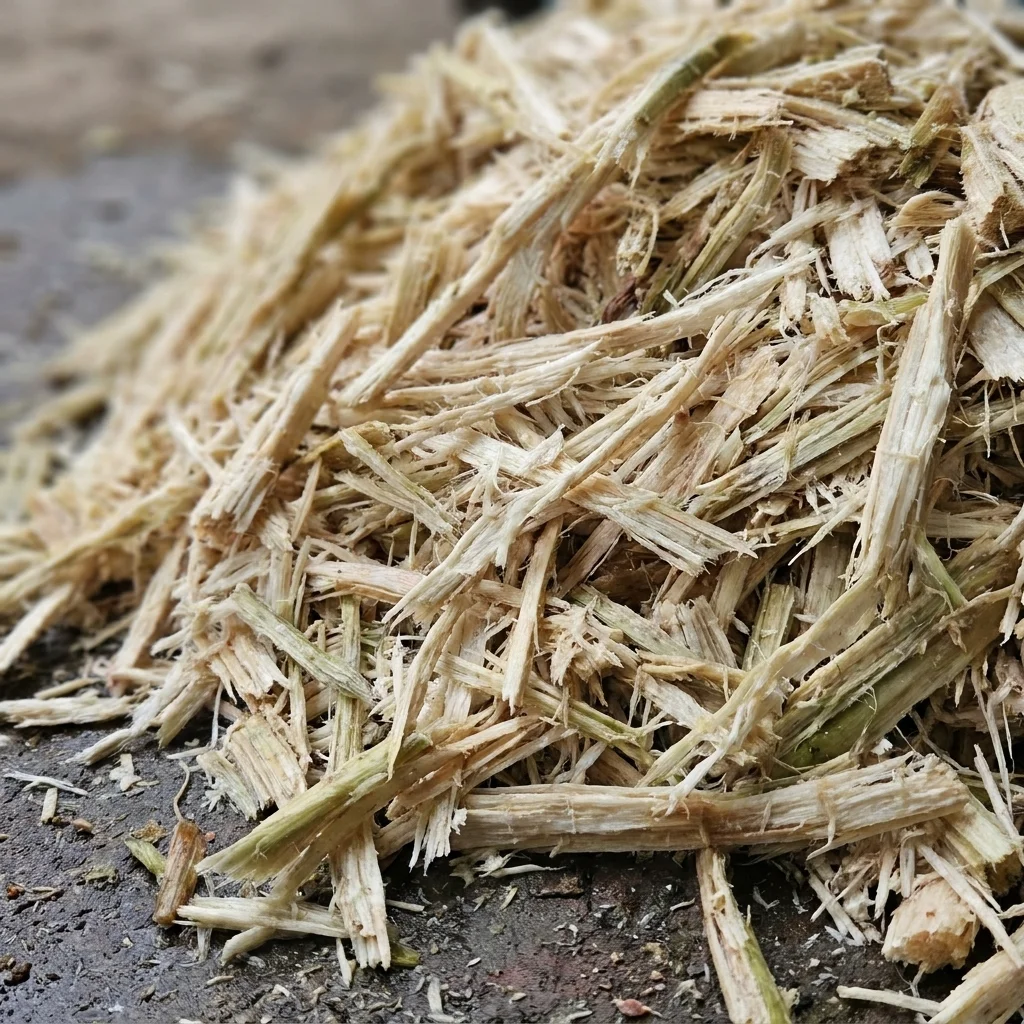
Sugarcane residues (bagasse) from Pakistan. Biomass fuel and industria...
Inquire Now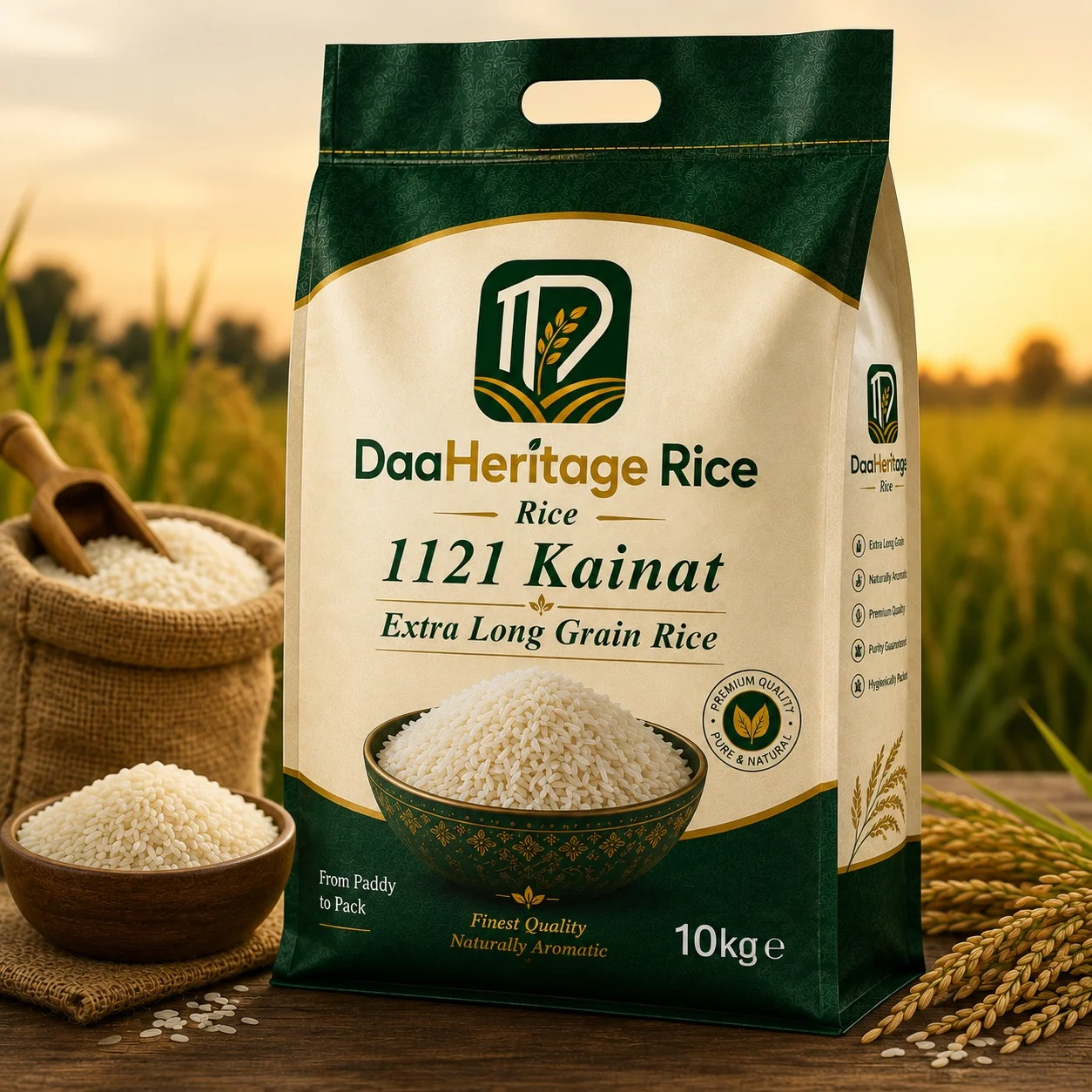 Agricultural Products
DaaHeritage 1121 Kainat extra-long grain rice. Naturally aromatic, pre...
Inquire NowSubmit a Buying Requirement at DaaTrade.com
Submit Requirement