
 Agricultural Products
Red Lentils (Masoor)
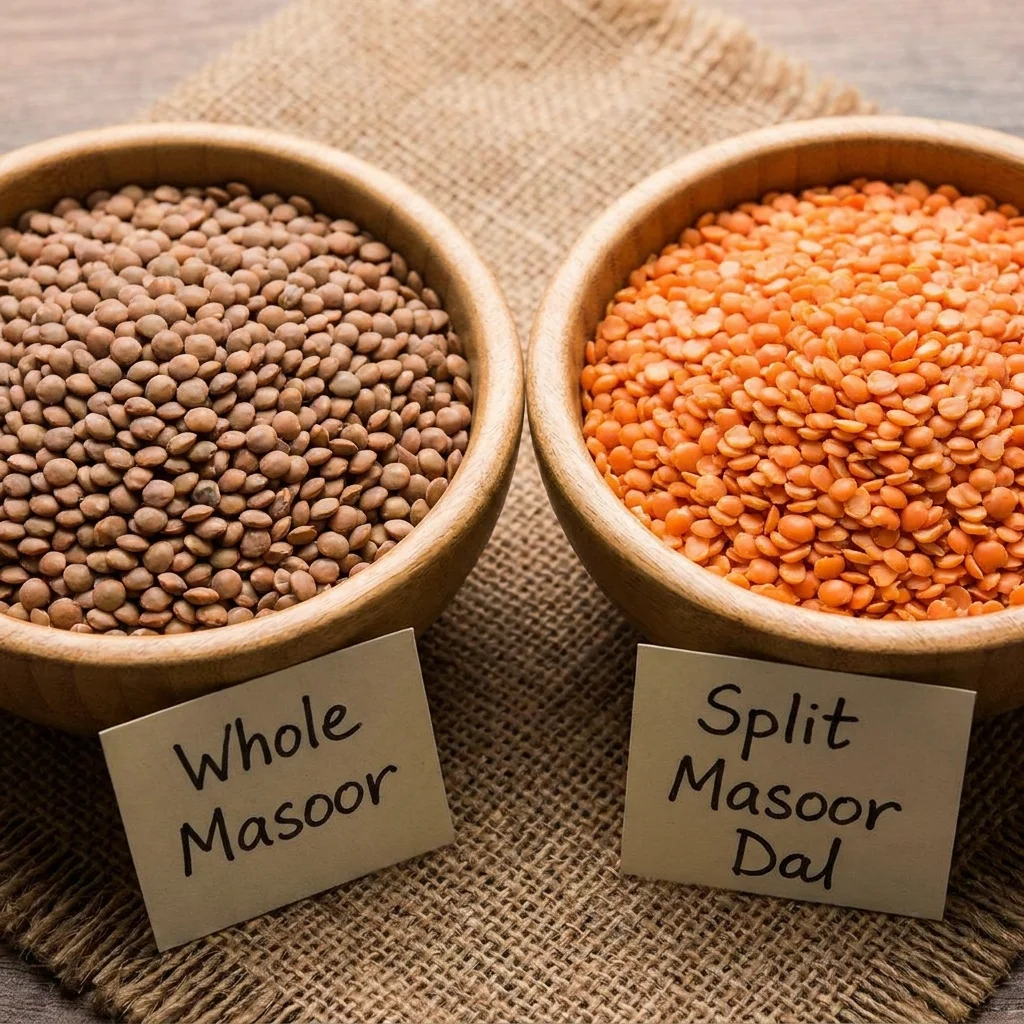
Pakistani red lentils (masoor) in Whole Masoor and Split Masoor Dal forms
Verified Supplier
Export Ready
Pakistan Origin
Pakistani red lentils (masoor) in Whole Masoor and Split Masoor Dal forms
Red Lentils (Masoor)
Red lentils (masoor) from Pakistan. Whole and split dal. Food grade. Bulk and private label. Price on inquiry, shipped from Karachi.
Fastest-Cooking Pulse
High Protein 24-28%
Two Processed Forms
Non-GMO
Product Details
Red Lentils (Masoor) from Pakistan
Red lentils are a cool-season pulse crop grown during the Rabi season (October-March) across Pakistan’s dryland and irrigated farming areas. The lentil has a distinctive brown to dark olive skin with a bright orange-red interior. Red lentils are the fastest-cooking pulse, breaking down into a smooth, creamy consistency in 15-20 minutes without soaking, making them the most convenient pulse for everyday cooking. They are a dietary staple across South Asia, the Middle East, North Africa, Turkey, and increasingly popular in Western health food markets as a plant-based protein source.
Specifications
Whole Masoor (Sabut Masoor)
Form: Whole lentil, brown skin intact
Colour: Brown to dark olive (exterior), orange-red (interior)
Size: 4-6 mm diameter
Protein: 24-26%
Moisture: 10-12% max
Purity: 98-99%
Foreign Matter: < 1%
Damaged/Discoloured: < 2%
Weevil Damage: < 1%
Non-GMO
Split Masoor Dal (Red Lentil Split)
Form: Hulled and split, skin removed
Colour: Bright orange-red to salmon
Protein: 25-28%
Moisture: 10-12% max
Purity: 98-99.5%
Broken/Powder: < 3%
Oil Polished: Available (for bright, glossy finish)
Non-GMO
Two Forms Explained
Whole Masoor (Sabut Masoor)
The complete lentil with its brown seed coat intact. Whole masoor has a more robust, earthy flavour and holds its shape better when cooked compared to the split form. It takes slightly longer to cook (25-35 minutes) and is used in hearty dal preparations, soups, stews, and salads where a firmer lentil texture is desired. Whole masoor retains the highest fibre content due to the intact hull.
Split Masoor Dal (Red Lentil Split)
Produced by removing the brown hull and splitting the lentil, revealing the bright orange-red interior. Split Masoor Dal is the fastest-cooking pulse available, dissolving into a smooth, creamy consistency in just 15-20 minutes with no pre-soaking. It turns golden-yellow when cooked. This convenience and smooth texture make it the most widely consumed dal in South Asian households and the most internationally traded lentil product. It is also the base for Turkish mercimek corbasi (red lentil soup), Middle Eastern shorbat adas, and Egyptian koshari.
Industrial Uses
Dal cooking: Split Masoor Dal is the everyday dal in millions of South Asian households, cooked with spices as a protein-rich accompaniment to rice and bread. Its fast cooking time and smooth texture make it the most convenient pulse for daily meals
Soups and stews: Red lentils are the most popular pulse for soup making worldwide. Turkish red lentil soup (mercimek corbasi), Middle Eastern shorbat adas, Egyptian koshari, Ethiopian misir wot, and British red lentil soup all use split masoor as the base
Canned lentils: Split and whole masoor are cooked and canned for retail and food service. Canned lentils are a growing convenience food segment in Western supermarkets
Ready-to-eat meals: Red lentils are a key ingredient in ready-to-eat dal, lentil curry, and microwaveable meal products
Lentil flour: Split masoor is milled into red lentil flour for gluten-free baking, pasta, crackers, and protein-enriched food products. Red lentil pasta is one of the fastest-growing gluten-free pasta categories
Plant-based protein: Red lentil protein is extracted and used in plant-based meat alternatives, protein bars, protein powders, and vegan food products
Baby food and clinical nutrition: Split masoor’s smooth, easily digestible consistency makes it a common ingredient in infant weaning foods and clinical nutrition products
Snack food: Fried and seasoned masoor dal is used in savoury snack mixes and as a standalone crunchy snack
Food aid and relief: Red lentils are a standard specification pulse for government food programs, UN WFP, and humanitarian relief shipments due to their fast cooking time, high nutrition, and long shelf life
Animal feed: Off-grade masoor and masoor hulls are used as protein and fibre ingredients in animal feed
Quality Assurance
Each lot includes a Certificate of Quality reporting protein, moisture, purity, foreign matter, damaged grains, weevil damage, broken/powder percentage, aflatoxin, and non-GMO status. Phytosanitary certification, fumigation certificate, health certificate, and SGS/Intertek inspection can be arranged. Pre-shipment samples are provided for buyer approval.
Why Source From Pakistan?
Pakistan cultivates red lentils (masoor) across its northern and western agricultural zones, producing both whole and split forms for domestic consumption and export. Pakistani masoor has good seed size, uniform colour, and high protein content. Competitive pricing, an established dal milling industry, and efficient export logistics through Karachi port make Pakistan a reliable supply source for pulse importers, food manufacturers, and soup/dal producers across the Middle East, Europe, Africa, and East Asia. Both forms are available from one origin, simplifying procurement. DaaTrade manages sourcing, milling specification, quality testing, packaging, documentation and shipment through one export desk.
Specifications
Detailed specifications are available on request. Send us your requirement and our export desk will share them.
Packaging & Shipping
Packaging
Bulk packaging:
25 kg or 50 kg woven polypropylene bags, palletized and shrink-wrapped
25 kg multi-wall paper sacks (food-grade, premium markets)
1 MT jumbo bags
Retail and private label packaging:
500 g, 1 kg, 2 kg, 5 kg retail pouches and bags
Custom packaging design and private label available
Shipping
Loading port: Karachi Port or Port Qasim. Containerized shipment in 20' or 40' containers. Approx. 22-25 MT per 20ft container (in bags). Incoterms: FOB, CFR, CIF, DDP. Documents: Commercial Invoice, Packing List, Certificate of Origin, Certificate of Quality, Phytosanitary Certificate, Fumigation Certificate, Health Certificate (if required), Non-GMO Certificate, Weight Certificate, Bill of Lading.
Frequently Asked Questions
A: Whole Masoor is the complete lentil with its brown skin intact, offering a firmer texture and earthier flavour when cooked (25-35 minutes). Split Masoor Dal has the hull removed and is split into halves, revealing a bright orange-red interior that cooks in just 15-20 minutes and dissolves into a smooth, creamy golden-yellow consistency. Split dal is the most widely consumed form globally due to its fast cooking and versatile texture. Whole masoor is preferred for soups, stews, and salads where a firmer lentil shape is desired.
A: Yes. Split Masoor Dal is the standard raw material for red lentil soup production worldwide, including Turkish mercimek corbasi, Middle Eastern shorbat adas, and Western-style red lentil soup. Its ability to dissolve into a smooth, creamy consistency without any blending makes it the ideal soup pulse. For industrial soup production, we recommend 99-99.5% purity with less than 3% broken to ensure consistent soup texture. Pre-shipment samples are provided for production trials.
A: Yes. We regularly supply mixed-form containers for importers stocking both whole masoor and split dal. Each form is separately bagged and labeled. You can also combine red lentils with other pulses (chickpeas, moong, mash), sesame seeds, and grain products in the same container. Specify the form, purity level, and quantity split when submitting your requirement.
Agricultural Products
 Agricultural Products
 Agricultural Products
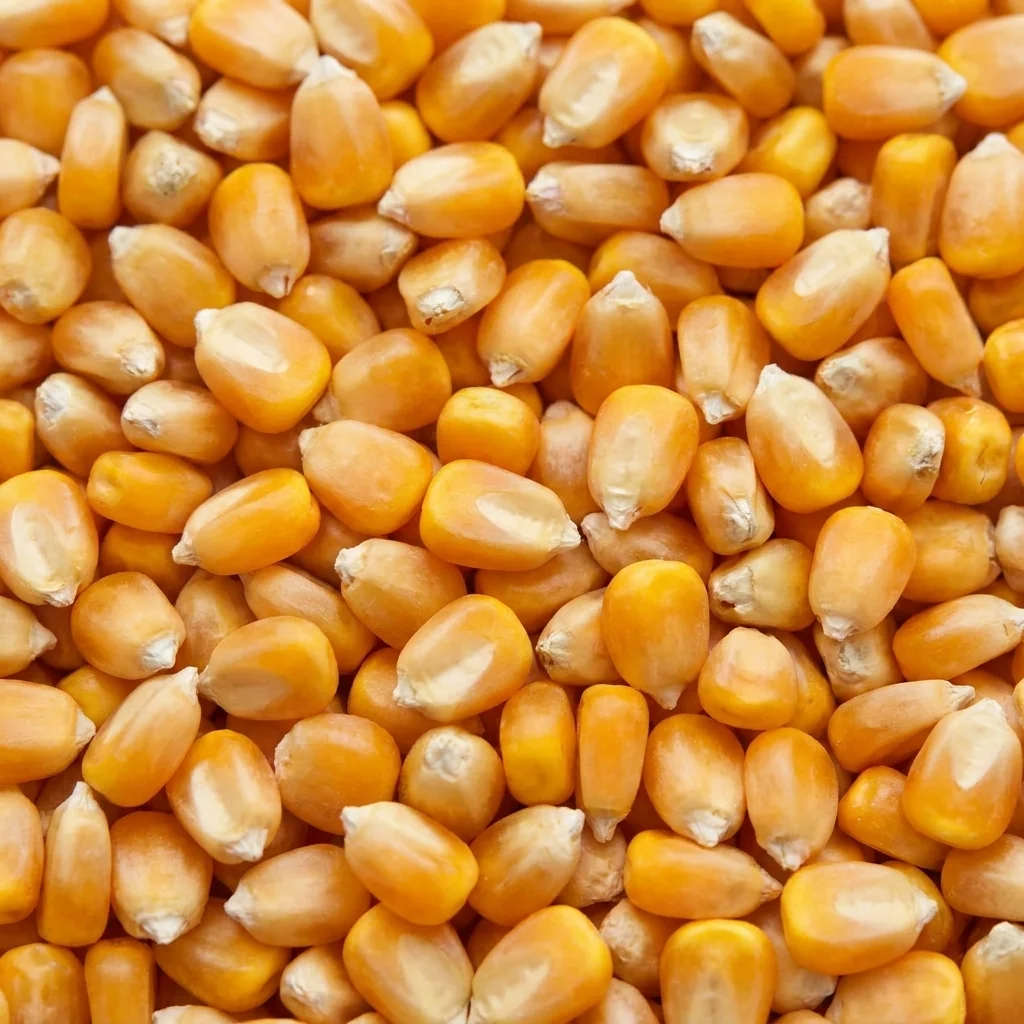
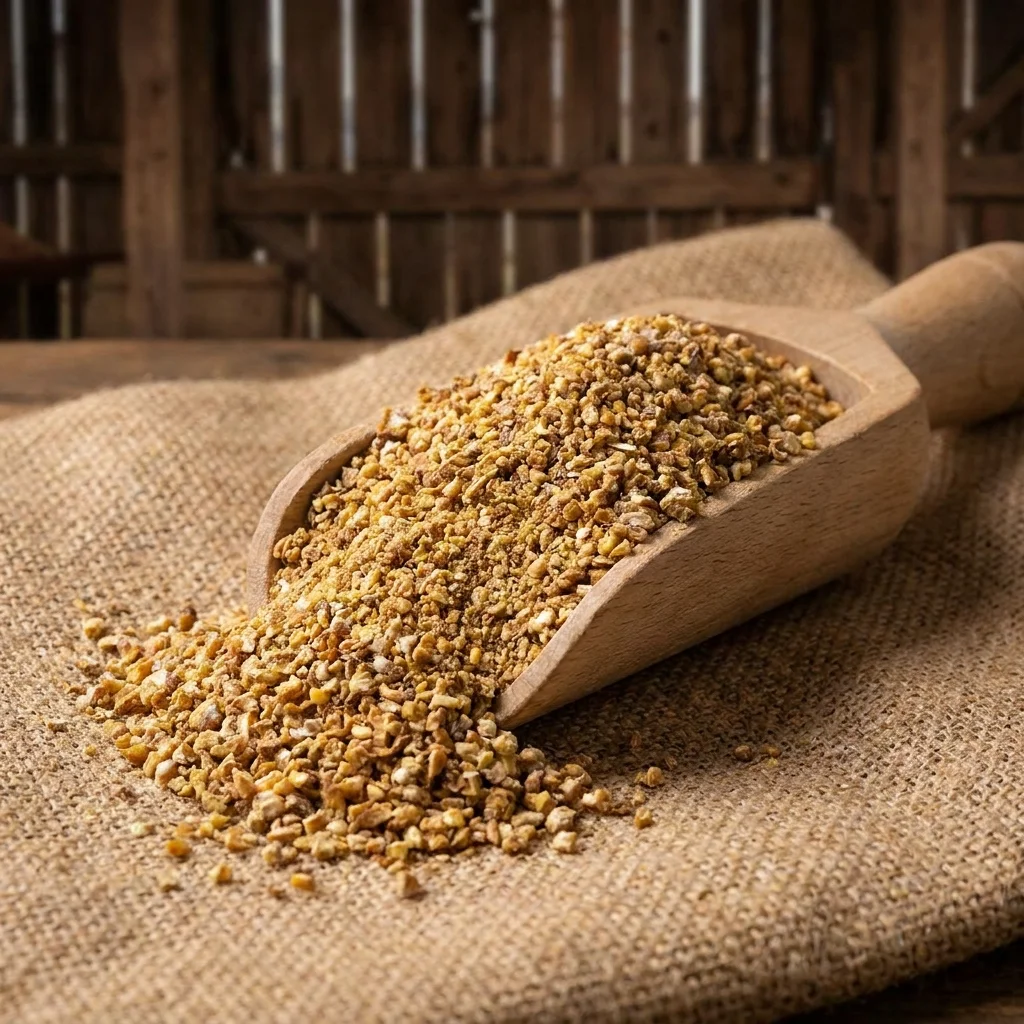
Corn Cob Products
Corn cob crushed, meal and granules from Pakistan. Multiple particle s...
Inquire Now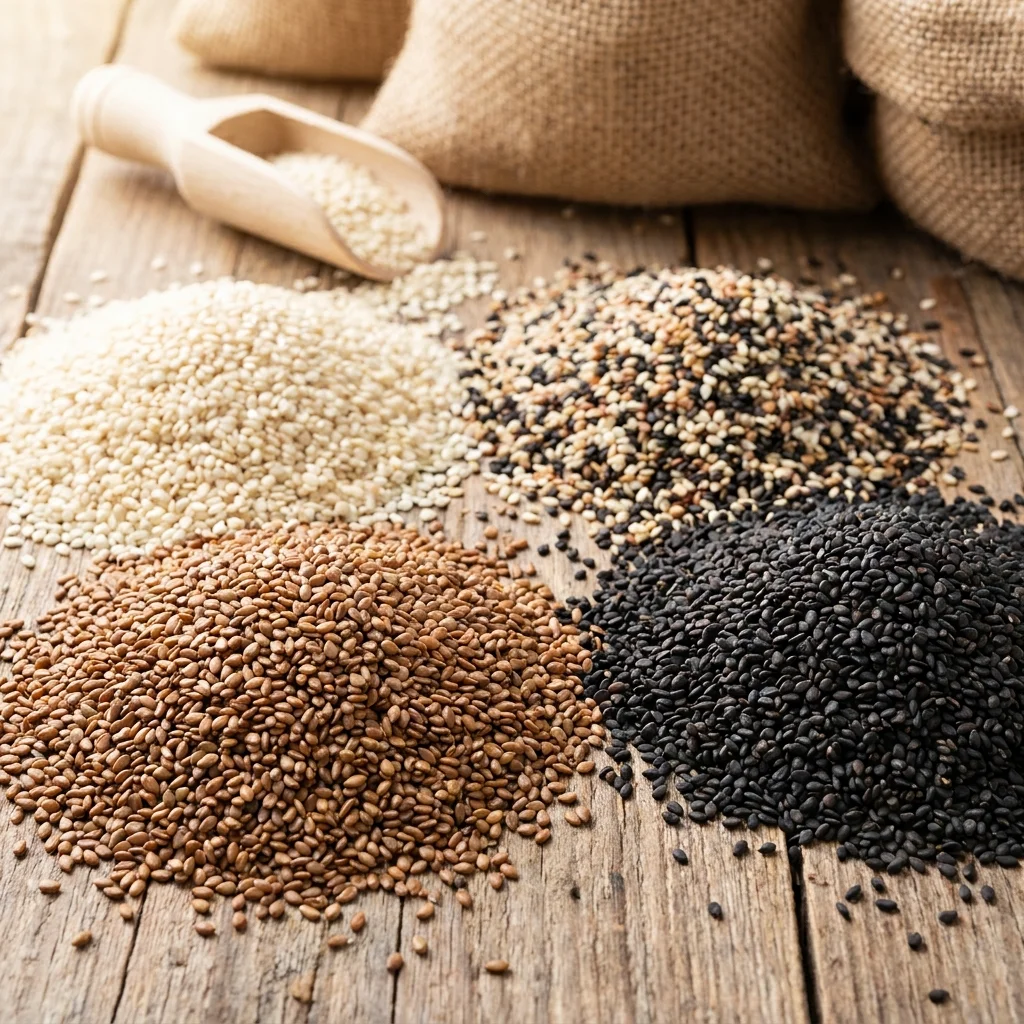 Agricultural Products
Natural Sesame Seeds
Natural sesame seeds from Pakistan. White, brown, black and mixed vari...
Inquire NowVerified
SuppliersNo
unconfirmed contacts
Global ReachFrom
Pakistan to
your destination
Fast ResponseWithin
24
hours
Looking for a product from Pakistan?
Submit a Buying Requirement at DaaTrade.com
Submit Requirement