 Agricultural Products
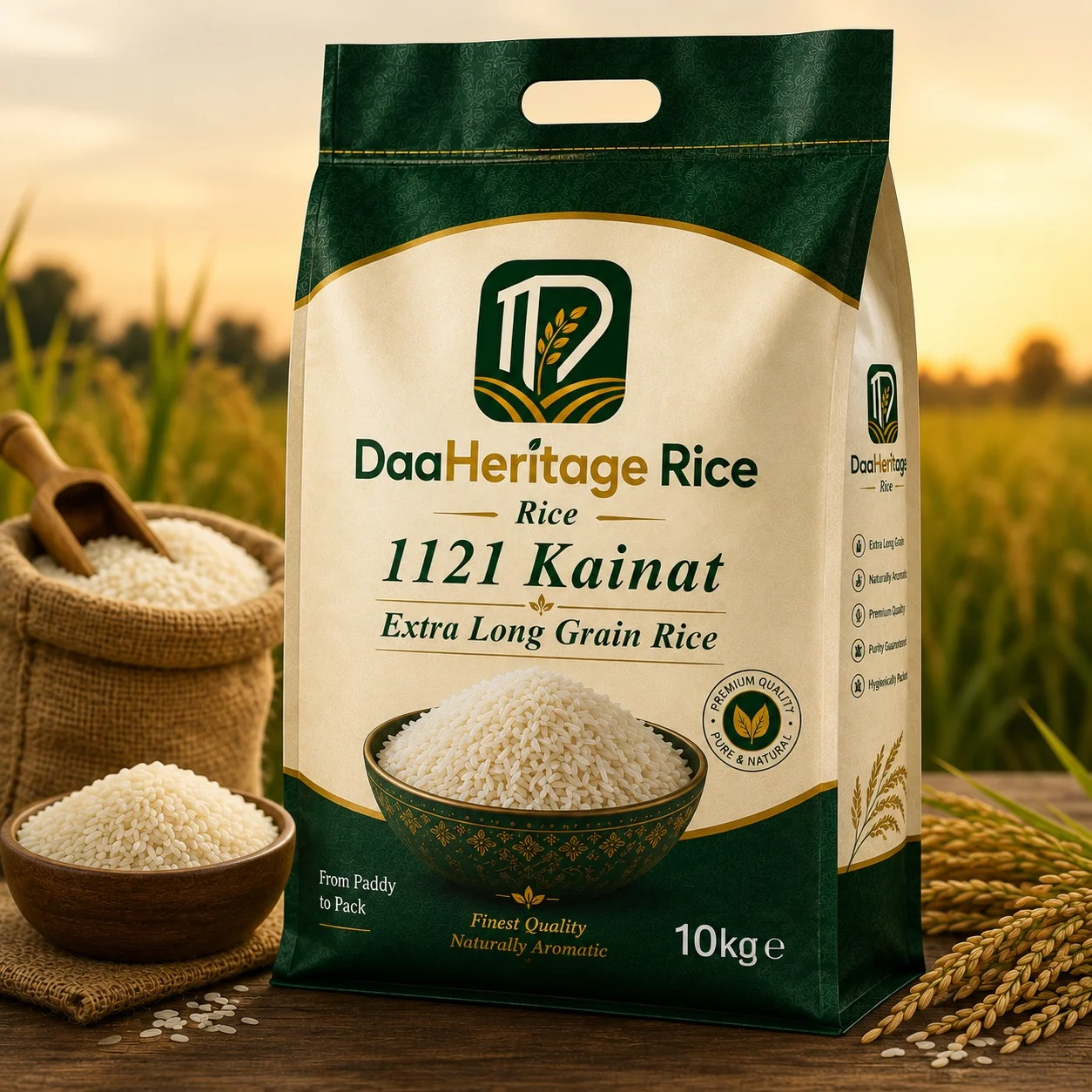
DaaHeritage 1121 Kainat
DaaHeritage 1121 Kainat extra-long grain rice. Naturally aromatic, pre...
Inquire Now
Find minerals, agricultural goods and more
Pakistani mung beans in Whole Moong, Split Moong Dal and Washed Moong Dal forms
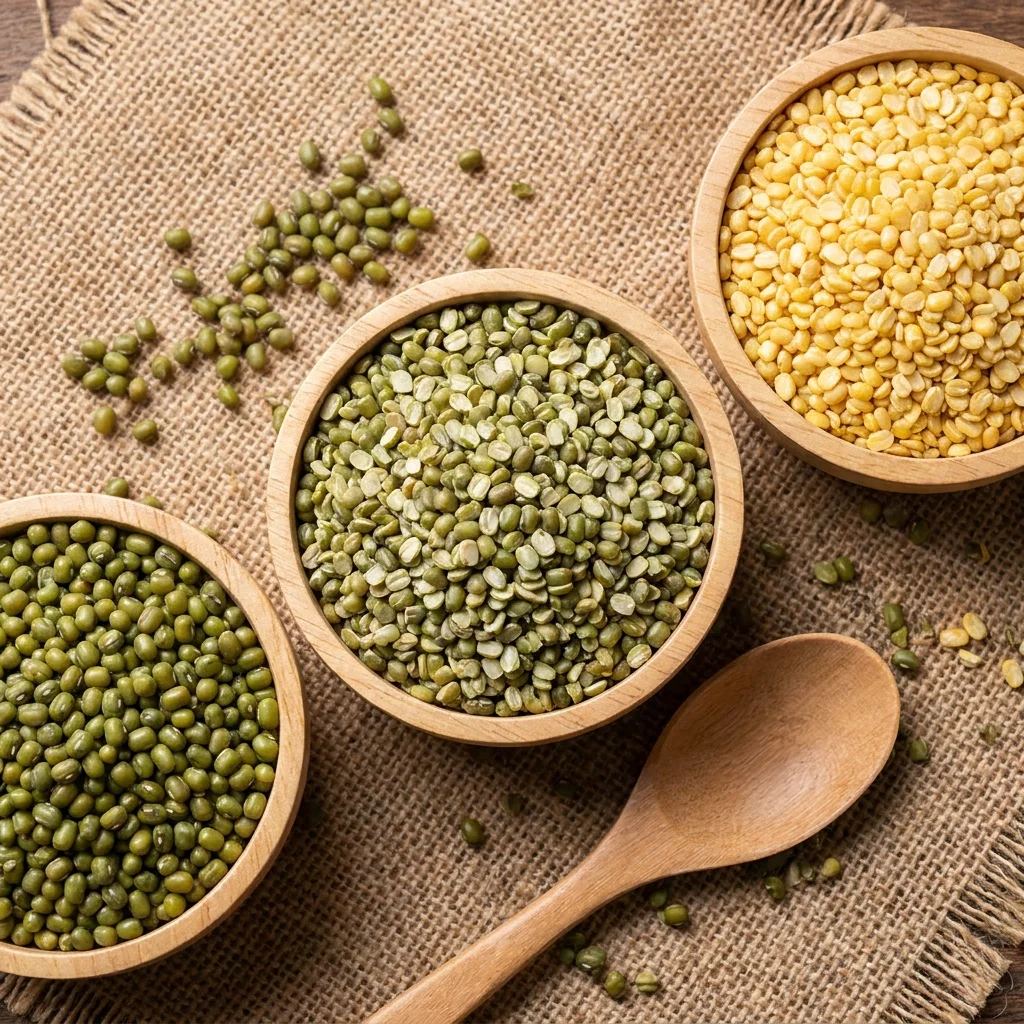
Mung beans from Pakistan. Whole, split and washed dal. Food grade. Bulk and private label. Price on inquiry, shipped from Karachi.
Mung beans (also called green gram or moong) are a warm-season pulse crop grown during the Kharif season (June-October) across Pakistan. They are one of the most easily digestible pulses, making them a preferred protein source for all age groups including infants, the elderly, and convalescents. Pakistan produces mung beans in commercial volumes with good seed size, uniform green colour, and high protein content. The beans are processed into three distinct commercial forms at dedicated dal mills, each serving different culinary traditions and market segments.
Whole Moong (Sabut Moong)
Form: Whole bean, green skin intact
Colour: Bright olive-green to dark green
Size: 3-5 mm diameter
Protein: 22-25%
Moisture: 10-12% max
Purity: 98-99%
Foreign Matter: < 1%
Damaged/Discoloured: < 2%
Weevil Damage: < 1%
Non-GMO
Split Moong Dal (Moong Chilka)
Form: Split with green skin partially attached
Colour: Green and yellow (mixed, skin visible on one side)
Protein: 23-26%
Moisture: 10-12% max
Purity: 98-99%
Broken/Powder: < 3%
Non-GMO
Washed Moong Dal (Dhuli Moong)
Form: Fully hulled and split, skin completely removed
Colour: Bright yellow
Protein: 24-28%
Moisture: 10-12% max
Purity: 98-99.5%
Broken/Powder: < 3%
Oil Polished: Available (for bright, glossy finish)
Non-GMO
Whole Moong (Sabut Moong)
The complete bean with its green seed coat intact. Whole moong has the highest fibre content and a firm, slightly chewy texture when cooked. It is used in traditional South Asian curries, sprouted for salads and stir-fries, and in East Asian desserts (mung bean paste). Whole moong takes the longest to cook of the three forms and has the most robust, earthy flavour.
Split Moong Dal (Moong Chilka)
Produced by splitting whole moong beans without fully removing the green hull. The split halves retain some of the green skin on the outer surface, giving them a distinctive green-and-yellow appearance. Split Moong Dal cooks faster than whole moong, has a slightly lighter texture, and retains some of the fibre and nutrients from the hull. It is used in dal, soups, khichdi, and as a base for savoury snacks.
Washed Moong Dal (Dhuli Moong)
Produced by completely removing the green hull and splitting the bean, revealing the bright yellow interior. Washed Moong Dal is the most refined, fastest-cooking, and easiest-to-digest form. It has a smooth, creamy texture when cooked, making it ideal for baby food, hospital diets, and dishes requiring a silky consistency. It is the most widely traded form of processed moong in international markets.
Dal and pulse cooking: All three forms are cooked as dal (lentil soup) across South Asia, the Middle East, and East Africa. Washed Moong Dal produces the smoothest, creamiest dal. Split and whole moong are used in heartier preparations
Sprouting: Whole moong beans are the most popular pulse for sprouting. Mung bean sprouts are used in salads, stir-fries, sandwiches, spring rolls, and Asian cuisine. Sprouting increases vitamin C, B vitamins, and bioavailability of nutrients
Baby food and clinical nutrition: Washed Moong Dal is one of the most easily digestible pulses and is widely used in infant weaning foods, baby cereal formulations, and clinical nutrition products for patients requiring soft, high-protein diets
Mung bean paste and desserts: Whole and washed moong are boiled, mashed, and sweetened to make mung bean paste, a key filling in East Asian confectionery (mooncakes, mochi, taiyaki, banh)
Mung bean noodles (glass noodles): Mung bean starch extracted from washed moong is used to produce transparent cellophane noodles (glass noodles, vermicelli) popular in Chinese, Korean, Thai, and Vietnamese cuisine
Snack food: Split and washed moong dal are fried, seasoned, and packaged as crunchy moong dal snacks, namkeen, and savoury mixtures
Flour and batter: Moong dal is ground into flour for making cheela (savoury pancakes), dosa batter, papadum, and gluten-free baking
Khichdi and congee: Washed moong dal cooked with rice produces khichdi (South Asian comfort food) and congee-style porridge, both considered healing and easily digestible meals
Animal feed: Off-grade moong and moong bean hulls are used as protein and fibre ingredients in animal feed
Each lot includes a Certificate of Quality reporting protein, moisture, purity, foreign matter, damaged grains, weevil damage, broken/powder percentage, aflatoxin, and non-GMO status. Phytosanitary certification, fumigation certificate, health certificate, and SGS/Intertek inspection can be arranged. Pre-shipment samples are provided for buyer approval.
Detailed specifications are available on request. Send us your requirement and our export desk will share them.
Bulk packaging:
25 kg or 50 kg woven polypropylene bags, palletized and shrink-wrapped
25 kg multi-wall paper sacks (food-grade, premium markets)
1 MT jumbo bags
Retail and private label packaging:
500 g, 1 kg, 2 kg, 5 kg retail pouches and bags
Custom packaging design and private label available
Loading port: Karachi Port or Port Qasim. Containerized shipment in 20' or 40' containers. Approx. 22-25 MT per 20ft container (in bags). Incoterms: FOB, CFR, CIF, DDP. Documents: Commercial Invoice, Packing List, Certificate of Origin, Certificate of Quality, Phytosanitary Certificate, Fumigation Certificate, Health Certificate (if required), Non-GMO Certificate, Weight Certificate, Bill of Lading.
Agricultural Products
DaaHeritage 1121 Kainat extra-long grain rice. Naturally aromatic, pre...
Inquire Now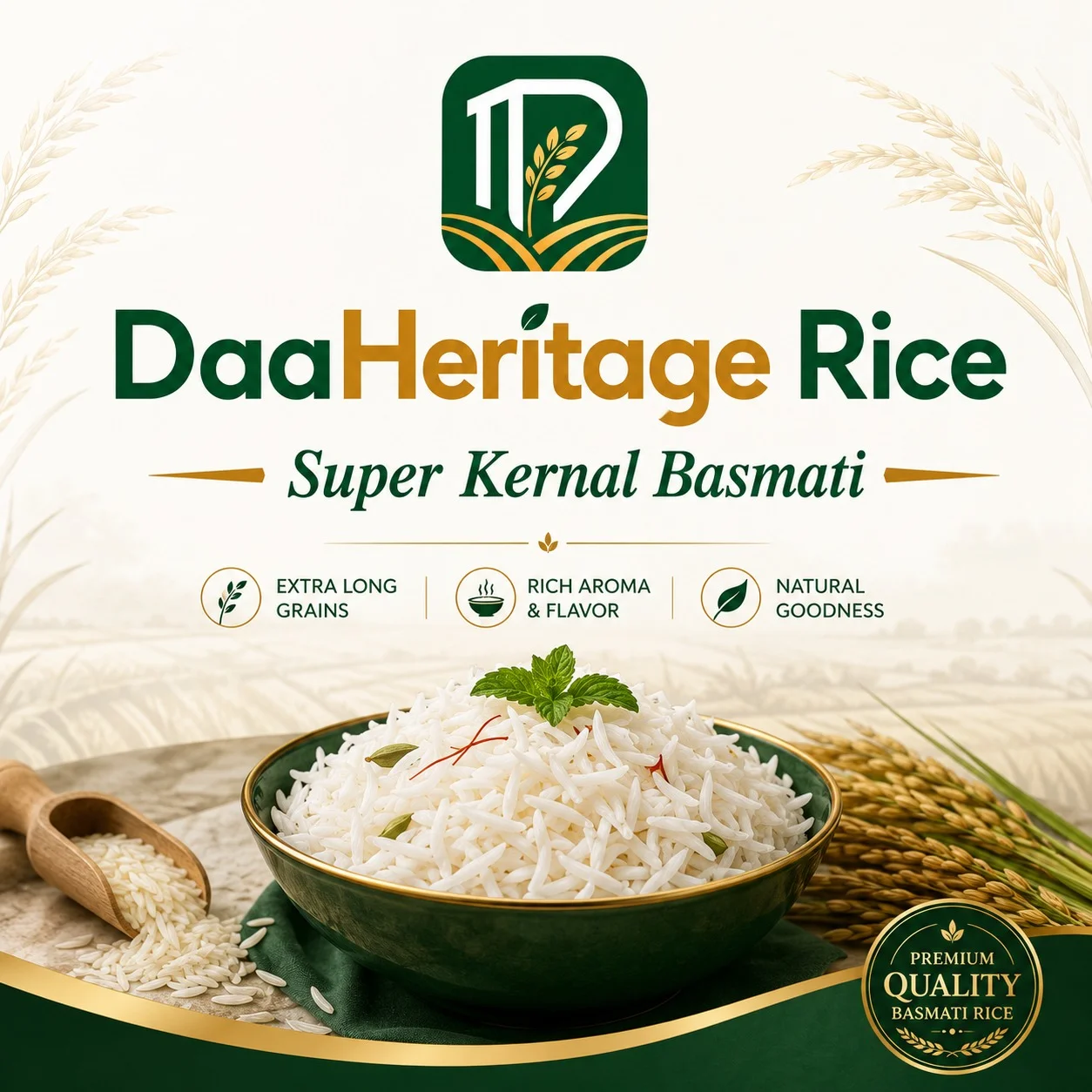 Agricultural Products
Super Kernel Basmati rice from Pakistan. Extra-long grain, rich aroma....
Inquire Now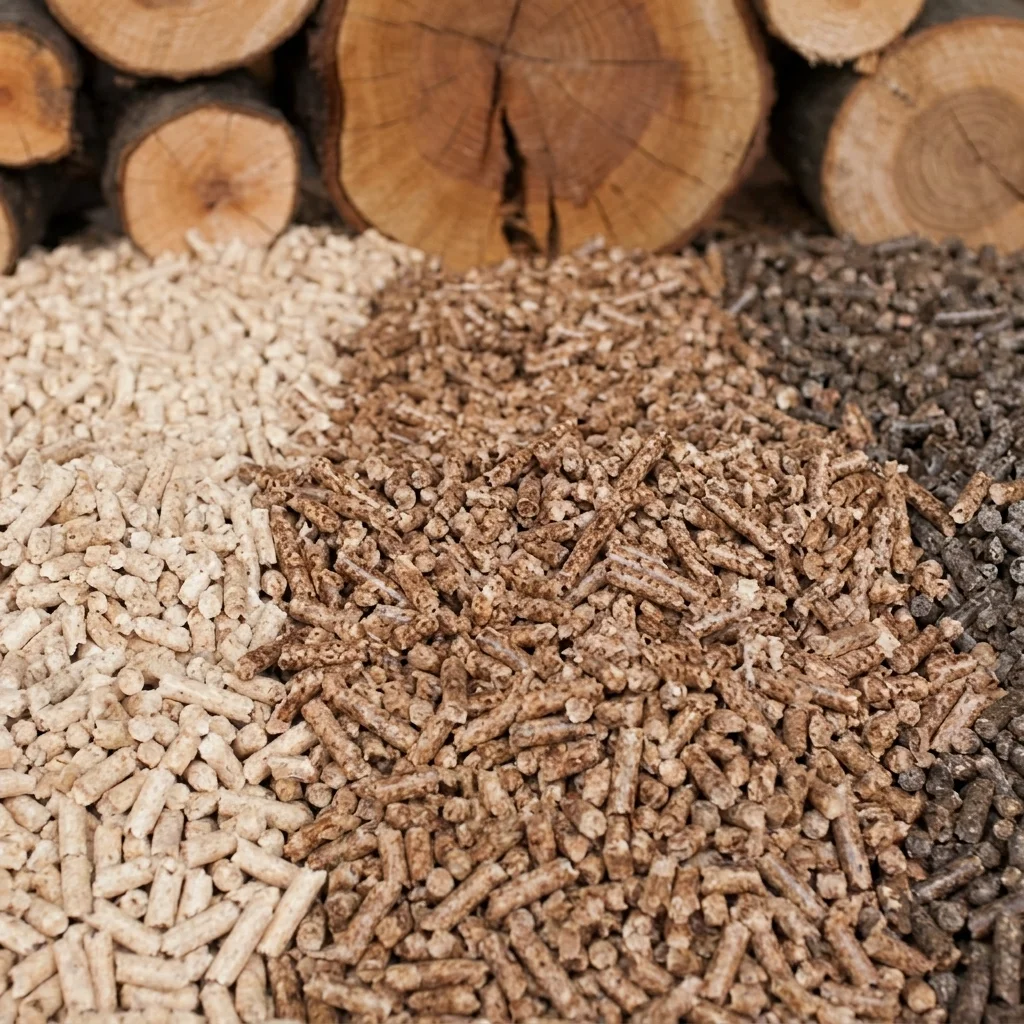 Agricultural Products
Biomass briquettes from Pakistan. High calorific value, low ash. Sawdu...
Inquire Now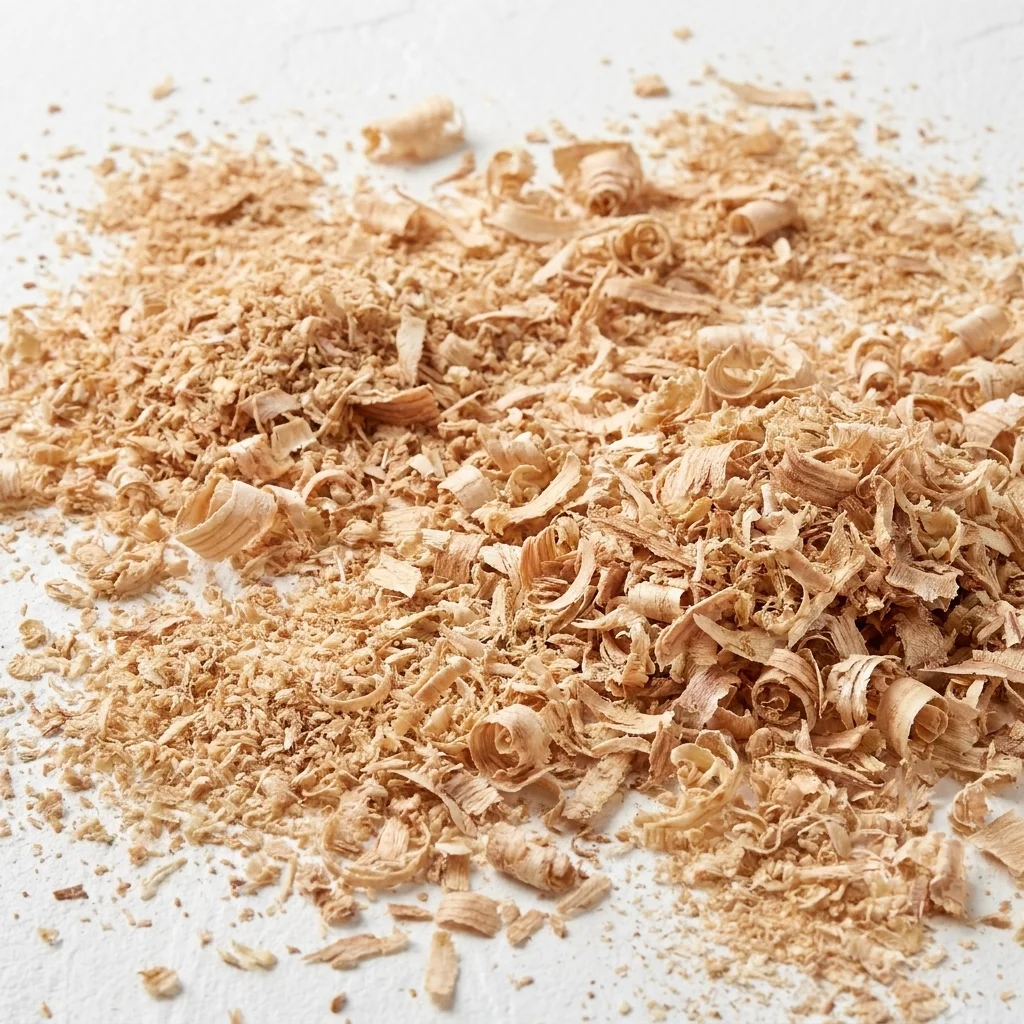 Agricultural Products
Submit a Buying Requirement at DaaTrade.com
Submit Requirement