 Mushroom Cultivation Substrate
Sawdust Substrate
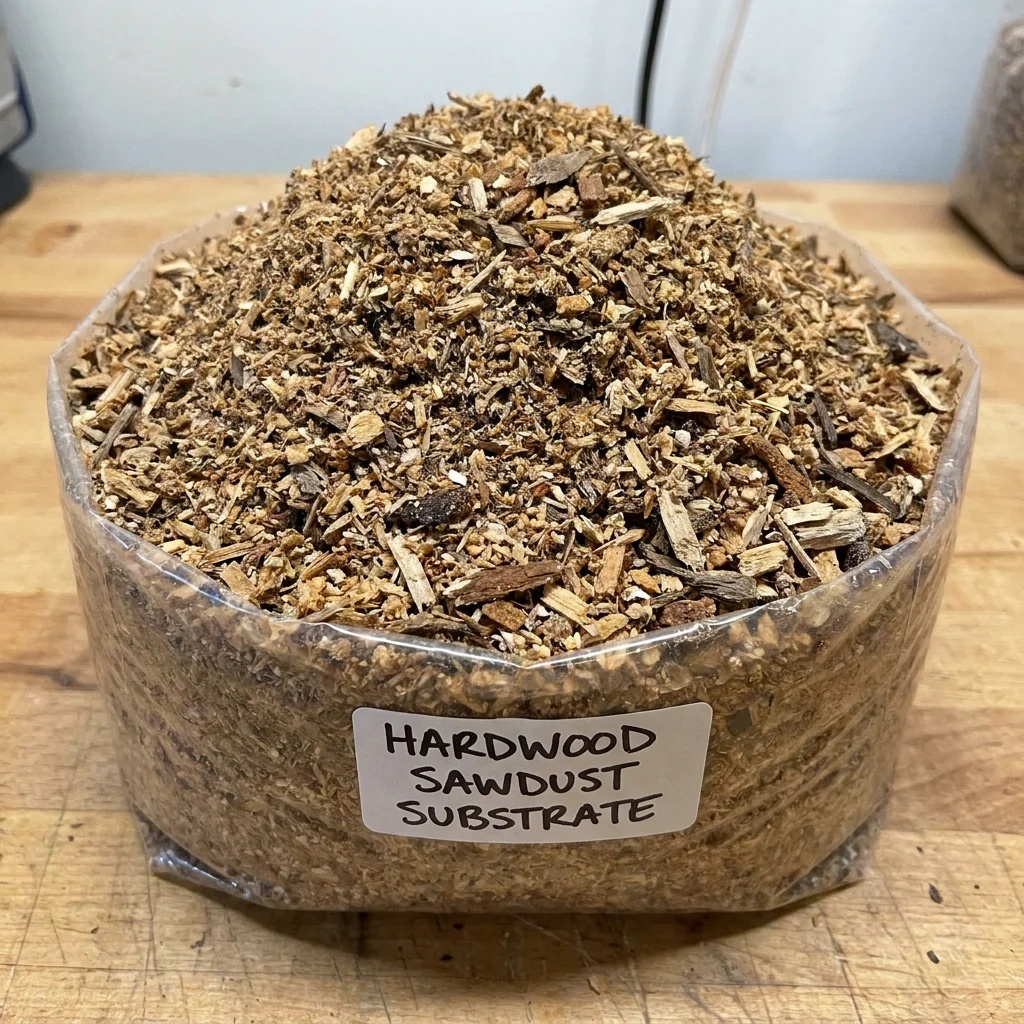
Hardwood sawdust substrate from Pakistan. Clean, untreated. For mushro...
Inquire Now
Find minerals, agricultural goods and more
Scientifically formulated button mushroom compost from Pakistan for commercial Agaricus cultivation
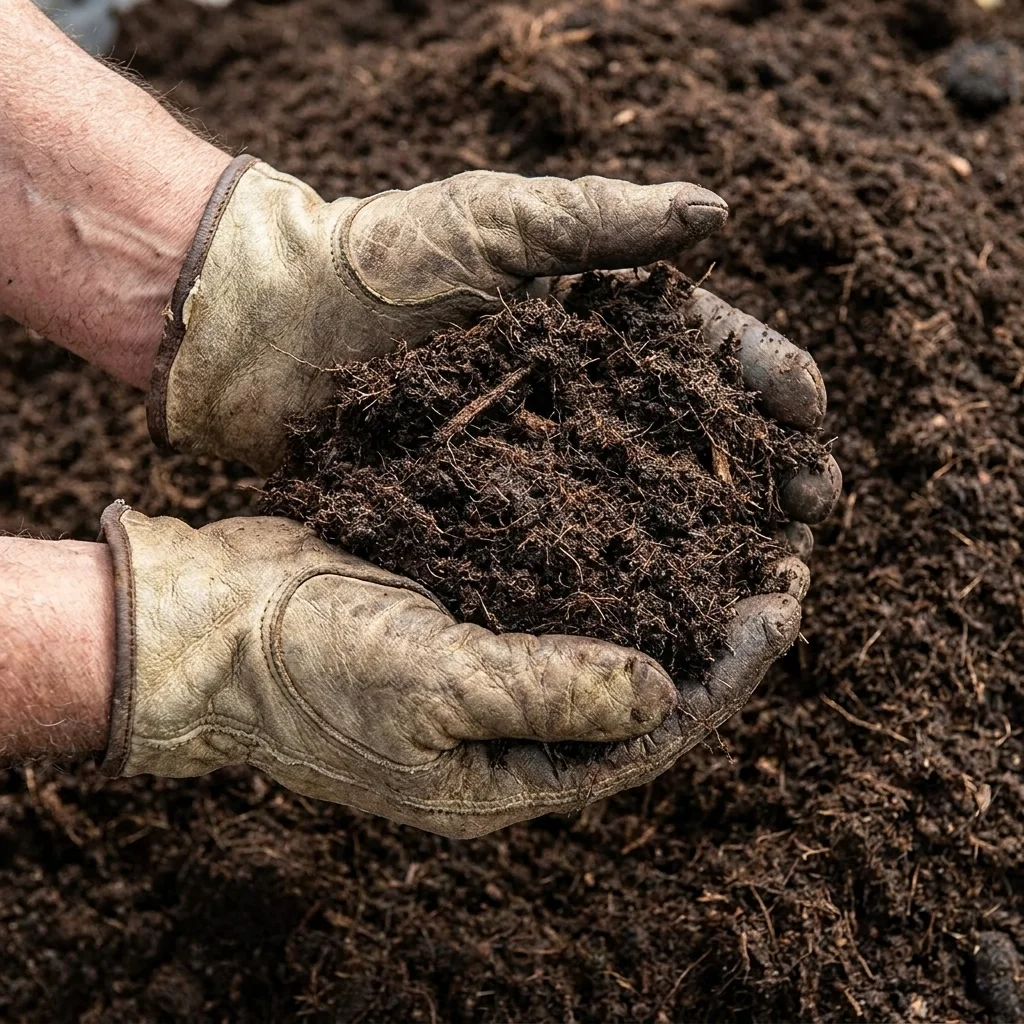
Button mushroom compost (Phase I, II, III) from Pakistan. For Agaricus bisporus cultivation. Bulk supply. Price on inquiry, shipped from Karachi.
Button mushroom (Agaricus bisporus) is the world’s most commercially cultivated mushroom species, accounting for over 30% of global mushroom production. Unlike wood-loving species (oyster, shiitake) that grow on raw lignocellulosic substrates, Agaricus requires a composted substrate that has been biologically transformed through a controlled thermophilic composting process. This process converts raw agricultural materials into a selective growing medium that supports Agaricus mycelium growth while suppressing competing organisms. Pakistan’s composting facilities follow established international protocols adapted to locally available raw materials.
Substrate Type: Composted agricultural waste (button mushroom specific)
Base Materials: Wheat straw, rice straw, horse manure, poultry manure, gypsum, urea, ammonium sulphate
Nitrogen Content: 2.0-2.5% (finished Phase II)
Moisture: 62-68% (Phase II)
pH: 7.2-7.8 (Phase II)
Ash: 20-28%
C:N Ratio: 16-18:1 (Phase II)
Ammonia: < 5 ppm (Phase II, post peak-heat)
Colour: Dark brown to chocolate-brown
Texture: Soft, fibrous, well-decomposed, no raw straw visible
Odour: Earthy, sweet, no ammonia smell (Phase II)
Phase I Compost (Outdoor Composting)
Raw materials (wheat straw, manure, gypsum, nitrogen supplements) are mixed, wetted, and formed into windrows or ricks outdoors. The pile undergoes thermophilic composting for 12-16 days with regular turning every 2-3 days. Temperatures reach 70-80°C during composting, breaking down the raw materials and beginning the selective biological transformation. Phase I compost is dark brown, partially decomposed, and still contains some ammonia. It requires Phase II treatment before use.
Phase II Compost (Pasteurised and Conditioned)
Phase I compost is moved into an insulated tunnel or room where temperature is precisely controlled. The compost is first pasteurised at 57-62°C for 8-12 hours to kill pathogens, weed seeds, nematodes, and competitor moulds. Then it is conditioned at 45-52°C for 5-7 days, allowing beneficial thermophilic microorganisms (actinomycetes) to colonise the compost and convert remaining ammonia into microbial protein. Phase II compost is the standard commercial substrate, ready for spawn inoculation. It is dark brown, has a sweet earthy smell, zero ammonia, and a pH of 7.2-7.8.
Phase III Compost (Spawn-Run / Colonised)
Phase II compost is inoculated with button mushroom grain spawn and incubated at 24-26°C for 14-18 days until the mycelium has fully colonised the compost block. Phase III compost is ready for casing and fruiting immediately upon delivery. White mycelium is visible throughout the substrate. This is the most advanced and convenient stage, eliminating the spawning and incubation steps for the buyer.
Commercial button mushroom farming: Mushroom compost is the essential growing medium for all commercial Agaricus bisporus (white button, cremini, portobello) production. A well-made compost determines yield potential, flush consistency, and crop quality. Most commercial farms either produce their own compost or purchase it from specialised composting operations
Small-scale and startup mushroom farms: Purchasing ready-made Phase II or Phase III compost allows new and small-scale farms to begin production without investing in composting infrastructure, which is capital-intensive and requires significant technical expertise
Portobello and cremini production: Portobello (mature brown Agaricus) and cremini (immature brown Agaricus) are grown on the same compost formulation as white button mushrooms, using different strains of Agaricus bisporus spawn
Spent mushroom compost (SMC): After 3-4 mushroom flushes, the exhausted compost (spent mushroom substrate) is an excellent organic soil amendment, mulch, and growing media component for horticulture, landscaping, and organic farming
Each batch is tested for nitrogen content, moisture, pH, ammonia levels, C:N ratio, and biological selectivity. Phase II compost is verified for complete pasteurisation (pathogen elimination) and proper conditioning (ammonia conversion). Phase III compost is inspected for full mycelium colonisation and absence of competitor moulds (Trichoderma, Aspergillus, Penicillium). Batch records including composting temperatures, turning schedule, and pasteurisation logs are maintained for traceability.
Detailed specifications are available on request. Send us your requirement and our export desk will share them.
Phase I and Phase II Compost:
Loose bulk in trucks (domestic delivery)
Compressed into polypropylene bags (25-30 kg each) for containerised export
Filled into grow trays or shelving at the buyer’s farm (domestic supply service)
Phase III Compost (Spawn-Run):
Sealed polypropylene bags or grow blocks (15-25 kg each)
Packed in ventilated cardboard boxes or crates
Temperature-controlled packaging for transit
Mushroom compost is primarily a domestic and regional supply product due to its bulk, moisture content, and biological nature. For export markets (Middle East, Central Asia), Phase II compost is shipped in compressed bags in standard 20' or 40' containers. Phase III compost requires refrigerated containers (reefer, 18-22°C) or air freight for short transit. Typical load: 18-22 MT per 40ft container (Phase II in bags). Incoterms: FOB, CFR, CIF. Documents: Commercial Invoice, Packing List, Certificate of Origin, Certificate of Quality, Phytosanitary Certificate, Bill of Lading.
Mushroom Cultivation Substrate
Hardwood sawdust substrate from Pakistan. Clean, untreated. For mushro...
Inquire Now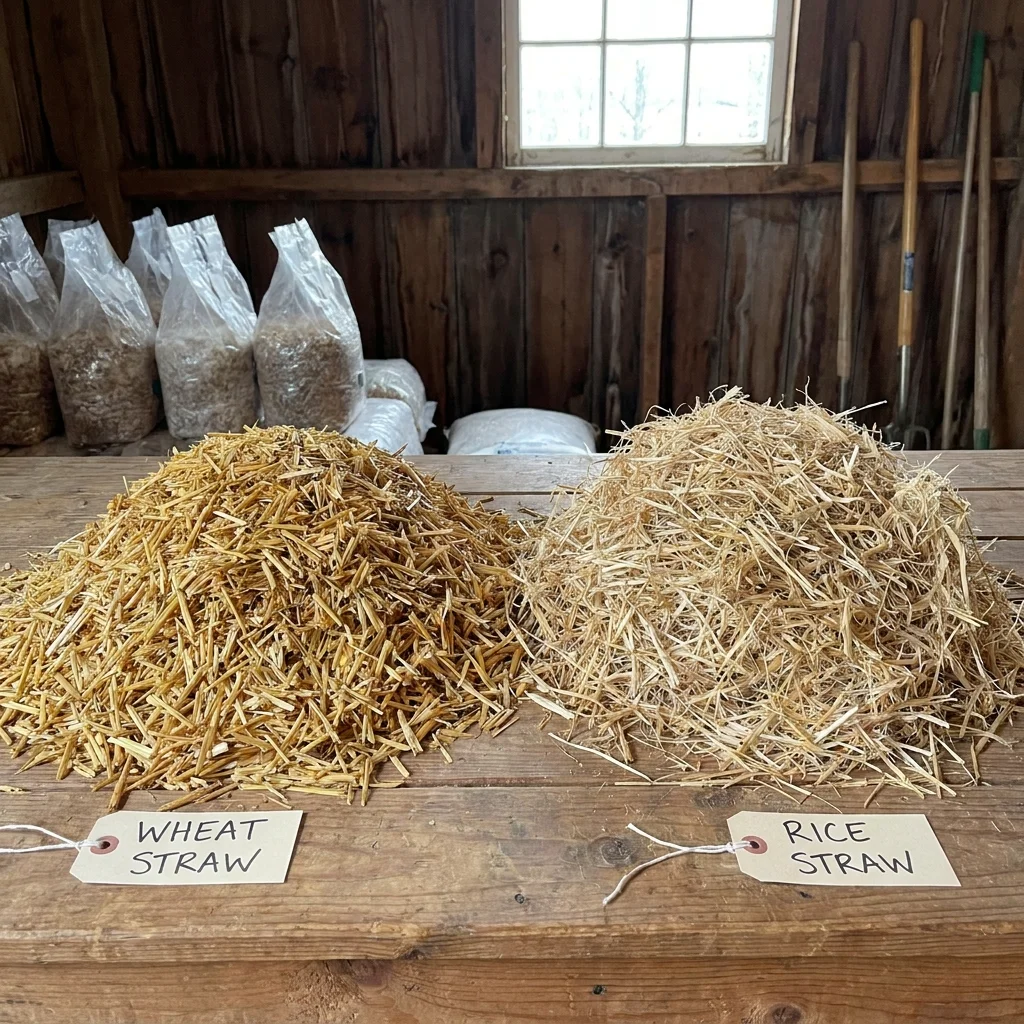 Mushroom Cultivation Substrate
Wheat straw and rice straw from Pakistan. Baled and chopped. For beddi...
Inquire Now
Mushroom Cultivation Substrate
Button mushroom compost (Phase I, II, III) from Pakistan. For Agaricus...
Inquire Now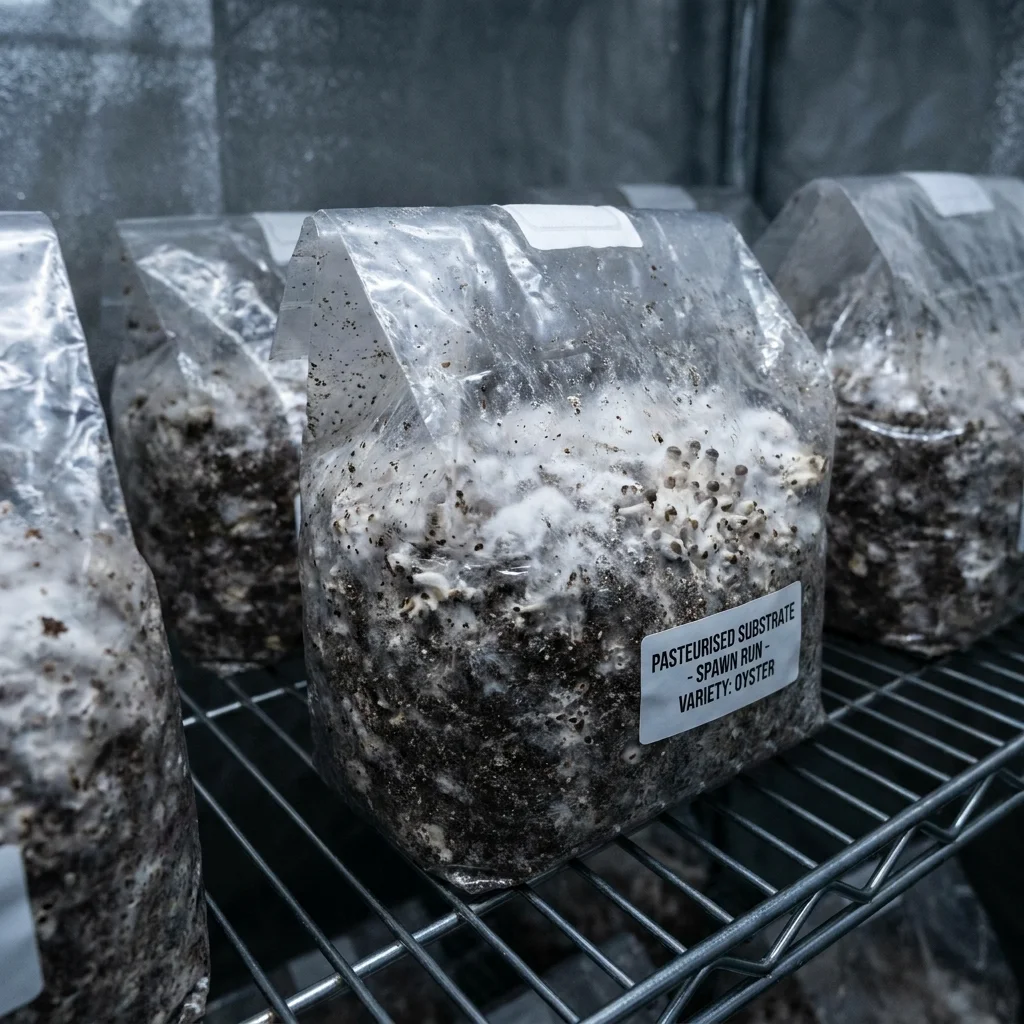 Mushroom Cultivation Substrate
Mushroom grow bags from Pakistan. Pasteurised substrate and spawn-run...
Inquire NowSubmit a Buying Requirement at DaaTrade.com
Submit Requirement