
 Agricultural Products
Black Gram (Mash)
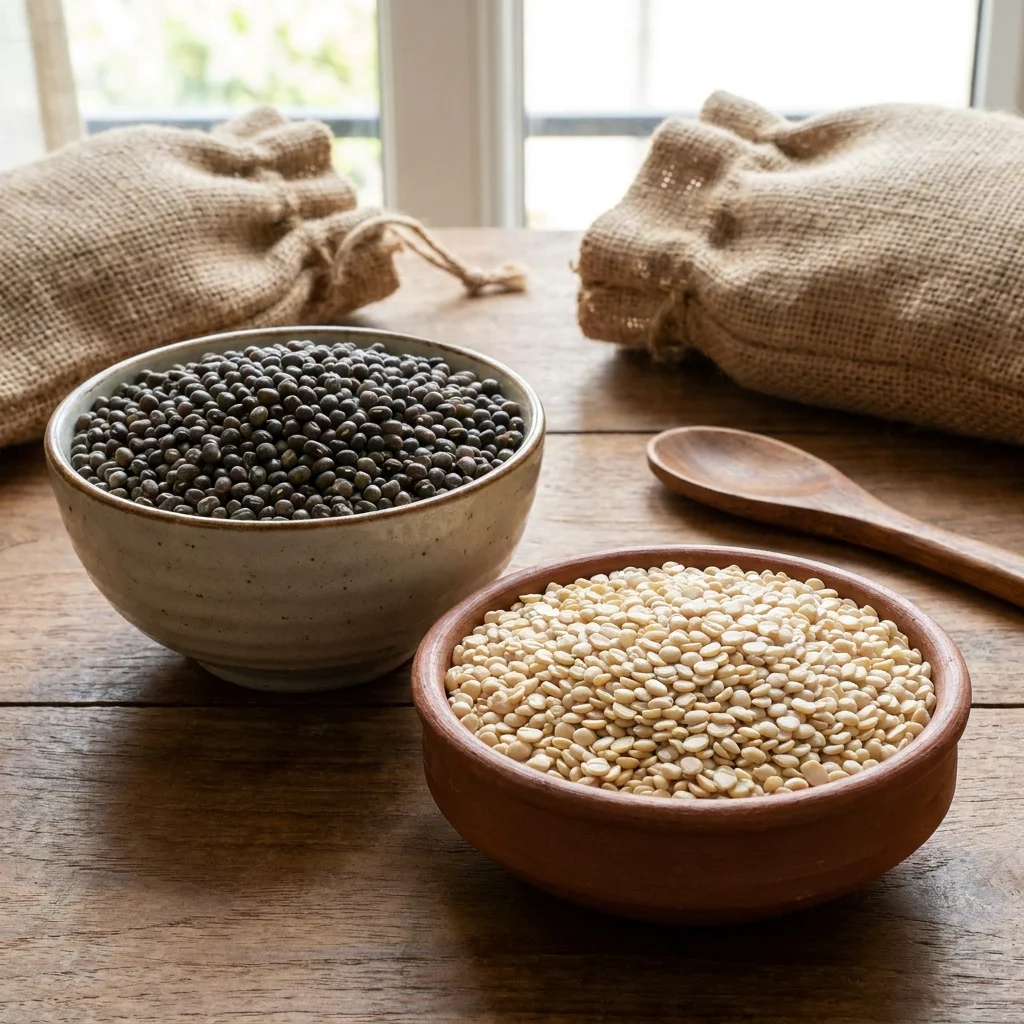
Pakistani black gram (urad/mash) in Whole Mash and Washed Mash Dal forms
Verified Supplier
Export Ready
Pakistan Origin
Pakistani black gram (urad/mash) in Whole Mash and Washed Mash Dal forms
Black Gram (Mash)
Black gram (mash/urad) from Pakistan. Whole and washed dal. Food grade. Bulk and private label. Price on inquiry, shipped from Karachi.
Two Processed Forms
Highest Protein Dal
Dal Makhani Essential
Non-GMO
Product Details
Black Gram (Mash) from Pakistan
Black gram (Vigna mungo) is a warm-season pulse crop cultivated during the Kharif season (June-October) across Pakistan. It is one of the most nutritionally dense pulses, with the highest protein content among commonly consumed dals (24-28%) and a uniquely rich, creamy, mucilaginous texture when cooked. The bean has a characteristic dark black to dark green seed coat with a cream-white interior. Black gram is the essential ingredient in some of South Asia’s most iconic dishes, including dal makhani, urad dal, idli, dosa, vada, and papadum.
Specifications
Whole Mash (Sabut Urad)
Form: Whole bean, black skin intact
Colour: Black to dark greenish-black
Size: 3-5 mm diameter
Protein: 24-26%
Moisture: 10-12% max
Purity: 98-99%
Foreign Matter: < 1%
Damaged/Discoloured: < 2%
Weevil Damage: < 1%
Non-GMO
Washed Mash Dal (Dhuli Urad)
Form: Fully hulled and split, skin completely removed
Colour: Cream-white to off-white
Protein: 25-28%
Moisture: 10-12% max
Purity: 98-99.5%
Broken/Powder: < 3%
Oil Polished: Available (for bright, glossy finish)
Non-GMO
Two Forms Explained
Whole Mash (Sabut Urad)
The complete bean with its black seed coat intact. Whole mash has a robust, earthy flavour and a dense, creamy texture when slow-cooked. It is the essential ingredient in dal makhani (the signature Punjabi black lentil dish), mash ki dal, and kali dal. Whole mash is soaked overnight and slow-cooked for several hours to achieve its characteristic rich, velvety consistency. The black skin adds fibre, minerals, and visual contrast to the dish.
Washed Mash Dal (Dhuli Urad)
Produced by completely removing the black hull and splitting the bean, revealing the cream-white interior. Washed Mash Dal cooks much faster than whole mash, producing a smooth, sticky, mucilaginous paste when ground or cooked. This unique sticky quality makes it the essential ingredient in idli batter (fermented rice-lentil cake), dosa batter (fermented crepe), medu vada (fried doughnut), and papadum/papad production. It is also used in dal tadka, soups, and traditional Ayurvedic preparations.
Industrial Uses
Dal Makhani and dal cooking: Whole mash is the core ingredient in dal makhani, one of India and Pakistan’s most iconic and commercially significant dal dishes. Served in restaurants, hotels, airlines, and homes across South Asia and in Indian/Pakistani restaurants worldwide
Idli and dosa batter: Washed Mash Dal is soaked, ground, and fermented with rice to produce idli and dosa batter, the foundation of South Indian cuisine. Commercial idli/dosa batter production is a large and growing food industry segment
Papadum/papad production: Washed Mash Dal flour is the primary raw material for papadum (papad), a thin, crispy flatbread served as a side dish across South Asian cuisine. Large-scale papadum factories consume significant volumes of washed mash dal
Medu vada and fritters: Washed Mash Dal batter is used to make medu vada, ulundu vadai, and other deep-fried lentil fritters popular as breakfast, snack, and street food items
Urad dal flour: Washed Mash Dal is milled into flour for making appadam, chips, extruded snacks, and gluten-free baking
Fermented foods: Black gram’s unique sticky, mucilaginous quality when ground and fermented makes it essential in fermented batter products (idli, dosa, uttapam, appam)
Traditional medicine (Ayurveda): Black gram is considered a highly nutritious, strength-building food in Ayurvedic medicine, recommended for convalescence, pregnancy, and physical recovery
Snack food: Fried and seasoned whole mash and split dal are popular savoury snack items
Animal feed: Off-grade mash beans and mash dal hulls are used as protein and fibre ingredients in animal feed
Quality Assurance
Each lot includes a Certificate of Quality reporting protein, moisture, purity, foreign matter, damaged grains, weevil damage, broken/powder percentage, aflatoxin, and non-GMO status. Phytosanitary certification, fumigation certificate, health certificate, and SGS/Intertek inspection can be arranged. Pre-shipment samples are provided for buyer approval.
Why Source From Pakistan?
Pakistan is a traditional black gram producing country with Kharif season cultivation across Punjab, Sindh, and Khyber Pakhtunkhwa. The country has an established dal milling industry producing both whole mash and washed dal for domestic consumption and export. Pakistani black gram has good seed size, uniform dark colour, and high protein content. Competitive pricing, modern pulse processing facilities, and established export logistics through Karachi port make Pakistan a reliable supply source for pulse importers, food manufacturers, and restaurant supply chains. Both forms are available from one origin, simplifying procurement. DaaTrade manages sourcing, milling specification, quality testing, packaging, documentation and shipment through one export desk.
Specifications
Detailed specifications are available on request. Send us your requirement and our export desk will share them.
Packaging & Shipping
Packaging
Bulk packaging:
25 kg or 50 kg woven polypropylene bags, palletized and shrink-wrapped
25 kg multi-wall paper sacks (food-grade, premium markets)
1 MT jumbo bags
Retail and private label packaging:
500 g, 1 kg, 2 kg, 5 kg retail pouches and bags
Custom packaging design and private label available
Shipping
Loading port: Karachi Port or Port Qasim. Containerized shipment in 20' or 40' containers. Approx. 22-25 MT per 20ft container (in bags). Incoterms: FOB, CFR, CIF, DDP. Documents: Commercial Invoice, Packing List, Certificate of Origin, Certificate of Quality, Phytosanitary Certificate, Fumigation Certificate, Health Certificate (if required), Non-GMO Certificate, Weight Certificate, Bill of Lading.
Frequently Asked Questions
A: Whole Mash (Sabut Urad) is the complete bean with its black seed coat intact. It has a robust, earthy flavour and is slow-cooked for hours to make dal makhani and kali dal. Washed Mash Dal (Dhuli Urad) is fully hulled and split, revealing a cream-white interior. It cooks much faster and produces a uniquely sticky, mucilaginous texture when ground, making it essential for idli batter, dosa batter, medu vada, and papadum production. Both forms are high in protein (24-28%), but serve completely different culinary applications.
A: Washed Mash Dal has a unique property that no other pulse can replicate: when soaked, ground, and fermented, it produces a thick, sticky, aerated batter that holds its shape during steaming (idli) and spreads thinly on a hot griddle (dosa). This mucilaginous quality comes from the high polysaccharide content in the endosperm. No substitute pulse produces the same fermentation volume, texture, or binding quality. This makes washed mash dal an irreplaceable raw material for the idli/dosa industry.
A: Yes. We regularly supply mixed-form containers for importers stocking both whole mash and washed dal. Each form is separately bagged and labeled. You can also combine mash beans with other pulses (moong, chickpeas, lentils) and grain products in the same container. Specify the form, purity level, and quantity split when submitting your requirement.
Agricultural Products
 Agricultural Products
 Agricultural Products
 Agricultural Products
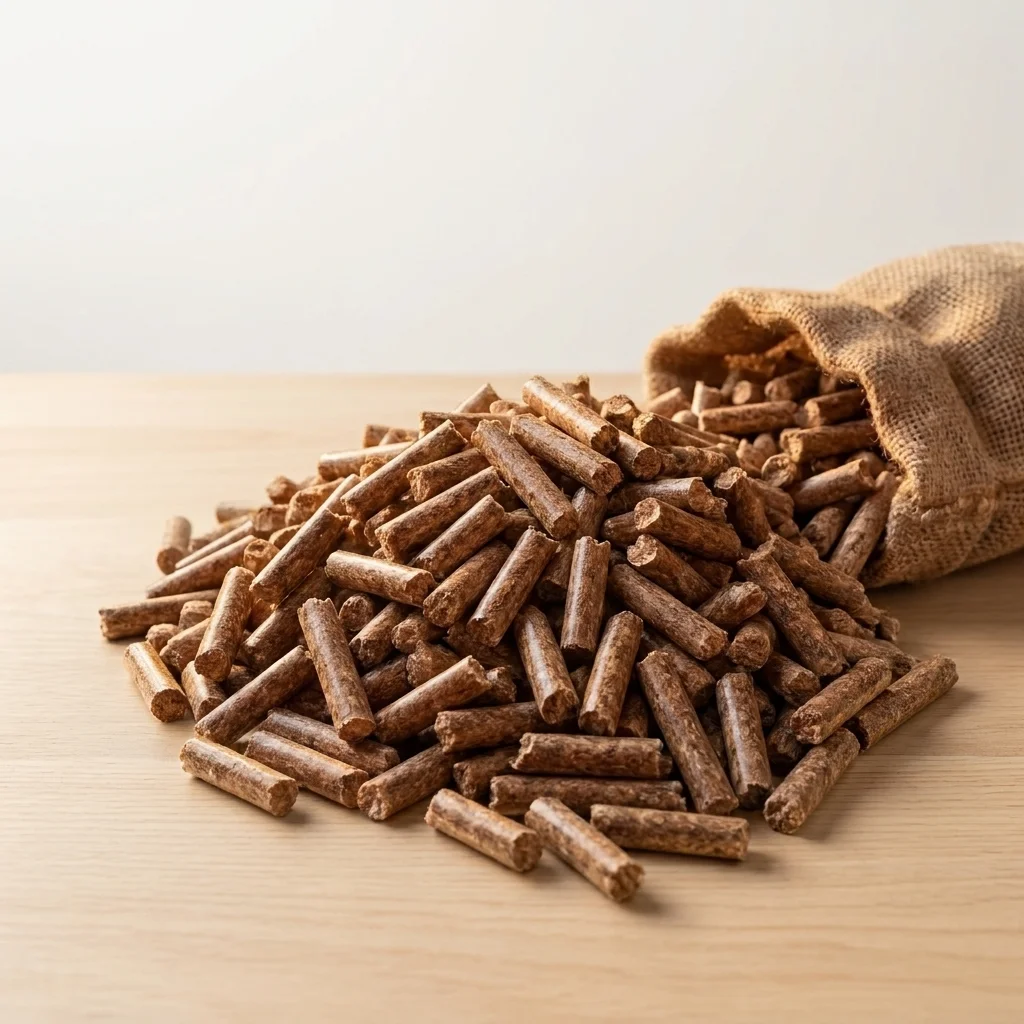
Biomass Pellets
Biomass pellets from Pakistan. 6 mm and 8 mm diameter. High calorific...
Inquire NowVerified
SuppliersNo
unconfirmed contacts
Global ReachFrom
Pakistan to
your destination
Fast ResponseWithin
24
hours
Looking for a product from Pakistan?
Submit a Buying Requirement at DaaTrade.com
Submit Requirement