 Mines & Minerals
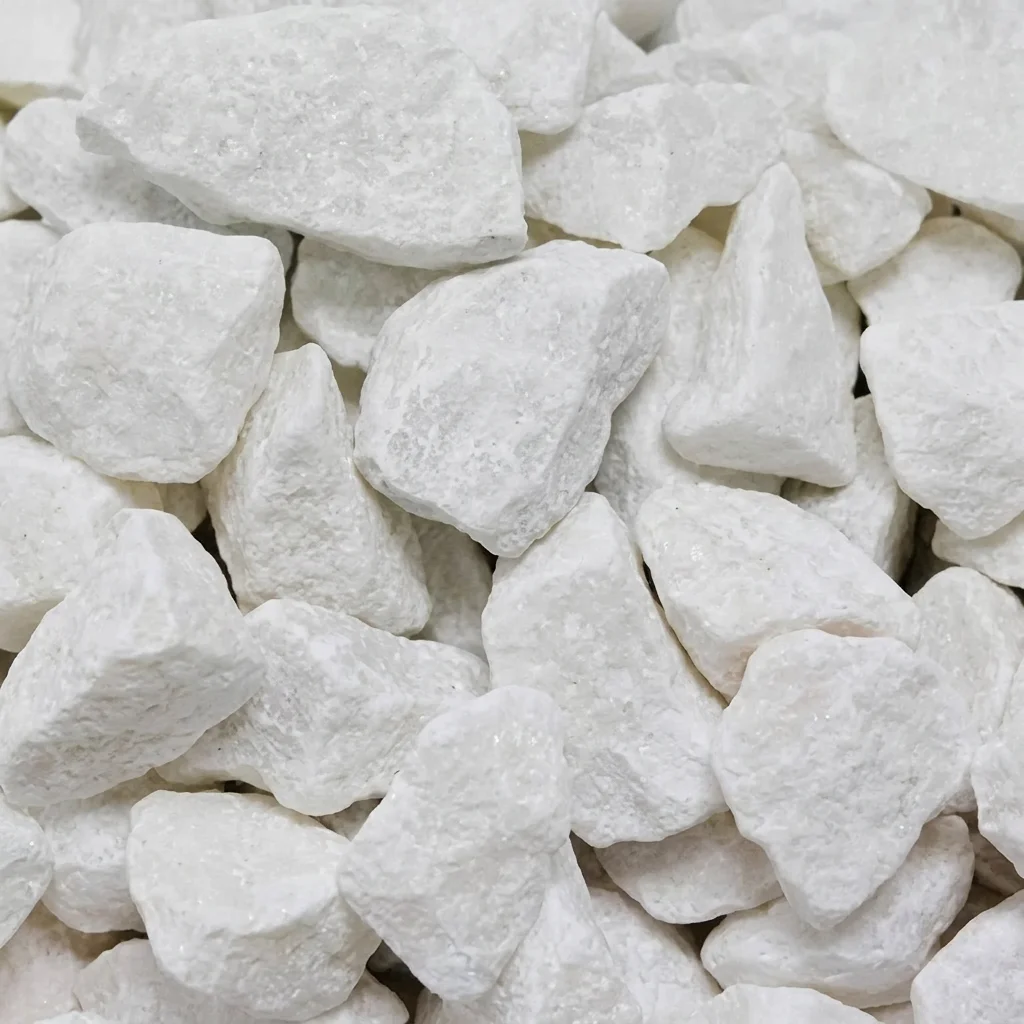
Flux-Grade Limestone
Flux-grade limestone lumps (50-55% CaO). Sized 25-150 mm. Price on inq...
Inquire Now
Find minerals, agricultural goods and more
Natural lepidolite lithium mica from Pakistan for lithium extraction, ceramics and glass
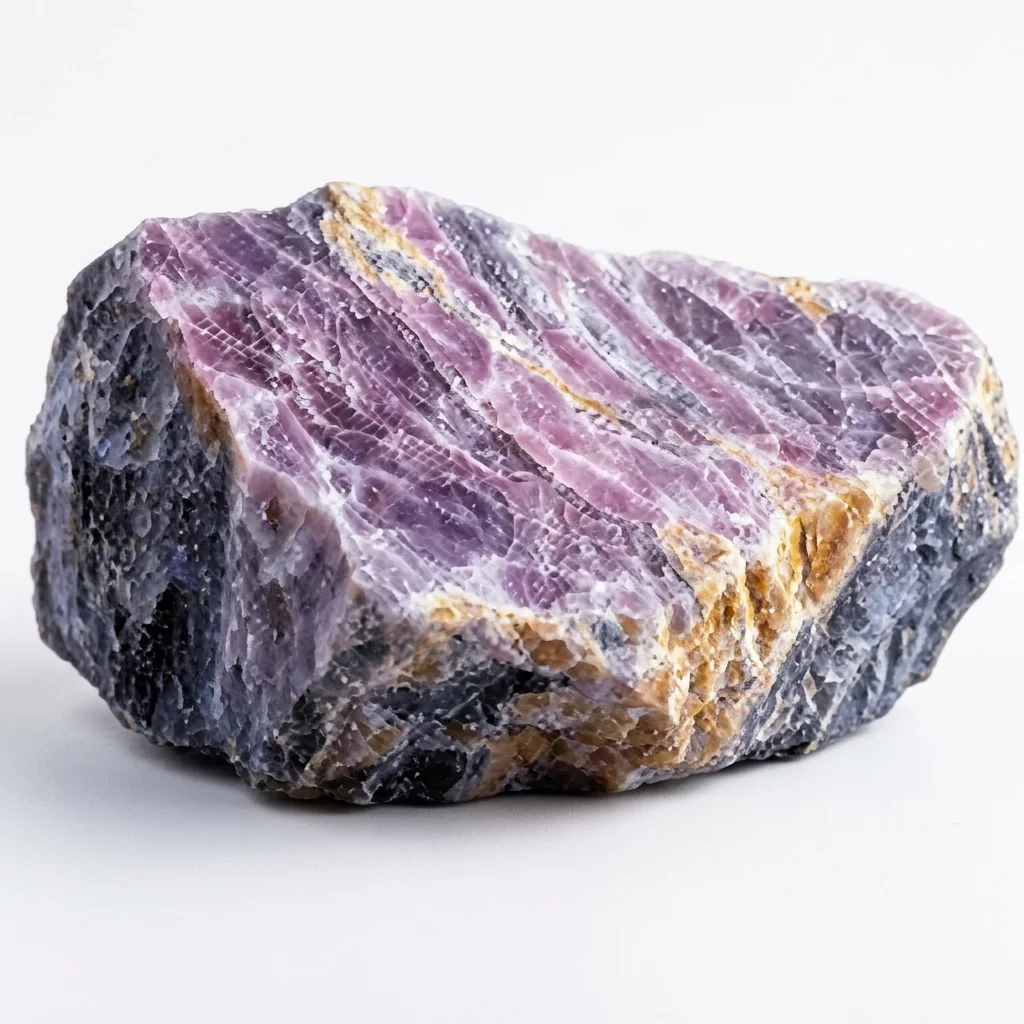
Lepidolite lithium mica, 3-5% Li₂O. Lumps and crushed ore. Price on inquiry, shipped from Karachi.
| Mineral | Lepidolite (lithium mica) |
|---|---|
| Li₂O Content | 3-5% (grade-dependent) |
| SiO₂ | 48-55% |
| Al₂O₃ | 20-26% |
| Fe₂O₃ | 0.1-1% |
| K₂O | 8-12% |
| Rb₂O | 0.5-3% |
| F (Fluorine) | 3-6% |
| Hardness (Mohs) | 2.5-3.5 |
Lepidolite is a lithium-rich mica mineral found in granitic pegmatites. It contains 3-5% Li₂O in commercial ores and is distinguished by its striking lilac to purple color and micaceous (flaky) crystal structure. While spodumene is the primary hard-rock lithium source, lepidolite is an increasingly important secondary lithium mineral, particularly valued for its fluorine content which reduces energy requirements during lithium extraction. Lepidolite also contains rubidium (Rb) and caesium (Cs) as potentially recoverable byproducts. Pakistan’s Himalayan pegmatite belt hosts lepidolite-bearing formations that are actively mined and exported.
Hand-sorted lumps: 20-200 mm (4-5% Li₂O)
Run-of-mine (ROM) lumps: 10-300 mm (3-4% Li₂O)
Crushed ore: 0-50 mm, 0-25 mm
Screened flakes and fines: 0-10 mm
Custom sizing available
Lithium extraction: Lepidolite is processed through acid roasting (sulphuric acid or hydrofluoric acid), alkaline roasting (limestone or lime), or chlorination to extract lithium as lithium carbonate (Li₂CO₃) or lithium hydroxide (LiOH). Its fluorine content lowers roasting temperatures and energy consumption compared to spodumene processing
EV batteries and energy storage: Lithium compounds extracted from lepidolite feed the lithium-ion battery supply chain for electric vehicles, plug-in hybrids, and grid-scale energy storage systems
Ceramics: Lepidolite is used directly in ceramic bodies and glazes as a source of Li₂O and fluxing agent. It reduces firing temperature, improves thermal shock resistance, and enhances glaze surface quality
Glass manufacturing: Lepidolite is added to glass batches as a lithium and fluorine source, reducing melting temperature, improving melt fluidity, and enhancing chemical durability. Used in specialty glasses, opal glass, and heat-resistant glass
Enamel and porcelain: Lepidolite serves as a flux in enamel and porcelain formulations, lowering firing temperatures and improving surface finish
Rubidium and caesium recovery: Lepidolite is one of the few commercial sources of rubidium (Rb₂O: 0.5-3%) and caesium, which are recovered as byproducts during lithium extraction. Rubidium is used in specialty glass, photocells, and atomic clocks. Caesium is used in drilling fluids, atomic clocks, and medical imaging
Ornamental and lapidary use: Attractive lepidolite specimens with vivid purple coloration are used in jewelry, carvings, decorative objects, and as tumbled stones in the crystal and wellness market
Mineral specimens: Museum-quality lepidolite crystals and clusters are valued by mineral collectors and educational institutions
Each lot includes a Certificate of Analysis reporting Li₂O, SiO₂, Al₂O₃, K₂O, Na₂O, Fe₂O₃, MnO, Rb₂O, Cs₂O, F, CaO, MgO, LOI, moisture, and size distribution. Assays are performed by accredited laboratories using ICP-OES, AAS, and wet chemistry methods. Pre-shipment samples are provided for buyer approval. Third-party inspection (SGS, Intertek, or equivalent) can be arranged on request.
| Mineral | Lepidolite (lithium mica) |
|---|---|
| Li₂O Content | 3-5% (grade-dependent) |
| SiO₂ | 48-55% |
| Al₂O₃ | 20-26% |
| Fe₂O₃ | 0.1-1% |
| K₂O | 8-12% |
| Rb₂O | 0.5-3% |
| F (Fluorine) | 3-6% |
| Hardness (Mohs) | 2.5-3.5 |
1 MT jumbo bags with discharge spout
50 kg polypropylene bags, palletized and shrink-wrapped
25 kg bags for smaller shipments
Loose bulk in 20' or 40' containers
Loading port: Karachi Port or Port Qasim. Containerized shipment is standard for lepidolite. The material is non-hazardous and straightforward to ship. Incoterms: FOB, CFR, CIF. Documents: Commercial Invoice, Packing List, Certificate of Origin, Certificate of Analysis, Weight Certificate, Bill of Lading.
Mines & Minerals
Flux-grade limestone lumps (50-55% CaO). Sized 25-150 mm. Price on inq...
Inquire Now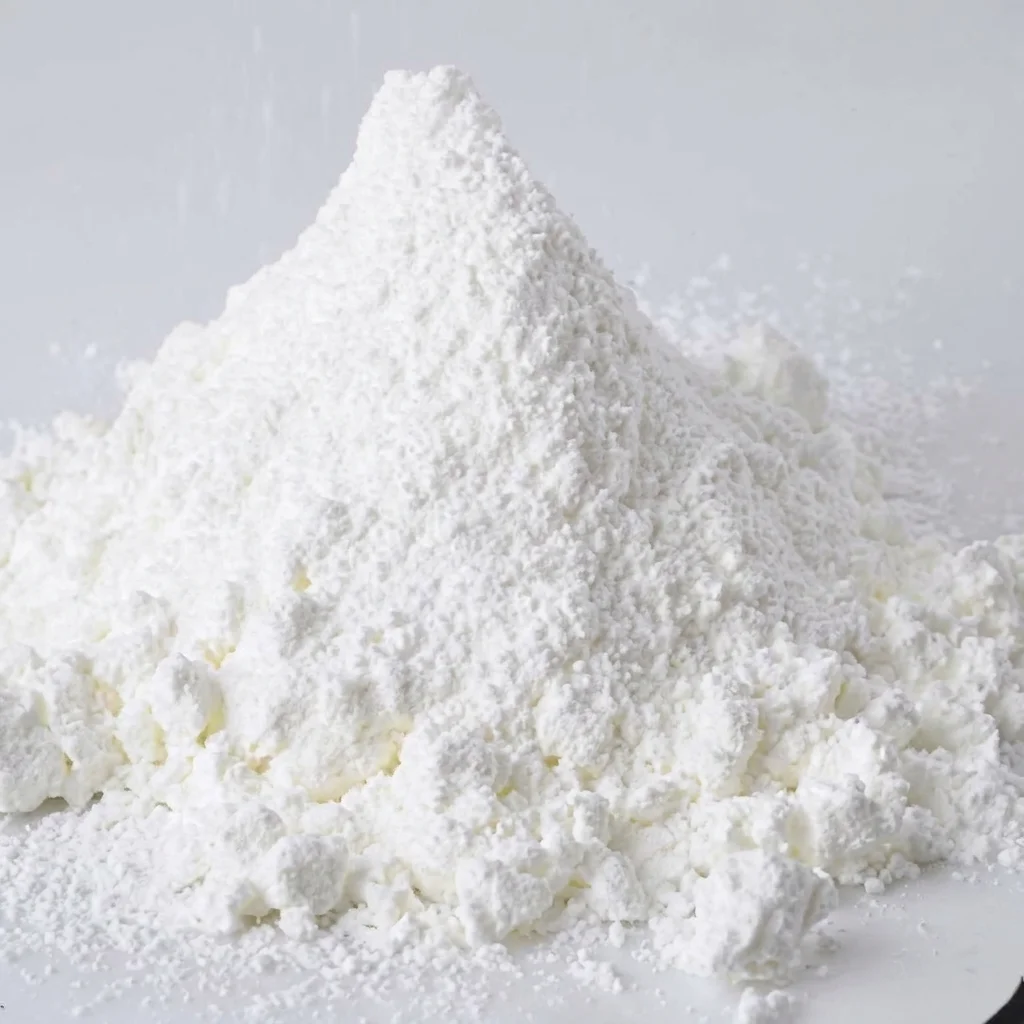 Mines & Minerals
Plaster of Paris (calcium sulfate hemihydrate) powder. Regular and den...
Inquire Now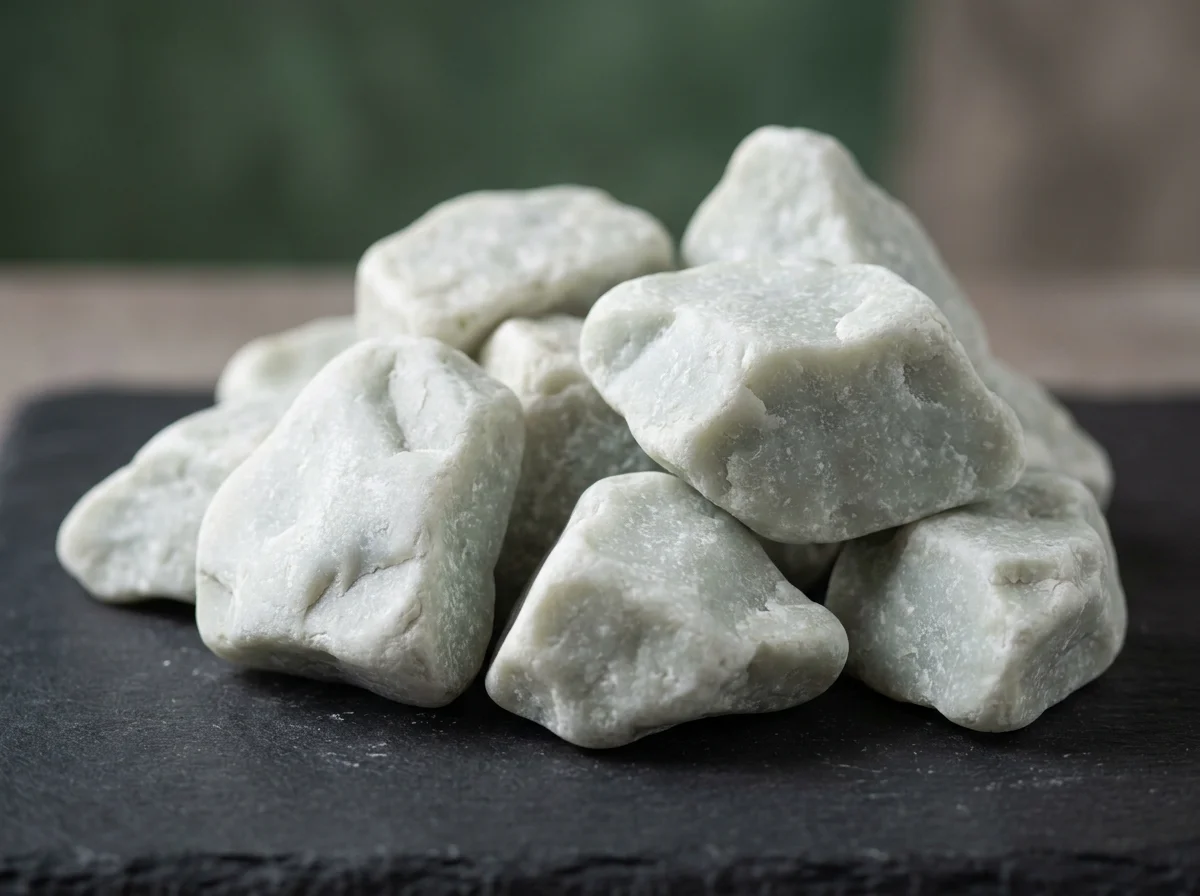 Mines & Minerals
Bulk soapstone lumps and micronized powder for ceramics, paints, plast...
Inquire Now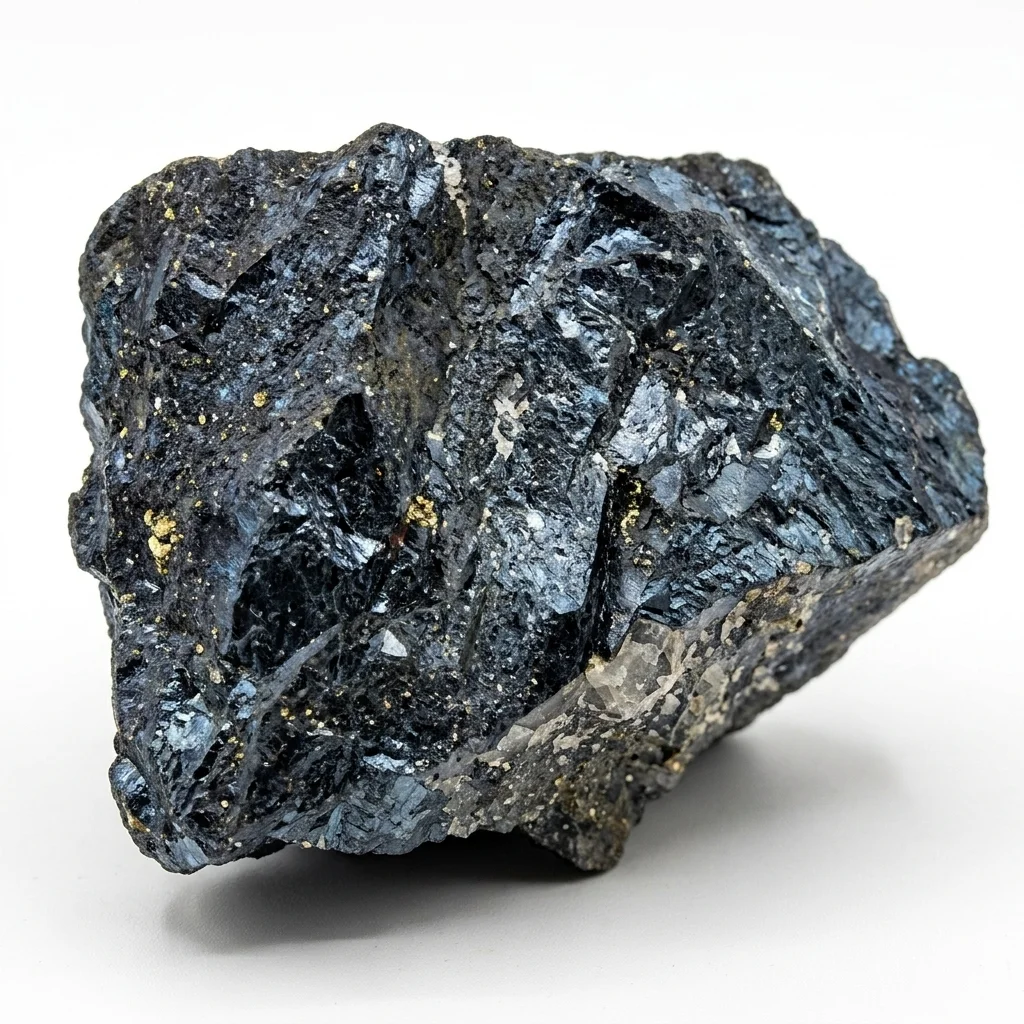 Mines & Minerals
Manganese ore, 35-45% Mn. Lumps and fines from Balochistan. Price on i...
Inquire NowSubmit a Buying Requirement at DaaTrade.com
Submit Requirement