 Agricultural Products
Corn Cob Products
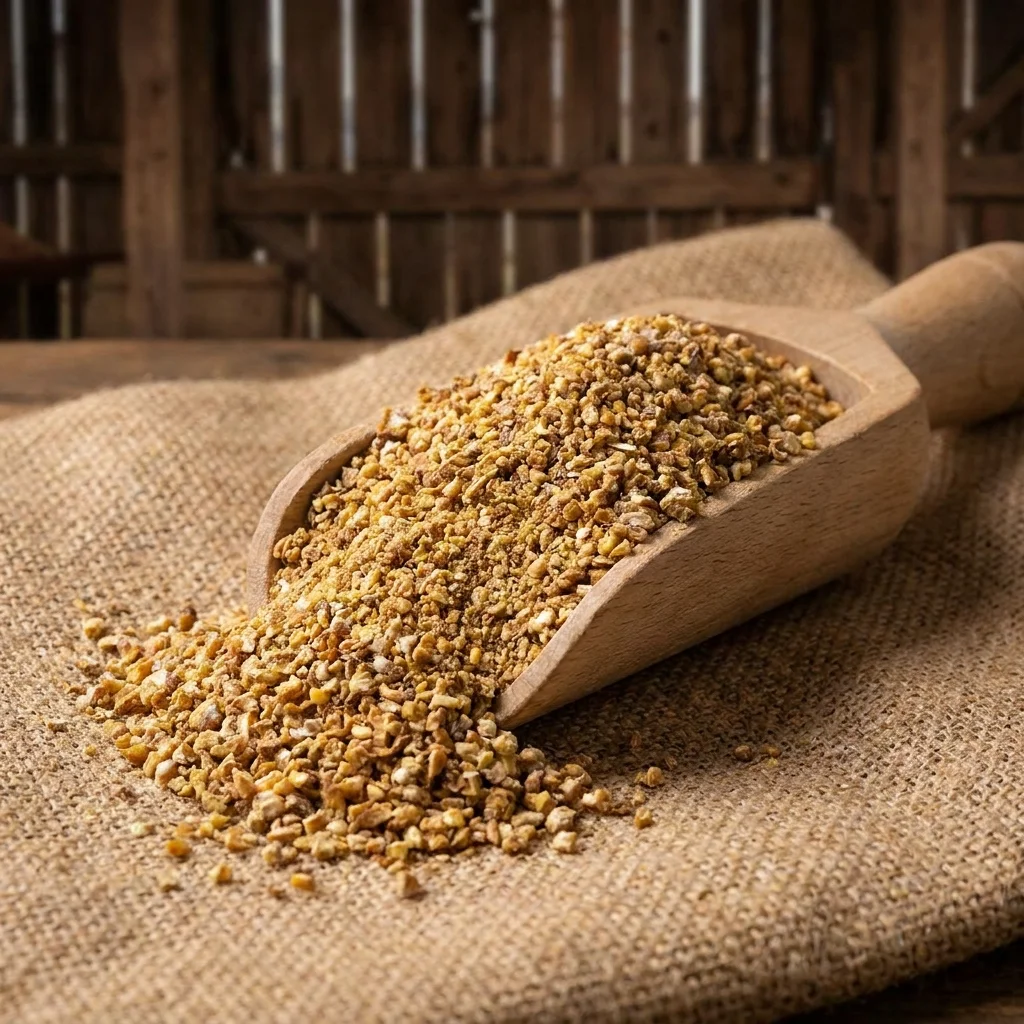
Corn cob crushed, meal and granules from Pakistan. Multiple particle s...
Inquire Now
Find minerals, agricultural goods and more
Compressed biomass briquettes from Pakistan for industrial fuel, boilers and power generation
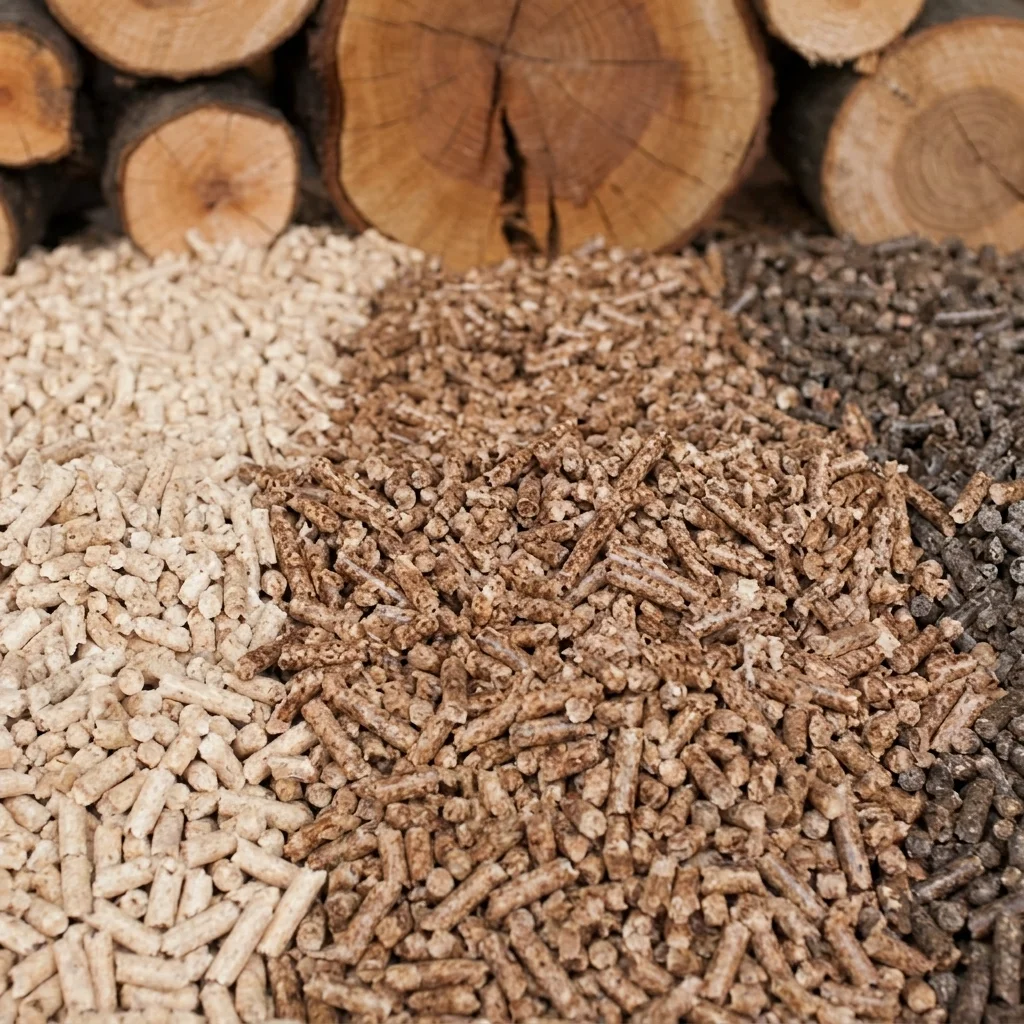
Biomass briquettes from Pakistan. High calorific value, low ash. Sawdust, agri-waste and mixed feedstock. Price on inquiry, shipped from Karachi.
Biomass briquettes are manufactured by compressing dried agricultural waste or wood residues under high pressure (1,000-1,500 kg/cm²) and elevated temperature in mechanical or hydraulic briquetting presses. The heat generated during compression softens the natural lignin in the biomass, which acts as a binding agent, producing a dense, solid fuel block without any added chemicals or adhesives. The result is a clean-burning, high-density renewable fuel with consistent calorific value, low moisture, and low ash content, suitable for replacing coal, firewood, and other fossil fuels in industrial heating applications.
Material: Compressed agricultural/wood biomass
Calorific Value: 3,800-4,500 kcal/kg (feedstock-dependent)
Moisture: 6-10%
Ash Content: 2-8% (feedstock-dependent)
Volatile Matter: 70-80%
Fixed Carbon: 15-22%
Density: 800-1,200 kg/m³
Sulphur: < 0.1%
Binder: None (natural lignin bonding)
Shape: Cylindrical (50-90 mm diameter, 50-300 mm length) or pillow/puck shape
Colour: Light tan to dark brown (feedstock-dependent)
Sawdust Briquettes
Feedstock: Clean hardwood/softwood sawdust
Calorific Value: 4,200-4,500 kcal/kg
Ash: 1-3%
Premium grade, highest calorific value, lowest ash
Rice Husk Briquettes
Feedstock: Rice husk from rice mills
Calorific Value: 3,200-3,600 kcal/kg
Ash: 15-18%
Most abundant feedstock, lower cost
Corn Cob Briquettes
Feedstock: Crushed corn cob
Calorific Value: 3,800-4,200 kcal/kg
Ash: 2-4%
Good balance of calorific value and cost
Bagasse Briquettes
Feedstock: Sugarcane bagasse
Calorific Value: 3,600-4,000 kcal/kg
Ash: 2-5%
Seasonal availability (October-March milling season)
Mixed Agri-Waste Briquettes
Feedstock: Blend of sawdust, corn cob, bagasse, wheat straw, cotton stalk
Calorific Value: 3,500-4,000 kcal/kg
Ash: 3-8%
Most cost-effective, year-round availability
Industrial boiler fuel: Biomass briquettes are burned in industrial boilers to generate process steam for textile mills, food processing plants, chemical factories, paper mills, and other manufacturing operations. They replace coal, firewood, and furnace oil with a cleaner, renewable alternative
Brick kiln fuel: Briquettes are used as a fuel replacement for coal in brick kilns, significantly reducing sulphur emissions and carbon footprint while maintaining kiln temperatures
Power generation: Biomass briquettes are co-fired with coal or used as standalone fuel in biomass power plants for electricity generation
Cement and lime kiln fuel: Used as supplementary fuel in cement plants and lime kilns as part of alternative fuel programs to reduce fossil fuel consumption
Institutional heating: Briquettes are used in heating boilers for hospitals, schools, hotels, and commercial buildings in cold regions
Gasification: Biomass briquettes are used as feedstock in biomass gasifiers to produce producer gas for engine-driven power generation and thermal applications
BBQ and charcoal replacement: High-quality sawdust briquettes are used as a clean-burning alternative to charcoal for barbecue, grilling, and outdoor cooking
Carbon credit projects: Biomass briquette production and use qualifies for carbon credits under CDM and voluntary carbon market programs by displacing fossil fuels
Each lot is tested for calorific value, moisture, ash content, volatile matter, fixed carbon, sulphur, and density. Pre-shipment samples are provided for buyer evaluation. Briquettes are sourced from verified manufacturing plants with consistent feedstock supply, drying, and compression quality.
Detailed specifications are available on request. Send us your requirement and our export desk will share them.
Shrink-wrapped pallets (approx. 1 MT per pallet)
25 kg or 50 kg PP bags, palletized
Loose stacked in 20' or 40' containers
1 MT jumbo bags (for smaller briquettes)
Loading port: Karachi Port or Port Qasim. Containerized shipment. Briquettes are dense and pack efficiently in containers. Typical load: 22-26 MT per 20ft container, 24-28 MT per 40ft container depending on briquette density and stacking. Incoterms: FOB, CFR, CIF. Documents: Commercial Invoice, Packing List, Certificate of Origin, Certificate of Quality, Phytosanitary Certificate, Fumigation Certificate, Bill of Lading.
Agricultural Products
Corn cob crushed, meal and granules from Pakistan. Multiple particle s...
Inquire Now Agricultural Products
 Agricultural Products
Biomass briquettes from Pakistan. High calorific value, low ash. Sawdu...
Inquire NowSubmit a Buying Requirement at DaaTrade.com
Submit Requirement