
Why Source Corn Cob Products from Pakistan? A Practical Guide for International Buyers
When buyers start researching corn cob products — meal, granules, crushed cob, or raw cob — the sourcing decision usually comes down to a short list of countries with both the corn output and the processing infrastructure to support reliable export. Pakistan is increasingly part of that conversation, and for good reason.
This isn't about Pakistan being the world's largest corn producer — it isn't. What Pakistani processors have built, however, is a practical capability in grading, drying, and exporting cob derivatives at a price point that competes well against alternatives from more established origins.
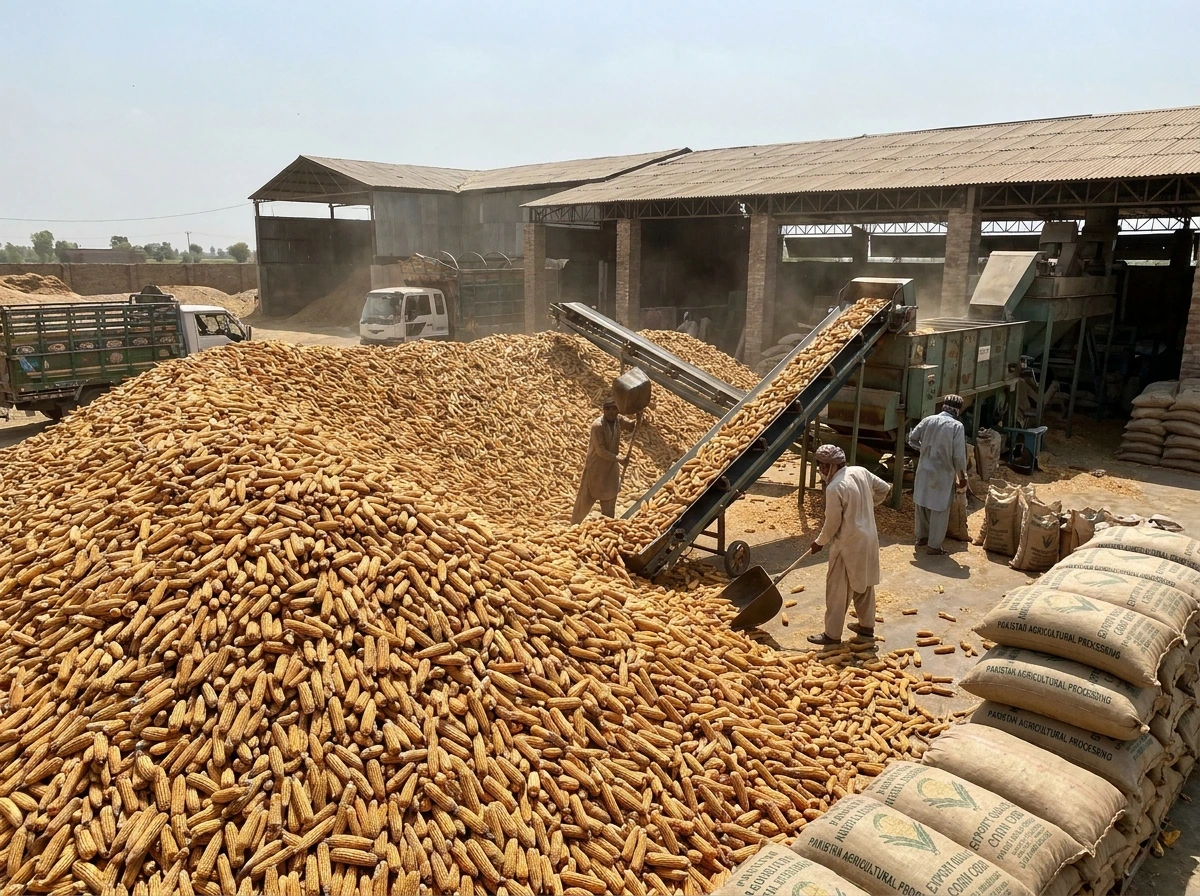
A Raw Material Base That's Expanding
Corn cob supply depends entirely on corn production, and Pakistan's corn output has been trending upward. The USDA's Grain and Feed Annual for Pakistan projects continued production growth, supported by improved irrigation access. A larger and steadier corn harvest translates directly into a steadier stream of cob residue for processors to work with — and for buyers to source from.
What Makes Pakistan Worth Evaluating for Corn Cob Sourcing
Competitive Processing Costs
Labour and processing costs in Pakistan run lower than in several competing corn-producing regions. This allows processors to offer graded products — whether meal, granules, or crushed cob — at prices that hold up well in a price-sensitive market. For buyers managing tight input costs, the economics are worth a closer look.
Established Export Infrastructure
Pakistan's ports and inland logistics network have been built up through decades of textile, rice, and agricultural exports. That infrastructure extends naturally to bulk agricultural by-products. Freight forwarders, customs agents, and documentation processes are well understood, which reduces friction for first-time importers.
Range of Grades Available
Corn cob serves very different industries — abrasives, animal feed, agrochemical carriers, and biomass fuel — each with its own technical requirements. Processors in Pakistan have responded to this by offering multiple grades rather than a single generic product. For buyers with specific applications, this flexibility matters.
Realistic Trade-Offs to Plan Around
No sourcing market is without its complications, and Pakistan is no exception. Logistics costs, seasonal price swings tied to the corn harvest, and variability between smaller processors are real factors buyers should plan around. Working with an established sourcing partner — rather than sourcing directly from a single small mill — tends to reduce most of these risks, since a broader supplier network can absorb seasonal gaps and maintain more consistent quality control.
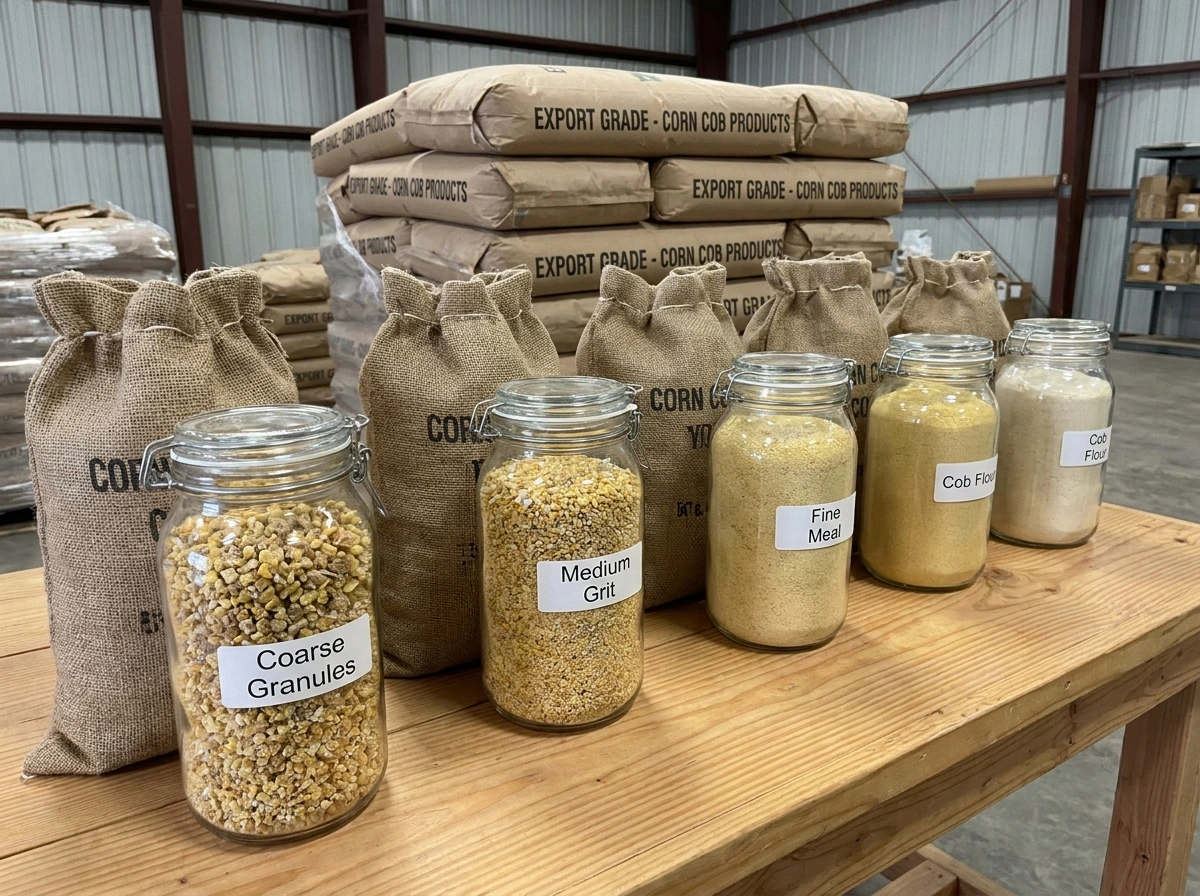
Getting Started with Pakistan-Origin Corn Cob
Daa Agri Limited works directly with corn cob processors across Pakistan and helps international buyers evaluate specifications, request samples, and manage the documentation needed to import corn cob products confidently — whether the intended use is industrial, agricultural, or feed-related.