Choosing a Chromite Ore Supplier in Pakistan: Grades, Quality Evidence and Bulk Capability
Plenty of businesses claim to supply chromite ore from Pakistan. Some own or lease mines, some buy lumps and fines in Balochistan and resell them, and some coordinate sourcing and export for overseas buyers. A buyer who treats them as interchangeable can end up with a lot that does not match the sample. This guide explains how to tell supplier types apart and which questions to ask about grade, quality and bulk supply.
The Supplier Landscape
Mine owners and small operators
According to the TDAP report on chromite potential, mining in Balochistan is largely manual and small-scale, with most activity around Muslim Bagh. A mine owner can offer direct access, but volumes and consistency depend on that single operation.
Traders and processors
Some buyers purchase lump or fines from several mines, wash or screen the material, and assemble export lots. The report mentions washing and beneficiation facilities near Muslim Bagh and in Karachi. Ask these suppliers how they track the origin of each parcel, because blended lots can hide variation.
Export coordinators
A third model sits between sources and buyers. Daa Minerals describes itself as a Pakistan-based mining and mineral export company, with relationships with miners in Balochistan, KPK and Punjab. It coordinates sourcing, preparation, packaging, documentation and shipment planning. For overseas buyers without staff in Pakistan, this can reduce the effort of managing multiple counterparties.
Reading Grade Claims Critically
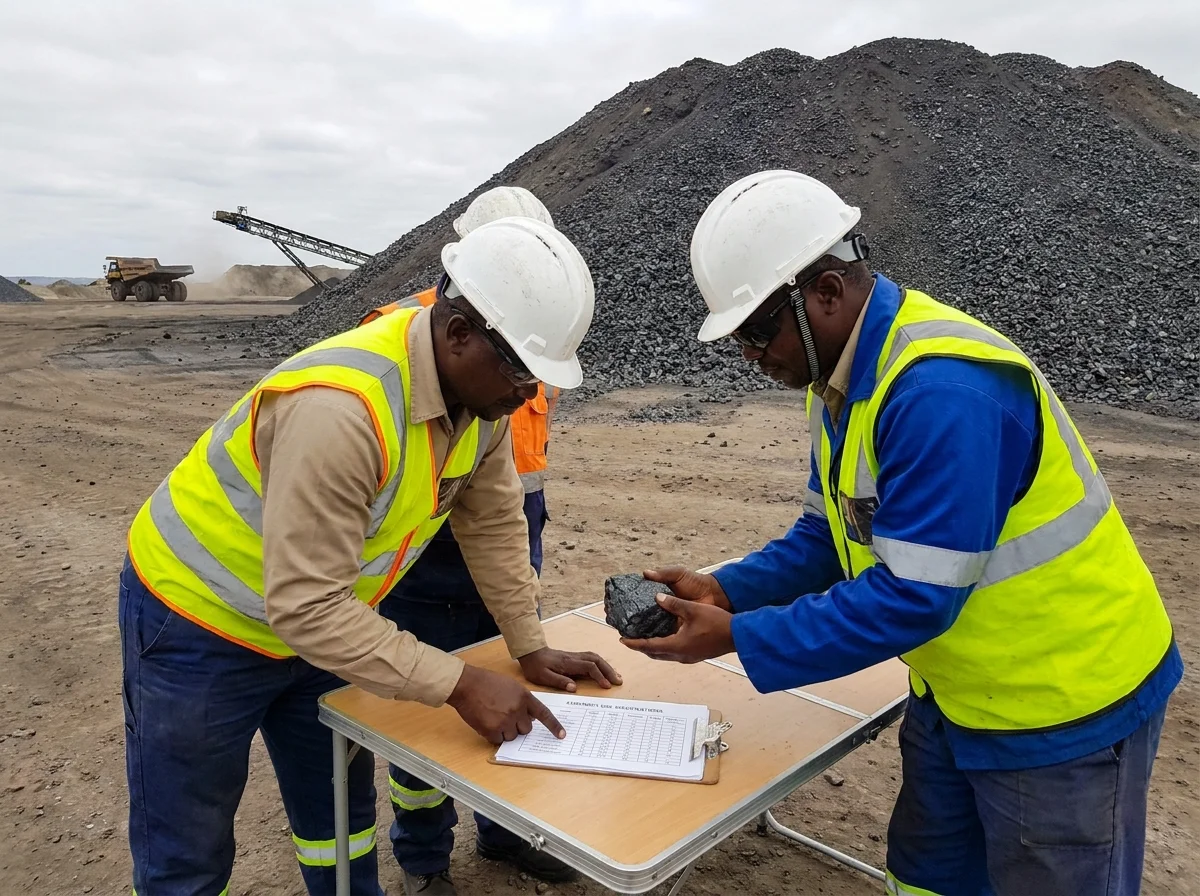
Pakistani chromite spans a wide range. The TDAP report puts it at 28–56% and says Muslim Bagh material shows mixing and grade fluctuation, while an exporter interviewed for the report described Chagai-area material as more consistent at roughly 38–42%. Those comments come from one researcher’s fieldwork, so treat them as prompts for your own questions rather than settled facts.
Daa Minerals’ profile lists an indicative 38–48% Cr₂O₃. That is a reference range. The company’s website says final parameters, test methods and acceptance conditions should be confirmed in writing. When a supplier quotes a grade, ask:
Is that the average of the lot, the best sample or a target?
Which laboratory produced it, and when?
Does the figure refer to lump, fines or concentrate?
What are the silica, magnesia and alumina levels?
What is the chrome-to-iron ratio, if you need it for ferrochrome production?
Quality Evidence That Counts
An assay from the seller is a start, not a conclusion. Better evidence has three layers. First, a supplier’s own data to qualify the lot. Second, independent testing before shipment, which Daa Minerals says can be coordinated through providers such as SGS, Intertek or PCSIR when requested and agreed. Third, your own arrival test at destination.
Decide in advance which result governs payment, and how disputes will be settled. A common approach is to name an independent laboratory as umpire. Remember that moisture also matters, since wet ore weighs more but carries less chromium per tonne.
What “Bulk Supply” Should Mean in Practice
Bulk is not a quantity in itself. Ask about tonnage per shipment, how often, over what period, and from how many sources. Daa Minerals indicates that both bulk and smaller shipments can be tailored to buyer needs, so be explicit about your programme. A single parcel of a few hundred tonnes and a recurring monthly contract are very different discussions.
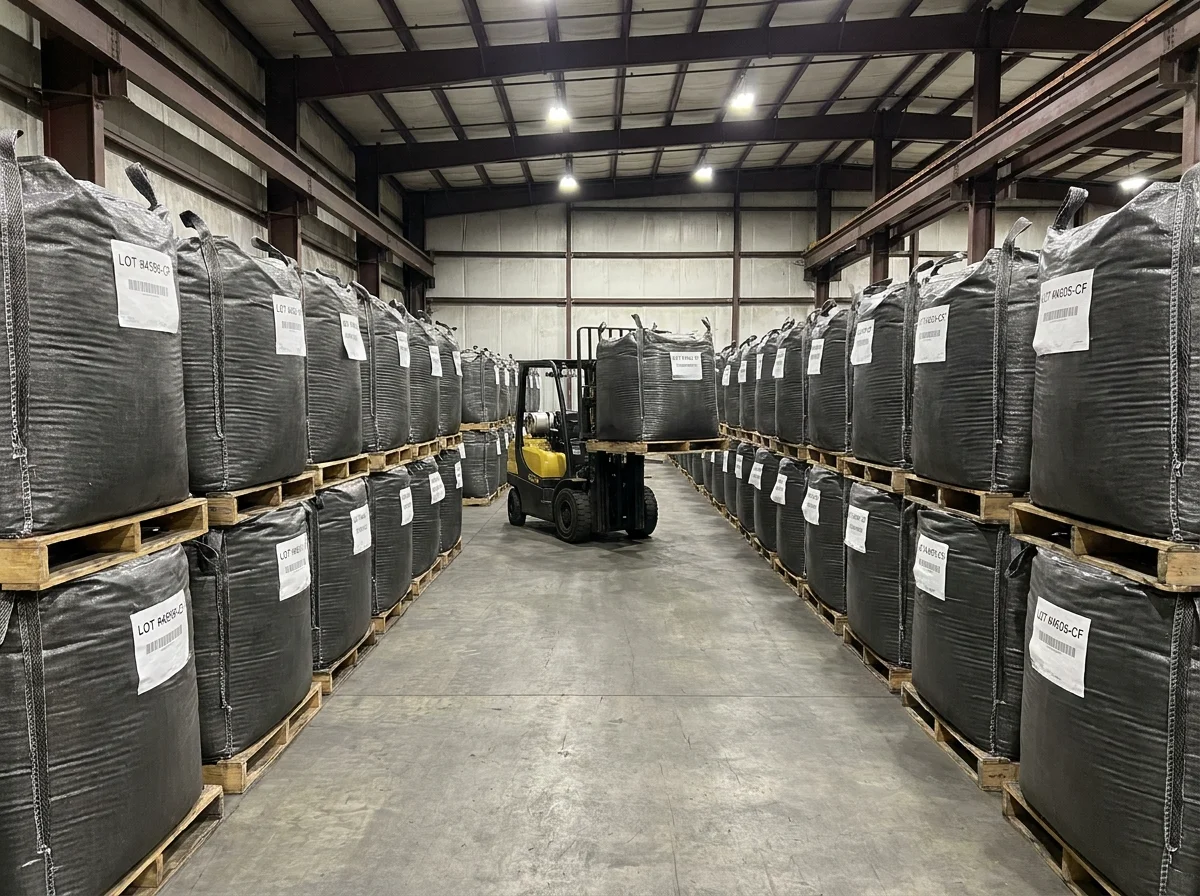
Ask also how the supplier will hold consistency across lots. The profile mentions covered, contamination-free warehousing, and the website refers to stock organisation before packaging and loading. Request details of how lots are separated and labelled.
Credibility and Compliance Checks
Mining and export are regulated. The TDAP report records reservations among relevant authorities about unlicensed mining and unpaid royalties in parts of the sector. A buyer should therefore ask each candidate to describe the licences and approvals covering the material, and should not accept evasive answers. Daa Minerals’ profile states compliance with legal mining licences and industry guidelines and says it works with miners who meet environmental standards. Verify claims like these through your own compliance review, using an independent agent when contract value justifies it.
Basic commercial checks also help: a registered address, consistent contacts, quick and specific replies, and readiness to put terms in writing.
Compare Offers Properly
Price comparison only works when the offers are comparable. Line up:
Grade basis and test method
Form, size and moisture limits
Packaging and loading arrangements
Incoterm and named port
Documents included
Payment terms and inspection arrangements
Start with a trial lot where possible. It reveals the supplier’s real habits long before a large contract does.
The Next Step
A reliable chromite supplier answers specific questions with specific evidence. If you want to test Daa Minerals against your own checklist, submit your requirement on its contact page with grade, quantity, form, packaging and destination. Readers sourcing more than one mineral can also browse the company’s full product range.