Sourcing Chromite Ore for Export from Pakistan: What Overseas Buyers Need to Plan For
Chromite is the only commercial source of chromium, and chromium is what makes stainless steel stainless. As the U.S. Geological Survey notes on its chromium statistics page, chromium is recovered from chromite and refined into ferrochromium or chromium oxide. Most buyers look to South Africa, Turkey, Kazakhstan or India first. Pakistan is a smaller player, but it has real deposits, an established export history and a long coastline. This guide covers what an overseas buyer should understand before sourcing chromite ore for export from Pakistan.
Where Pakistani Chromite Comes From
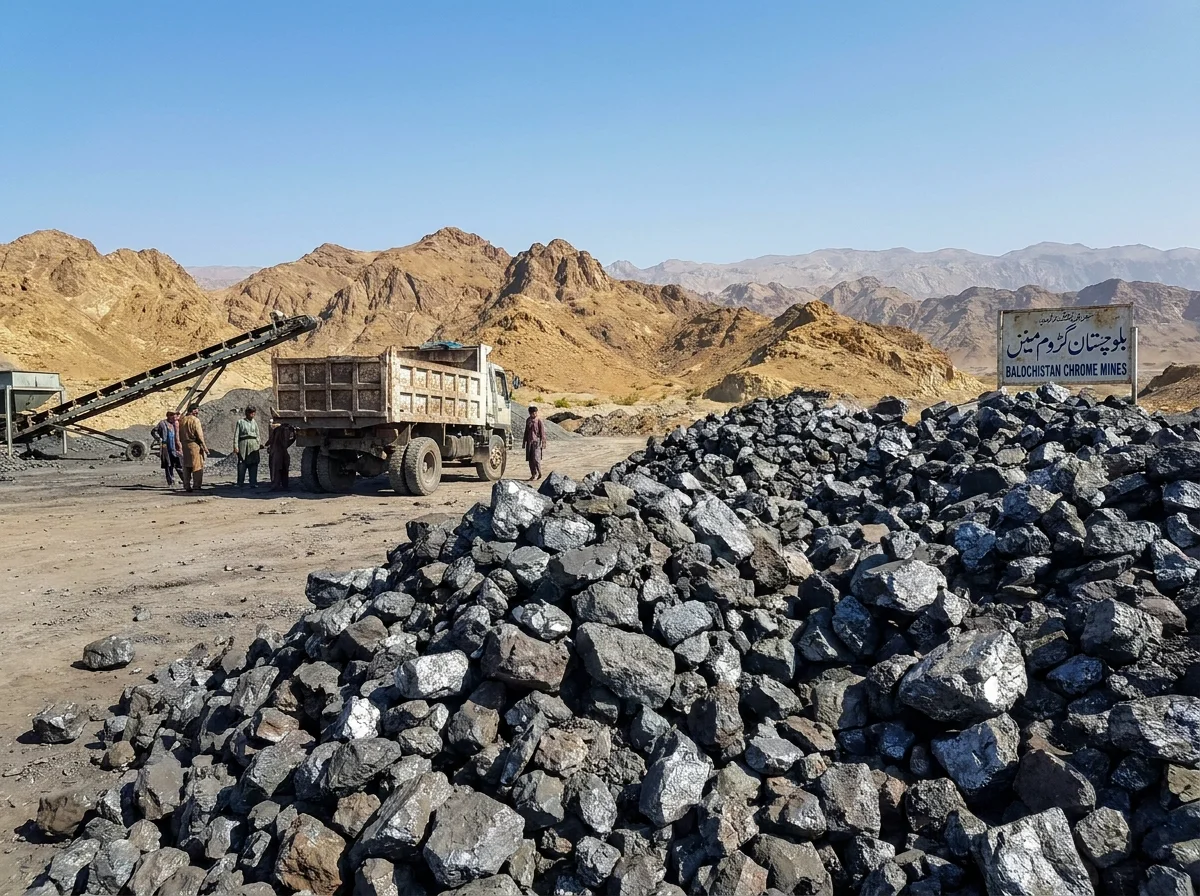
Pakistan’s chromite is found in ophiolitic rocks, the kind of ultramafic formations associated with ancient ocean crust. According to a Trade Development Authority of Pakistan (TDAP) report, Analysis of Chromite Potential and its Value-added Products in Pakistan, commercial production is concentrated in Balochistan. It names Muslim Bagh, Khanozai, Nasai, Gawal, Wadh, Sonaro and the Zhob district as producing areas. The report puts Pakistani chromite grades between 28% and 56% and says both metallurgical and refractory grades are produced.
Two points follow for buyers. Grade varies widely across and within deposits, so a country-level description tells you very little about a specific lot. And most material leaves Pakistan in a raw or lightly processed form. The same report says the country exports chromite as lumps, concentrates and fines, with washing as the main processing step.
What Daa Minerals Lists
Daa Minerals is a Pakistan-based mining and mineral export company, and chromite ore is part of its portfolio. Its company profile gives an indicative purity of 38–48% Cr₂O₃. It names stainless steel, ferrochrome production, refractories, foundry sand, chemicals and the wider metallurgical industry as applications. It lists China, India, Japan, South Korea, Turkey and the EU among its target markets.
Treat those details as a starting point. The company describes its role as buyer-led sourcing and export coordination, and says availability, final grade, preparation and pricing are confirmed per enquiry, with buyer approval and written agreement. That is how serious mineral trading works. A single published grade cannot stand in for a lot-by-lot specification.
Decide What Your Process Needs
Before you write to any exporter, settle these points.
Chromium content and the chrome-to-iron ratio
Cr₂O₃ percentage is only the first number. Ferrochrome producers also care about the chrome-to-iron ratio because it affects the quality of the alloy they can make. The Daa Minerals website says it reviews chromite around chromium content, chrome-to-iron ratio, silica, sizing and moisture, which is a sensible list to copy into your own requirements.
Silica and other gangue
High silica, magnesia or alumina lowers the useful content of a lot. The TDAP report quotes an exporter saying chromite rock can carry around 7–8% silica alongside magnesium and aluminium compounds, and that the price paid reflects only the chromite content.
Form and sizing
Lump, fines and concentrate behave differently in furnaces and in handling. State what your plant accepts.
Application
Metallurgical, chemical and refractory uses weigh specifications differently. A foundry sand buyer and a ferrochrome smelter should not be sent the same data sheet.
Understanding the Demand Picture
Chromium demand is driven by steelmaking. The TDAP report says more than 95% of chromium consumption goes to metallurgical applications, with stainless steel alone accounting for 78% of consumption in 2019, so stainless output largely determines chromium demand. The USGS chromium commodity summary adds that China is the leading ferrochromium and stainless steel producer and the leading consumer of chromium materials. That helps explain why China appears so prominently in Pakistan’s export statistics.
Quality Evidence and Documentation
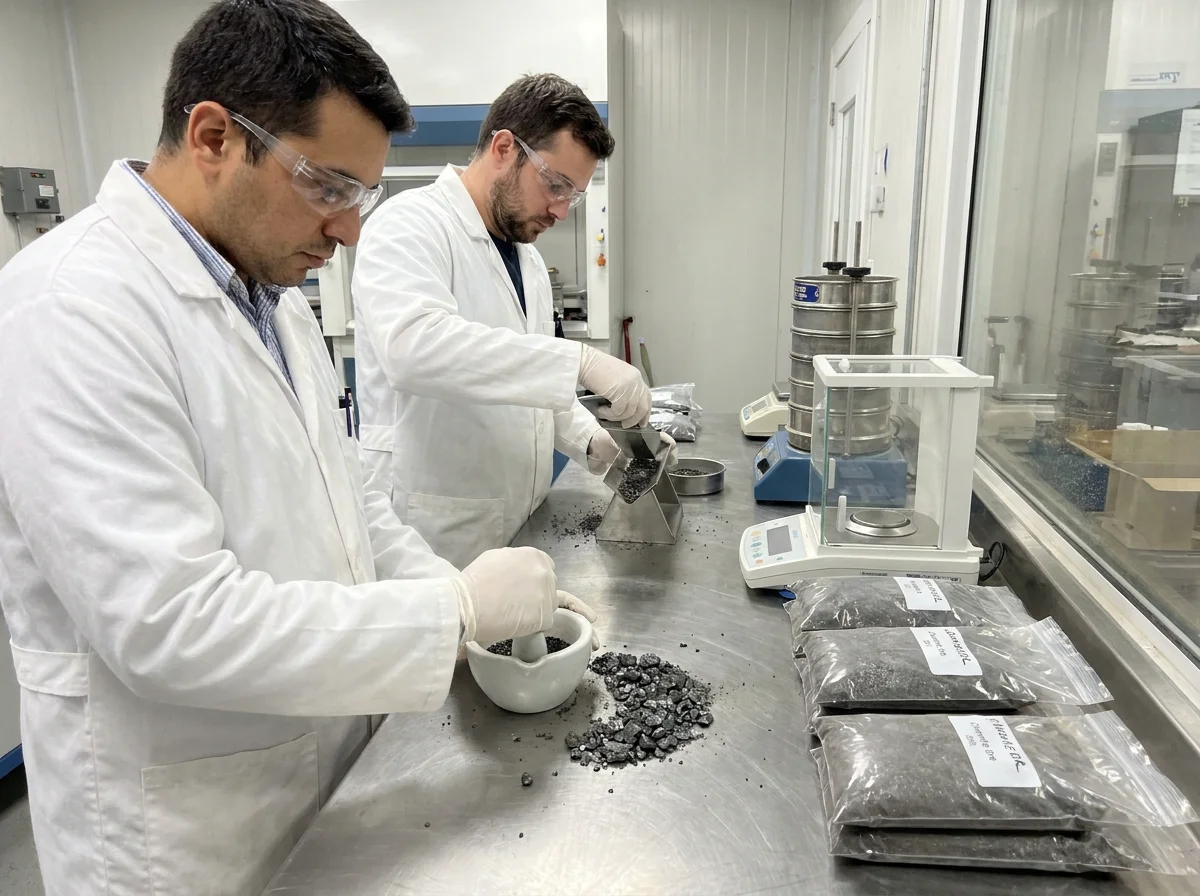
Evidence is what turns a promise into a contract term. Daa Minerals says that testing or independent inspection by providers such as SGS, Intertek and PCSIR can be coordinated when requested and agreed, and that reports stay attributable to the provider that issues them. The buyer’s technical team retains the final say on suitability. Agree in advance:
Which parameters will be tested, such as Cr₂O₃, chrome-to-iron ratio, SiO₂ and moisture
Who takes and seals the samples
Which result governs payment if analyses differ
Whether inspection will take place at loading
Its profile also lists Certificates of Origin, quality certificates, bills of lading and export permits as part of its documentation support. Check that the list matches what your customs authority and bank need.
Logistics and Trade Terms
Chromite from Balochistan travels inland by road before reaching the port. Daa Minerals lists Karachi, Port Qasim and Gwadar as gateway options that may be reviewed, depending on cargo, carrier service and agreement. The TDAP report describes high inland transport costs and rising container freight as pressure points for Pakistani exporters, so ask early how a lot will reach the port.
Use recognised trade terms so that cost and risk are clear. The ICC’s Incoterms rules explain who bears which costs and risks between seller and buyer under each term.
Risks Worth Naming
Reliable sourcing means looking at the weak points. The TDAP report records problems with infrastructure, electricity supply for processing plants, manual mining methods and inconsistent grades in some areas. It also notes regulators’ concerns about unlicensed mining and unpaid royalties. None of this makes sourcing impossible, but it does make due diligence essential. Ask any supplier to describe the licensing and compliance position of the material on offer, and verify the answer independently.
Bringing It Together
Exporting chromite from Pakistan works when both sides are precise: a buyer who defines grade, ratio, impurities, form and quantity, and a supplier who answers with evidence and clear scope. If you are ready to test your requirement, you can send it to Daa Minerals through its enquiry page, including mineral, target grade, quantity, form, packaging and destination. DaaTrade’s main site is the place to continue your market research in the meantime.