
A Step-by-Step Route to Importing Bulk Copper Ore from Pakistan
Buying copper ore in bulk from a country you have not purchased from before can feel like a leap, but it is manageable when you break it into stages. This guide sets out the sequence that careful importers follow, from defining need through to receiving cargo, using Daa Minerals’ stated process as a reference for how a Pakistan-based exporter typically works.
Step 1: Decide What You Are Actually Buying
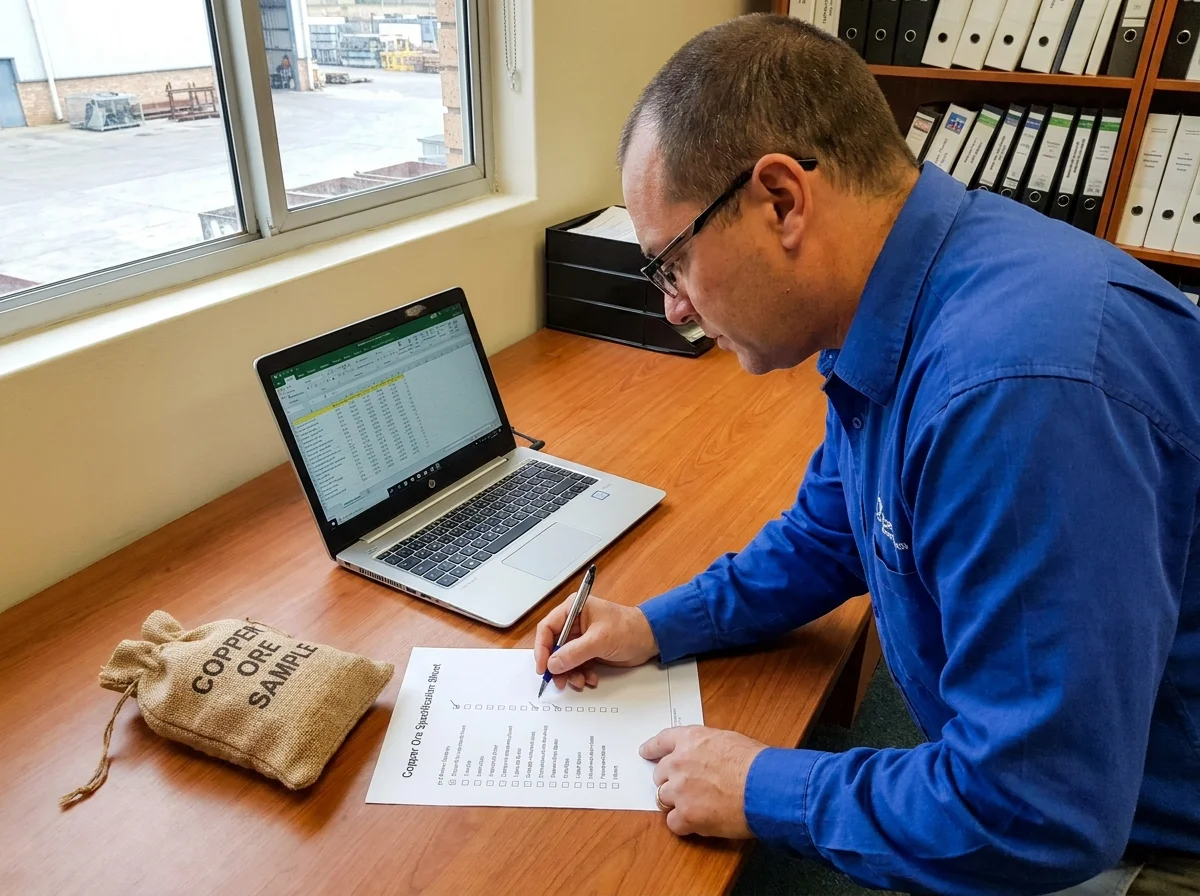
Start internally. Write down the copper content you need, the impurities you can accept, the form and size of the ore, the volume per shipment and the frequency. Include your destination port and any import rules in your country that apply to mineral ores. A short written specification saves weeks of back-and-forth.
Daa Minerals’ profile lists an indicative copper grade of 1–5% to 2–10%. Check that your requirement sits within a range that raw or lightly processed ore can realistically meet. If you need higher-grade concentrate, say so at the outset.
Step 2: Identify and Approach Suppliers
Shortlist a few suppliers and send each the same written requirement. Daa Minerals invites buyers to include the mineral, grade or quality profile, quantity, material form, packaging and destination in an enquiry, which mirrors the information you have just prepared. You can submit it through the company’s contact page.
Look for substantive replies. A good response confirms what can be supplied, flags what cannot, and explains next steps, rather than offering a price and urging you to hurry.
Step 3: Review Source Information and Samples
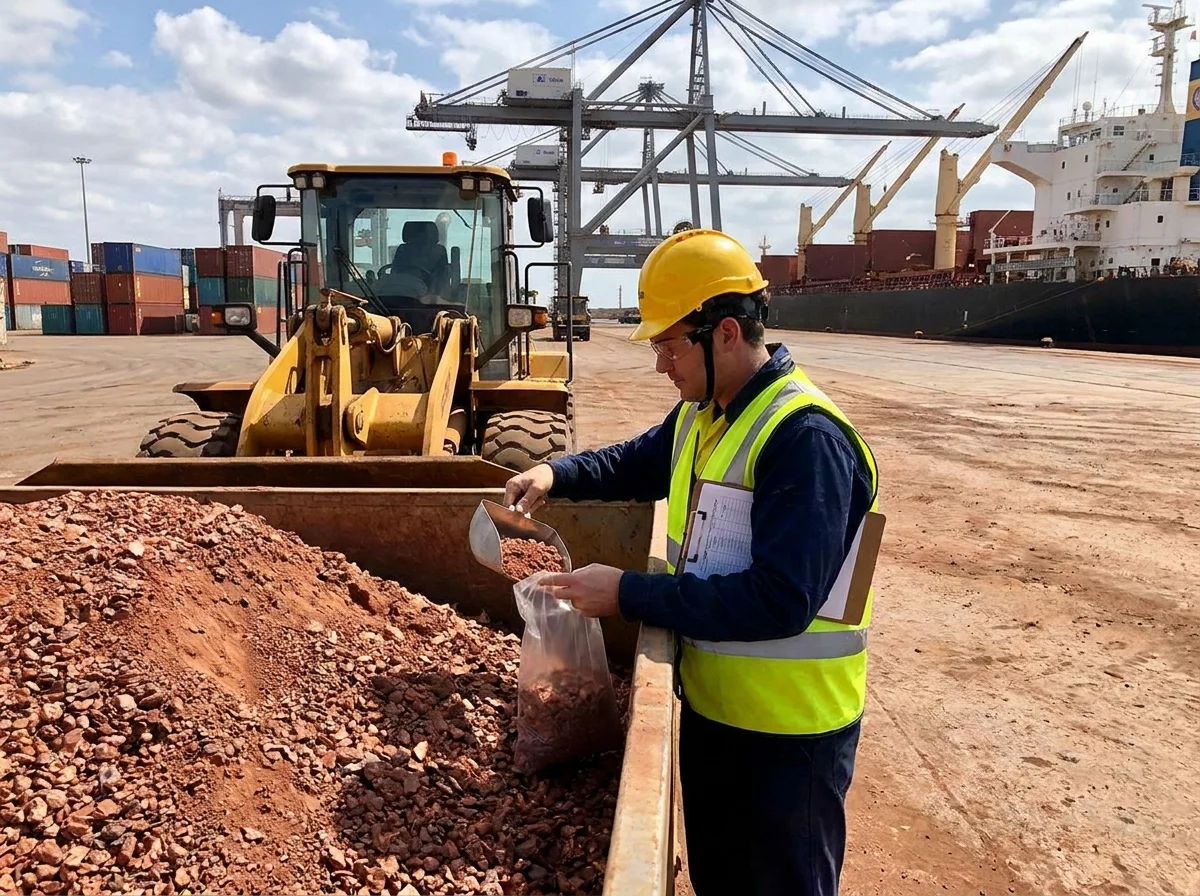
Before any commercial commitment, ask for available material information and a representative sample. The company states that it reviews potential sources against the buyer’s requirements before a commercial proposal or sampling scope is confirmed. Use samples to test the ore in your own laboratory or process, because suitability for your application is your responsibility.
Step 4: Agree Testing and Inspection
Decide how quality will be verified, and put it in writing. Daa Minerals’ profile lists SGS, Intertek and PCSIR as providers for third-party testing and certification, to be coordinated when requested and agreed. Specify:
The parameters to be tested, such as copper content, key impurities and moisture
The sampling method and who witnesses it
Whether inspection occurs at loading as well as at the laboratory
Which result governs payment and how disputes are resolved
Step 5: Settle Commercial Terms
Now the contract takes shape. Cover price basis, trade term, payment method, delivery window, tolerance on quantity and remedy for non-conforming material. The ICC’s Incoterms rules are the standard reference for allocating cost and risk between parties, so choose a rule deliberately and name the port.
For payment, consider structures that balance both sides’ risk, for example staged payments tied to inspection milestones, or a documentary arrangement through your bank. Discuss the options with your bank and, for larger contracts, a trade lawyer.
Step 6: Plan Preparation, Packaging and Logistics
Confirm the material form and packaging, and who arranges each stage. Daa Minerals indicates sorting, sizing and packaging can be coordinated where available and agreed. Its profile mentions covered storage, trucking and rail to ports, and partnerships with carriers for containerised and bulk cargo. Ask for the proposed inland route, the likely export port and the expected timeline. The company lists Karachi, Port Qasim and Gwadar as options that may be reviewed, subject to route and carrier availability.
Step 7: Check the Documents
An export shipment depends on its paperwork. The company profile lists Certificates of Origin, quality certificates, bills of lading and export permits as part of its documentation. Ask for draft copies before shipment, and compare them against your contract and your customs requirements. Errors in names, quantities or descriptions are a common cause of delay at discharge.
Step 7a: Prepare for Arrival
Arrange your import clearance, port handling, storage and onward transport before the vessel arrives. If you plan arrival testing, book the laboratory in advance and agree the sampling procedure with the supplier. Keep retained samples, because they matter if a dispute arises.
Step 8: Review and Build the Relationship
After the first shipment, compare actual results with the contract. Share findings with the supplier, and agree on improvements for the next lot. Repeat business tends to run more smoothly because both sides know the specification, the documents and the route.
Common Mistakes to Avoid
Starting without a written specification. The supplier cannot meet a requirement that was never defined.
Relying only on supplier-provided results. Independent testing protects both parties.
Overlooking local import rules. Some countries regulate the import of ores or require particular certificates.
Underestimating inland transport. The road leg can be the most uncertain part of the journey.
Moving too fast to volume. A trial lot is a low-cost way to test the whole chain.
Risk and Due Diligence
Mineral trading carries real risks: quality variation, route disruption, regulatory change and counterparty reliability. Ask each supplier direct questions about its licences, sources and routes, and verify answers independently where the value justifies it. For wider market context, the USGS copper commodity summary provides public data on production, trade and consumption.
Ready to Begin
The path to a successful bulk copper ore purchase from Pakistan is a sequence of clear decisions: define the specification, verify the material, agree the terms and check the documents. When you are ready to begin, send your requirement to Daa Minerals via its enquiry page, and the team can review it against available source options. You can also explore the operations and supply chain page to see how the company describes its storage, transport and shipping coordination before you write.