
What Drives Copper Ore Pricing in Pakistan? A Buyer’s Look at Export Cost Factors
Buyers searching for the price of copper ore in Pakistan usually want one number. There isn’t one, and any page that publishes a single figure without context is either outdated or incomplete. Copper ore is priced by combining the value of the contained metal with a series of adjustments for quality, preparation, logistics and risk. This article walks through those factors so you can read a quotation intelligently, even though Daa Minerals does not publish fixed prices and the company states that pricing is confirmed per enquiry.
Why There Is No Single Price
Three things make a universal “Pakistan copper ore price” impossible.
The first is variability. Ore from different sources and lots differs in copper content, mineral form and impurities, so two lots at the same nominal grade can be worth different amounts to a smelter.
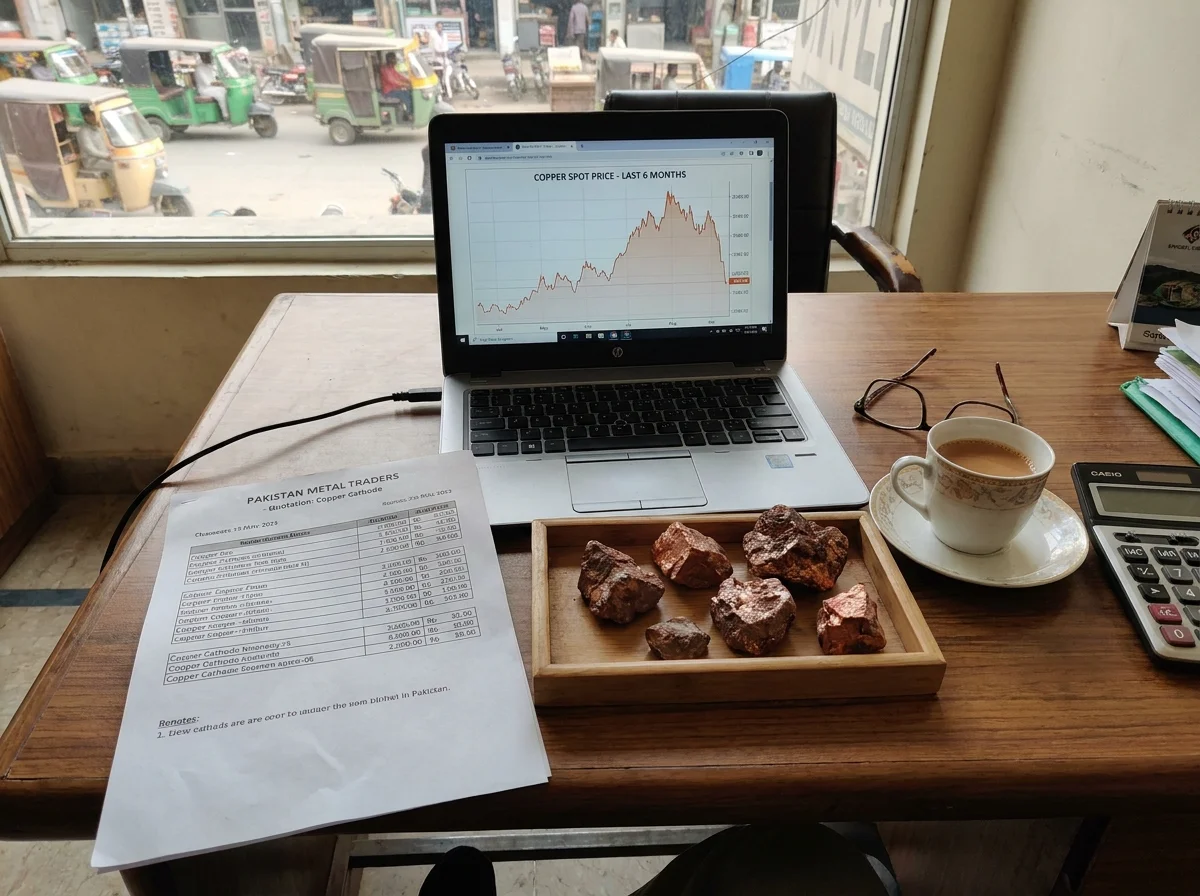
The second is the benchmark. The value of contained copper follows global market movements, so a quotation is a snapshot of a moving target. A price valid today may be reconsidered next week.
The third is scope. A quotation might cover ore at the mine gate, at the port or delivered to your destination, and these are very different numbers.
The Core Value Drivers
Contained copper and the global benchmark
At its simplest, the more copper per tonne, the higher the value per tonne. Buyers typically work out the payable copper in a lot, apply a payable percentage, and relate it to an international reference price. Because global prices move with demand, supply and currency shifts, the USGS copper summary is a useful public resource for understanding the market background, including production, trade and consumption patterns.
Impurities and penalties
Some elements reduce what a smelter will pay, or trigger penalties. If a lot contains more of such elements than your process tolerates, the effective price falls, or the lot becomes unsuitable. This is one reason a detailed assay matters more than a headline grade.
Moisture and material form
Water is dead weight. Wet ore costs the same to move as dry ore but delivers less copper. Lump, crushed and sized material may also be priced differently because preparation takes effort and equipment.
Costs That Sit Between the Mine and Your Port
Preparation
Sorting, crushing, sizing and packaging add cost. Daa Minerals indicates these steps can be coordinated where available and agreed, so any quotation should say exactly which steps are included.
Testing and inspection
Third-party analysis and pre-shipment inspection are paid services. The company’s profile lists SGS, Intertek and PCSIR among providers, and testing is coordinated when requested and agreed. Decide who pays for each round of testing and include it in your cost comparison.
Inland transport
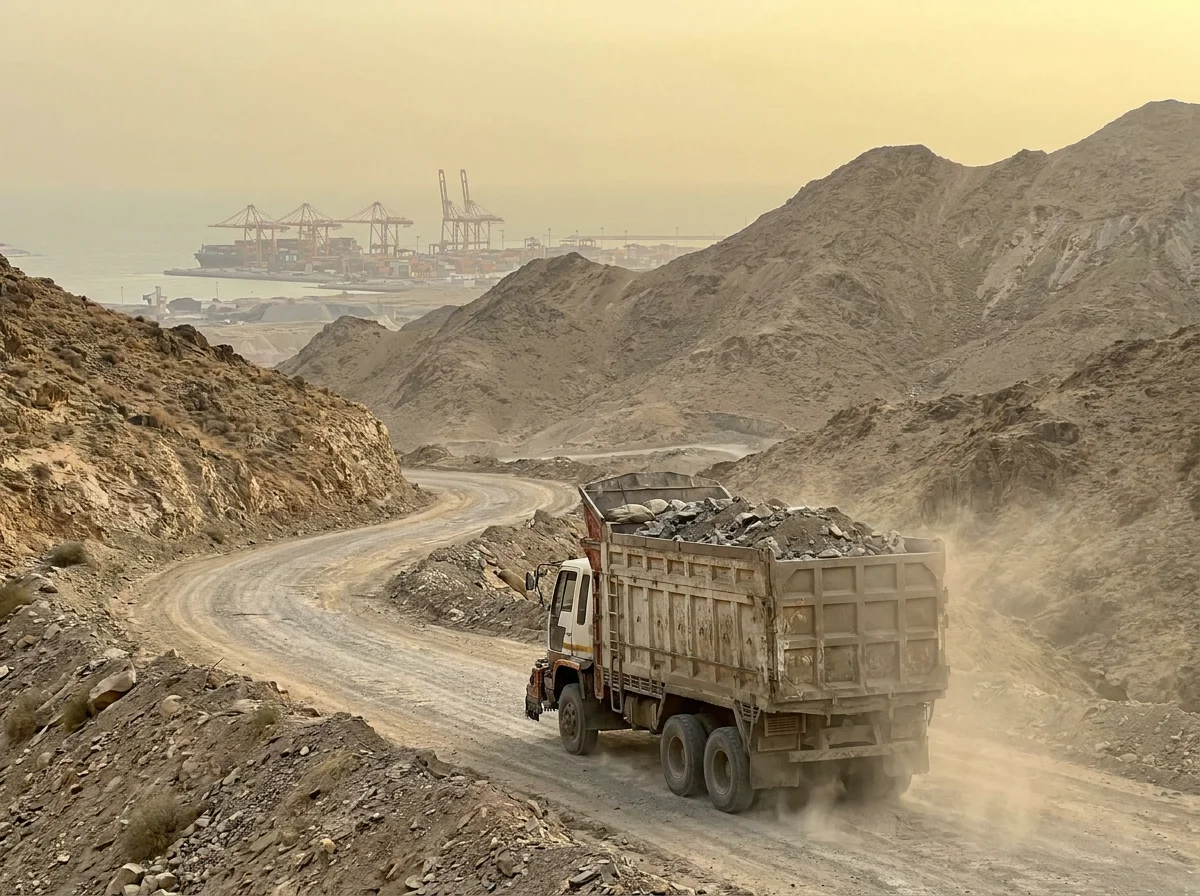
Moving material from the source to the port is often a significant line item for bulk minerals, and it varies by distance, route conditions and the availability of trucks or rail. The company profile mentions trucking and rail logistics from mines to ports.
Port handling, documentation and freight
Port charges, export documentation and ocean freight complete the chain. Daa Minerals indicates that Karachi, Port Qasim and Gwadar may be reviewed as gateway options, and that final selection depends on cargo and carrier availability. Freight rates change with vessel demand, so ask how long a freight quotation remains valid.
How Trade Terms Change the Number You See
The same material can carry very different headline prices depending on the Incoterm. A price quoted ex-works excludes nearly all transport, while a cost-and-freight price includes carriage to your destination port. The ICC’s Incoterms guidance explains how responsibilities and costs are allocated under each rule. When you compare offers from different suppliers, convert them to the same Incoterm first, or you will compare unlike things.
Commercial and Risk Factors
Beyond physical costs, quotations reflect risk. Payment terms matter: a supplier asked to ship on open credit will price in that exposure. Volume matters too, since a larger programme can justify more efficient logistics. Route and security conditions can also affect cost and timing, which is why buyers should ask how a particular lot reaches the port. Regulatory changes, such as new export procedures or charges, can alter costs between quotation and shipment, so request that any validity period and the treatment of regulatory changes be stated in writing.
How to Request a Meaningful Quotation
To get a quotation you can compare, provide:
Target copper content and acceptable range
Impurity limits that matter to your process
Material form, size and moisture limit
Quantity per shipment and expected frequency
Packaging requirements
Preferred Incoterm and destination port
The testing and inspection you expect
Your payment terms
Ask the supplier to itemise preparation, testing, inland transport and port costs separately, so you can see where the money goes and where you could save.
Avoiding Pricing Traps
Being drawn by the lowest figure. A cheap quotation may exclude testing, packaging or documentation.
Ignoring validity. Check how long the price holds and what triggers a revision.
Mixing grade bases. Make sure each quotation uses the same grade, moisture basis and test method.
Accepting unsupported claims. Be sceptical of promises of fixed prices or guaranteed timing before the lot has been reviewed.
Taking the Next Step
Price transparency in copper ore comes from understanding what sits behind the number. If you want a quotation built around your specification, you can send your requirement to Daa Minerals through its Request a Quote page, including grade, quantity, form, packaging and destination. The team will review your requirement against available sources, and any commercial terms remain subject to written agreement.