
Why Pakistan Is a Growing Source of Agricultural and Biomass Export Products
Pakistan does not top the list when most buyers think of global agricultural exporters. That conversation usually starts with larger economies and bigger trade volumes. For buyers willing to look beyond the biggest names, though, Pakistan offers raw material scale, processing cost advantages and an expanding biomass sector that deserve serious consideration.
A Substantial Agricultural Base
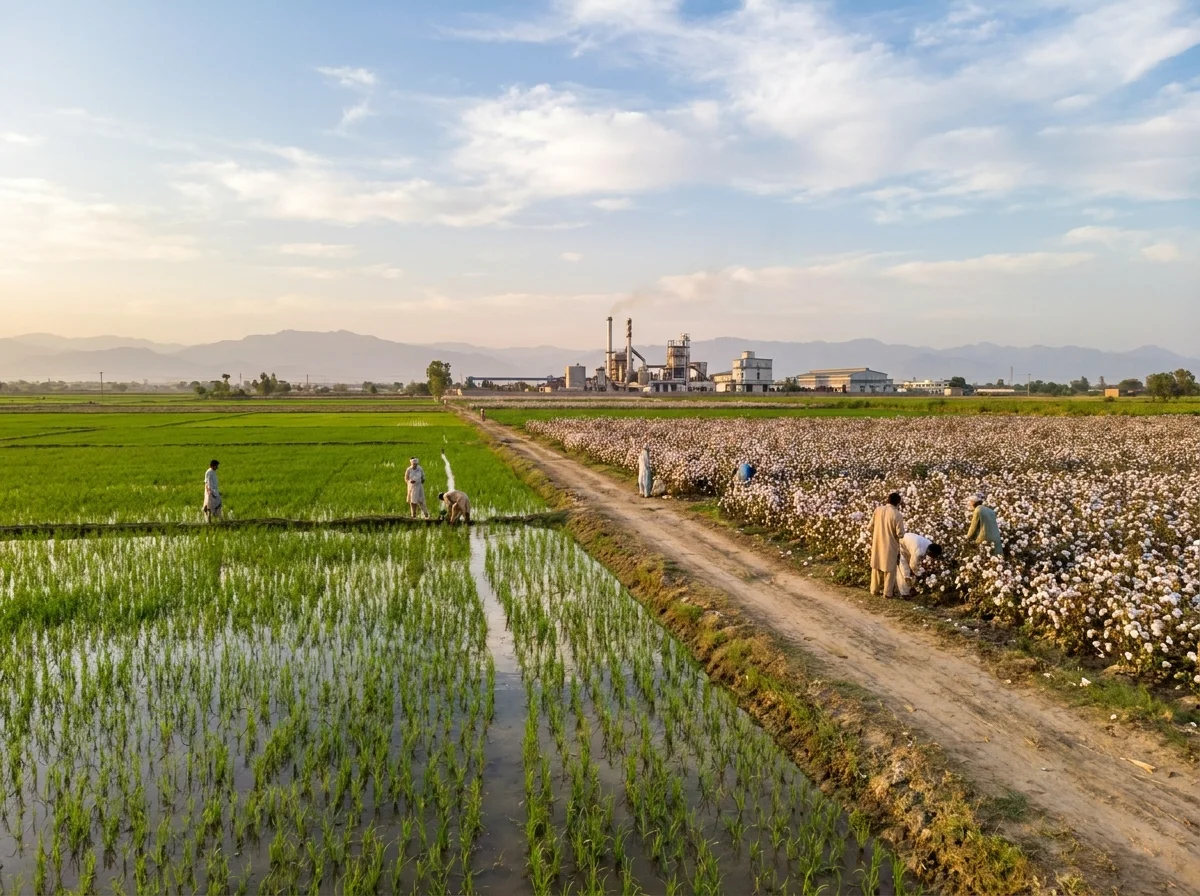
Pakistan's agricultural exports remain anchored by rice, cotton and other staple crops, and textiles and agricultural products together make up a large share of the country's total exports. Beyond those established categories, the residue from the same crops (corn cob, bagasse, rice husk and cotton sticks) is a genuinely underused resource that processors are increasingly turning into export products.
Growing Crop Residue Volumes
Research modelling Pakistan's circular bio-economy projects that total crop residue volumes will rise by 57% between 2018 and 2036, with maize residue alone expected to more than double. That gives the biomass export sector an expanding raw material base rather than a static or shrinking one.
Policy Support for Biomass Utilisation
Pakistan's Alternative and Renewable Energy Policy sets targets to raise renewable energy's share of the national power mix substantially, and it names biomass among the technologies expected to contribute. Most of this focus is on domestic power generation, but it also drives investment in the drying, grading and densification infrastructure that supports export-quality biomass products.
Cost Competitiveness
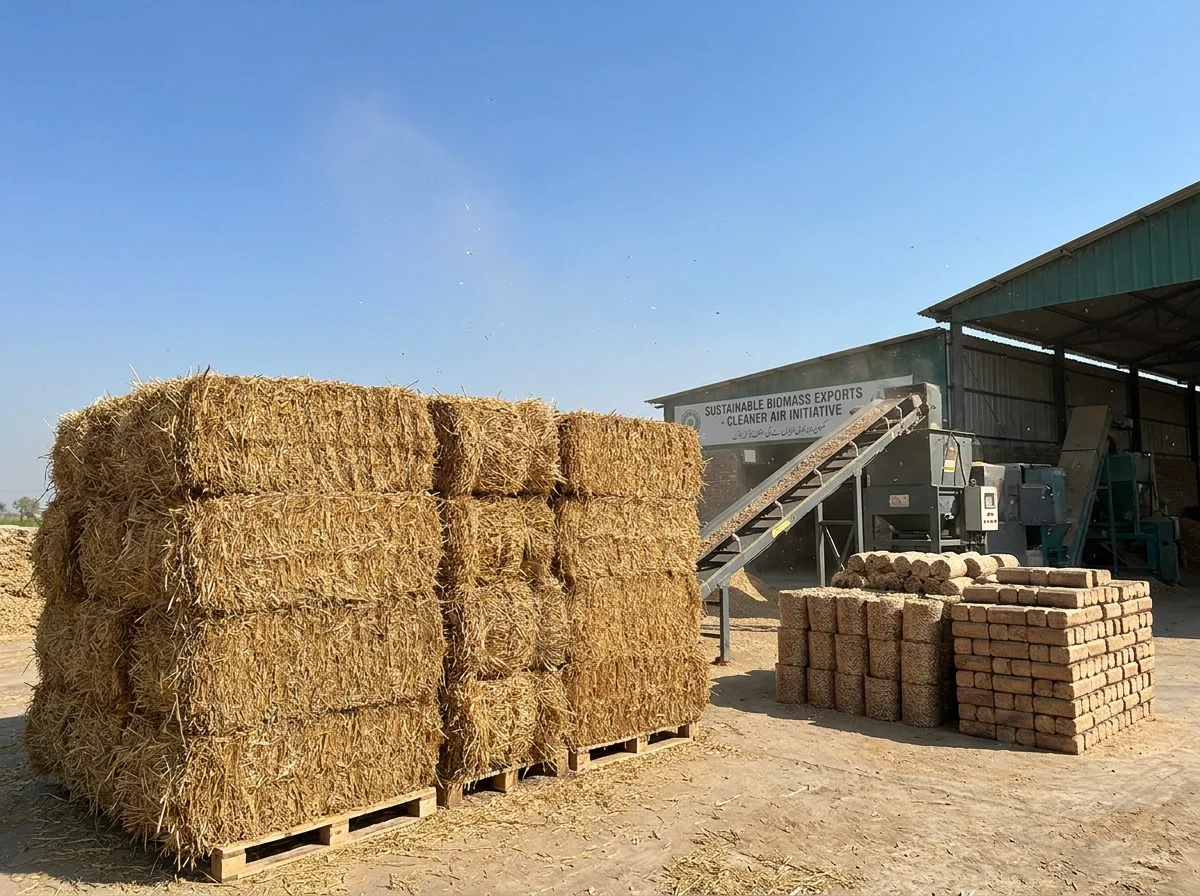
Processing and labour costs in Pakistan remain generally lower than in several other agricultural exporting regions. This lets processors offer competitively priced corn cob products, biomass pellets and briquettes while still meeting the quality specifications international buyers require.
A Real Sustainability Benefit
Sourcing biomass from Pakistan is not only a commercial decision. It connects to an environmental shift under way in the country, where exports of processed residue give farmers an economic alternative to field burning, a practice that remains a significant contributor to seasonal air quality problems across Punjab and neighbouring regions.
What This Means for International Buyers
For buyers, the picture is a supplier base with a growing supply of raw material, competitive processing costs and expanding drying, grading and densification capacity. The trade-off is that a maturing sector needs careful supplier selection, so it pays to specify your product clearly, test samples and confirm documentation before scaling up an order.
Getting Started
Daa Agri Limited works with agricultural and biomass processors across Pakistan and helps international buyers evaluate this growing market, from initial product specification through to sourcing, sampling and export documentation.