
Why Basmati Smells the Way It Does: Aromatic Rice Explained
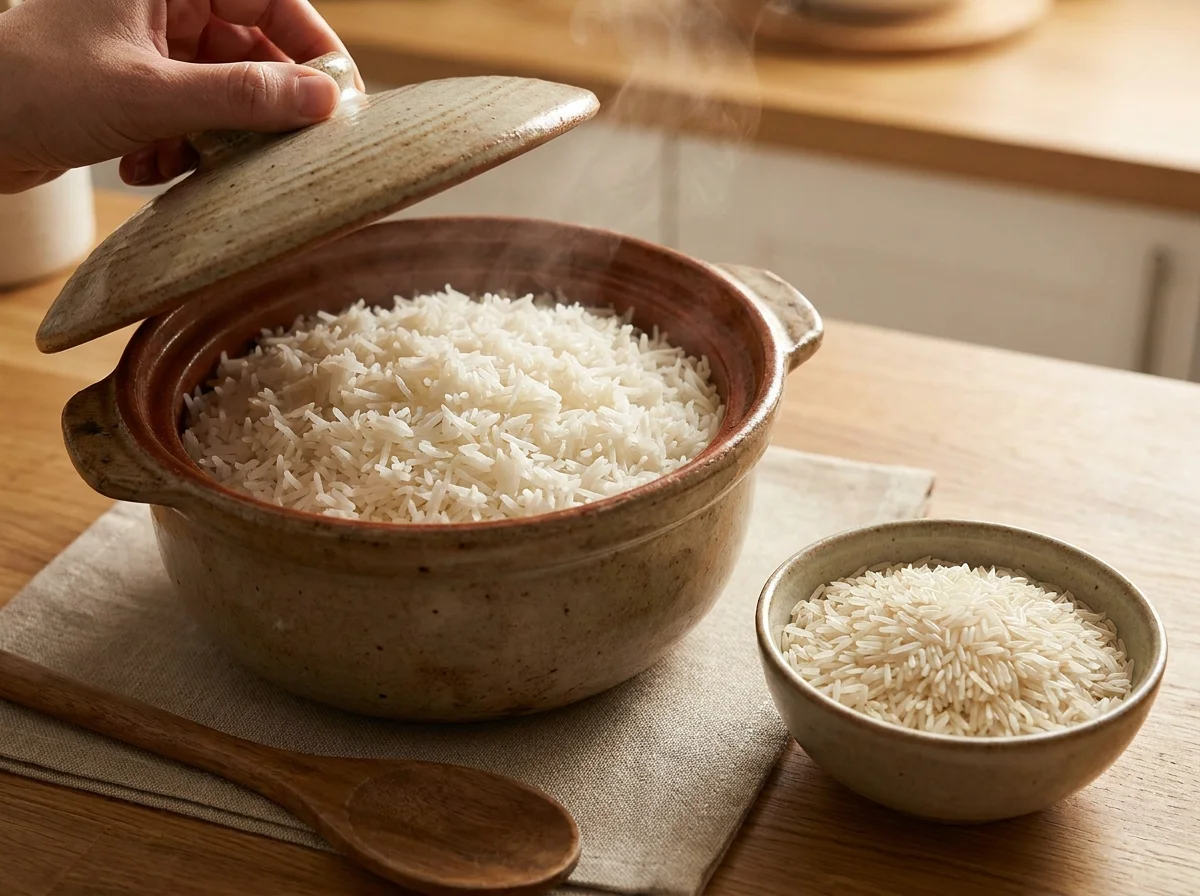
Ask anyone who cooks basmati regularly what sets it apart from other long-grain rice, and aroma is usually the first thing they mention. That nutty, almost popcorn-like smell that fills the kitchen as basmati cooks is not a marketing description. It comes from a specific, naturally occurring compound, and understanding it explains why some batches of basmati smell stronger than others.
The Compound Behind Basmati Aroma
The main aroma compound in basmati and other fragrant rice varieties is 2-acetyl-1-pyrroline, usually shortened to 2AP. It is present only in tiny concentrations, measured in parts per billion, yet the human nose is extremely sensitive to it. That is why such a small amount produces a noticeable smell during cooking.
Research summarised on PubChem and in food chemistry literature identifies 2AP as the same compound responsible for the aroma of freshly baked bread crust and jasmine rice. This is partly why basmati is so often compared to warm bread or toasted popcorn rather than to anything floral.
Basmati produces 2AP because of a natural variation in a specific gene involved in the plant’s biochemical pathway. Most rice varieties make very little of the compound. Aromatic varieties, basmati among them, carry a version of the gene that allows 2AP to build up as the plant grows, both in the grain and elsewhere in the plant.
Why Aroma Strength Varies Between Batches
If one bag of basmati smells noticeably stronger than another, several factors are usually behind it:
• Variety: traditional basmati types and certain hybrid basmati varieties differ in how much 2AP they naturally produce.
• Growing conditions: soil, climate and the specific region where the crop was grown all influence aroma intensity. This is part of why basmati from the traditional Himalayan foothill belt is often considered especially fragrant.
• Ageing: rice aged for several months to a year after milling tends to develop a fuller aroma and firmer texture than freshly milled grain.
• Storage conditions: aroma compounds are volatile, so rice kept in poor conditions, or exposed to moisture or heat, can lose fragrance over time.
What Aroma Means for Buyers and Cooks
For buyers
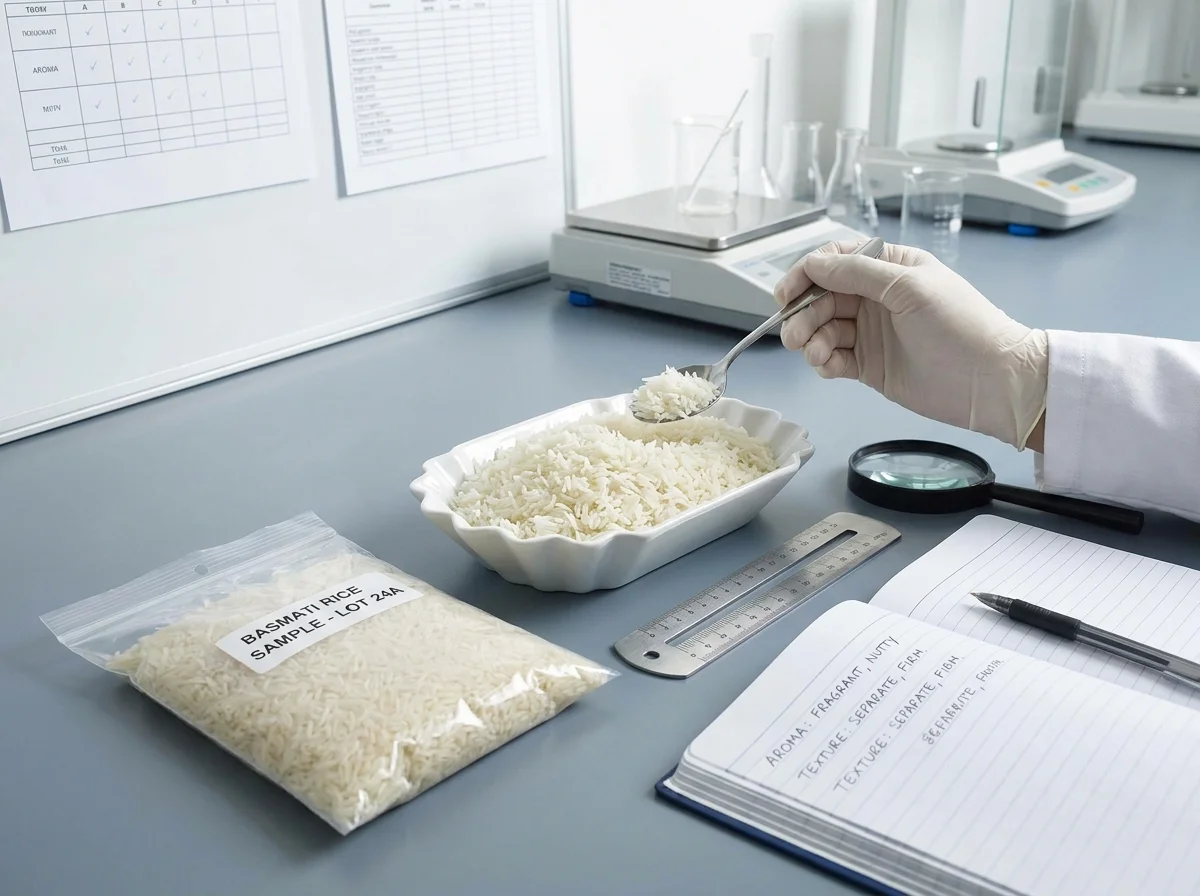
For anyone sourcing basmati for retail or food service, aroma consistency is a genuine quality marker worth testing, not just a matter of preference. Reputable suppliers cook a sample batch before shipment to check aroma and texture, alongside the usual checks on grain length and broken percentage.
For home cooks
The practical advice is simple. Buy aged basmati where possible, store it in a sealed, cool, dry container away from strong odours, and go easy on washing. Rinsing too much can strip away some of the surface starch and aroma compounds along with the dust.
Saremco Impex sources basmati varieties including 1121 and Super Kernel directly from mills in Pakistan’s basmati-growing belt, with aroma and grain quality checked ahead of every shipment. To ask about current stock or request a sample, you can contact the team through the website.