
Where Is Phosphate Rock Found? Global and Pakistani Deposits
Phosphate rock is not spread evenly around the world. A handful of countries hold the vast majority of known reserves, which has real consequences for global fertilizer supply chains. Pakistan is a much smaller player, but it has its own commercially relevant deposits that are worth understanding.
The Global Picture
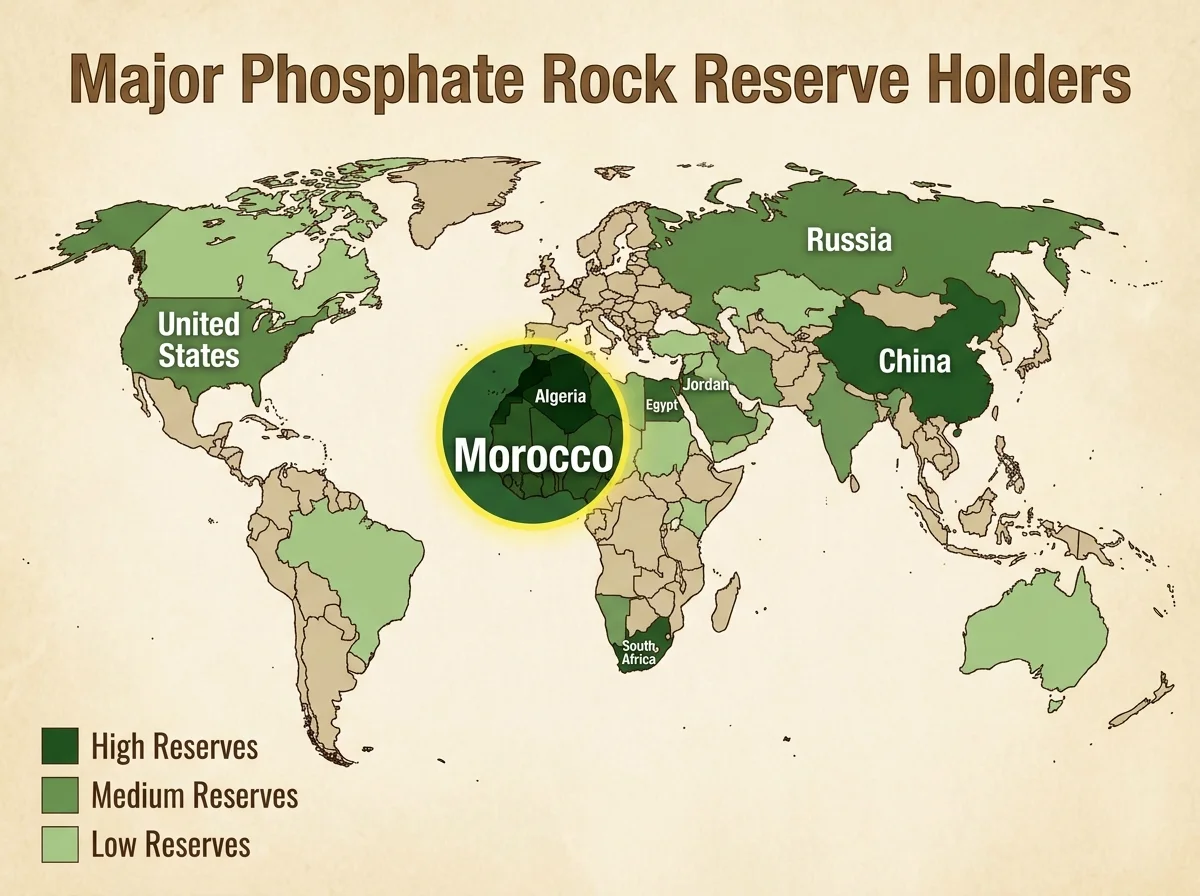
According to USGS data on phosphate rock reserves, Morocco holds by far the largest share of the world's reserves, roughly two-thirds of the global total, and is also a leading producer. China, the United States, Russia, Jordan, Egypt, Algeria and South Africa also hold significant reserves, though each accounts for a much smaller share than Morocco.
Most economically mined phosphate deposits are sedimentary, formed from ancient marine sediments. A smaller number, including some in Russia and Brazil, are associated with igneous carbonatite formations.
Why Reserve Concentration Matters
With reserves so geographically concentrated, global fertilizer supply chains depend heavily on a small group of exporting countries. This has made phosphate rock a recurring subject in discussions of resource security, especially for countries with large agricultural sectors but little or no domestic phosphate. A disruption in a major exporting region can have an outsized effect on fertilizer availability and pricing worldwide.
Pakistan's Phosphate Deposits
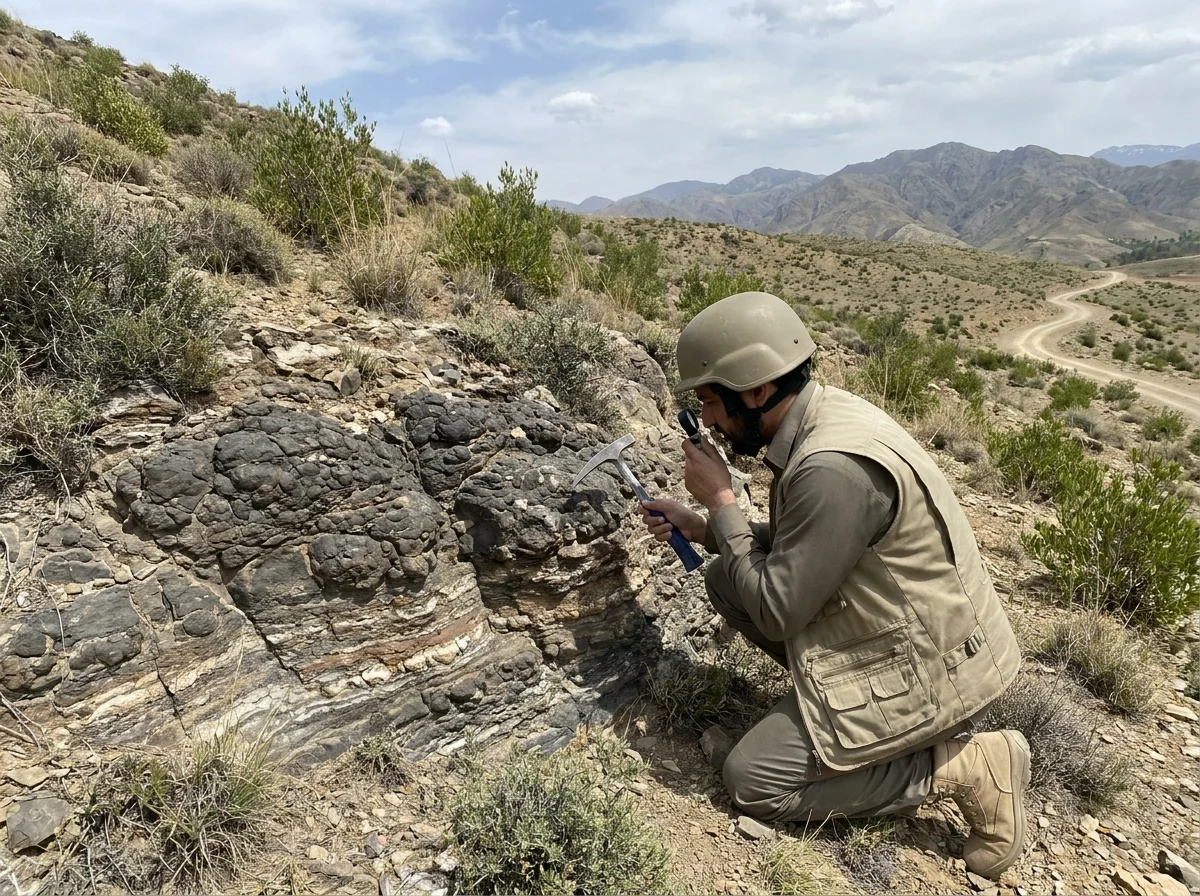
Pakistan's known commercial rock phosphate is concentrated in the Hazara Division of Khyber Pakhtunkhwa, within Abbottabad district, in a belt running roughly from the area near Kakul through Lagarban, Sirban Hill and Dalola. The deposits were identified decades ago and have since been studied extensively by Pakistani geologists, who describe the phosphate as occurring mainly as fluorapatite hosted in dolomite and chert of Cambrian-age sedimentary formations.
More recently identified occurrences have been documented in nearby parts of Abbottabad district, including the Paswal Mian, Banseri and Shahkot localities, as reported by Pakistan's Geological Survey.
Grade and Scale Compared to Major Producers
The Hazara deposits are modest next to the billions of tons held by Morocco or China. Historical estimates put proven reserves at several million to around 18 million tons across the various Hazara localities, with grades commonly between roughly 10% and 35% P2O5 depending on location. This is one reason Pakistan has historically topped up domestic mining with imported phosphate rock from countries such as Jordan and Morocco to meet the needs of its fertilizer industry.
What This Means for Buyers and Producers
For companies sourcing phosphate rock, knowing where global supply is concentrated helps with long-term planning. Understanding Pakistan's deposit geology helps set realistic expectations about grade and volume when working with domestic suppliers.
DaaTrade connects international buyers with Pakistani rock phosphate producers, including Daa Minerals Limited, who can provide deposit-specific grade information for sourcing decisions.