
What Is Rock Phosphate? Composition, Formation and Why It Matters for Agriculture
Rock phosphate quietly supports global food production, yet most people never come across it directly. It is the primary natural source of phosphorus, a nutrient every crop needs and one that no other element can replace in plant nutrition.
What Rock Phosphate Actually Is
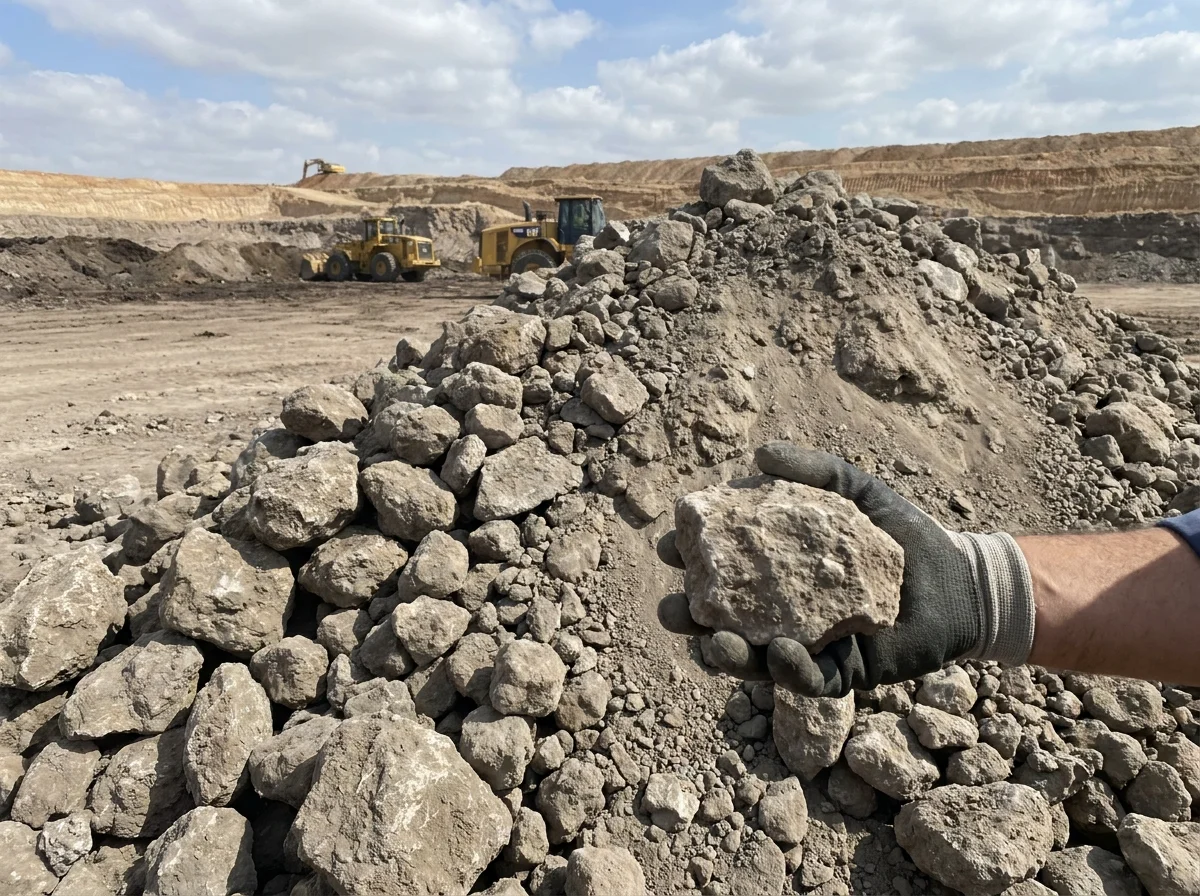
Rock phosphate, also called phosphate rock or phosphorite, is a sedimentary or, less commonly, igneous rock with a high concentration of phosphate minerals, mainly various forms of apatite. These include fluorapatite, hydroxylapatite and carbonate-fluorapatite, and the specific mineral form affects how reactive the rock is when applied to soil or processed into fertilizer.
Phosphorus content is normally expressed as P2O5 (phosphorus pentoxide). Commercial-grade rock phosphate typically ranges from around 20% to over 35% P2O5, depending on the deposit and how much beneficiation the ore has had.
How Rock Phosphate Forms
Most economically significant phosphate deposits are sedimentary. They formed over millions of years as organic material, particularly marine organisms, accumulated on ancient sea floors where upwelling conditions concentrated phosphorus from seawater. Over geological time those phosphate-rich sediments were buried, compacted and in some cases uplifted into the rock formations that are mined today. A smaller share of global deposits is igneous, linked to carbonatite intrusions, and tends to have a different mineral character from sedimentary phosphorite.
Why Phosphorus Cannot Be Skipped in Agriculture
Phosphorus is involved in a plant's energy transfer, root development and reproduction, roles that nitrogen and potassium cannot take over. Soils that are naturally low in available phosphorus, which includes large areas of tropical and subtropical farmland, limit crop yields no matter how much nitrogen is applied.
This is why phosphate fertilizers made from rock phosphate remain central to modern farming. Ground rock phosphate is also applied directly in some acidic soils, as described in FAO's technical guidance on phosphate rock use in agriculture.
From Raw Ore to Usable Product
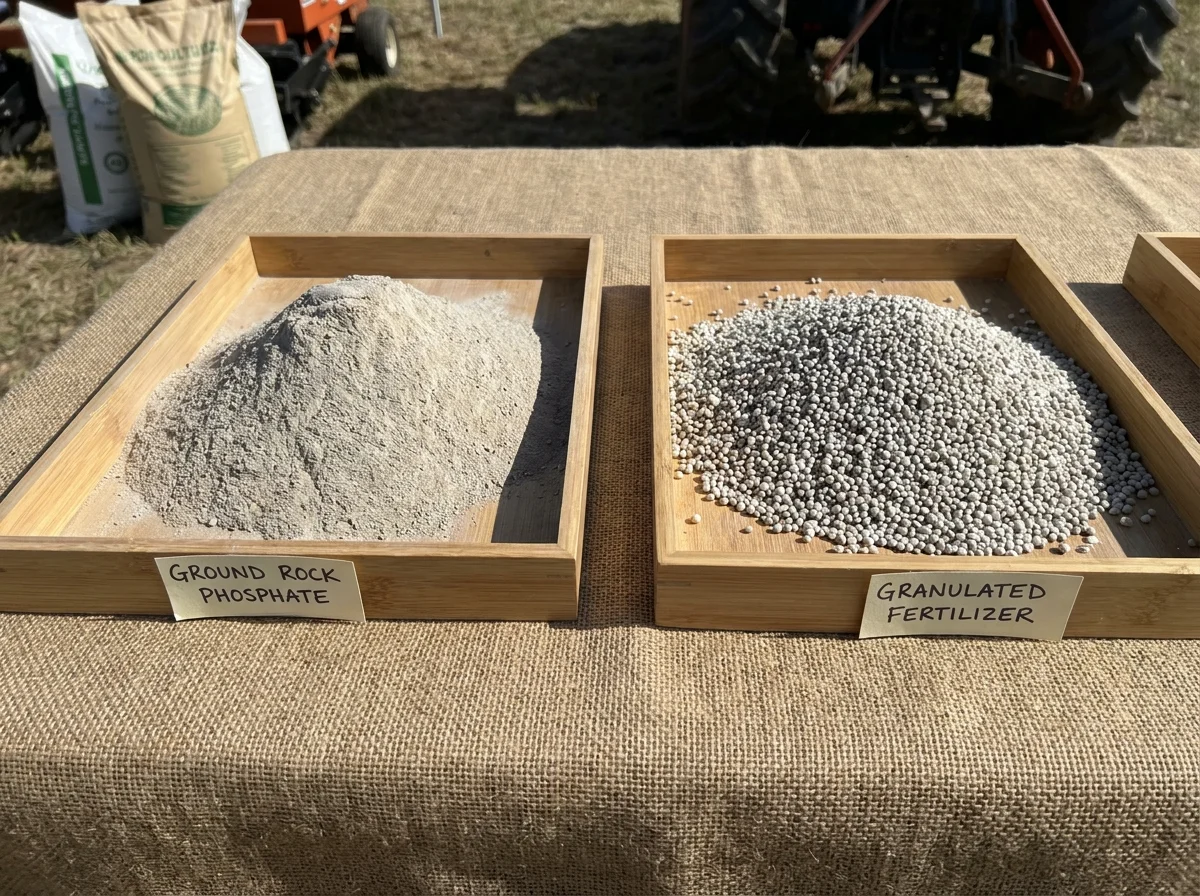
Rock phosphate is rarely used in its raw state for high-input commercial agriculture. It is usually processed into water-soluble fertilizers such as single superphosphate (SSP) or diammonium phosphate (DAP). Lower-grade or more reactive deposits may instead be ground finely enough for direct soil application. Which route makes sense depends on the reactivity of the rock and the acidity of the target soil, since more reactive rock phosphate performs noticeably better when applied directly to acidic soils.
Global and Pakistani Context
Global rock phosphate reserves are concentrated in a small number of countries, and Morocco alone holds the majority of known reserves. Pakistan has smaller but commercially relevant deposits, principally in the Hazara region of Khyber Pakhtunkhwa. These matter to the country's fertilizer and agricultural sectors, although Pakistan still imports rock phosphate to cover demand that domestic mining cannot meet.
Buyers and importers sourcing rock phosphate for fertilizer production or agricultural use can reach suppliers through DaaTrade, which connects international buyers with companies including Daa Minerals Limited. Specification sheets and grade analysis are available for specific sourcing requirements.