
What Is 386 Rice? A Buyer's Guide to PK-386 from Pakistan
Not every buyer needs premium basmati. Where price matters, volumes are large and long-grain quality is required without the aromatic premium, PK-386 rice has long been a practical answer. It sits in an unusual spot in Pakistan's rice export range: non-basmati by classification, but physically much closer to basmati than IRRI-6 or IRRI-9.
What Is PK-386 Rice?
PK-386, usually called 386 rice or "Lal Rice" in the local trade, is a non-basmati long-grain variety grown in Punjab. It has been part of Pakistan's rice exports for decades, with steady demand in the Middle East and Africa, particularly from markets supplying labour camps, government tenders and institutional food service.
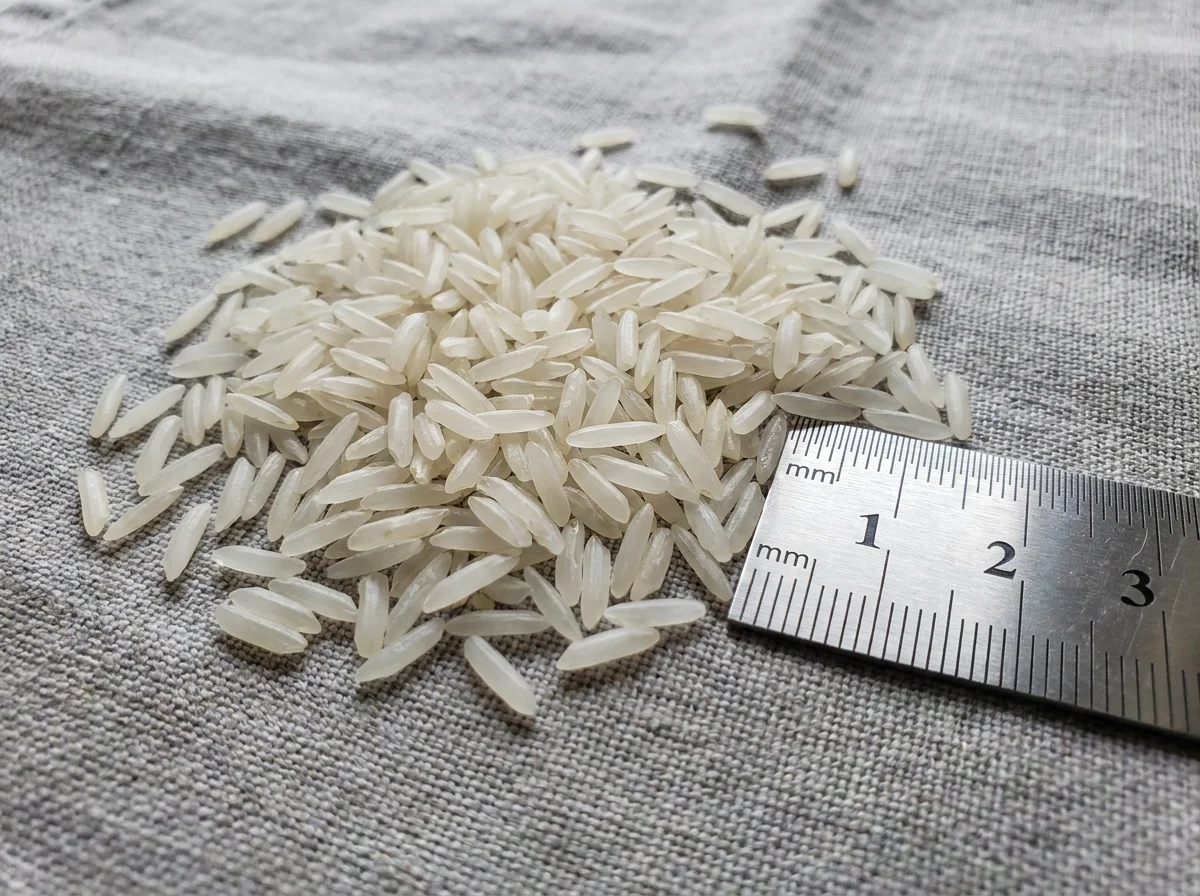
The name comes from its variety registration number, much like the basmati "385" designation. The grain is slender and long, averaging roughly 6.8 to 6.9 mm with a length-to-width ratio of about 4.4:1. Visually it resembles Super Kernel basmati, but it has no natural aroma.
How 386 Rice Compares With Other Varieties
386 vs IRRI-6
PK-386 is noticeably longer and more slender than IRRI-6, and its cooking quality is generally considered better. The grains stay firm and separate after cooking, much like basmati, without the stickier texture IRRI-6 can produce.
386 vs IRRI-9
The two are fairly close in grain length. The differences are that PK-386 is grown only in Punjab and has a different grain profile, with thinner kernels and a slightly higher length-to-width ratio.
386 vs Basmati 385 (Super Basmati)
This is the closest physical match. The two varieties share similar growing regions, grain dimensions and even cooking behaviour. The key difference is aroma: 385 is aromatic basmati, while 386 has no distinguishable fragrance. For buyers who want basmati-like results at non-basmati pricing, 386 has historically been a practical alternative.
Main Uses and Markets
Its mix of long grain, reasonable cooking quality and competitive price makes PK-386 a good fit for bulk institutional supply, including:
• Government and military tenders that need large volumes of long-grain rice at controlled cost.
• Labour camp supply in the Gulf, where consistent quality and value both matter.
• Food manufacturing and catering, where basmati-like grain appearance counts but aroma is not relevant.
• Blending, where suppliers combine 386 with other varieties to hit specific quality and price targets.
The Middle East, particularly the UAE, Saudi Arabia and Oman, is a major destination, and African markets also import meaningful volumes.
PK-386 Quality Specifications
Standard export specifications for PK-386 are:
• Average grain length: 6.80 to 6.90 mm
• Moisture content: 13.5% maximum
• Broken grains: 2% maximum for premium grade; higher broken percentages are available for bulk and institutional supply
• Damaged or discoloured grains: 0.5% maximum
• Foreign matter: 0.05% maximum
• Admixture: 5% maximum
As with all Pakistani rice exports, a phytosanitary certificate, certificate of origin and commercial invoice are standard. Third-party inspection by SGS, Intertek or a similar agency can be arranged on request for buyers who want independent quality verification.
Packaging and Availability
PK-386 is typically supplied in 25 kg or 50 kg woven PP bags, and bulk container shipments are standard. Many exporters offer private label packaging, although 386 is most often traded as a commodity in plain or generic packaging for institutional buyers.
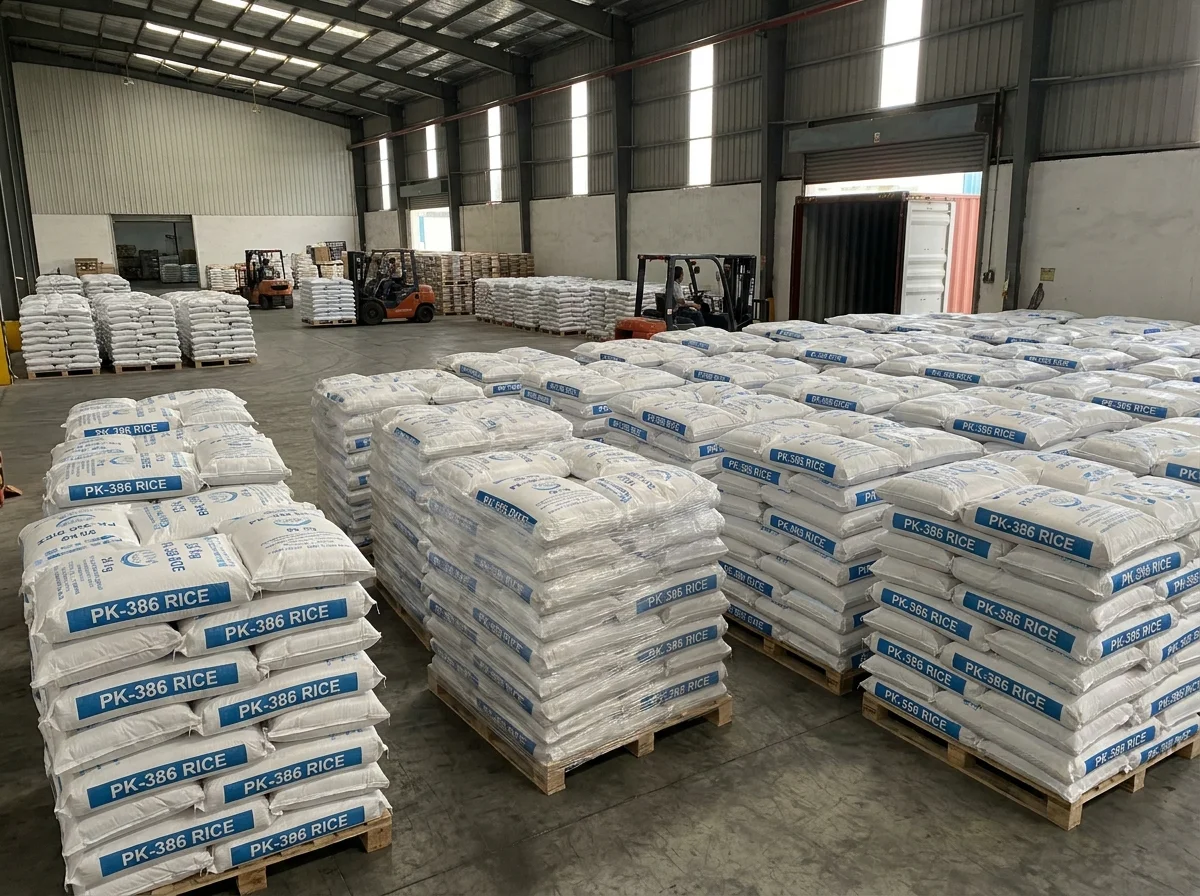
Saremco Impex sources and exports PK-386 rice from Punjab for international buyers. For specifications, pricing and minimum order enquiries, contact the team at saremcoimpex.com.