
What Is 1121 Basmati Rice? A Complete Buyer's Guide
Few rice varieties have changed international trade as much as 1121 basmati. Its grain length and cooking performance set it apart from nearly every other variety on the market, and it has become the default choice for buyers across the Middle East, Europe and beyond. If you are sourcing 1121 basmati rice for the first time, or want to be clear about exactly what you are buying, this guide covers the essentials.
What Makes 1121 Basmati Different?
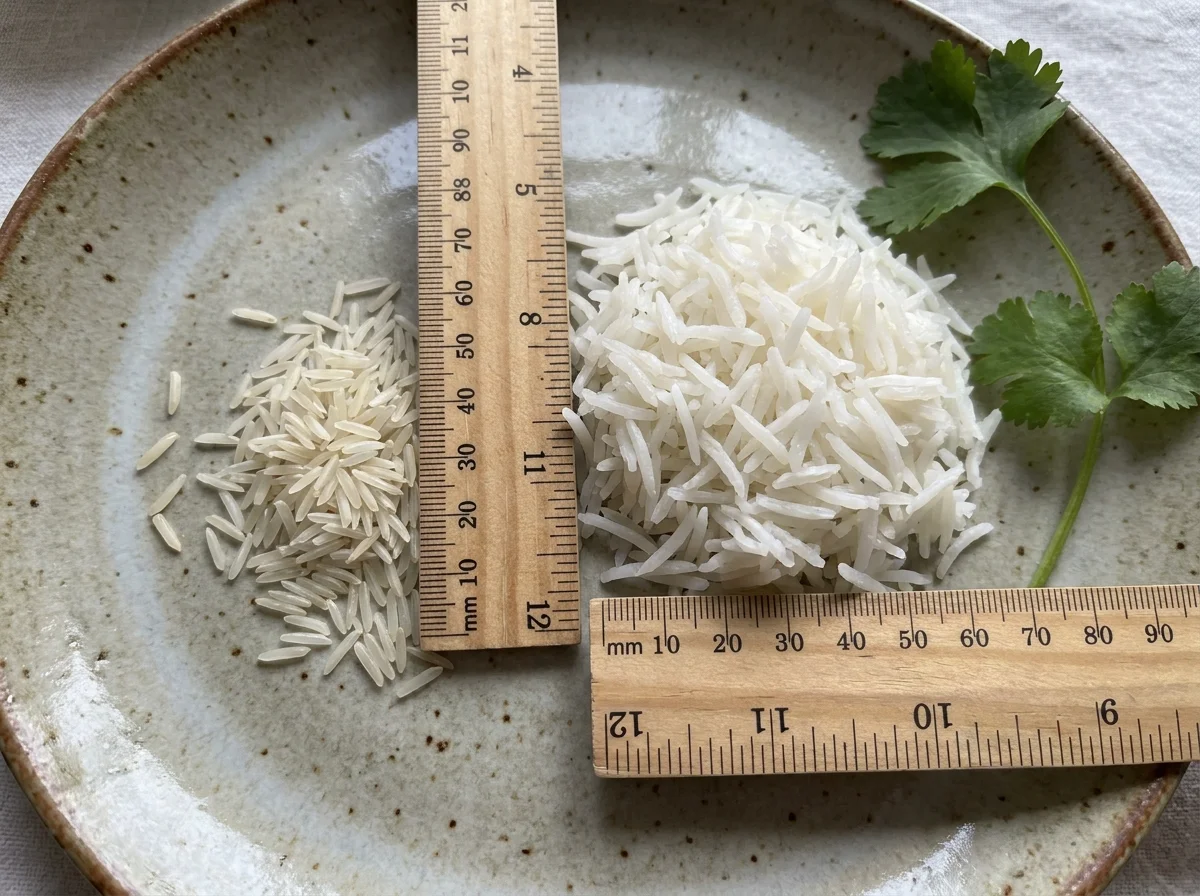
1121 basmati, officially known as Pusa Basmati 1121, was released for commercial cultivation in 2003. It was developed by selective breeding from traditional basmati varieties and quickly found a market because of one standout trait: grain length. Raw grains average around 8.3 to 8.5 mm, and once cooked they can stretch to roughly 20 to 22 mm, about two and a half times their original size. No other commercially grown basmati matches that elongation ratio. More detail on the variety's development is available from The Rice Journal (SpringerOpen).
Beyond length, 1121 has a naturally fragrant aroma and cooks into fluffy, separate, non-sticky grains. Together these qualities explain why it dominates international basmati trade.
Key Quality Specifications for 1121 Basmati Rice
When assessing 1121 basmati for import, these are the main technical parameters to look at:
• Grain length: 8.3 to 8.5 mm raw, elongating to around 20 to 22 mm after cooking
• Moisture content: maximum 12 to 13%
• Broken grains: maximum 1 to 2% for export grade
• Foreign matter: nil or trace
• Damaged or discoloured grains: maximum 1%
• Sortex cleanliness: 100% for premium grades
These benchmarks can shift slightly with the processing type and the supplier's grade, so ask for a Certificate of Analysis (COA) with any commercial offer.
Processing Variants: White, Steam, Sella and Golden Sella
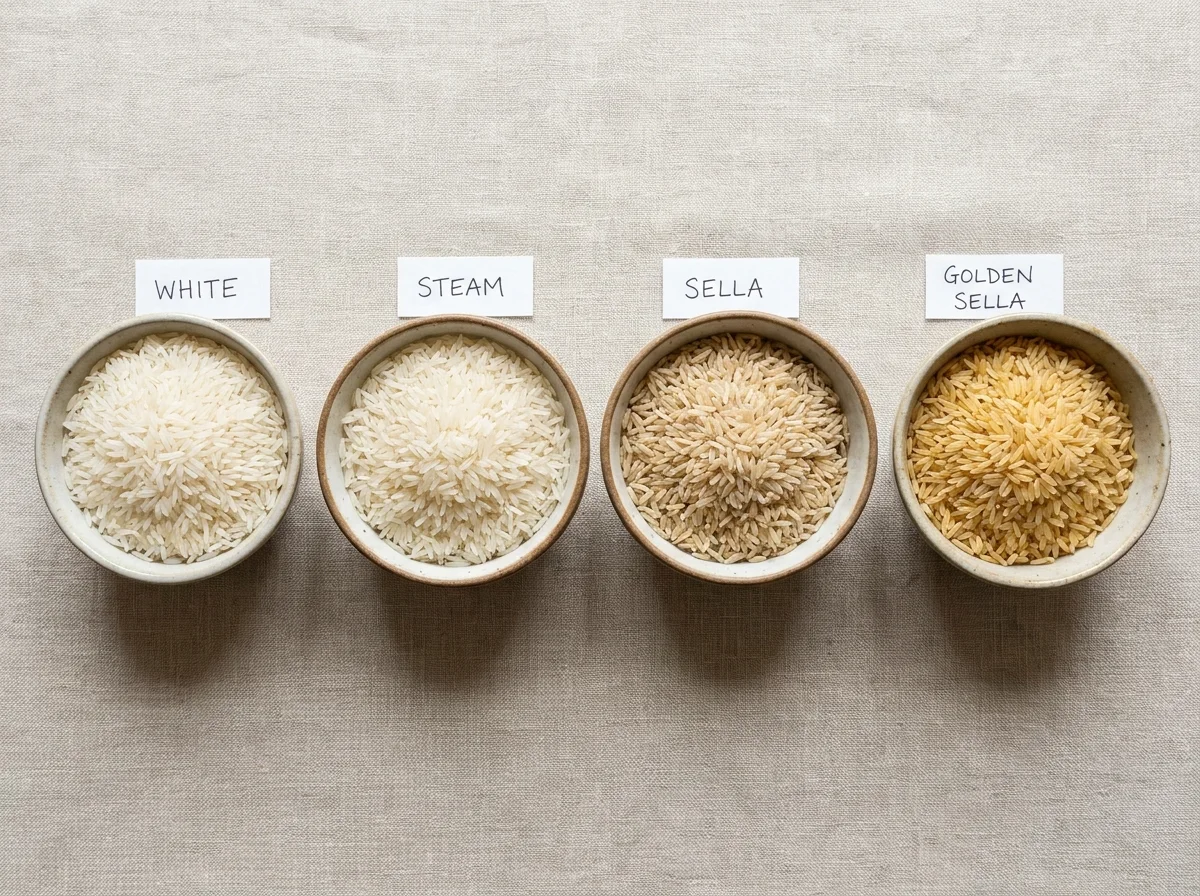
1121 basmati is supplied in four main processed forms, each suited to different end uses.
• White (raw): milled directly from paddy without parboiling. The grain is naturally white and softer when cooked, which makes it the standard choice for retail markets where appearance matters.
• Steam basmati: lightly steamed during processing, which helps retain aroma and gives a slightly firmer grain than raw white. Widely used in retail and foodservice.
• Sella (parboiled): soaked, steamed and dried before milling. The grain firms up considerably and turns creamy white. It is preferred in bulk catering, institutional supply and markets that value shelf life and grain firmness.
• Golden sella: similar to sella but with a golden hue from the parboiling process. Demand is strong in Middle Eastern and African markets.
Which Markets Import 1121 Basmati Rice?
The variety dominates export volumes from both Pakistan and India, the only two countries that produce genuine basmati rice. Major import markets include Saudi Arabia, the UAE, Iraq, Iran, the United Kingdom and much of Western Europe. It is also well established in North America, Australia and parts of Africa. For official trade data and import requirements, UN Comtrade provides country-level statistics by HS code.
What to Check Before Placing a Bulk Order
Buying 1121 basmati rice in commercial quantities takes more than agreeing a price per tonne. Before you order:
• Request a sample lot from the actual production batch, not a showcase sample.
• Confirm the crop year. Aged rice (12 to 24 months after harvest) typically offers better aroma and cooking performance and commands a premium.
• Clarify the processing type and grade your target market needs.
• Check the packaging options. Common export formats are 25 kg and 50 kg woven PP or non-woven bags, and private label and custom branding are often available.
• Review the supplier's certifications for your destination market, such as ISO, HACCP and halal approvals.
Sourcing 1121 Basmati from Pakistan
Saremco Impex supplies 1121 basmati rice in white, steam and sella forms directly from Pakistan's Punjab region, for retail distribution, foodservice and private label. You can submit a sourcing enquiry through saremcoimpex.com to discuss specifications, pricing and minimum order quantities.