Pakistani Copper Ore Explained: Grade Ranges, Quality Checks, End Uses and Destination Markets
“What grade is it?” is the first question every copper ore buyer asks, and it is also the most easily misunderstood. A number on a data sheet does not tell you whether the ore will perform in your process. This article explains what grade means for copper ore, how quality is checked, where the material is used and which markets a Pakistani exporter such as Daa Minerals targets.
Reading a Copper Ore Grade Properly
Grade is the percentage of copper contained in the ore by weight. Daa Minerals’ company profile lists an indicative copper grade of 1–5% to 2–10%. That is a wide range, and it reflects a real feature of the trade: ore varies by deposit, by lot and by how it has been sorted.
Three points help you read any grade figure.
First, copper ore at these levels is a raw or lightly processed material. Higher-grade copper products usually come from concentration steps, and they are a separate product category with different pricing logic.
Second, copper content is not the whole picture. The mineral form matters, because oxide and sulphide ores behave differently in processing. The impurities matter too, since elements such as arsenic can create penalties at the smelter.
Third, indicative figures are not guarantees. Daa Minerals states that availability, final specifications and pricing remain subject to source review and written agreement. A responsible buyer builds the final grade into the contract as an acceptance range with a named test method.
How Quality Is Verified
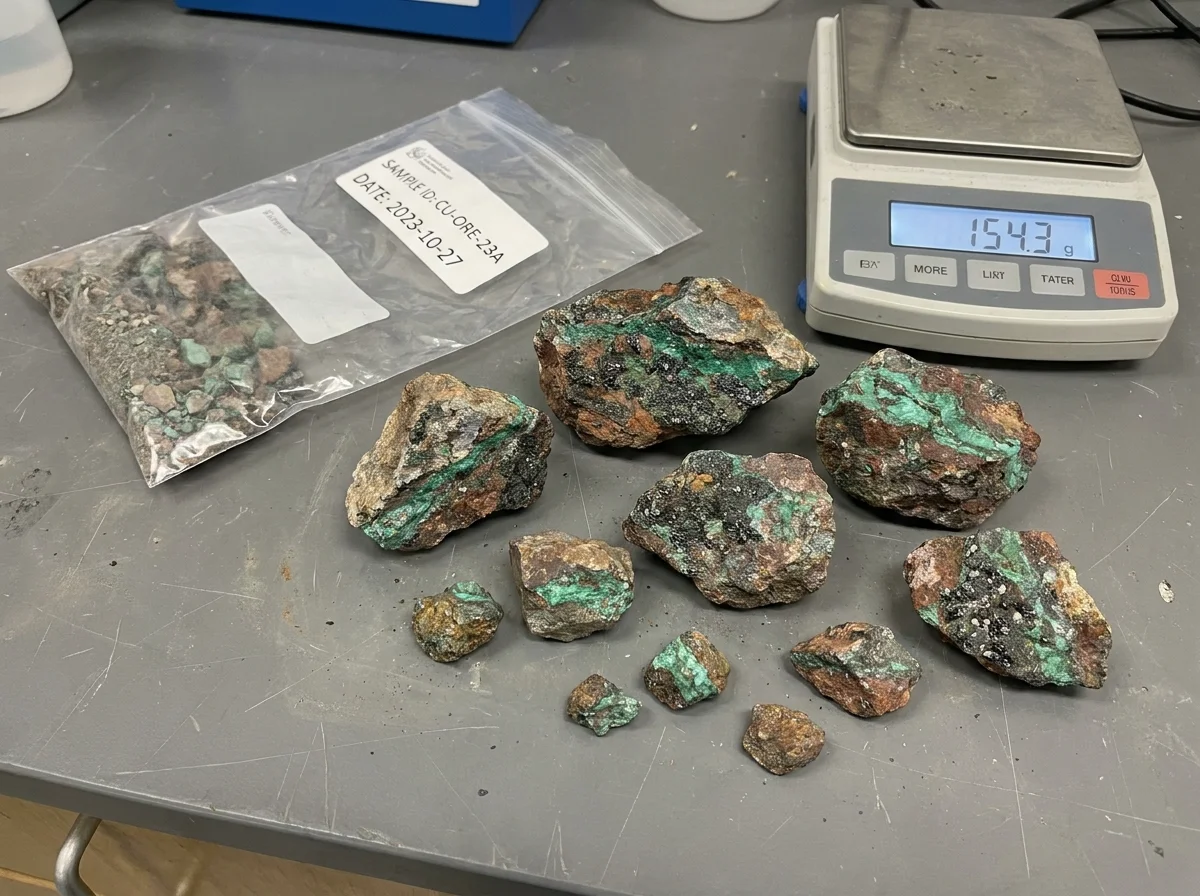
Quality assurance starts with sampling, because a poor sample makes a precise assay meaningless. The sample must represent the lot, taken by an agreed method and sealed before it travels.
Daa Minerals’ profile lists SGS, Intertek and PCSIR among the providers for third-party testing and certification, and says verification can be coordinated when requested and agreed. In practice, buyers often combine three layers:
Supplier data: an initial assay to confirm the lot is worth pursuing
Independent pre-shipment testing: a laboratory or inspection company samples and tests at the load point
Arrival testing: the buyer’s own or an independent laboratory checks the cargo at the discharge port
Settle in advance which result governs payment if the parties disagree. Many contracts use the independent pre-shipment result, with a clause for umpire analysis if the parties dispute the findings.
Also remember that moisture is part of quality. Wet ore weighs more but contains less copper per tonne delivered, so moisture needs an agreed limit and a measurement method.
Where Copper Ore Ends Up: Applications
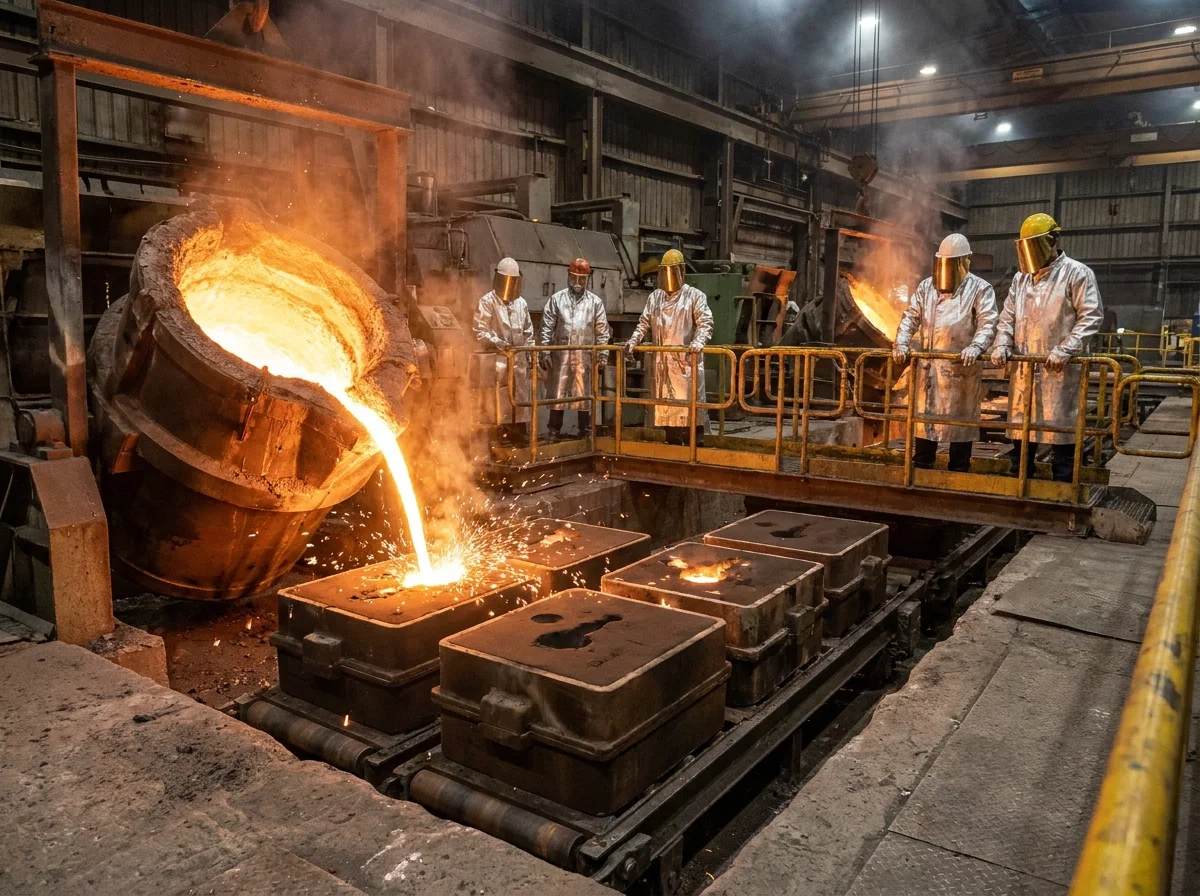
The profile lists applications including electrical wiring, construction, electronics, renewable energy, industrial manufacturing, copper smelting and automotive. Ore does not go straight into any of these. It is processed, typically by crushing, concentrating and smelting, into refined copper, and the refined metal then enters the end-use sectors. The ore buyer is therefore usually a smelter, a concentrator operator or a trading house supplying them.
For background on how copper flows through the global economy, the USGS copper commodity summary is a clear, public starting point. It covers world production, trade, and the main consuming sectors in one place.
Why does this matter for your purchase? Because your processing route decides which specifications you care about. A smelter focused on throughput will watch impurities and moisture closely. A buyer reprocessing small volumes may care more about particle size and consistency.
Destination Markets in the Company Profile
Daa Minerals’ profile names China, Japan, South Korea, India, the EU and the USA as target markets for copper ore. Each market has its own habits worth anticipating.
China, Japan and South Korea host large smelting and metals industries and tend to have detailed technical specifications and established inspection routines.
India is both a large consumer and a near neighbour, which can shape freight options and lead times.
The EU and the USA often add documentation and compliance expectations, including traceability and responsible-sourcing questions. If you buy for these markets, ask early what evidence your own customers will require.
Naming a target market in a profile is not a promise of current shipments, and the company’s website says route and destination suitability are reviewed per enquiry. Use the list as an indication of where the company aims to work, not as proof of volumes.
Preparation Options That Affect Quality
Sizing, sorting and packaging can change how the same ore performs in your plant. Daa Minerals indicates that sorting, sizing and packaging can be coordinated where suitable sources and facilities are available, and that customised sizing and packaging appear among its value-added services. If you need a specific size range, state it in the enquiry, along with whether you will accept run-of-mine material or require crushed product.
Common Quality Mistakes Buyers Make
Buying on the headline grade alone. Ignoring impurities and moisture leads to surprises at the smelter.
Skipping a shared sampling protocol. Two good laboratories can still disagree if they tested different samples.
Leaving the test method unspecified. Different methods produce different numbers.
Assuming that one lot represents the next. Ask whether the supplier can maintain consistency across shipments.
What to Include in Your Enquiry
A useful enquiry names the intended process, a target and minimum copper content, impurity limits, material form and sizing, quantity, packaging, destination port and the verification you expect. With that, a supplier can say honestly whether it can match the requirement.
Next Step
Quality in copper ore is built from clear definitions, representative samples and transparent testing. If your requirement fits the range described above, you can share it with Daa Minerals via its enquiry page, and the team can review it against available sources. If you want to understand how the company handles testing and documentation before you write, its quality and certifications page is worth reading first.