
Top Basmati Rice Importing Countries in 2026
Basmati rice moves through a fairly concentrated set of global markets. A handful of countries account for most of the demand, so knowing which markets are growing, which are shrinking and why gives buyers and new exporters a clearer picture than headlines alone.
The Middle East Remains the Core Market
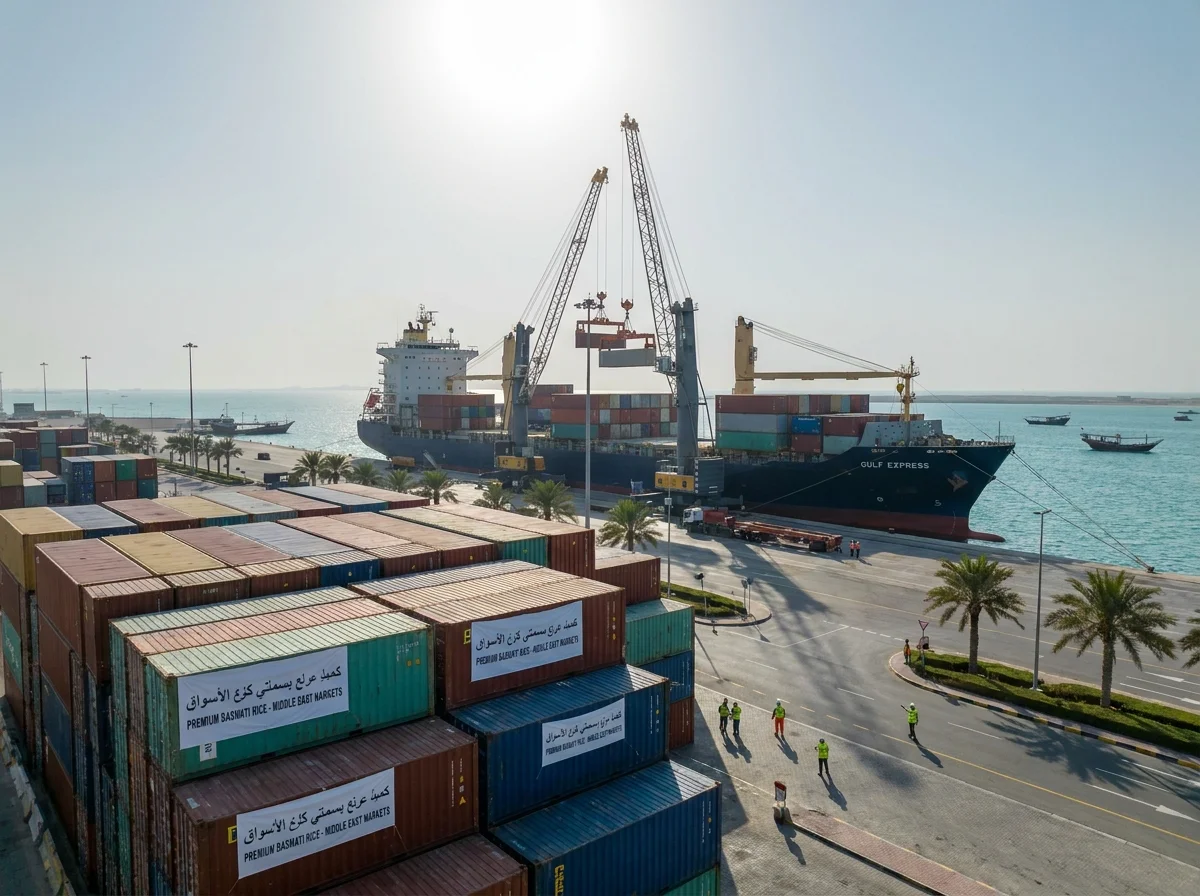
Saudi Arabia, Iraq, Iran, the UAE and Yemen have consistently ranked among the top destinations for basmati, and in recent years together they have accounted for roughly half of global basmati trade by value. Saudi Arabia has been the largest single buyer for several years running, supported by steady household and food service demand for long-grain aromatic rice as a dietary staple.
Data compiled by India's Agricultural and Processed Food Products Export Development Authority (APEDA) shows the same pattern. Saudi Arabia, Iraq, Iran, Yemen and the UAE were the top five destinations for basmati exports by value in the 2023-24 fiscal year, and between them they made up close to half of total basmati export value.
Why Gulf Demand Can Be Volatile
Demand in the Gulf does not move in a straight line. Regional political tensions, shipping disruption on routes such as the Strait of Hormuz, currency fluctuations and periodic import policy changes in individual countries can all shift order volumes from one quarter to the next. Exporters serving the region usually build some flexibility into their contracts and spread their sales across several Gulf markets instead of relying on one country.
Growing Markets Outside the Traditional Core
Beyond the established Middle Eastern buyers, a few other markets deserve attention.
• United States: A steady, quality-conscious buyer, mostly through retail and food service channels serving South Asian and Middle Eastern communities.
• United Kingdom and EU: Interest has been rising, partly because of growing demand for authentic South Asian cuisine and partly because buyers want to diversify supply chains away from any single region.
• China: Import volumes have risen sharply in percentage terms over the past couple of years, though from a smaller base and under strict quarantine and testing requirements for imported rice.
What This Means for Buyers and Exporters
For buyers, demand concentrated in a few markets means price and availability can react quickly to news from just a handful of countries. For exporters, it shows the value of building relationships in more than one region. A supplier established in the Gulf, the US and Europe is generally better placed to absorb a slowdown in any single market.
When you assess a supplier, keep three points in mind:
• Confirm which markets the supplier ships to regularly. A track record across several regions suggests more resilient sourcing capacity.
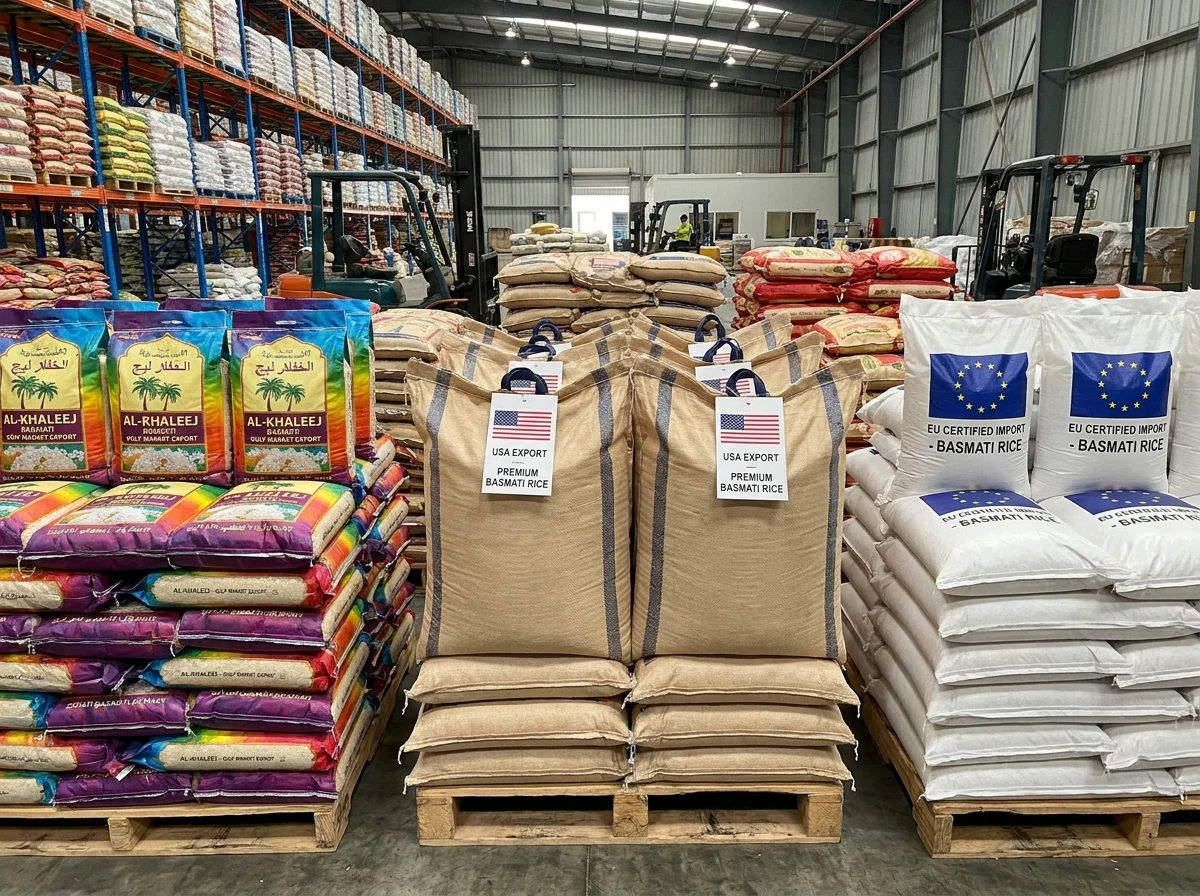
• Ask how the supplier handles packaging and quality requirements that differ by destination, since Gulf, US and EU buyers often specify different packaging and labelling standards.
• Allow for regional volatility when timing orders, particularly for shipments to the Middle East.
Saremco Impex exports basmati varieties including 1121 and Super Kernel to buyers in several regions, with export documentation and packaging adapted to destination-market requirements. To discuss a shipment to your market, get in touch through saremcoimpex.com.