
Table Salt vs Himalayan Salt vs Sea Salt: What’s the Difference?
Walk down a supermarket aisle and you will find table salt, sea salt and Himalayan pink salt sitting side by side, often at very different prices. All three are fundamentally the same compound, sodium chloride. What separates them is how each is sourced and processed, and those differences are worth understanding before you decide which one belongs in your kitchen or on your shelf.
Table Salt: Refined and Fortified
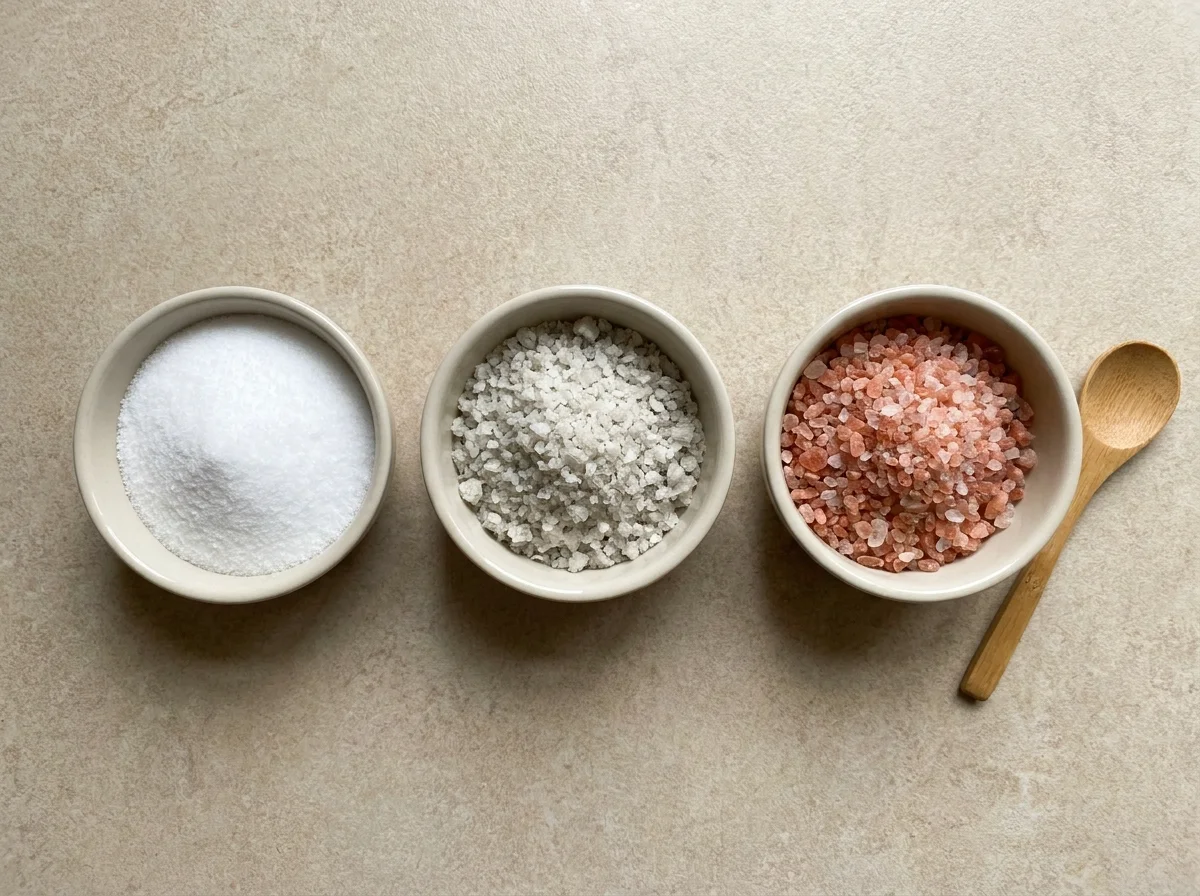
Table salt is typically mined from underground deposits or produced through solution mining. It is then heavily refined to remove trace minerals and impurities, leaving a nearly pure, fine-grained sodium chloride.
Most table salt sold for household use is iodised, meaning a small amount of iodine has been added. The practice was introduced decades ago to prevent iodine-deficiency disorders in populations without regular access to iodine-rich foods such as seafood.
Because the grains are so fine and uniform, table salt dissolves quickly and measures consistently. That is why it remains the standard choice for baking, where evenly distributed salt matters to the chemistry of the recipe.
Sea Salt: Evaporated and Less Processed
Sea salt is made by evaporating seawater, either naturally through sun and wind in shallow ponds or through accelerated industrial evaporation. It retains more of the trace minerals found in seawater and generally goes through less processing than table salt. The result is usually a coarser, more irregular crystal, with subtle flavour differences depending on where the water was sourced.
Sea salt is rarely iodised. Its trace mineral content is slightly higher than that of refined table salt, but still too small to change its nutritional profile in any meaningful way. The differences are mostly about texture and flavour, not health.
Himalayan Pink Salt: Mined Rock Salt
Himalayan pink salt is a rock salt. It is mined rather than evaporated, primarily from deposits in Pakistan’s Punjab region. Processing is comparatively light, typically just crushing and grading by crystal size, which is why the salt keeps its pink to reddish colour from trace iron oxide, along with small amounts of other minerals.
Chemically, it is around 97 to 98 percent sodium chloride, similar to table and sea salt. As Medical News Today points out, there is no strong evidence that pink salt is meaningfully more nutritious than other salt types, despite its reputation as a purer or healthier option.
Which Salt Should You Use?
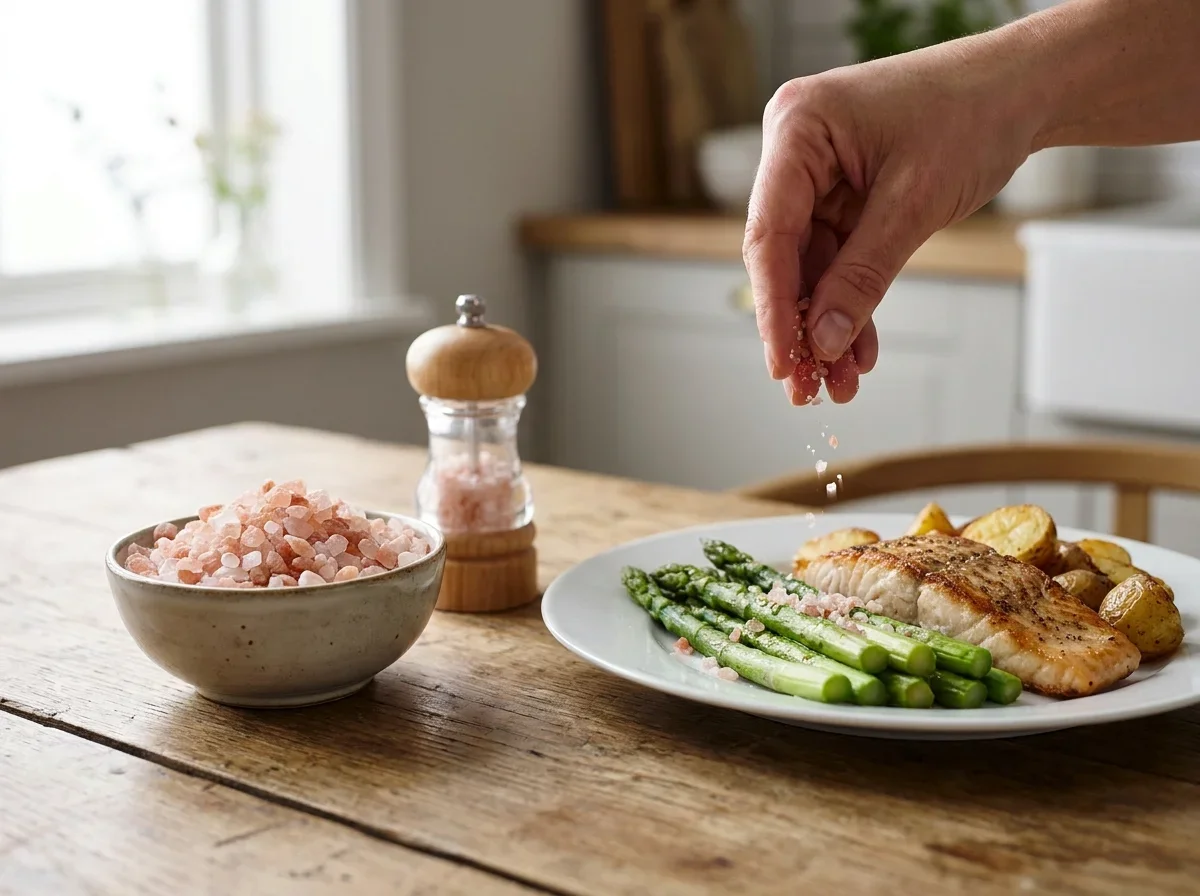
For everyday cooking where iodine intake matters, table salt remains a reasonable default, especially in regions where iodine deficiency is a public health concern. Sea salt and Himalayan pink salt both work well as finishing salts. Their coarser texture and subtle differences in flavour and appearance are noticeable on simple dishes, where the salt is part of the presentation.
• Table salt: fine, consistent and usually iodised. Best for baking and everyday cooking.
• Sea salt: evaporated, less processed, with variable crystal size. Good for finishing and general cooking.
• Himalayan pink salt: mined rock salt with a distinctive colour and texture. Suited to finishing, salt-block cooking, and decorative or gift use.
Saremco Impex supplies Himalayan pink salt in a range of grain sizes and packaging formats suited to both culinary and retail use. To request specifications or a sample, you can get in touch through the website.