
Sustainable Biomass from Pakistan: Turning Crop Residue into Export Products
For decades, the usual fate of crop residue in Pakistan was the field burn. It is a fast, cheap way to clear land between harvests, and it contributes to the seasonal air quality problems seen across Punjab and beyond. That is slowly changing, because a market for processed, exportable biomass gives farmers and processors a real economic reason to collect and sell residue instead of setting fire to it.
The Scale of the Problem and the Opportunity
Recent research estimates that more than 50 million tonnes of rice and wheat residue are burned in the open in Pakistan each year, adding to regional air pollution, including the seasonal smog that affects cities across Punjab and neighbouring regions. A separate assessment found that roughly 72% of rice straw residue in Pakistan is burnt despite regulatory bans, largely because farmers lack accessible, affordable alternatives.
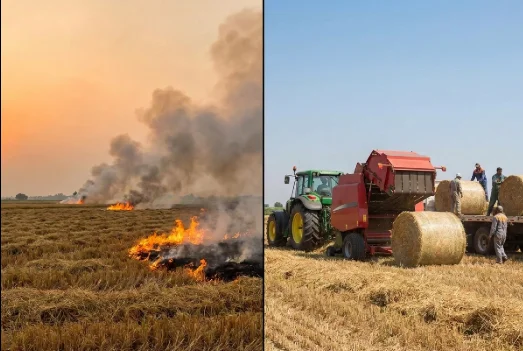
The same research points to a workable alternative, which is converting agricultural residue into biomass fuel products such as briquettes. One study found that briquetting alone can convert 25 to 30 percent of annual crop waste into renewable fuel, cutting harmful emissions and giving rural households an extra source of income compared with burning.
How Export Demand Supports Sustainable Practice
When there is a genuine buyer for corn cob, bagasse, rice husk or cotton residue, the economics change. Residue stops being a disposal problem to be burned off quickly and becomes a product worth collecting, drying and transporting to a processor. This is why export demand for Pakistani biomass carries environmental relevance as well as commercial value.
What Sustainable Biomass Sourcing Looks Like in Practice
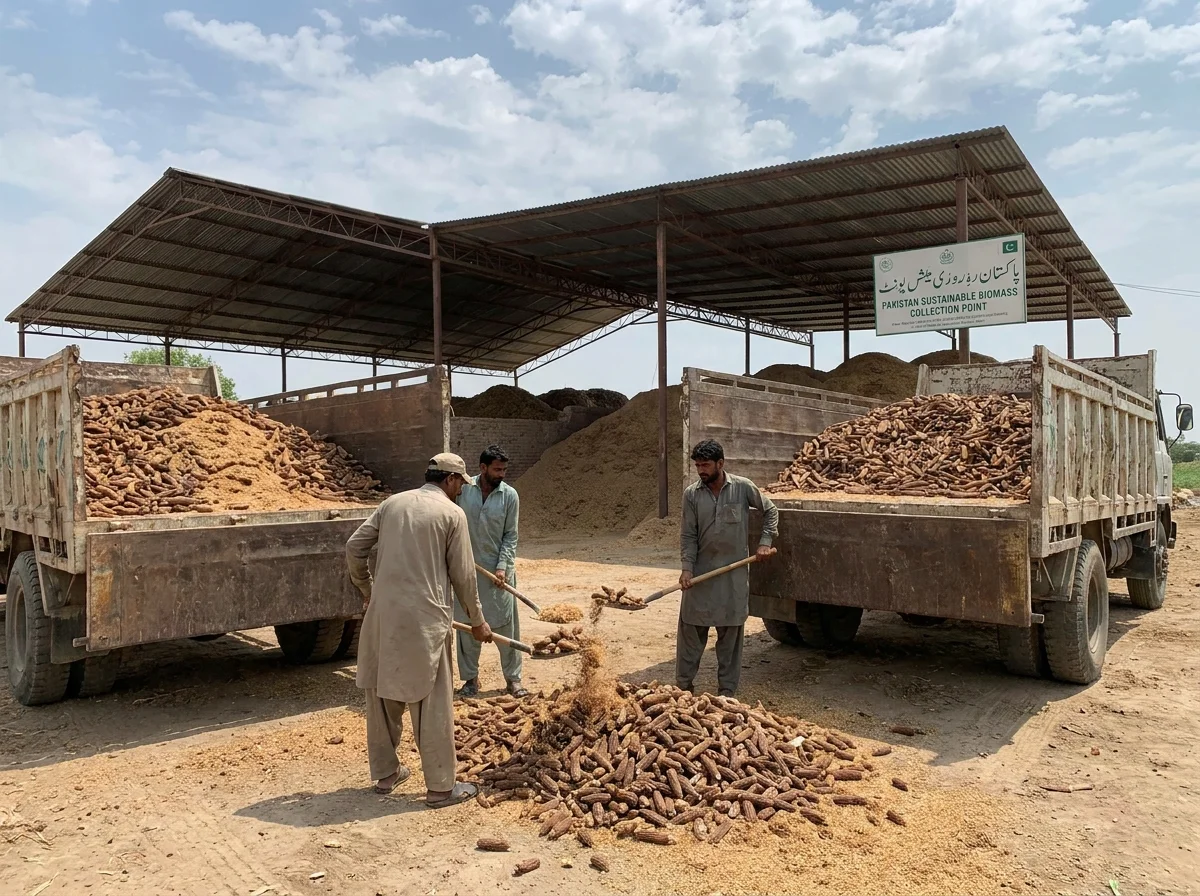
In practical terms, sustainable sourcing means the residue you buy has been collected and processed instead of burned. Buyers who care about this can ask a supplier where its raw material comes from, which crops it is processed from and how it is dried and handled before shipment. A supplier who can answer those questions clearly is usually running a more organised operation overall.
A Category with Room to Grow
Broader research into Pakistan's circular bio-economy projects a significant rise in total crop residue volumes over the next decade, with maize residue expected to increase substantially as corn production expands. That trajectory gives sustainable biomass exports real long-term supply potential and suggests this is not a short-term or opportunistic trend.
Sourcing Sustainable Biomass from Pakistan
Daa Agri Limited works with agricultural processors across Pakistan that turn crop residue into export-ready biomass products, connecting international buyers with supply that reflects a real shift away from field burning toward productive, exportable use of agricultural waste.