
Sugarcane Residues Export from Pakistan: What Global Buyers Should Know
Every tonne of sugarcane that passes through a Pakistani sugar mill produces more than sugar. The fibrous residue left after juice extraction — bagasse — comes out in substantial volumes, and a further stream of cane trash is generated in the fields before the crop reaches the mill at all. Both materials are increasingly finding their way into export markets as biomass feedstock, turning what was once a disposal problem into a genuine trade category.
Understanding the Two Main Residue Streams
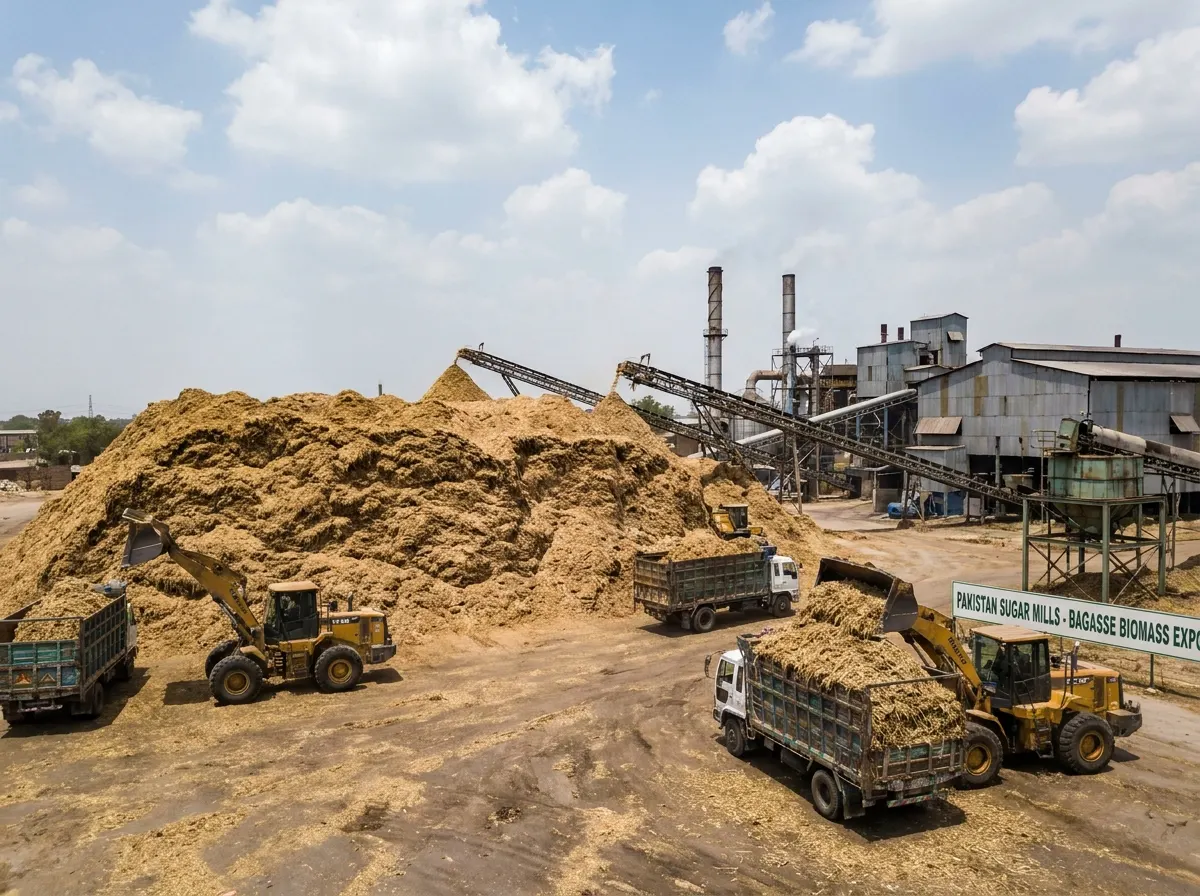
Bagasse is the fibrous material left over after sugarcane stalks are milled and their juice extracted. Cane trash — the leaves and tops removed during harvest — is a separate residue stream generated in the field. Both are considered valuable biomass resources in sugar-producing countries, though they have somewhat different handling and application profiles.
Pakistan ranks among the world's larger sugarcane producers, and its sugar mills generate a correspondingly large volume of bagasse each crushing season. One widely cited ratio puts bagasse output at roughly one tonne for every three tonnes of cane processed, which gives a sense of the volumes involved when applied to Pakistan's annual sugarcane crop.
Industrial Uses for Sugarcane Residues
Bagasse and cane trash serve a range of industrial applications — fuel for biomass energy generation, fibre for paper and board manufacturing, and feedstock for further processing. Pakistan's sugar mills have the technical potential to generate significant power from bagasse-based cogeneration, though much of the existing infrastructure relies on older boiler technology. For mills looking to generate revenue beyond domestic energy use, processed biomass exports have become an increasingly attractive option.
Key Quality Factors Buyers Should Check
Moisture Content
Fresh bagasse typically carries high moisture content straight off the mill floor. Buyers should confirm drying levels before shipment, since moisture directly affects calorific value and storage stability. This is one of the more variable factors between suppliers, so it's worth getting it in writing.
Fibre Consistency
Buyers using bagasse for paper pulp or board manufacturing generally need consistent fibre length and cleanliness. Request a technical data sheet rather than relying on a generic product description — the spec range can vary considerably between mills and processing methods.
Packaging and Bulk Handling
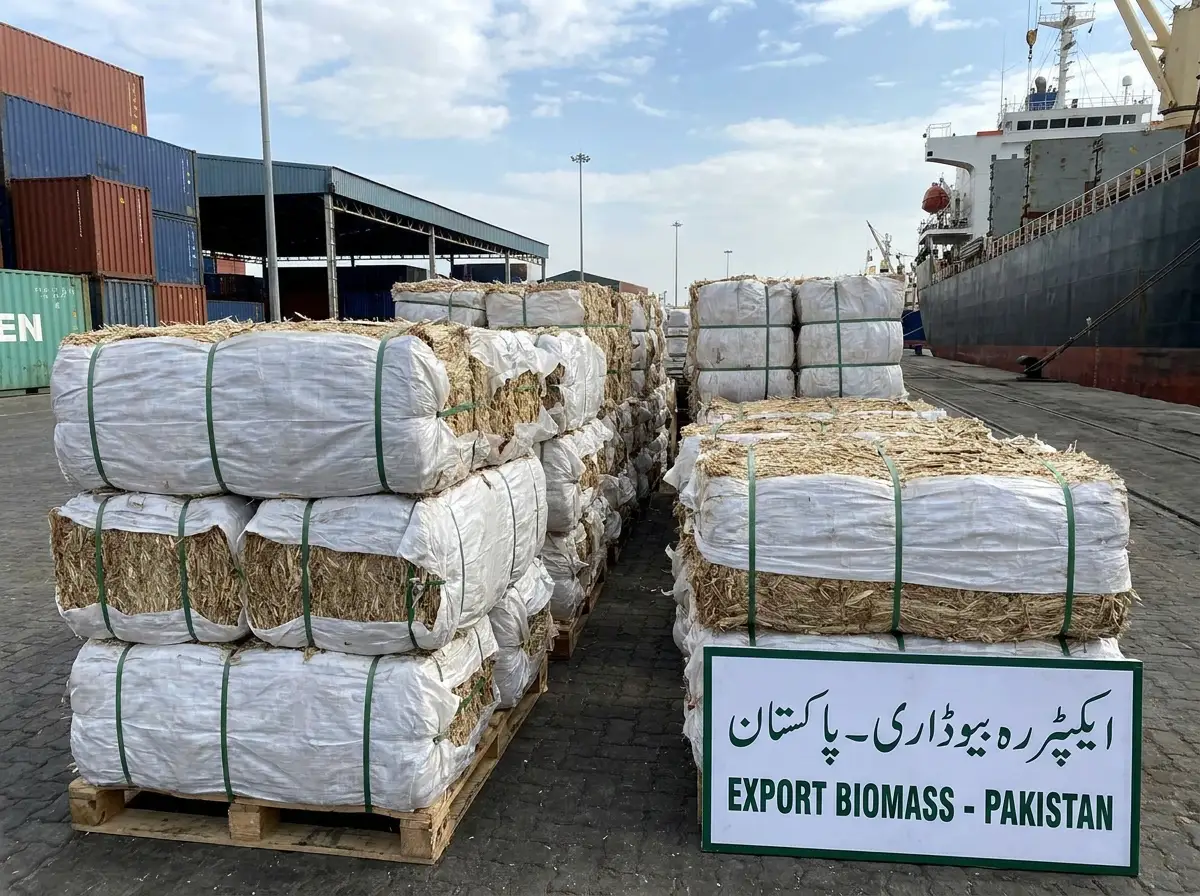
Given the volumes typically involved, bagasse and cane trash are usually shipped in bulk or compressed bales. Confirm container loading capacity and any compression requirements before ordering — handling logistics for these materials differ from standard bagged agricultural commodities.
Sourcing Sugarcane Residues from Pakistan
As demand for renewable and biodegradable industrial inputs continues to grow globally, sugarcane residues are shifting from a disposal cost into a valued export commodity. Daa Agri Limited works with sugar mills and biomass processors across Pakistan to connect international buyers with bagasse and cane trash supply suited to fuel, fibre, or further processing — helping coordinate specifications and shipment logistics for both trial and ongoing orders.