
Silica Quartz for Glass Manufacturing: Purity Standards Buyers Should Know
Glassmaking is one of the most demanding end uses for silica quartz, which is why purity gets so much attention in procurement discussions. Many industrial applications can tolerate a fairly wide range of impurities. Glass cannot. Small variations in chemical composition show up in clarity, colour and melting behaviour.
Why Purity Matters So Much in Glass
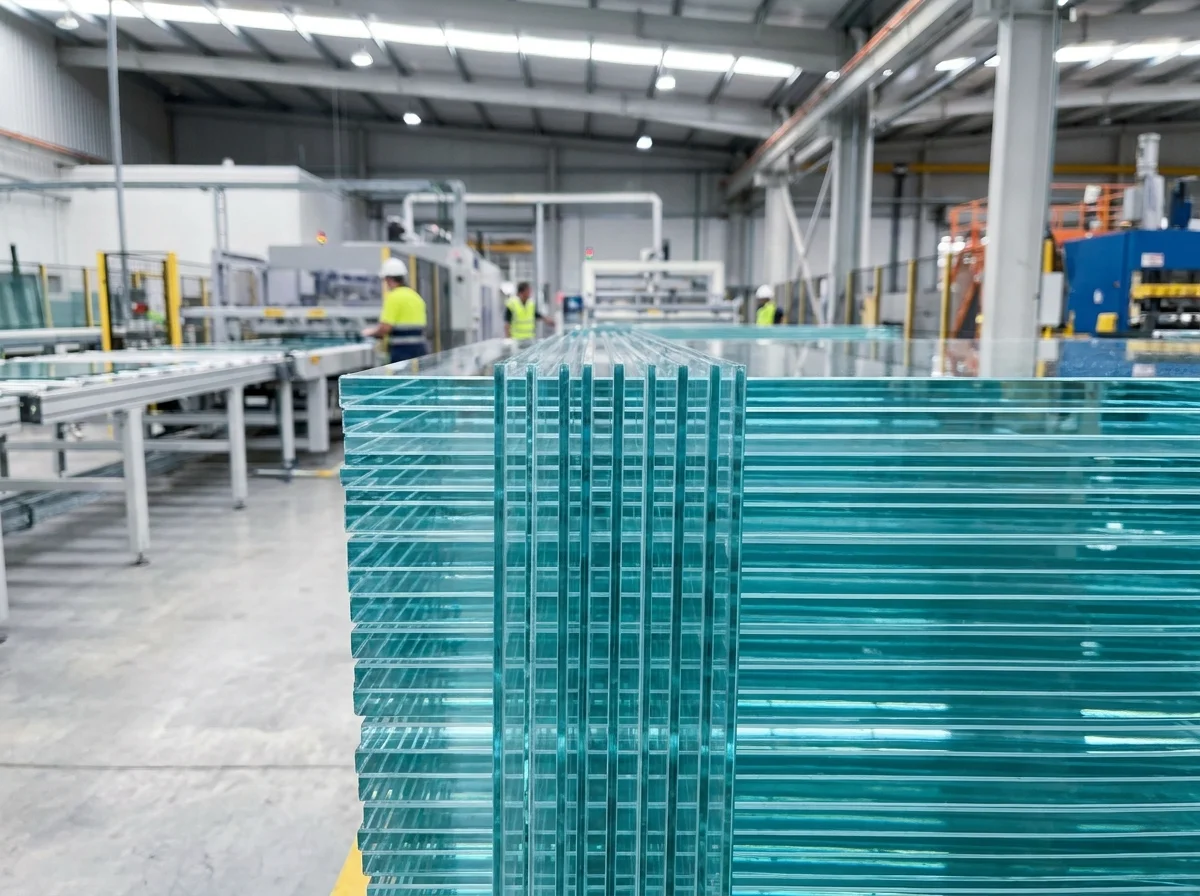
Glass is essentially melted and reformed silica, so any impurity in the raw quartz carries into the finished product. Iron oxide is the one glassmakers watch most closely, because even a fraction of a percent can give glass a visible green or brown tint. That is why container glass, which can accept a little colour, uses lower-grade silica than flat glass or optical glass, which need to be as close to colourless as possible.
Typical Purity Benchmarks
Exact specifications vary by glass type and by manufacturer. As a general guide, silica sand for clear container and flat glass needs a SiO2 content of at least 98.5%, with iron oxide (Fe2O3) kept below roughly 0.03% for high-clarity applications. Specialty glass, including some optical and electronic glass, demands tighter control still, sometimes below 0.01% iron oxide. Alumina, titanium dioxide and chromium are monitored as well, since each can introduce its own colour or melting characteristic.
Grain Size and Consistency
Chemistry is only half of the picture. Glass furnaces also need a consistent grain size. Sand that is too fine creates dust and uneven melting, while grains that are too coarse may not melt fully within the furnace residence time and leave visible defects known as stones in the finished glass. Most glass-grade silica sits within a narrow particle size band, and suppliers who can hold that band batch after batch are worth more to glassmakers than those who only offer good average figures.
Moisture and Handling
Moisture content affects how silica behaves in automated batching and melting systems. Too much moisture can cause inconsistent feeding, while the dust-control side of the equation creates its own problems. Most glass manufacturers therefore state a maximum moisture percentage alongside the chemical requirements.
Testing Before You Commit to a Supplier
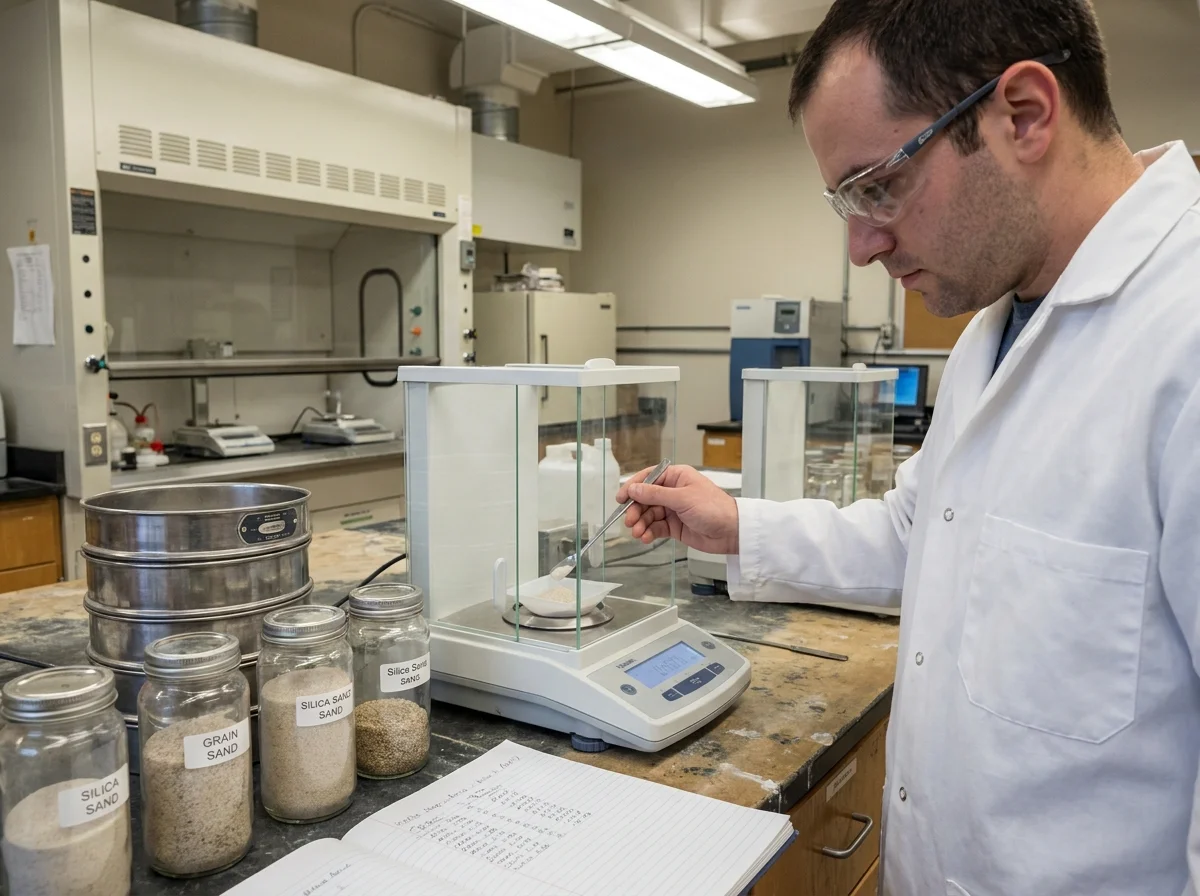
Tolerances in glass manufacturing are tight, so buyers are well advised to ask for independent or third-party lab analysis rather than relying only on the supplier's own certificate, particularly for a first order. A small trial shipment, tested under the buyer's own furnace conditions, is a common and sensible step before committing to larger volumes.
Sourcing Glass-Grade Quartz from Pakistan
Pakistan has quartz-bearing deposits capable of yielding high-purity material suitable for glass applications. Not every deposit or processing unit produces consistently to glass-grade standards, though, so supplier selection matters. Buyers looking for silica quartz for glass manufacturing can connect with sourcing partners through DaaTrade, which works with producers such as Daa Minerals Limited to match buyers with material tested against the specification their furnace actually requires.