Rock Phosphate Suppliers in Pakistan: A Buyer's Guide to Wholesale and Bulk Sourcing
Search for rock phosphate suppliers in Pakistan, and you will find a long list of names, profiles and promises. What you will not find is a quick way to tell which of them can actually deliver the material you need, in the quantity you need, with the paperwork your customs office expects. For wholesale and bulk buyers, choosing the supplier is the single most important decision in the whole purchase.
This guide, written for DaaTrade readers, walks through how to understand the kinds of suppliers you will meet, how to shortlist and test them, and which questions separate a dependable counterpart from a risky one. It also explains where Daa Minerals Limited fits in the picture for buyers interested in Pakistani rock phosphate.
Know Which Type of Supplier You Are Talking To
Not every company that offers rock phosphate does the same job. In practice, buyers meet four broad types, and the differences affect price, control and accountability.
• Miners and lease holders, who extract the rock and control the source
• Processors, who crush, screen, wash or grind material to a required size or grade
• Traders, who buy lots from several sources and resell them
• Export coordinators, who connect buyer requirements with sources, preparation providers, testing bodies and logistics
None of these is inherently better. What matters is that the supplier tells you plainly which role it plays for your lot. Daa Minerals, for example, describes itself as a Pakistan-based mineral sourcing and export coordination company, with a role that may include requirement review, sourcing, preparation coordination, packaging, documentation and shipment support according to availability and written agreement. A buyer who understands that model knows exactly what to ask and whom to hold responsible for each step.
Wholesale, Bulk and Trial Orders Are Different Conversations
A trial shipment of a few containers raises different questions from a recurring programme of bulk vessel cargoes. Daa Minerals' product page notes that trial, spot or recurring quantity affects sourcing, preparation and route discussions, which is a fair summary of how the trade works. Smaller lots usually move in bags or containers, while larger programmes may justify bulk handling and dedicated planning at the port.
Before you approach any supplier, decide what you really need: the annual volume, how often you will buy, whether you can accept lot-to-lot variation, and what minimum shipment makes economic sense for your freight. Ask each supplier for their commercial minimums rather than assuming them. Published minimum order quantities should never be taken for granted, because they depend on the source, the preparation required and the route.
A Practical Shortlisting Checklist
When you compare suppliers, measure them against the same criteria. The following checklist works for most rock phosphate purchases:
• Traceability: can they identify the source region and lot your sample comes from?
• Specification clarity: do they state grade as an indicative range and agree final parameters in writing?
• Willingness to support independent testing by a laboratory you choose or approve
• Documentation capability, including commercial invoices, packing lists, certificates of origin and bills of lading
• Responsiveness and precision in communication, especially when you ask awkward questions
• A written commercial scope that states what is and is not included
Daa Minerals' rock phosphate page shows the framing a careful supplier uses. It publishes an indicative 24 to 28 percent P2O5 range but states that product-page information does not confirm availability, lot quality, application suitability, pricing or shipment timing. That is the posture buyers should look for: clear about the starting point, honest about what still has to be confirmed.
Red Flags That Should Slow You Down
Most failed mineral purchases show warning signs early. Be cautious when a supplier guarantees a precise grade without ever providing a sample, quotes a price far below every other offer, refuses to name the loading port or the material's origin, or insists on full prepayment before any testing has happened. Be equally careful with suppliers who send only photographs and no analytical evidence, and with anyone who becomes evasive when you propose third-party inspection.
Rock phosphate is a natural mineral, so no two lots are identical. A supplier who claims perfect uniformity across unspecified sources deserves tougher questions, not more trust.
Samples, Testing and Lot Consistency
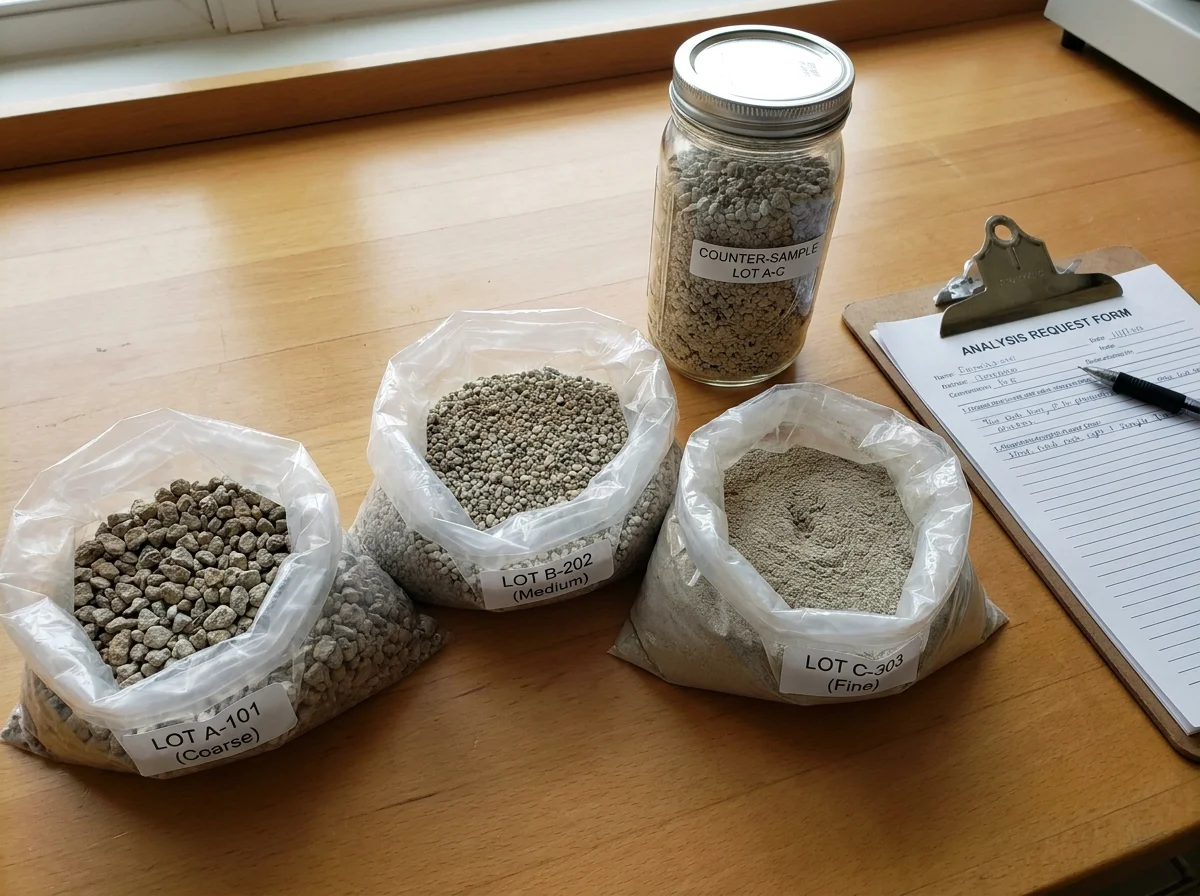
A sample proves what the sample is, not what the shipment will be. The safest approach is to treat samples as the start of a verification process. Agree the analytical method and parameters in advance, have the sample tested by an independent laboratory, keep a sealed counter-sample, and then specify how the shipment will be sampled and inspected at loading.
Daa Minerals states that third-party testing or independent inspection can be coordinated through recognised providers when requested and agreed, and its quality and certifications page outlines laboratory testing, batch verification and export documentation support. The company is explicit that reports remain attributable to the issuing laboratory. For buyers, that attribution is valuable: it tells you exactly who stands behind each number.
Questions to Ask Before You Place an Order
Put these questions in writing and keep the answers in your file:
• Which role do you play in this supply: miner, processor, trader or coordinator?
• Which source and lot would my shipment come from, and how variable is it?
• What material form and sizing can you prepare, and who carries out the work?
• Which tests will be done, by which laboratory, and who pays for them?
• How will the cargo be packed, marked and identified by lot?
• Which port options are realistic for my quantity and destination?
• What documents will accompany the shipment, and when will I receive drafts?
• What happens if the delivered material fails the agreed specification?
Commercial Terms Worth Settling Early
Price is only one line in a commercial agreement. Agree the delivery term (for example, whether you are buying ex-works, free on board or delivered to a destination port), the payment structure, the tolerance on grade and quantity, the inspection point and the remedy if the cargo does not meet the specification. Payment structures vary widely between trades, from documentary arrangements to staged payments linked to inspection milestones, and the right choice depends on your risk appetite and banking relationships. Whatever you choose, make the acceptance conditions explicit.
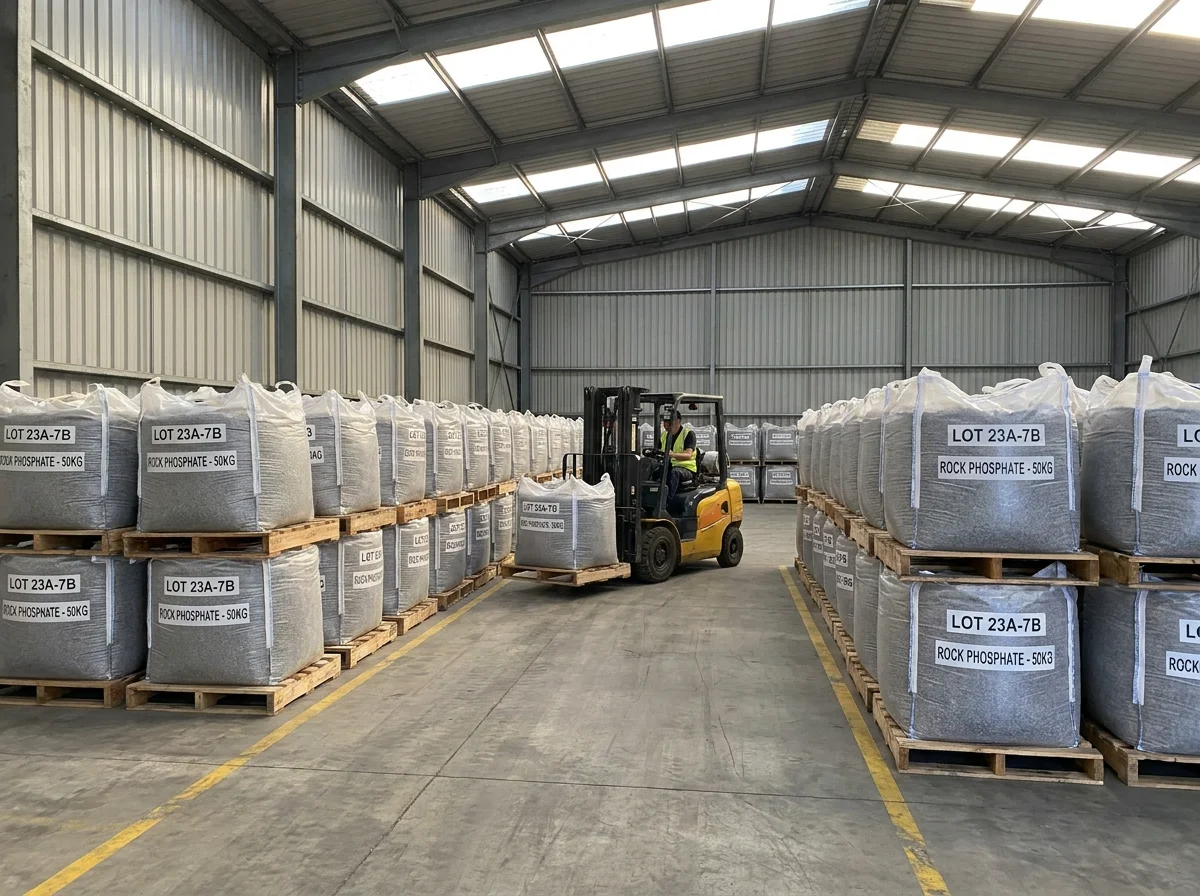
Storage and handling also matter. Daa Minerals' operations summary refers to organised storage, inland transport, port handling and export documentation, with road movement coordinated between sourcing locations, storage facilities and selected ports. Ask any supplier how cargo is stored before loading, because moisture and contamination can undo careful grade control.
Where Daa Minerals Fits
For buyers who want a single Pakistani counterpart to coordinate sourcing, preparation, verification and shipment, Daa Minerals offers a structured, buyer-led process, with each stage subject to source review, buyer approval and written agreement. Its materials also indicate that shipments can be arranged in bulk or in smaller lots tailored to buyer needs, which suits importers testing a new origin before committing to larger volumes.
Choosing Your Rock Phosphate Supplier with Confidence
The best supplier relationships begin with a precise requirement, a verified sample and a written scope that both sides understand. If you are comparing Pakistani rock phosphate suppliers for wholesale or bulk purchasing, take a look at the Daa Minerals rock phosphate profile, then use the enquiry page to share your grade target, quantity, packaging preference and destination. A clear brief is the quickest route to a proposal you can evaluate on its merits.