
Rock Phosphate HS Code: Import and Export Classification Guide for Pakistan
Getting the HS code right is one of the more routine parts of an international trade transaction, and also one of the parts most likely to cause delays or unexpected duty charges when handled carelessly. For rock phosphate the classification is well established internationally, but buyers and exporters still need to pay attention to a few details.
The Internationally Harmonized Heading
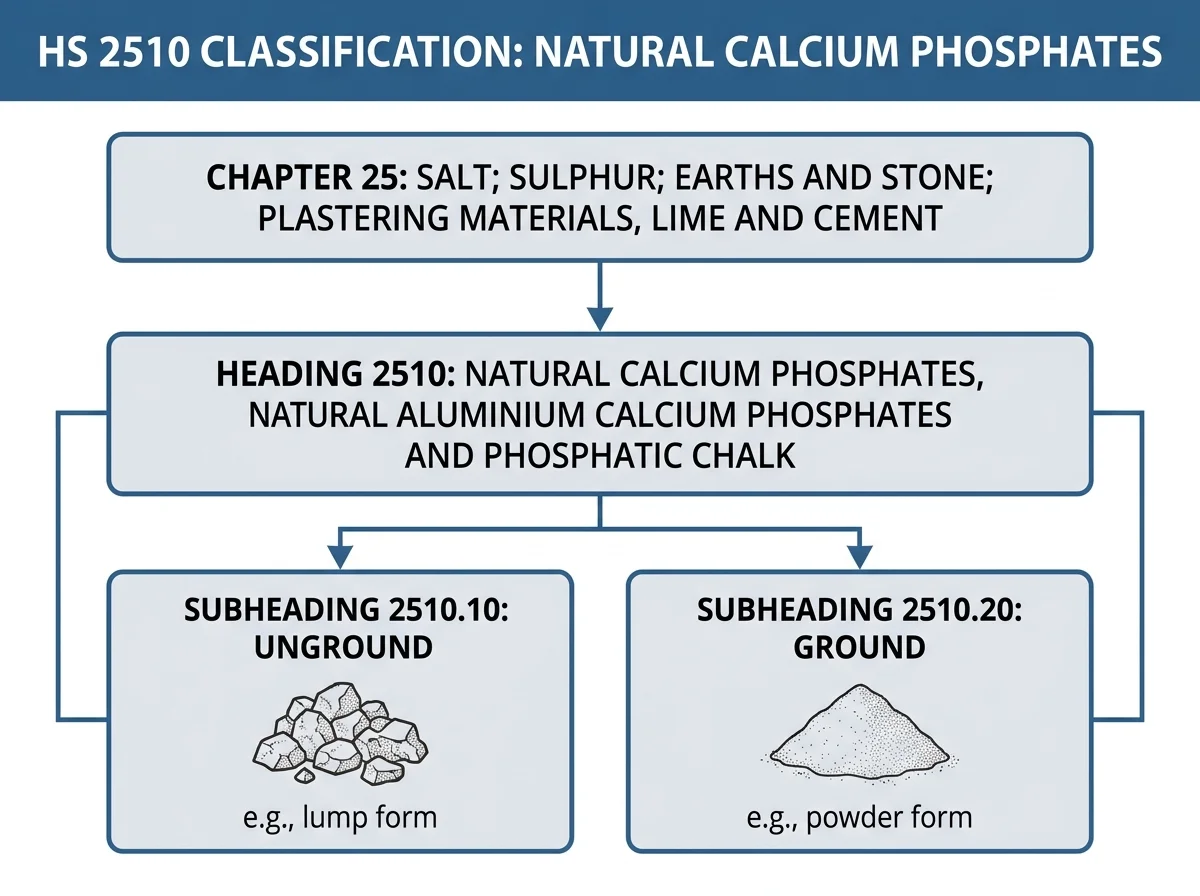
Rock phosphate falls under Harmonized System heading 2510, which covers natural calcium phosphates, natural aluminium calcium phosphates and phosphatic chalk. The heading sits in Chapter 25 of the HS, the chapter for salt, sulphur, earths, stone, plastering materials, lime and cement. That placement reflects the fact that rock phosphate is classed as a mineral product, not a manufactured fertilizer.
At the six-digit level the heading is generally split by processing stage: unground phosphate rock under HS 2510.10 and ground phosphate rock under HS 2510.20. This split appears consistently across customs systems that follow the World Customs Organization's harmonized structure.
Why Ground vs. Unground Matters for Classification
The distinction is more than a technical detail. It reflects a genuine processing step, because grinding phosphate rock to a finer, more consistent particle size is typically the first move toward direct agricultural application or use as fertilizer plant feedstock. Customs authorities use the split to track trade in raw and semi-processed phosphate rock separately, which also helps buyers see what stage of processing a given shipment has already been through.
Country-Specific Extensions
Like most countries, Pakistan extends the six-digit international code with extra digits in its national customs tariff schedule for finer classification and duty purposes. Exporters and importers should confirm the current full national tariff code, and any applicable duty or exemption status, with Pakistan Customs or a licensed customs clearing agent before shipping. National schedules and exemptions are updated periodically, and the extended code can affect both duty liability and documentation.
Documentation That Typically Accompanies the HS Code
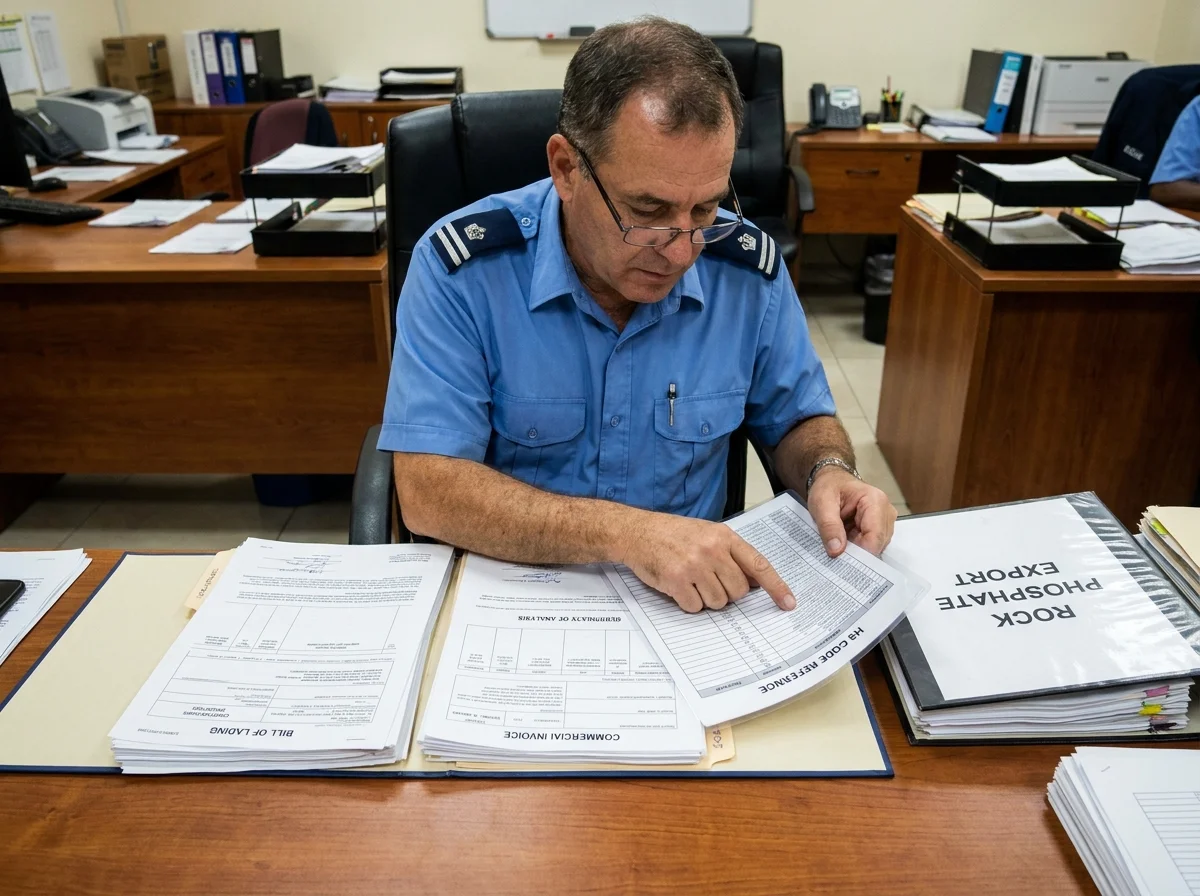
A standard rock phosphate export shipment from Pakistan typically needs a commercial invoice, packing list, certificate of origin and bill of lading, plus a certificate of analysis confirming grade specifications such as P2O5 content.
Buyers importing into countries with agricultural or fertilizer-specific controls should also check whether phytosanitary or mineral-specific import permits apply on their side. These requirements sit alongside the HS classification and do not replace it.
Avoiding Classification Errors
Misclassifying a shipment, even by accident, can lead to customs delays, incorrect duty assessment or complications at the receiving port. Buyers and exporters unfamiliar with Pakistan's customs procedures are generally better off working with an experienced trading partner or customs agent who handles this paperwork routinely, especially for a first shipment.
For buyers looking to import rock phosphate from Pakistan with correctly prepared export documentation, DaaTrade works with suppliers including Daa Minerals Limited to manage classification and shipping paperwork as part of the export process.