
Rock Phosphate Fertilizer: How It Improves Soil Health and Crop Yield
Farmers and agronomists tend to talk about nitrogen because its effect on plant growth is easy to see. Phosphorus deficiency can cap crop yields just as firmly, and rock phosphate is where most phosphate fertilizer ultimately comes from.
The Role of Phosphorus in Plant Growth
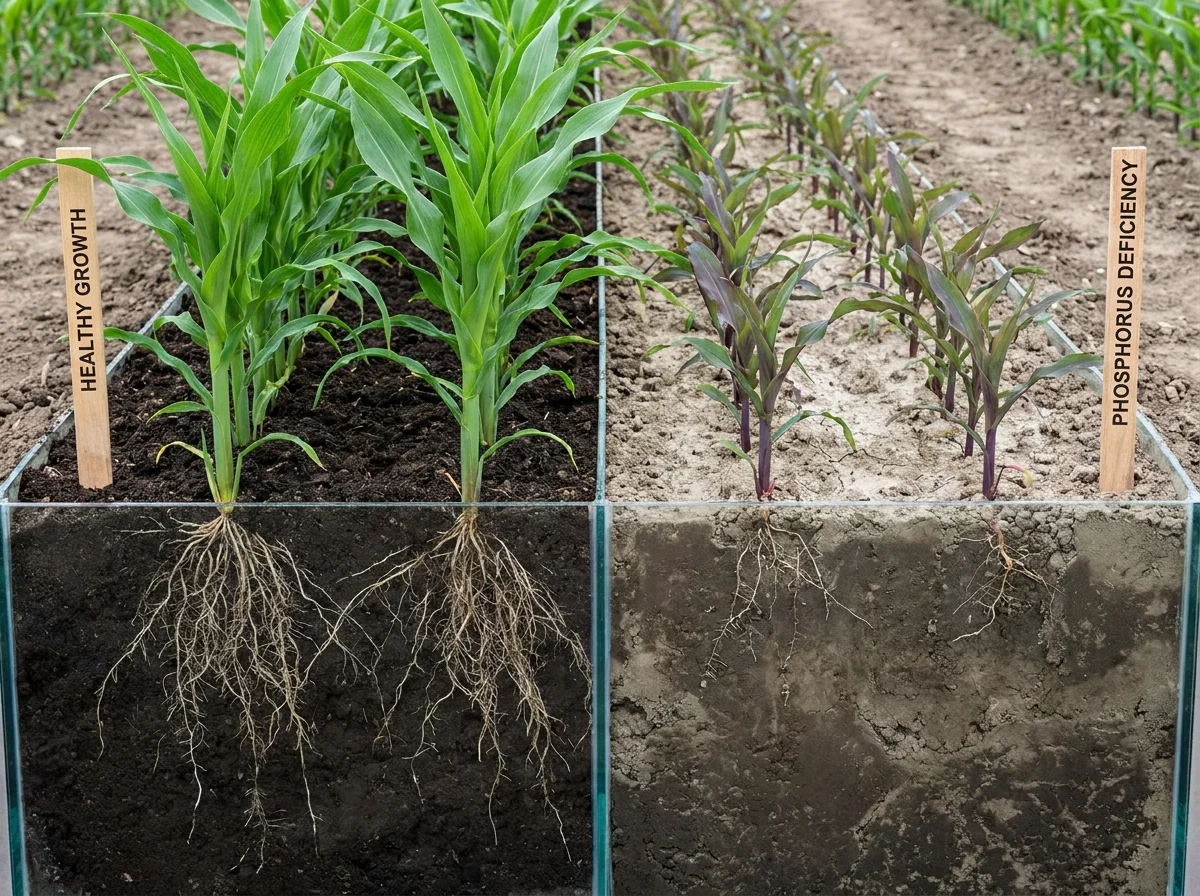
Phosphorus takes part in some of a plant's most basic processes, including energy transfer within cells, root development, and the formation of flowers, seeds and fruit. A plant short of available phosphorus tends to show stunted growth, delayed maturity and weak roots, all of which mean lower yields at harvest.
Unlike nitrogen, phosphorus does not move easily through soil. It has to be close to where the roots can reach it, which makes correct placement and soil pH as important as the total amount applied.
From Rock Phosphate to Usable Fertilizer
Most commercial phosphate fertilizers, including single superphosphate (SSP), triple superphosphate (TSP) and diammonium phosphate (DAP), start as mined rock phosphate that is treated with acid. The treatment converts insoluble phosphate minerals into water-soluble forms that plants can take up quickly. This route works across a wide range of soils and is the dominant method in intensive agriculture worldwide.
Direct Application: A Different Approach
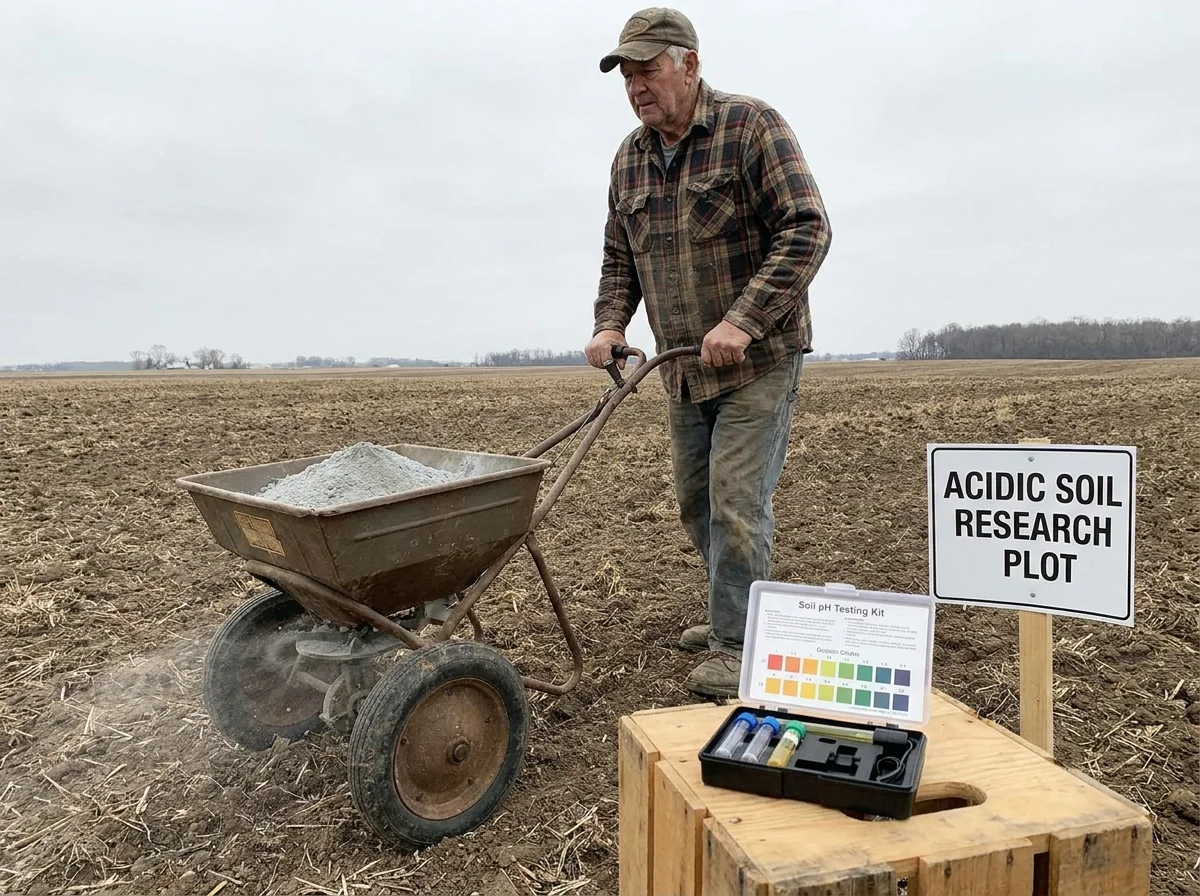
In some conditions, particularly acidic tropical and subtropical soils, finely ground rock phosphate can be applied directly without chemical processing, because the acidity helps dissolve the phosphate minerals over time.
According to FAO's technical guidance on phosphate rocks in agriculture, this can be an economically sound alternative to imported water-soluble fertilizers where the local rock phosphate is suitably reactive and soils are acidic. Effectiveness depends heavily on soil pH and the mineralogy of the rock. It generally does not replace soluble fertilizer in near-neutral or alkaline soils, where the minerals dissolve too slowly to meet a crop's needs within a single growing season.
Effects on Soil Health Beyond the Current Crop
Consistent, well-managed phosphorus application supports stronger root systems. These help crops reach water and other nutrients, and they contribute to better residue return and organic matter over time. Phosphorus also does not leach out of soil the way nitrogen can, so repeated applications tend to build a longer-term reserve. That is part of why soil testing for phosphorus is a standard part of fertility management rather than a one-time check.
Matching Fertilizer Choice to Soil and Crop
The right choice depends on soil pH, existing phosphorus status, crop type and budget. A soil test is still the most reliable starting point for deciding between soluble phosphate fertilizers and direct rock phosphate application, because the wrong form on the wrong soil wastes both money and nutrient potential.
Fertilizer manufacturers and buyers sourcing rock phosphate as a raw material can connect with suppliers through DaaTrade, including Daa Minerals Limited, who can advise on grade suitability for specific production needs.