
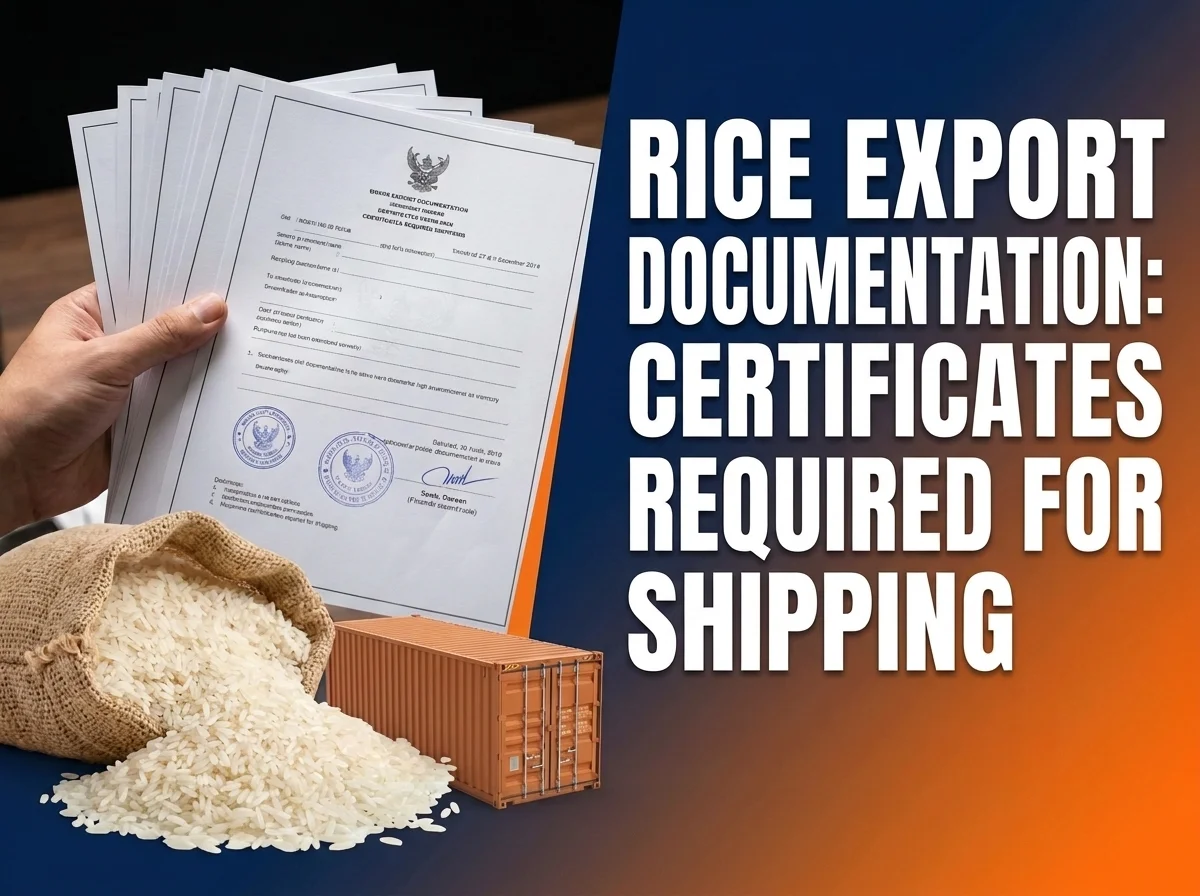
Rice Export Documentation: Certificates Required for Shipping Rice
Rice is a regulated agricultural commodity in nearly every importing country, so the paperwork that travels with a shipment matters as much as the grain inside the container. Missing or incorrect documents are among the most common reasons shipments are held at customs. It is worth understanding what is required before a contract is signed, not after the container has sailed.
Core Documents for Every Rice Export Shipment
Exact requirements vary by destination country, but most rice export shipments rely on the same core set of documents:
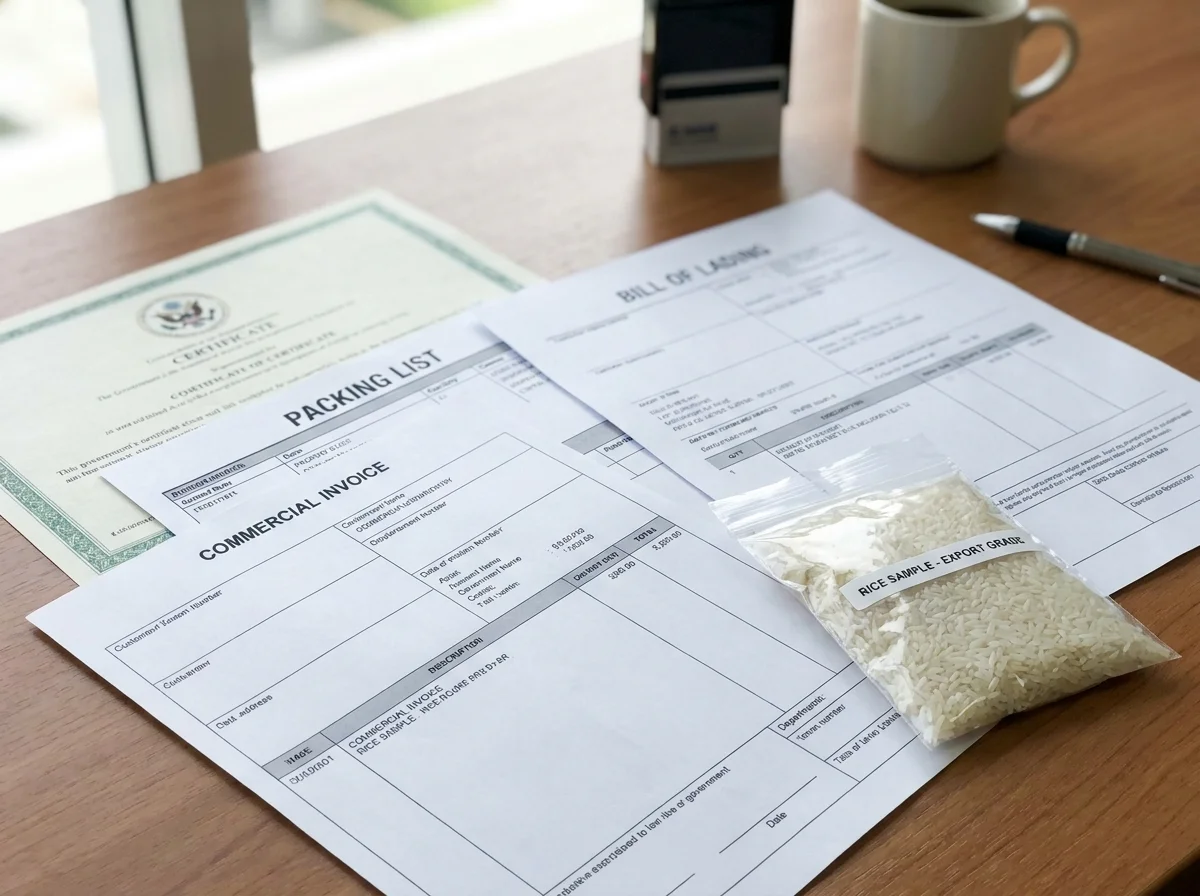
• Commercial Invoice and Packing List: detailing quantity, value, packaging and shipment specifics.
• Bill of Lading: issued by the shipping line as proof of shipment and title to the goods.
• Certificate of Origin: confirming the country where the rice was grown and processed.
• Phytosanitary Certificate: confirming the shipment is free from regulated pests and plant diseases.
• Fumigation Certificate: confirming the cargo or container has been treated against insect infestation.
• Quality and Weight Certificate: often issued by an independent inspection agency, confirming the shipment matches the agreed specification.
Certificate of Origin
A Certificate of Origin is typically issued by a recognised chamber of commerce or trade body in the exporting country. Customs authorities in the importing country use it to apply the correct tariff treatment, particularly where preferential trade agreements are involved.
Buyers importing under a free trade arrangement should confirm in advance which form of certificate their customs authority requires. A standard certificate and a preferential one are not always interchangeable.
Phytosanitary and Fumigation Certificates
Because rice is a plant product, most countries require a Phytosanitary Certificate confirming that the shipment meets plant health standards. It is issued by the exporting country’s designated plant protection authority. In Pakistan, this responsibility sits with the Department of Plant Protection, which inspects shipments and issues certification in line with the international plant health standards set out under the International Plant Protection Convention.
A separate Fumigation Certificate is usually required alongside it, confirming that the rice, or the container it travels in, has been fumigated against stored-grain pests. Some importing countries also require wooden pallets to carry ISPM-15 heat-treatment marking, so it is worth checking this for shipments packed on wooden pallets rather than shipped loose or on plastic pallets.
Quality Inspection and Third-Party Certificates
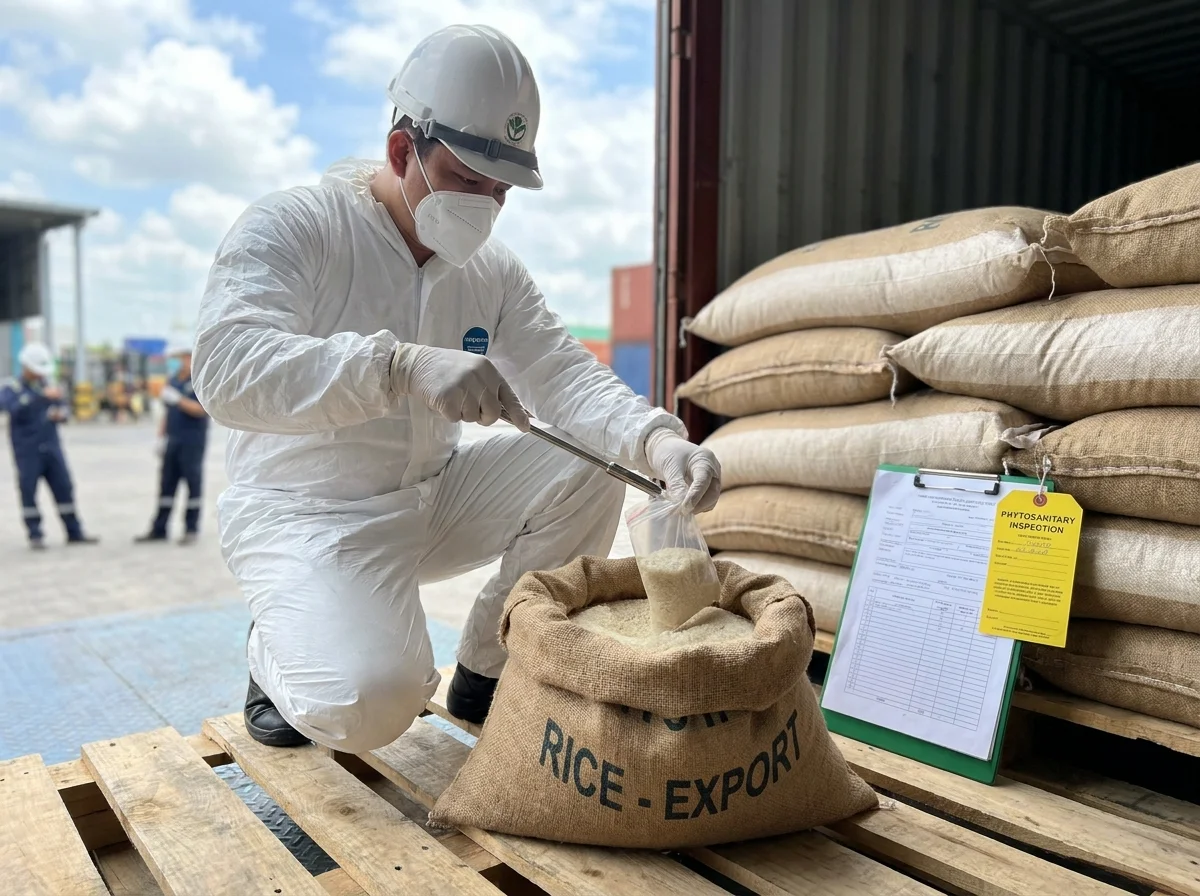
Many buyers, especially first-time buyers and those purchasing larger volumes, request an independent quality and weight inspection before the container is sealed. This is typically carried out by an internationally recognised inspection agency and produces a certificate confirming that grain specifications, moisture content and broken percentage match the agreed contract terms. If a dispute arises after arrival, that certificate gives the buyer an independent reference point.
Coordinating Timing Is the Real Challenge
For most shipments, the difficulty is not knowing which certificates exist. It is coordinating when each one is issued. Phytosanitary and fumigation certificates have to be arranged around the loading schedule, and Certificates of Origin sometimes need to be authenticated by a chamber of commerce before the vessel sails.
Working with an exporter who manages this coordination directly, instead of leaving the buyer to chase each document separately, generally means fewer delays at the discharge port.
Saremco Impex handles export documentation as a standard part of every rice shipment, including Certificates of Origin, phytosanitary and fumigation certificates, and third-party quality inspection reports. If you are planning an import and want to confirm the documentation required for your destination country, you can get in touch through the website.