
Renewable Fuel Export from Pakistan: Biomass Pellets, Briquettes and Bio-Coal
Pakistan's own renewable energy ambitions are one reason its biomass fuel export sector has room to grow. The government's Alternative and Renewable Energy Policy set a target of lifting renewable energy's share of the national power mix to 20% by 2025 and 30% by 2030, and it names biomass alongside solar and wind as one of the technologies expected to help get there. That policy push builds processing capacity and expertise at home, which in turn supports export volume in pellets, briquettes and bio-coal.
Why Demand for Renewable Fuel Is Rising Globally
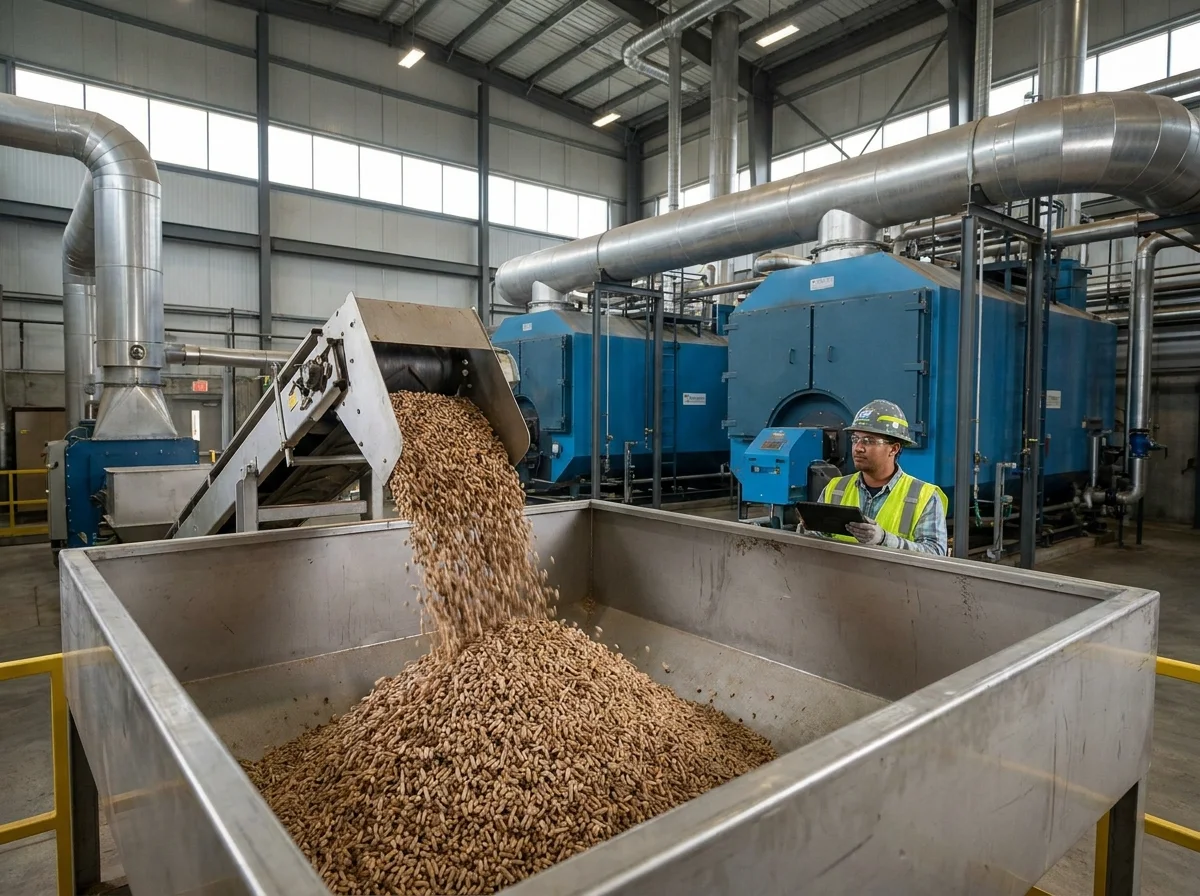
Utilities and industrial energy buyers in Europe and parts of Asia keep looking for ways to reduce their dependence on fossil fuels without scrapping existing combustion infrastructure. Biomass fuel products offer a practical middle path. Pellets, briquettes and, increasingly, bio-coal can often be used in existing boilers with limited modification, which a full switch to solar or wind generation cannot offer.
Pakistan's Renewable Fuel Products at a Glance
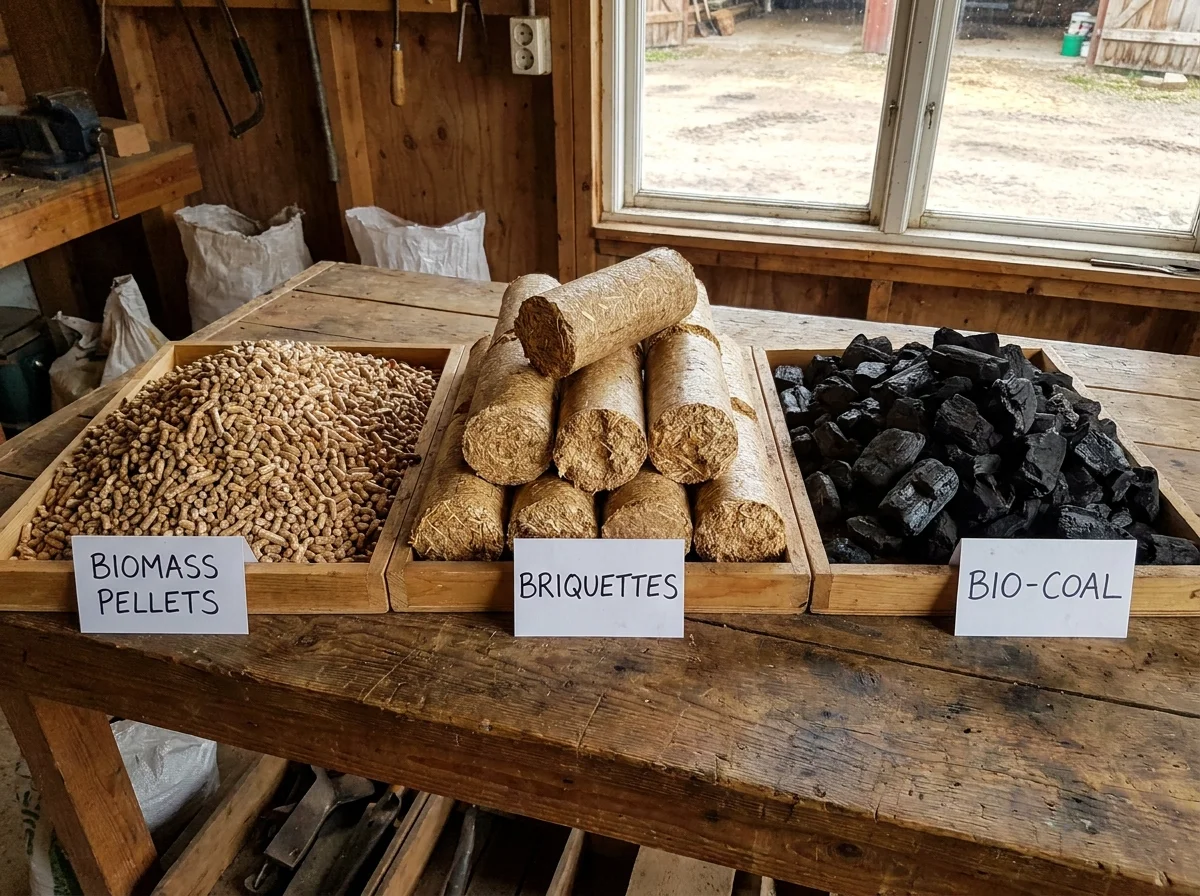
Biomass Pellets
Pellets are a densified, standardised fuel suited to automated combustion systems. They are made from agricultural residue or sawdust, and producers are increasingly working toward certification standards such as ENplus for buyers in regulated markets.
Biomass Briquettes
Briquettes are a lower-cost densified fuel. They accept a wider range of raw feedstock and suit industrial boilers and process-heat applications, particularly where there is no automated small-diameter feed system.
Bio-Coal
Bio-coal is the more technically demanding product, made through torrefaction. It is the closest direct substitute for coal in existing combustion equipment. It is a smaller category in Pakistan at the moment, but the available raw material base gives it clear long-term potential.
Domestic Policy Meets Export Opportunity
Researchers have studied Pakistan's biomass energy potential at length, mostly in the context of closing the country's electricity supply gap. One widely cited review of the country's biomass resources highlights substantial technical potential for power generation from agricultural residues. It also notes that policy and infrastructure gaps have historically limited how much of that potential is realised at home.
That gap between potential and actual use creates an opening for export-focused processors. Raw material not yet absorbed by domestic power generation can be turned into pellets, briquettes or bio-coal and sold abroad.
What International Buyers Should Know
The right product depends mainly on the equipment you already run. Pellets suit automated systems, briquettes suit boilers set up for solid biomass, and bio-coal is aimed at users who want something close to coal in existing equipment. Certification is also worth checking early: pellet producers are moving toward standards such as ENplus, but buyers in regulated markets should confirm what a given supplier can actually document. Bio-coal supply is still limited, so expect a narrower choice of processors than for pellets or briquettes.
Sourcing Renewable Fuel from Pakistan
Daa Agri Limited works with biomass fuel processors across Pakistan and helps international buyers navigate the pellet, briquette and bio-coal categories, connecting them with suppliers suited to their combustion equipment and volume requirements.