Pakistan Biomass Exporters: Products, Applications and How to Choose a Supplier
The number of biomass exporters in Pakistan has grown steadily as international demand for renewable, biodegradable industrial inputs has picked up. For buyers trying to make sense of this supplier landscape, this overview explains what exporters typically offer and how to judge one supplier against another.
What Pakistan Biomass Exporters Typically Offer
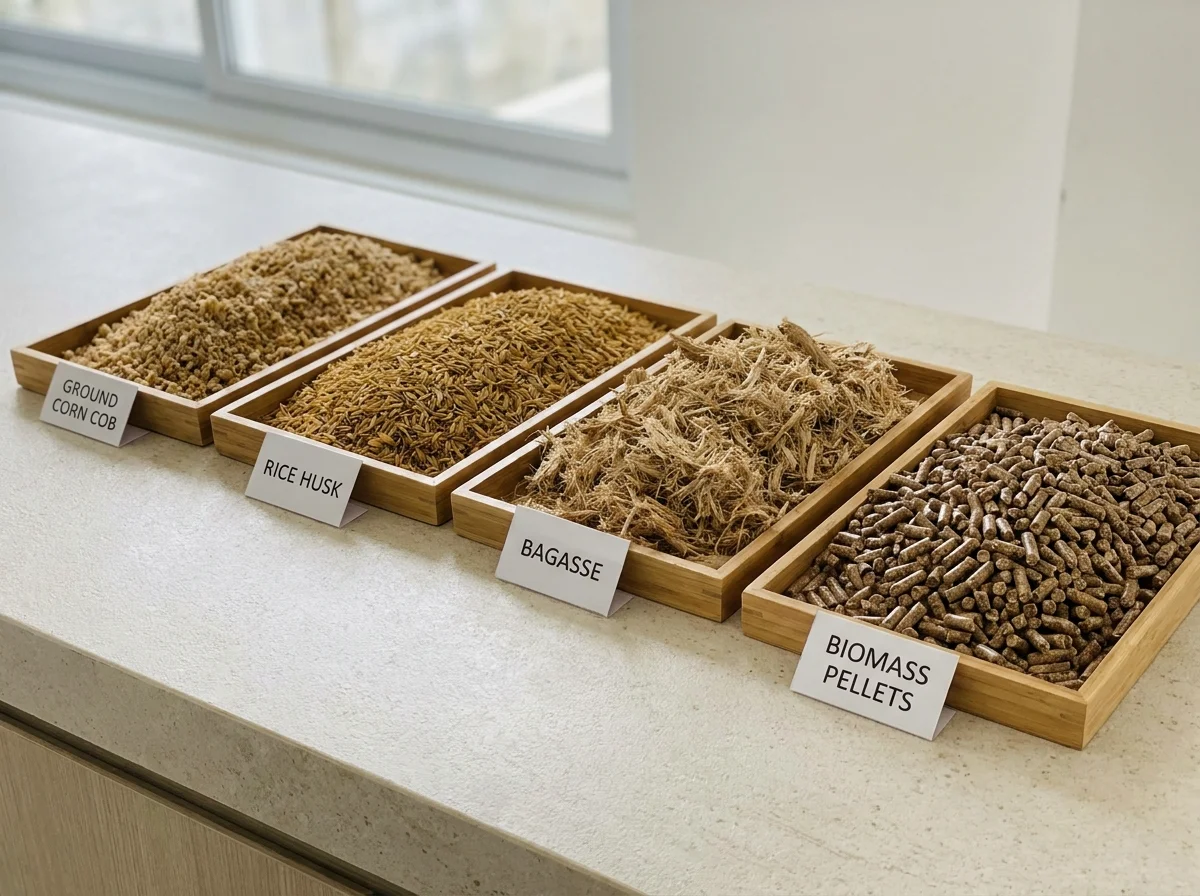
Most exporters focus on one or two product categories rather than the whole range, because processing equipment and access to raw material tend to be specific to each product. The most common specialisations are:
• Corn cob and corn cob derivatives
• Sugarcane residue, including bagasse and cane trash
• Rice husk
• Cotton sticks
• Processed biomass fuel products such as pellets and briquettes
If you need more than one of these, expect to deal with more than one processor, or with a partner that coordinates several.
How to Evaluate a Biomass Exporter
Production Capacity
Ask about monthly or seasonal production volume and compare it with the size of your order. A supplier whose normal output barely covers your first shipment may struggle to keep up with repeat orders.
Quality Documentation
A reputable exporter should be able to supply a certificate of analysis covering moisture, ash content and, for fuel products, calorific value. A generic product description is not a substitute for test results.
Export Experience
Exporters who have already shipped to your destination market are usually better placed to handle the documentation and compliance requirements that apply there.
Where Biomass Processing Is Concentrated
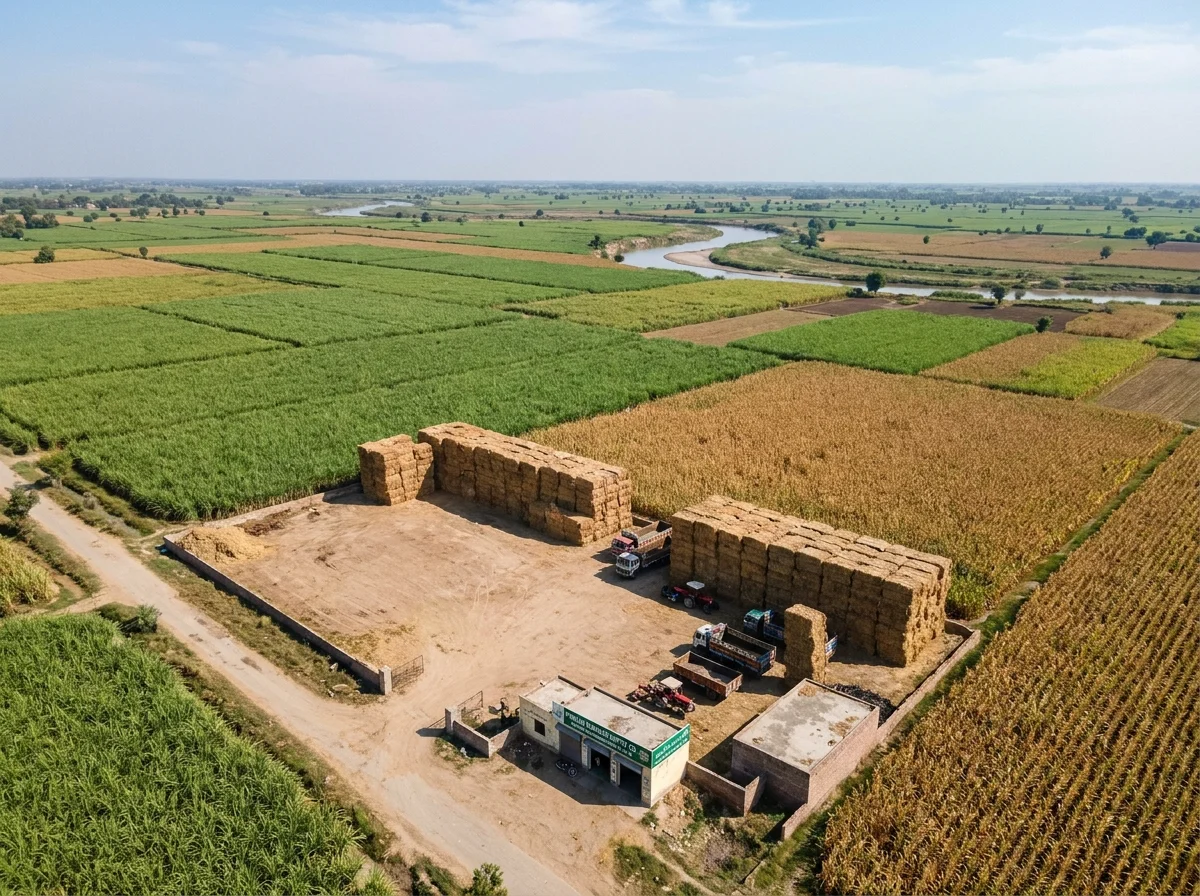
Much of Pakistan's biomass processing capacity sits in Punjab, home to the bulk of the country's corn, sugarcane and rice cultivation. Research on Pakistan's biomass potential estimates that its four main crops (wheat, rice, sugarcane and corn) generate a combined 112.1 million tonnes of residue annually. That gives processors in the region a large and reasonably steady supply of raw material.
What International Buyers Should Expect
Compared with more established biomass-exporting regions, Pakistan's supplier base is still maturing. Certification uptake is limited, particularly for pellet quality schemes such as ENplus, when set against European or North American producers. On the other hand, pricing tends to be competitive, and processors are investing more in drying and grading infrastructure to meet international specifications.
Finding the Right Biomass Exporter in Pakistan
Daa Agri Limited works with a network of biomass processors across Pakistan and helps international buyers identify the right exporter for their product and volume requirements, so the vetting does not have to start from zero.