
Long Grain vs Short Grain Rice: A Buyer’s Comparison
Rice is usually marketed by variety name, whether basmati, jasmine or arborio. Underneath those names sits a more basic classification that decides how the rice cooks and what it is best used for: grain length. Understanding the difference between long grain and short grain rice helps buyers match the right product to the right market, instead of relying on variety names alone.
What Defines Long, Medium and Short Grain Rice
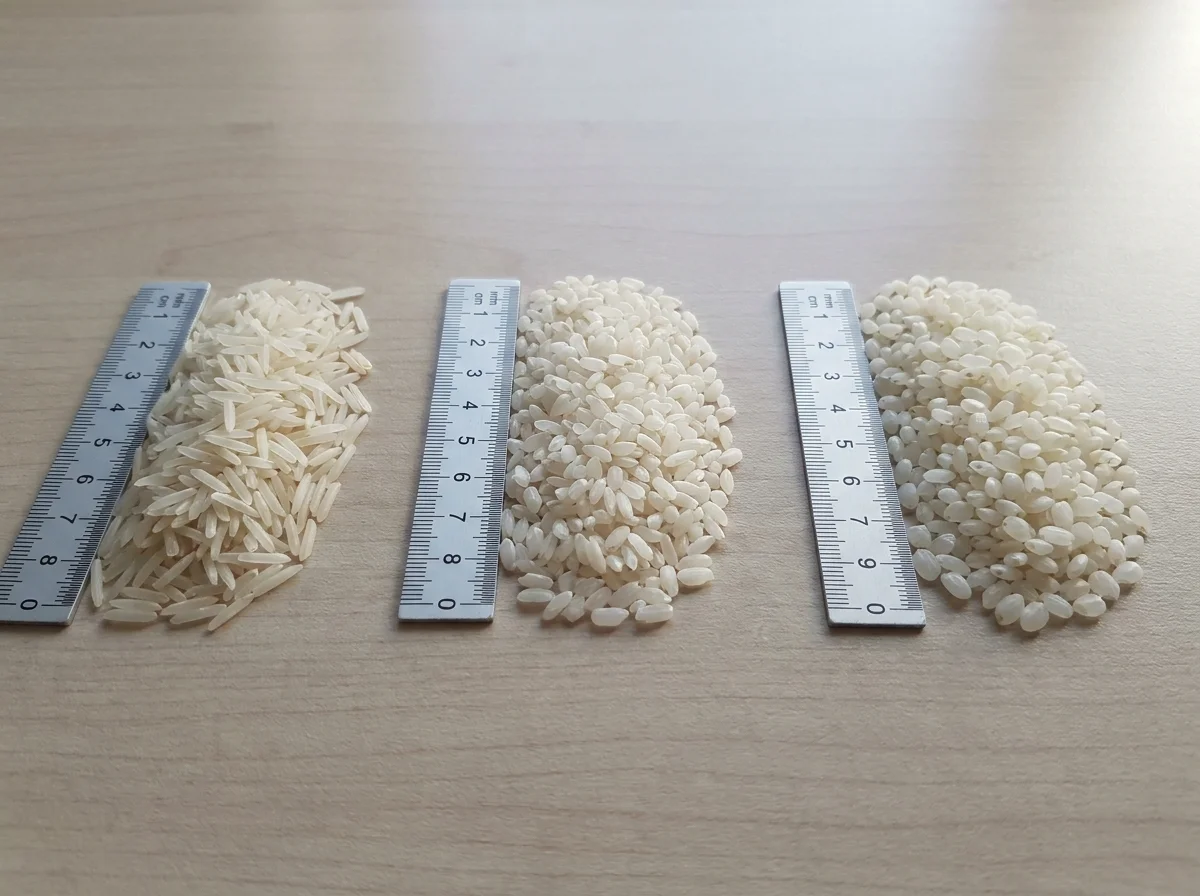
Rice is generally classified by the ratio of grain length to width. Long grain rice is typically four to five times longer than it is wide. It includes basmati, jasmine and most Southeast Asian and South Asian varieties.
Short grain rice is closer to round, with a length-to-width ratio under two. Arborio, sushi rice and many Japanese and Mediterranean cultivars fall into this group. Medium grain rice sits between the two and is grouped with either category depending on regional convention.
How Long Grain and Short Grain Rice Cook Differently
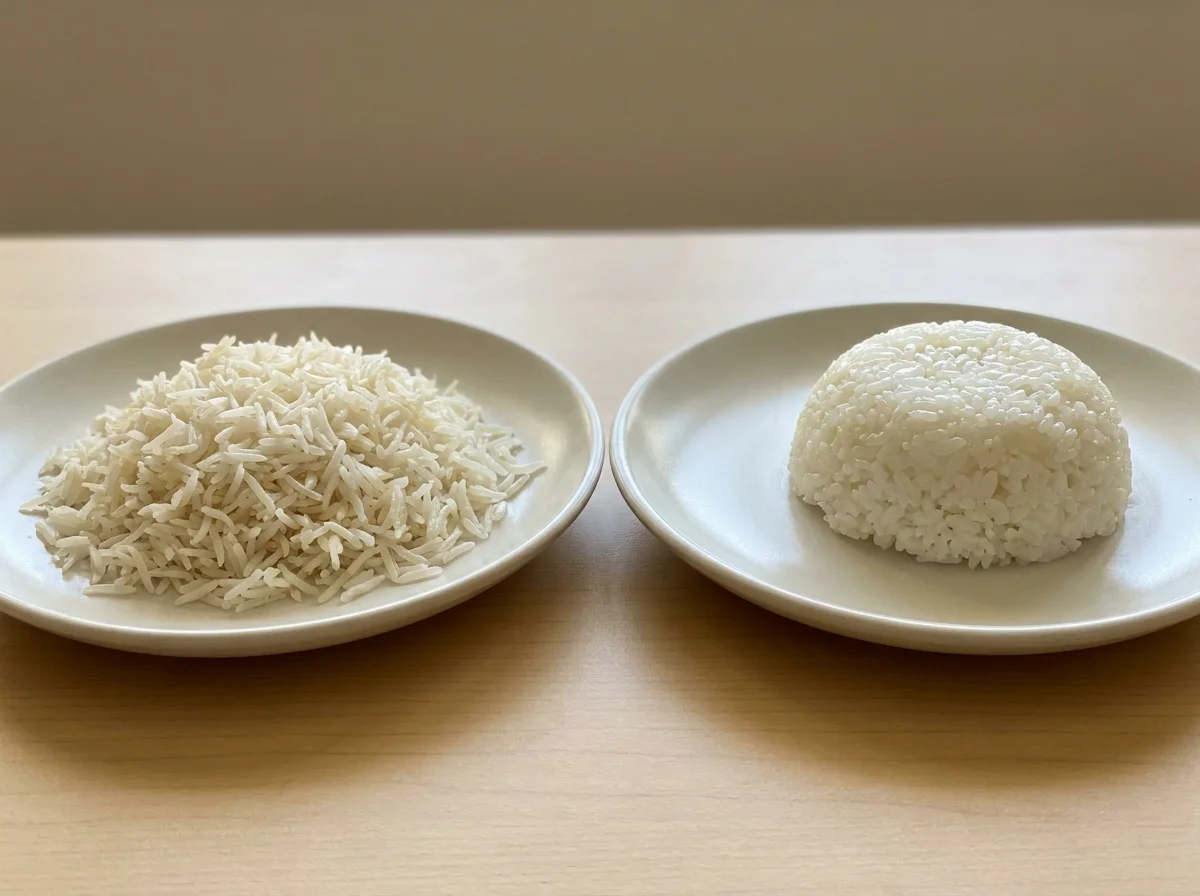
The practical differences come down to starch. Long grain rice is comparatively high in amylose, a starch that resists breaking down during cooking. That is why long grain varieties such as basmati cook up light, separate and fluffy instead of clumping together.
Short grain rice contains more amylopectin, a starch that breaks down and releases more easily as it cooks, giving the soft, sticky, clingy texture the rice is known for. This is not a quality flaw. It is exactly what makes short grain rice right for sushi, rice pudding, risotto and paella, where the rice needs to bind and hold a creamy consistency.
Matching Grain Type to Market Demand
For B2B buyers, the distinction matters commercially as well as in the kitchen. A retailer or food service business serving South Asian, Middle Eastern or general grocery markets will typically want long grain rice, either basmati or IRRI types, because that is what their customers expect for everyday cooking and biryani-style dishes. Buyers supplying Japanese, Korean or Mediterranean food service segments need short or medium grain rice, since swapping in long grain noticeably changes the dish.
• Long grain (basmati, jasmine, IRRI varieties): best for pilafs, biryani, everyday steamed rice and any dish where separate, non-sticky grains are wanted.
• Medium grain (certain risotto and paella rice types): balances some stickiness with body, suited to dishes that need a creamy but not fully sticky texture.
• Short grain (sushi rice, Arborio): best where the rice has to hold together, as in sushi, rice balls or creamy rice dishes.
Sourcing Long Grain Rice From Pakistan
Pakistan is a significant global supplier of long grain aromatic rice, particularly the basmati varieties grown in Punjab. Export figures compiled by the Trade Development Authority of Pakistan (TDAP) and by industry bodies consistently place rice among the country’s top agricultural export commodities, which reflects both the scale of production and its importance to export earnings.
When comparing long grain rice suppliers, ask for the grain length in millimetres and, where possible, the length-after-cooking ratio. These figures give a clearer picture of quality than a variety name does, especially when you are comparing rice from different growing regions or harvest seasons.
Saremco Impex supplies a range of long grain rice varieties, including 1121, Super Kernel and IRRI types, sourced and graded to match specific buyer requirements. To discuss grain specifications for your market, you can reach the team through the website.