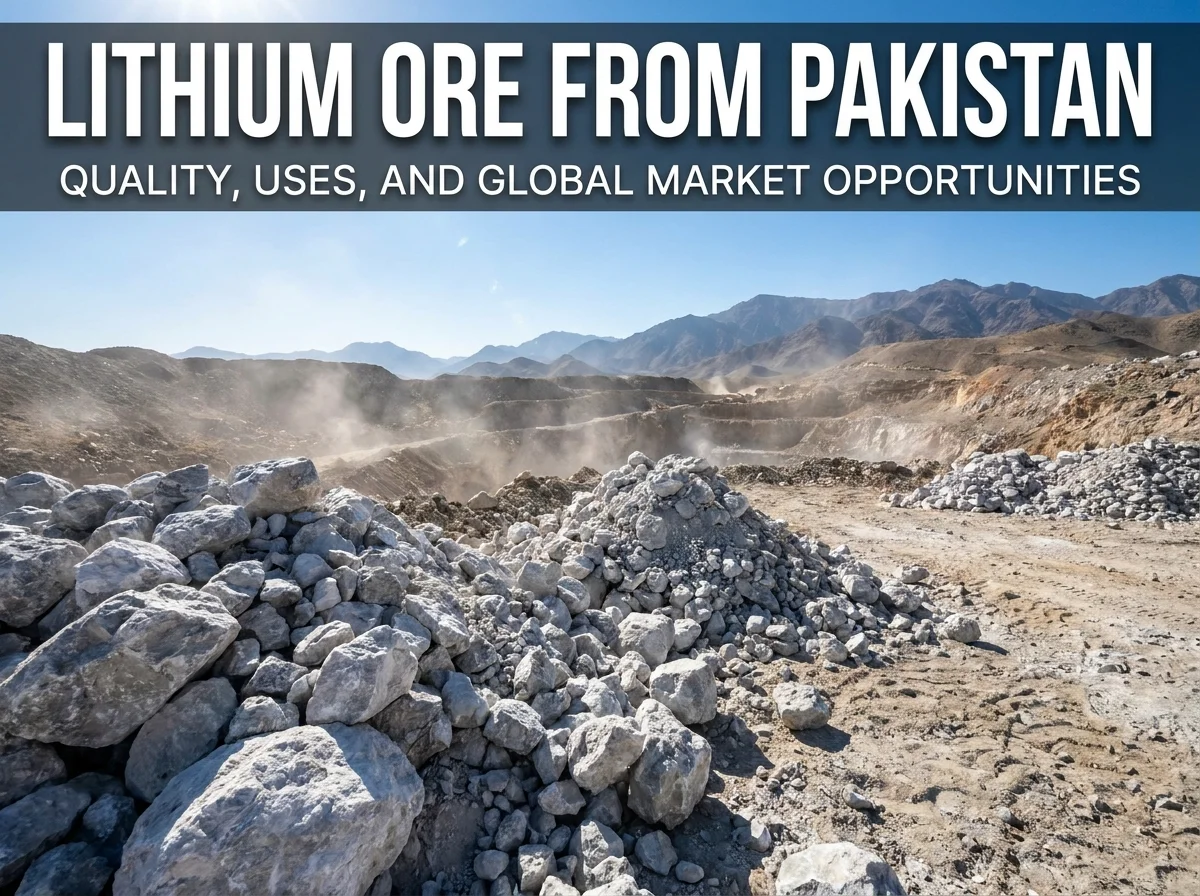
Lithium Ore from Pakistan: Quality, Uses and Global Market Opportunities
Lithium demand is driven by batteries, but "lithium ore" covers a range of materials that serve very different purposes. Some go into battery chemicals after extensive processing; others go directly into glass and ceramics. For buyers looking at Pakistan, the useful questions are what the material is, what quality looks like, where it can be used and how realistic the market opportunity is.
This article is published on DaaTrade and points readers to Daa Minerals Limited, which lists lithium ore among its ten mineral product categories.
What Pakistani Lithium Could Look Like
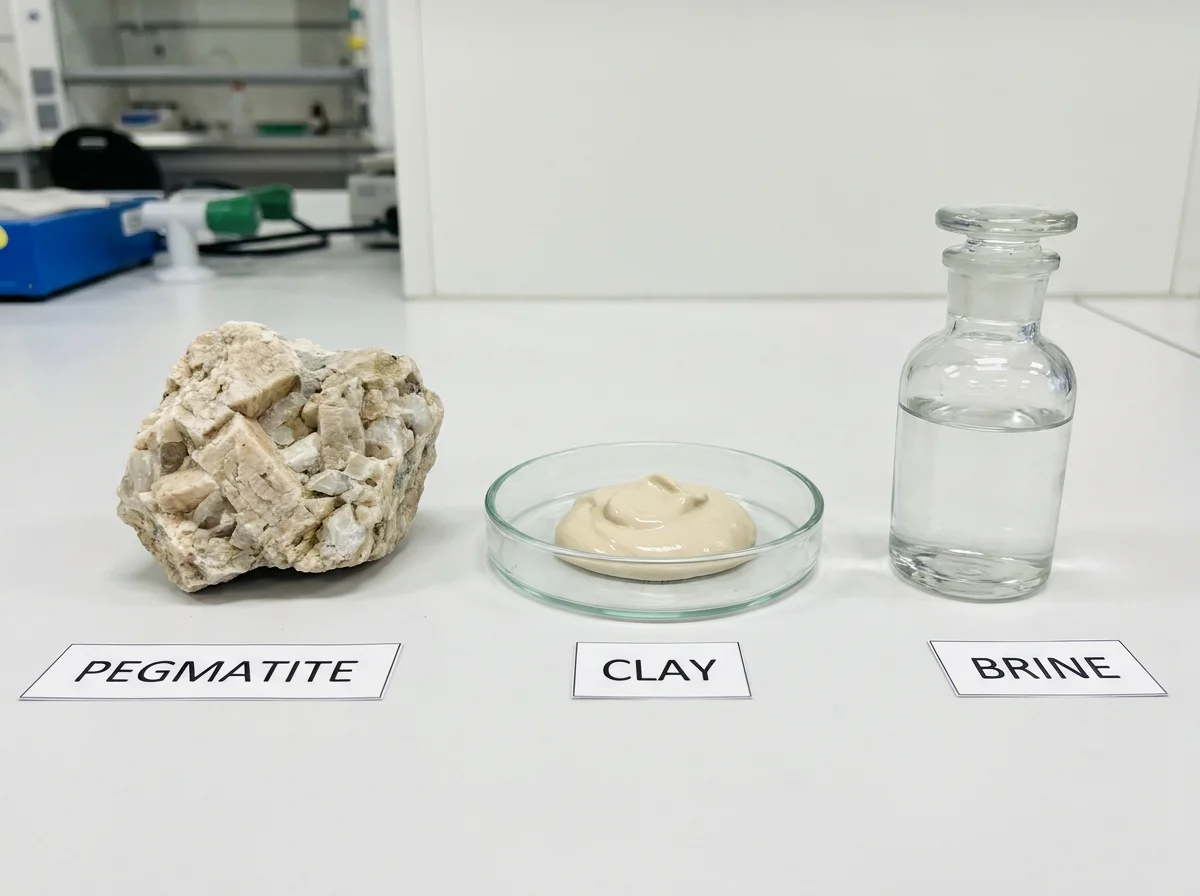
The Geological Survey of Pakistan concept note identifies lithium-bearing pegmatites and granites in the north, noting that rare-metal pegmatites in the Nuristan and Hindukush sub-belts are associated with enrichment in lithium, tantalum, niobium, beryllium and caesium. It also mentions lithium-rich hectorite in Salt Range clays and potential lithium brines. Each setting produces a different kind of material: hard-rock ore needs mining and concentration, clays need chemical extraction and brines need evaporation or extraction technology.
Reading Grade Claims
Daa Minerals' company profile lists lithium ore at 1.0 to 3.5% Li2O, and its website frames the profile as buyer-defined and subject to source review. Interpret this as ore grade. Chemical-grade concentrates sold into the battery chain generally carry far more lithium oxide, so a buyer planning battery chemicals should ask what processing is needed and who will do it. Ask also which lithium mineral the figure refers to, because spodumene, lepidolite and other minerals behave differently in processing.
The Quality Parameters That Matter
Lithium mineral identity and Li2O content
Iron oxide, which is especially important for glass and ceramic use
Sodium, potassium, phosphorus and fluorine, depending on the process
Moisture and particle size
Consistency from lot to lot
Daa Minerals says lithium enquiries are discussed around mineralogy, chemistry, impurities, sample evidence and the buyer's downstream requirements. Put your own limits in the enquiry, and require an independent laboratory report.
Where Lithium Is Used
Daa Minerals lists EV batteries, energy storage systems, glass and ceramics, and lubricants as applications. Here is how those uses typically work.
Batteries and energy storage
The 2019 USGS Mineral Commodity Summaries notes that lithium carbonate and hydroxide are needed for lithium-ion batteries in devices such as smartphones and tablets. Ore is not used directly: it is converted into those chemicals by specialist processors, usually in a few countries, so buyers in this segment tend to be converters with strict specifications.
Glass and ceramics
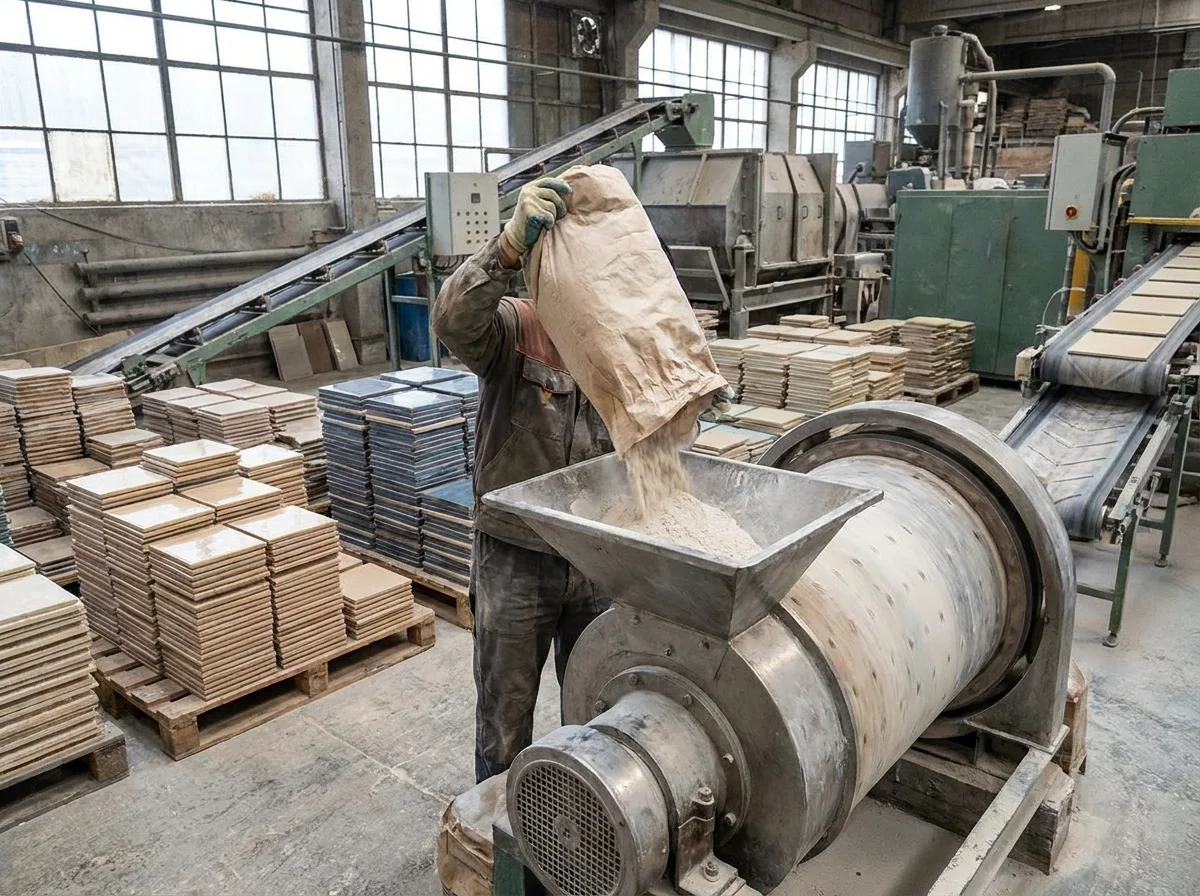
The same USGS publication notes that the glass industry uses lithium carbonate or spodumene to lower melting temperatures and improve strength. Ceramic makers value lithium minerals for thermal-shock resistance. These buyers often accept ore or concentrate with defined iron limits and are typically more flexible than battery-chemical converters.
Lubricants and other uses
Lithium compounds are used in greases and several industrial applications. These are smaller markets, but they matter for traders seeking diverse outlets.
Processing Reality
Because most lithium conversion capacity lies outside Pakistan, a buyer should ask where Pakistani ore would be concentrated and converted. The Pakistani government has expressed a preference for domestic processing of raw materials before export, as reported by Pamir Times, so processing and value-added arrangements may evolve. For now, treat Pakistani lithium ore as a feedstock requiring downstream processing.
Export Markets and Expectations
Daa Minerals' profile lists China, South Korea, Japan, the United States and the European Union as target markets for lithium ore, and its global markets page discusses East and South Asia and Europe. These are target markets rather than confirmed trade volumes. Each has its own documentation, due-diligence and end-use expectations, so check your authorities' requirements before you finalise the specification. European and American buyers, in particular, increasingly ask about supply-chain traceability.
Assessing the Opportunity Honestly
The opportunity is real but early. A sound approach is to start with a small, well-tested lot, confirm mineralogy and grade independently and ask about the resource behind the sample. Scale only when the evidence supports it. The cost of a thorough trial is small compared with the cost of discovering a mismatch in a shipment.
Discuss Your Specification
Pakistani lithium ore will not suit every buyer, but for those prepared to verify carefully it can be an interesting origin to evaluate. Review the Daa Minerals lithium ore page and send your requirement through the enquiry form, including your target Li2O range, impurity limits, material form, application and destination.