Lithium Ore Export from Pakistan: A Complete Guide for Global Buyers
Lithium sits at the centre of the battery and energy-storage supply chain, so it is no surprise that buyers are scanning the map for new sources. Pakistan is one of the names that comes up. The honest picture is more nuanced than the headlines: the country shows genuine geological promise, but lithium here is still an emerging and largely exploratory subject. A buyer who understands that distinction will ask better questions and avoid expensive disappointments.
This guide, published on DaaTrade, explains where lithium potential lies in Pakistan, what "lithium ore" means in a trade context, how the export process works and how to prepare an enquiry for Daa Minerals Limited.
Where Pakistan's Lithium Potential Lies
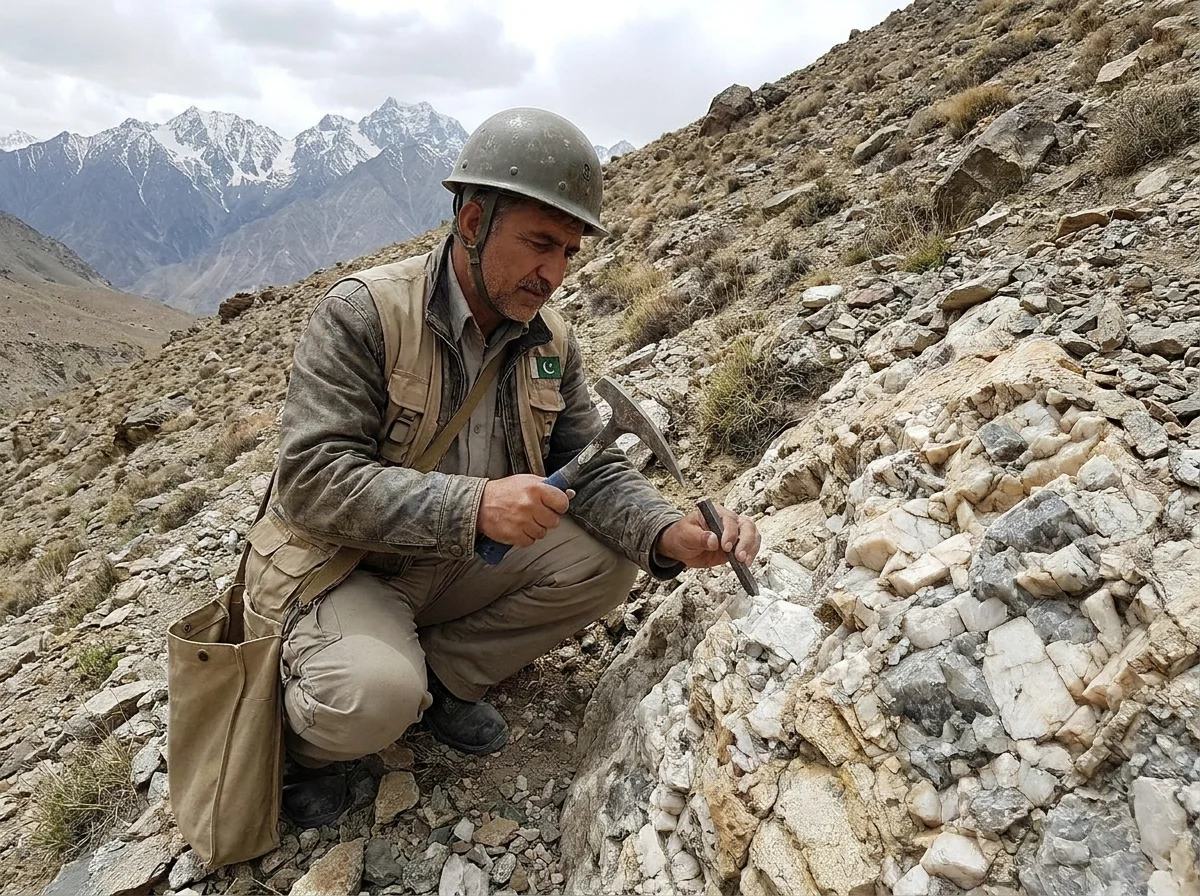
A concept note by Geological Survey of Pakistan authors describes lithium-bearing pegmatites and feldspar-rich granites in the northern regions, along the Himalayan pegmatite belt that extends from Afghanistan through Pakistan. It also points to lithium-rich hectorite in Salt Range clays and possible lithium brines in closed-basin lakes. The Geological Survey of Pakistan has also signed an agreement with the China Geological Survey to explore for lithium in Gilgit-Baltistan, as Pamir Times reported, and OGDCL has announced a lithium discovery in geothermal brine in Sindh, according to The News.
These are signals of potential and early-stage work. They are not evidence of established, high-volume hard-rock lithium exports, and buyers should treat any supplier's claims about volume with appropriate scepticism.
What "Lithium Ore" Means in Trade
Lithium comes from three broad sources: hard-rock minerals such as spodumene in pegmatites, brines and certain clays. The Minerals Education Coalition explains that brine recovery is generally lower cost, while hard-rock ore needs more costly mining and separation but offsets that with higher lithium content. For a buyer of "lithium ore" the first question is therefore mineralogical: which lithium mineral is it, and at what concentration?
Daa Minerals' company profile lists lithium ore at 1.0 to 3.5% Li2O, and its website says lithium-bearing material is reviewed around mineralogy, chemistry, impurities, sample evidence and the buyer's downstream requirements. Read the range as the grade of ore rather than of a processed concentrate. Concentrates traded for chemical conversion are typically much higher in Li2O, so ore at this level normally implies a processing step before it reaches a lithium chemical plant.
Who Might Buy Pakistani Lithium Ore
Daa Minerals lists EV batteries, energy storage, glass and ceramics, and lubricants as application contexts and names China, South Korea, Japan, the United States and the European Union as target markets. These are target markets, not confirmed trade volumes. Realistic buyers include processors able to concentrate and convert hard-rock material, ceramic and glass manufacturers that use lithium minerals and traders supplying them.
The Export Pathway
Daa Minerals describes itself as a Pakistan-based mineral sourcing and export coordination company. Its operations and supply chain approach covers requirement review, source review, preparation and verification, and documentation and shipment planning. Karachi, Port Qasim and Gwadar are named as ports that may be reviewed, subject to cargo and carrier availability. Exporters also work within customs and foreign-exchange rules, which the Trade Development Authority of Pakistan outlines in its guide for new exporters and the State Bank sets out in its foreign exchange manual.
Evidence Before Commitment
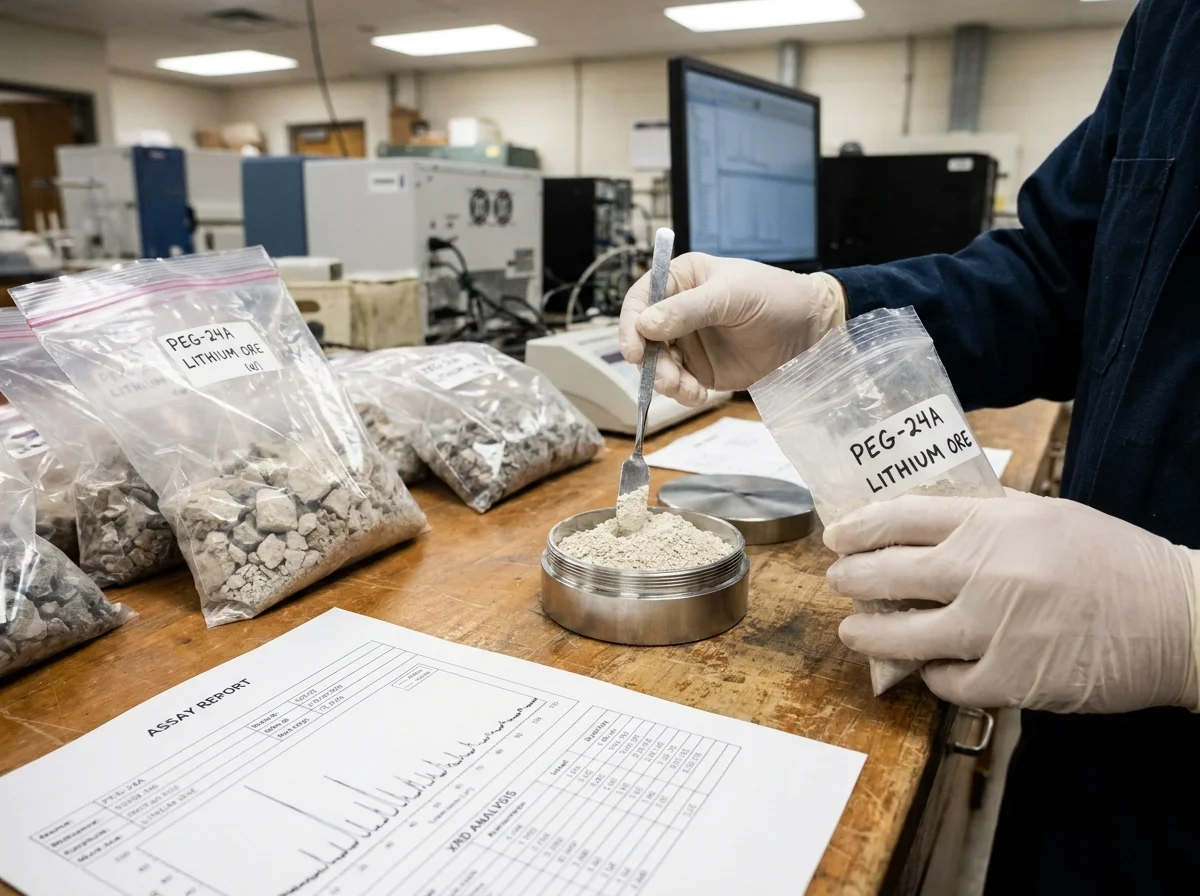
Because lithium is an emerging subject in Pakistan, evidence should come first. Ask for mineralogical identification (for example by XRD), a chemical assay for Li2O and key impurities, and information on how the sample relates to a lot or resource. Daa Minerals states that third-party testing or inspection can be coordinated when requested and agreed, and its quality and certifications page covers laboratory testing and batch review. Reports remain attributable to the laboratory that issued them, and final technical suitability stays with the buyer.
Compliance and Provenance
Lithium is strategic. Expect questions on end use and destination, and check your own import rules, supply-chain due diligence obligations and trade controls. Ask any supplier to show the lease or authority under which the material was mined and sold, and how it moved before export. Responsible suppliers welcome those questions.
Preparing an Enquiry
Daa Minerals asks for the mineral, required grade or quality profile, quantity, material form, packaging and destination. Add:
The lithium mineral you expect (spodumene, lepidolite or other) and your Li2O range
Ceilings for iron, sodium, potassium and other impurities relevant to your process
Whether you need run-of-mine ore, hand-sorted lumps or a concentrate
Trial, spot or recurring quantity
Testing requirements and the laboratory you prefer, plus destination port
Setting Expectations
Daa Minerals is open that availability, grade, preparation, pricing and shipment timing remain subject to source review, provider availability, buyer approval and written agreement. For an emerging mineral that candour is useful: it tells you to begin with samples, assays and a written scope rather than volume promises.
Taking the Next Step
Exporting lithium ore from Pakistan suits buyers who value verification over speed. If you are evaluating Pakistani lithium material, review the Daa Minerals lithium ore profile and then send your requirement through the enquiry page with your target specification, quantity and destination. Daa Minerals can review it against available sources and coordination options.