
Industrial Salt Uses: De-Icing, Water Softening and More
Most people picture salt on the kitchen table, but food use is a small fraction of how salt is consumed worldwide. The majority of the world's sodium chloride goes into industrial applications, from chemical manufacturing to keeping winter roads passable. Knowing these uses explains why industrial salt is such a consistently traded commodity.
Chemical Manufacturing: The Largest Single Use
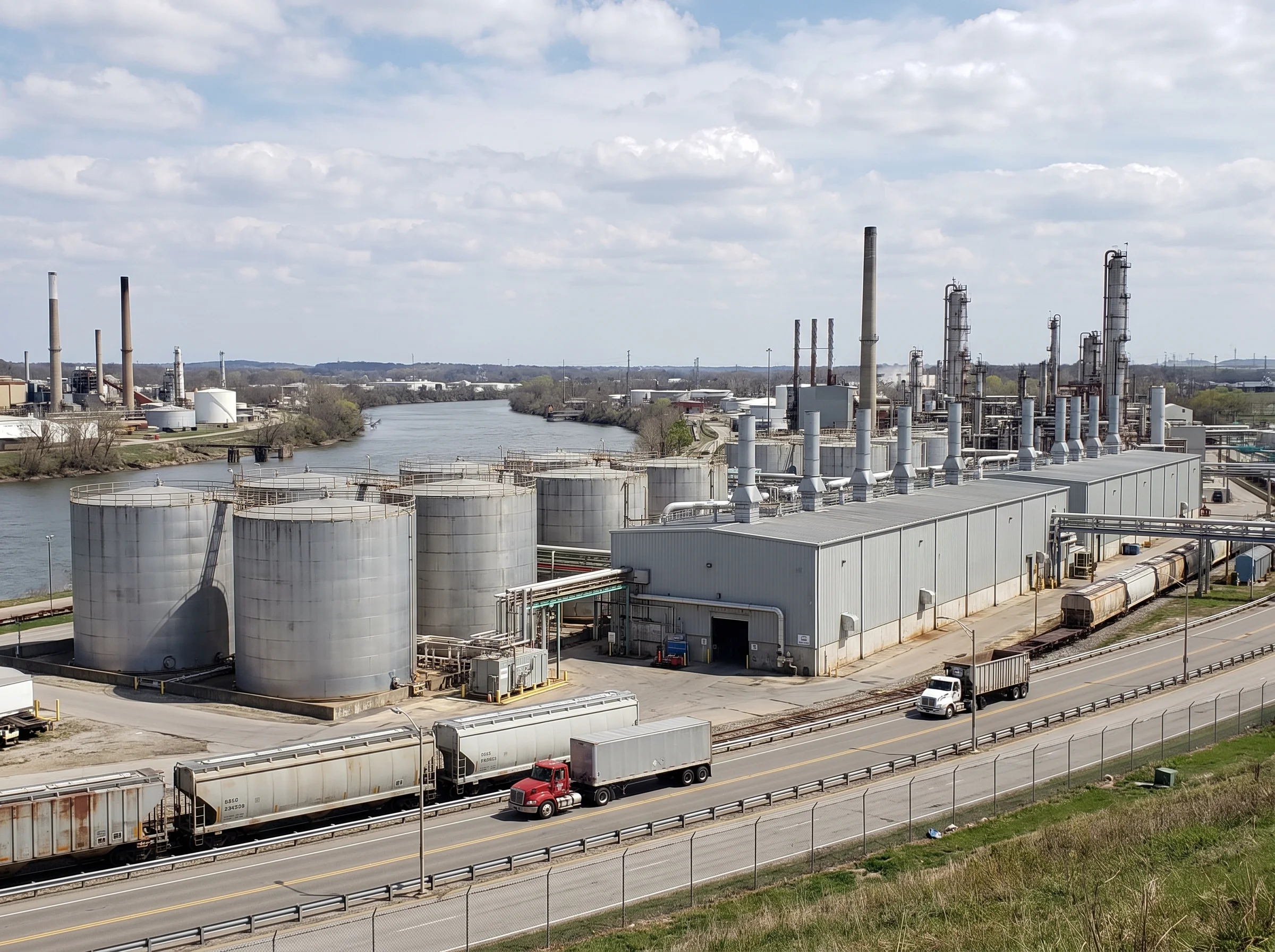
The biggest consumer of industrial salt is the chlor-alkali process, which uses electrolysis to split brine (salt dissolved in water) into chlorine gas, caustic soda (sodium hydroxide) and hydrogen. These outputs underpin a wide range of downstream industries. Chlorine is used in water disinfection, PVC plastics and pulp bleaching, while caustic soda is essential to soap and detergent manufacturing, textile processing and aluminium refining. Industry estimates put chlor-alkali production at roughly 40 percent or more of total global industrial salt consumption.
De-Icing: A Seasonal but Substantial Demand Driver
Road salt is the application most people know, even if they do not link it to industrial salt supply chains. Salt lowers the freezing point of water, which is why it is spread on roads before and during snowfall to stop ice bonding to the surface.
Roads are often pre-treated with brine before snow arrives, which prevents that bonding in the first place and reduces the amount of salt needed once snow falls. Salt-brine mixtures are generally effective only down to about -10°C, and below that other de-icing agents are needed.
Water Treatment and Softening
Hard water, meaning water with high levels of dissolved calcium and magnesium, causes scale in pipes and appliances and makes soap and detergent less effective. Water softeners deal with it using ion-exchange resins, which swap the calcium and magnesium ions in the water for sodium ions.
The resins have to be regenerated regularly with a concentrated salt solution. That is why bagged water-softener salt is a steady, high-volume product in both industrial and residential use.
Oil and Gas, and Other Applications
Industrial salt also appears in several less visible applications. In oil and gas operations it is used as an additive in drilling fluids, where it helps control fluid density and stability. It also plays a part in metal processing, leather tanning and textile dyeing, and serves as a regeneration agent in various industrial filtration systems.
In summary, the main industrial uses are:
• Chlor-alkali chemical production, supplying chlorine and caustic soda for downstream manufacturing.
• De-icing and anti-icing of roads and pavements in cold climates.
• Water softening and treatment through ion-exchange resin regeneration.
• Oil and gas drilling fluid additives.
• Textile, leather and metal processing.
What This Means for Buyers
Industrial salt does not have to meet food-grade purity requirements, so it is typically priced lower than food-grade salt and sold in bulk formats such as bags, bulk bags or loose bulk shipment, rather than in retail packaging.
Buyers sourcing for chemical processing or water treatment should state particle size, purity grade and moisture content clearly. Requirements differ considerably between, for example, a chlor-alkali feedstock and a water-softener pellet.
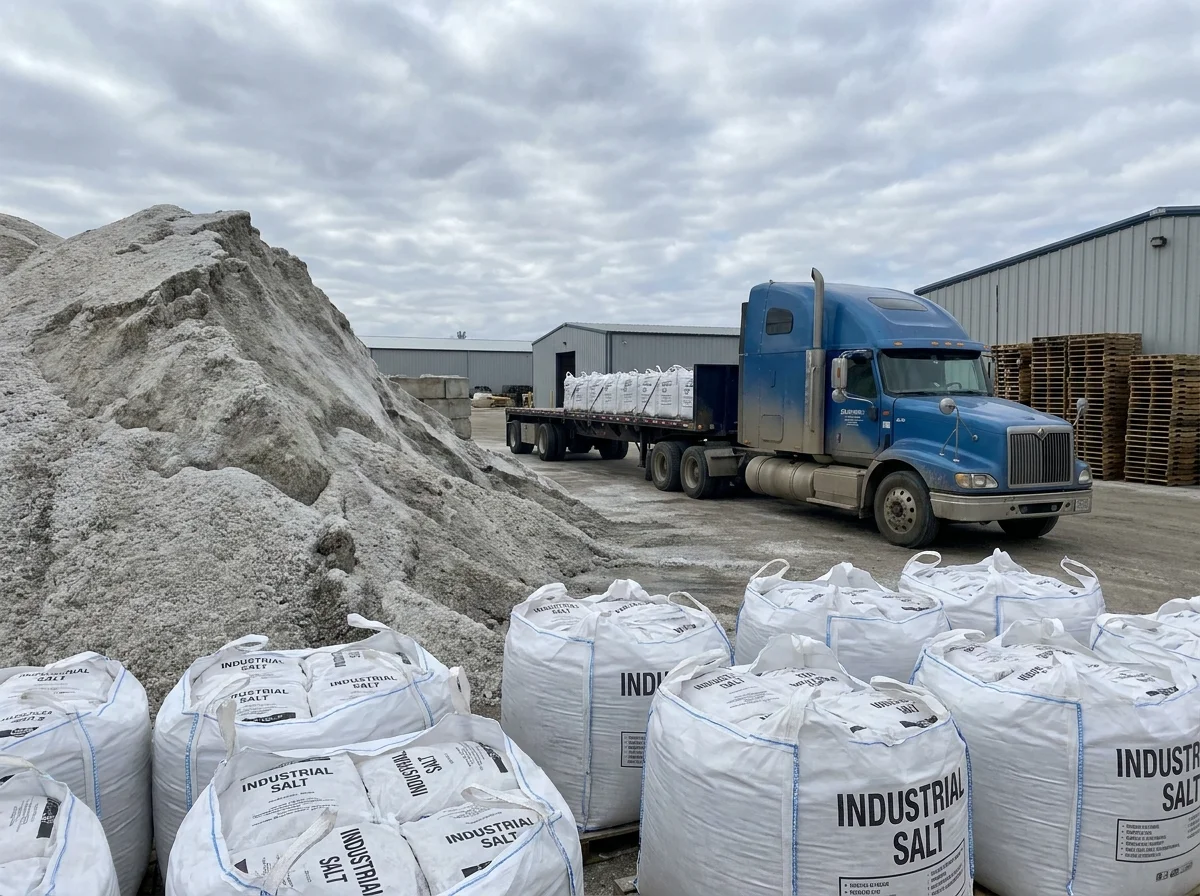
Saremco Impex supplies industrial and water-softening grade salt sourced from Pakistan's salt deposits, in bulk and bagged formats to buyer specification. To discuss volumes and grades for your application, reach out through saremcoimpex.com.