
How to Source Rice Suppliers in Pakistan: A Practical Guide for Buyers
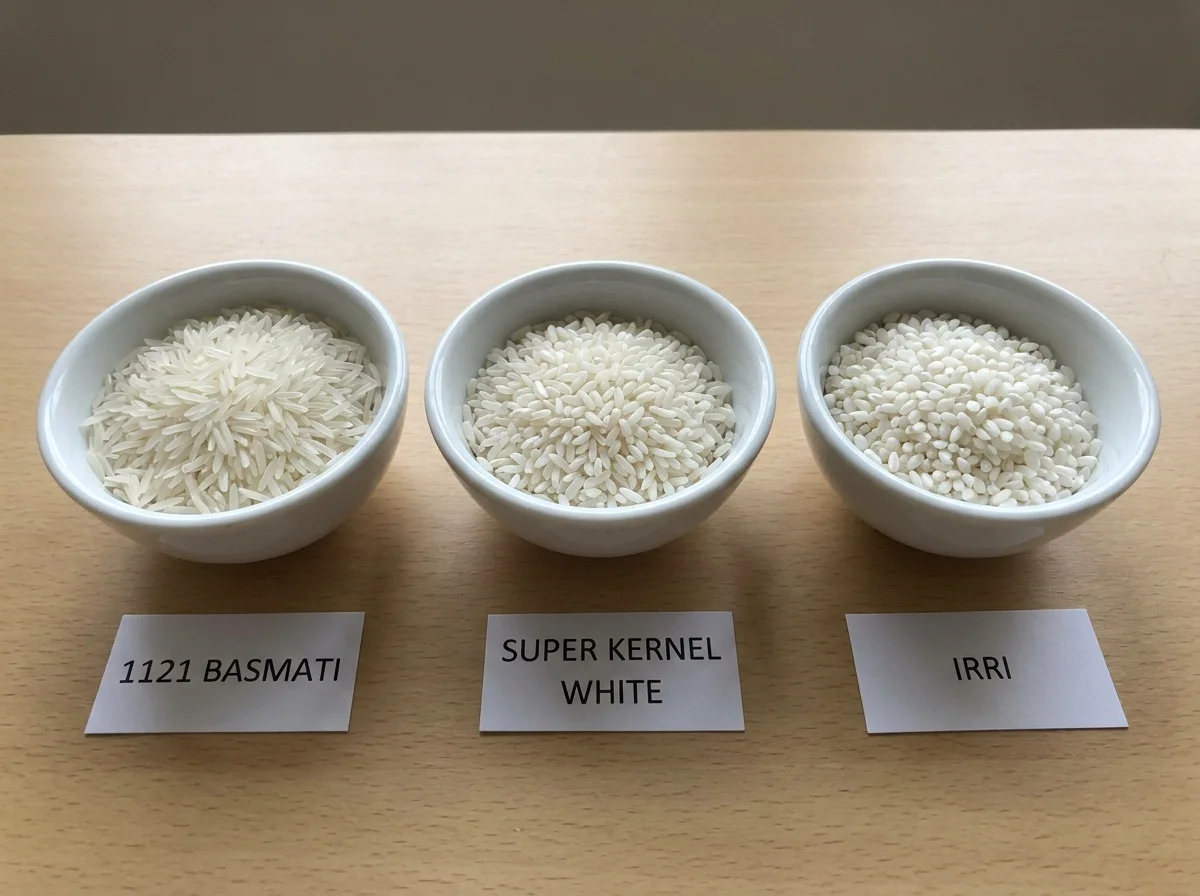
Pakistan is one of the world’s leading rice exporters, and the reasons are easy to see. The growing regions of Punjab and Sindh produce everything from fragrant 1121 and Super Kernel basmati to sturdy IRRI varieties that suit bulk markets. Finding the right rice supplier in Pakistan, though, takes more than locating a mill with stock to sell. What you need is a partner who can deliver the grade, quantity and documentation your business requires, shipment after shipment.
This guide walks through how buyers can approach sourcing rice from Pakistan: what to ask, what to verify, which terms to settle in writing, and how to build a supplier relationship that holds up over time.
Start With the Right Questions, Not the Lowest Price
It is tempting to shortlist suppliers on price per ton alone. But rice prices differ for real reasons. Variety, ageing period, broken percentage, moisture content and packaging all affect cost, so two quotes that look similar on paper may describe quite different products.
Before comparing offers, put the same set of questions to every supplier:
• Which varieties do they mill in-house, and which do they source from third parties?
• What is their average order turnaround?
• Can they provide samples before a contract is signed?
The first question matters more than it looks. A supplier who mills their own paddy generally has tighter control over consistency than one who trades pre-milled stock from several sources. If you need the same specification across repeat orders, that control makes a noticeable difference.
How to Verify Rice Suppliers in Pakistan Before You Commit
Sourcing from Pakistan usually means working at a distance, so verification carries more weight than it would with a local supplier. A few practical checks:
• Confirm the company is a registered exporter with a valid National Tax Number and export licence.
• Ask for recent shipment references or a track record with international buyers.
• Request third-party inspection reports from agencies such as SGS or the Pakistan Council of Scientific and Industrial Research (PCSIR).
• Check whether the supplier belongs to an established trade body, since membership typically requires meeting minimum compliance standards.
Membership of the Rice Exporters Association of Pakistan (REAP) is one useful signal. REAP keeps its own list of registered exporter members and promotes quality and export standards across the industry.
Contract and Quality Terms to Agree in Writing
Once your shortlist is down to a few names, get the terms on paper early. The contract should state the exact variety and grade, such as 1121 Sella, Super Kernel white or a stated broken percentage. It should also set moisture content limits, packaging type and Incoterms.
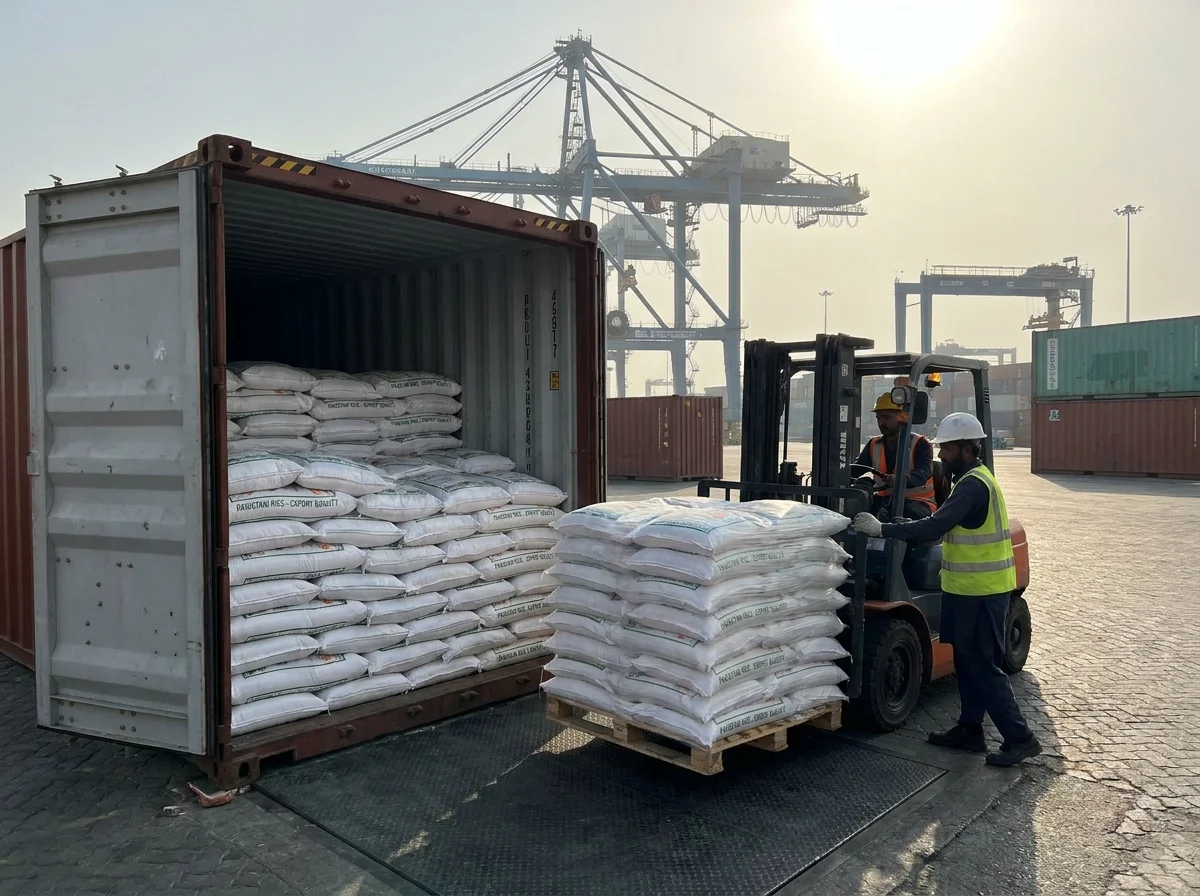
Reputable Pakistani suppliers are generally used to working on FOB or CFR terms out of Karachi, Port Qasim or inland container depots. They will expect a purchase contract that spells out these specifications instead of relying on a verbal agreement.
It also helps to ask how a supplier handles quality disputes on arrival. Do they accept an independent survey report at the discharge port? Within what timeframe must a claim be raised? Clear answers to these questions before the first shipment save a good deal of friction later.
Build a Long-Term Sourcing Relationship
Buyers who treat the first order as a trial tend to do better than those who commit to large volumes straight away. A smaller initial shipment lets you judge grain length, aroma and packaging quality before you scale up. Once a supplier has proved reliable across a few cycles, many buyers move to standing or seasonal contracts, which can help secure pricing ahead of harvest-driven fluctuations.
When a Trading House Makes Sourcing Simpler
Vetting individual mills one by one takes time. An established trading house can shorten the process because it already maintains relationships across several rice-growing regions of Pakistan and handles quality checks, documentation and logistics as part of the service.
If you are looking to source rice from Pakistan through a partner who manages sourcing, quality verification and export documentation on your behalf, Saremco Impex works with buyers across basmati and non-basmati varieties and can help structure an order around your specification and timeline.