
How to Import Lithium Ore from Pakistan: A Complete B2B Guide
Importing lithium ore is more demanding than importing a long-established bulk mineral. The material is strategic, the supply chain in Pakistan is still developing and the downstream processing that gives the ore its value usually sits elsewhere. That makes preparation worth more than speed. This guide, published on DaaTrade, sets out a practical sequence for processors, ceramic and glass manufacturers and traders, from first enquiry to receipt of cargo.
Rules vary by country, so treat each step as a prompt to check your own requirements rather than as legal advice.
Step 1: Define Your Requirement
Write down the lithium mineral you expect (spodumene, lepidolite or another), your target Li2O range, ceilings for iron, sodium, potassium and other impurities, the form and size your process accepts, moisture limit and intended volume and frequency. State whether you need run-of-mine ore, sorted lumps or concentrate. The Daa Minerals lithium ore page invites buyers to define their own specification, so arrive prepared.
Step 2: Check Import and Compliance Rules
Ask your authorities which permits, declarations and registrations apply to lithium ore, how it is classified for customs and transport, what duties and taxes are payable and whether any environmental, radiological or chemical rules affect your use. Because lithium is considered strategic by many governments, confirm whether end-use statements, supply-chain due diligence or trade controls apply. Your customs broker can confirm the tariff code.
Step 3: Shortlist Suppliers and Send a Full Enquiry
Send the same enquiry to several suppliers. Include the mineral, grade or quality profile, quantity, form, packaging and destination, as Daa Minerals requests on its enquiry page. Ask each to state its role (licence holder, processor, trader or coordinator) and the source area. Lithium in Pakistan is at an early stage, with the Geological Survey of Pakistan describing exploration potential, so test early whether a supplier can sustain your volume.
Step 4: Obtain and Test Samples
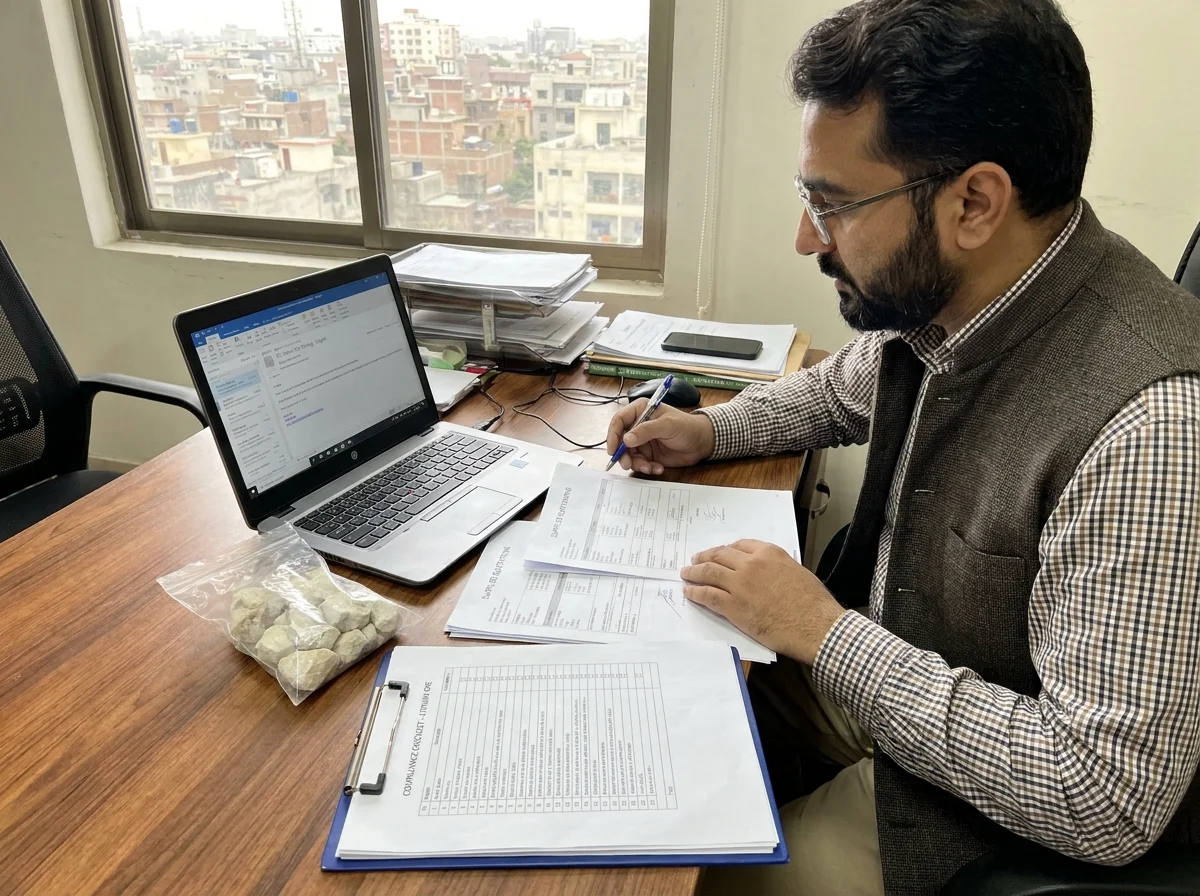
Request a sample representing the lot you would receive and send it to an independent laboratory. Define the tests first: mineral identification, Li2O, key impurities, moisture and particle size. Daa Minerals says third-party testing or inspection can be coordinated when requested and agreed, and its quality and certifications page refers to laboratory testing and batch review. Keep a sealed counter-sample for any later dispute, and ask what resource or lot the sample represents.
Step 5: Agree Terms in Writing
Put the commercial terms into a contract: specification with tolerances, quantity and permitted variation, packaging and marking, delivery term, named port, price basis, payment structure, inspection point and remedy for off-specification cargo. Daa Minerals states that availability, grade, preparation, pricing and shipment timing remain subject to source review, buyer approval and written agreement, so turn those general statements into specific commitments.
Step 6: Secure the Payment
Choose a payment method that protects both sides, such as documentary or staged payments linked to testing and loading milestones, and consult your bank. Tie payment release to documents or inspection results that prove the cargo meets the contract. Pakistani exporters must follow State Bank requirements on export proceeds, so involve your bank early.
Step 7: Plan Packaging, Loading and Shipping
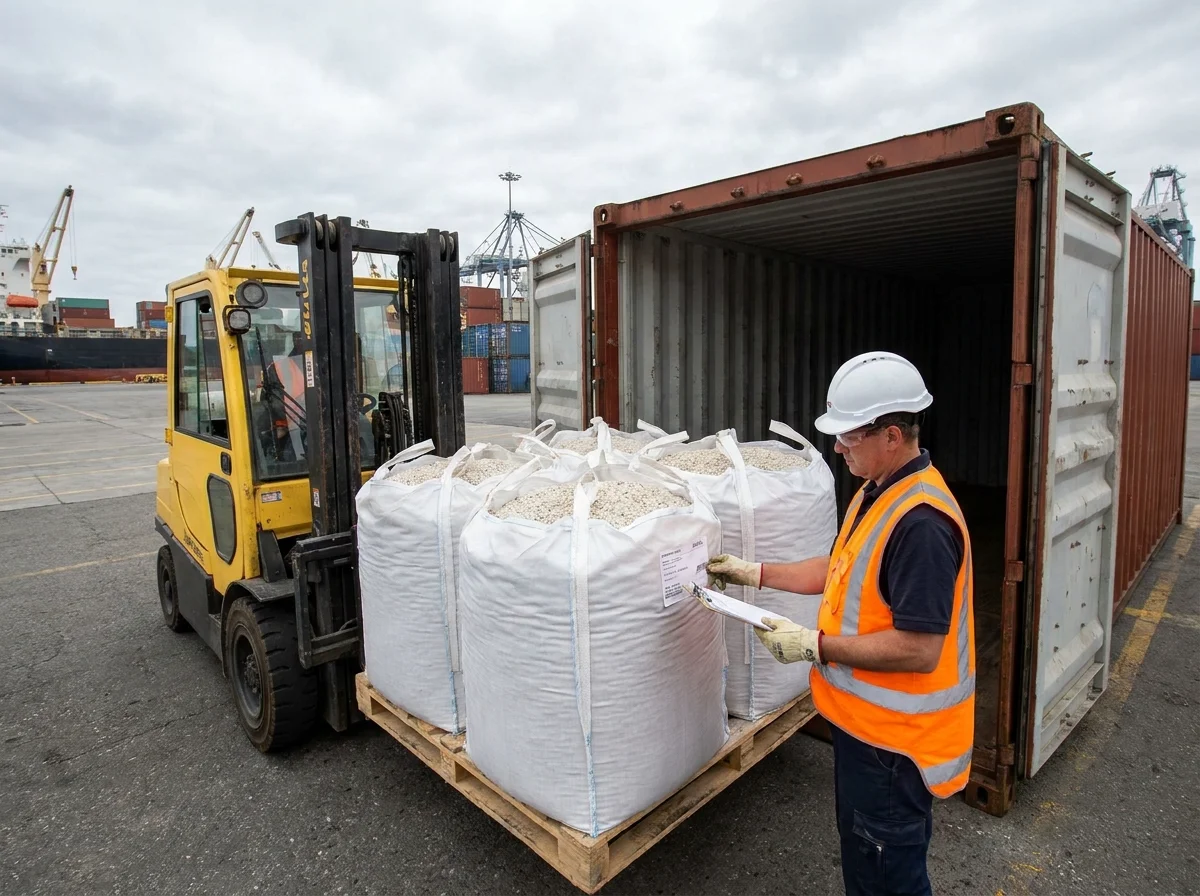
Decide whether the cargo will move in bags, containers or bulk. For bulk shipments, the shipper and carrier must follow the safety rules summarised by the IMO on solid bulk cargoes, so ask how your cargo will be classified and declared. Daa Minerals mentions Karachi, Port Qasim and Gwadar as ports that may be reviewed, subject to cargo, carrier service and route availability.
Step 8: Collect and Check Documents
Expect a commercial invoice, packing list, bill of lading and certificate of origin, plus the quality certificate or laboratory report required by your contract. Daa Minerals lists documentation among the matters it may coordinate within an agreed scope, and exporters follow the registration and customs process described in the TDAP guide. Request draft documents before shipment and check names, quantities and descriptions against your contract and any letter of credit.
Step 9: Inspect at Loading
Independent inspection at loading is the best protection against surprises. An inspector can verify quantity, sample according to an agreed procedure, check packaging and issue a report. Agree who appoints the inspector, who pays and which results lead to acceptance or rejection.
Step 10: Clear Customs and Verify on Arrival
When the cargo arrives, your broker presents documents, pays duties and arranges inland delivery. Sample at discharge and compare results with the pre-shipment report and your specification. If there is a discrepancy, notify the supplier promptly and follow the dispute process in your contract, using your counter-sample where needed.
Common Mistakes to Avoid
Buying on an indicative Li2O grade without mineral identification and an independent assay
Assuming ore can feed a battery-chemical plant without a concentration step
Overlooking end-use and trade-control requirements
Paying in full before inspection or document checks
Comparing quotations with different delivery terms or testing scopes
Start with Evidence and a Clear Requirement
A successful lithium import starts long before the vessel sails: with a defined specification, verified samples and a written contract. If you are ready to explore Pakistani lithium ore, review the Daa Minerals lithium ore profile and contact Daa Minerals with your requirement, including grade, impurity limits, quantity, packaging and destination.