
How to Import Biomass Products from Pakistan: A Guide for International Buyers
Sourcing biomass from a new country involves more than just finding a supplier with the right product. It means understanding documentation requirements, shipping logistics, and quality verification well enough to avoid costly surprises down the line. For buyers considering Pakistan as a biomass sourcing origin for the first time, here’s a practical walk-through of what the import process actually looks like.
Step 1: Define Your Specification Clearly
Before contacting any supplier, have a clear specification ready: product type (pellets, briquettes, crushed residue, and so on), moisture and ash tolerances, calorific value requirements, and packaging preferences. A vague request for “biomass” tends to invite vague quotes and mismatched expectations, which costs everyone time.
Step 2: Vet the Supplier
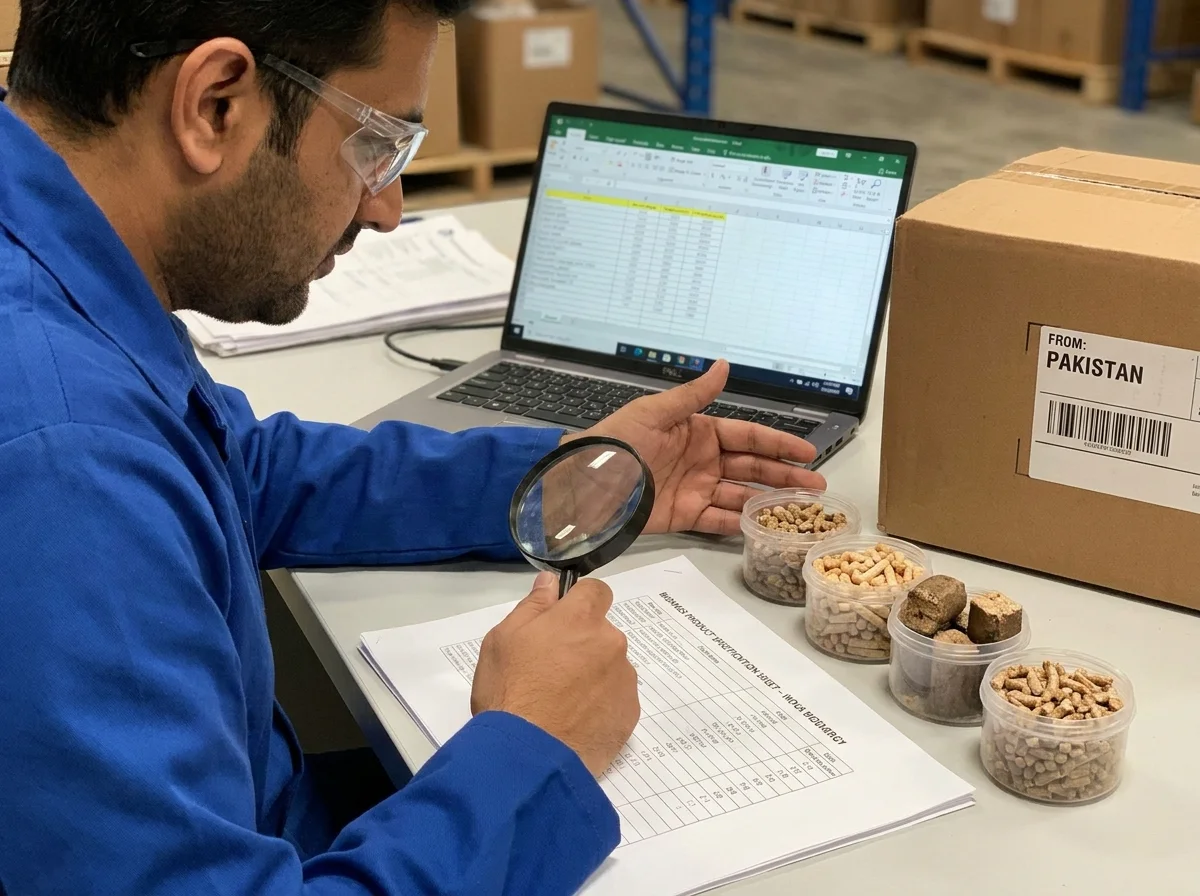
Ask for company registration details, export history, and references where possible. For agricultural and biomass products specifically, it’s reasonable to ask whether the supplier has exported to your destination country before and is familiar with its import requirements. A supplier with relevant export experience will usually be able to answer this without hesitation.
Step 3: Request Samples and a Certificate of Analysis
A small sample shipment, tested against your specification, is the most reliable way to confirm a supplier can actually deliver what they’ve quoted, before committing to a full container order. Ask for a certificate of analysis covering moisture, ash content, and calorific value alongside the sample so you have a documented baseline to compare against the full shipment later.
Step 4: Confirm Documentation Requirements
Every shipment needs a standard set of export paperwork — typically a commercial invoice, packing list, and certificate of origin, along with any additional certificates your destination country requires for agricultural or biomass imports. It’s worth confirming these requirements with your supplier and, where relevant, your own customs broker well before the shipment is due to leave port, since missing paperwork is one of the more common causes of delay at the receiving end.
Step 5: Plan Logistics and Incoterms
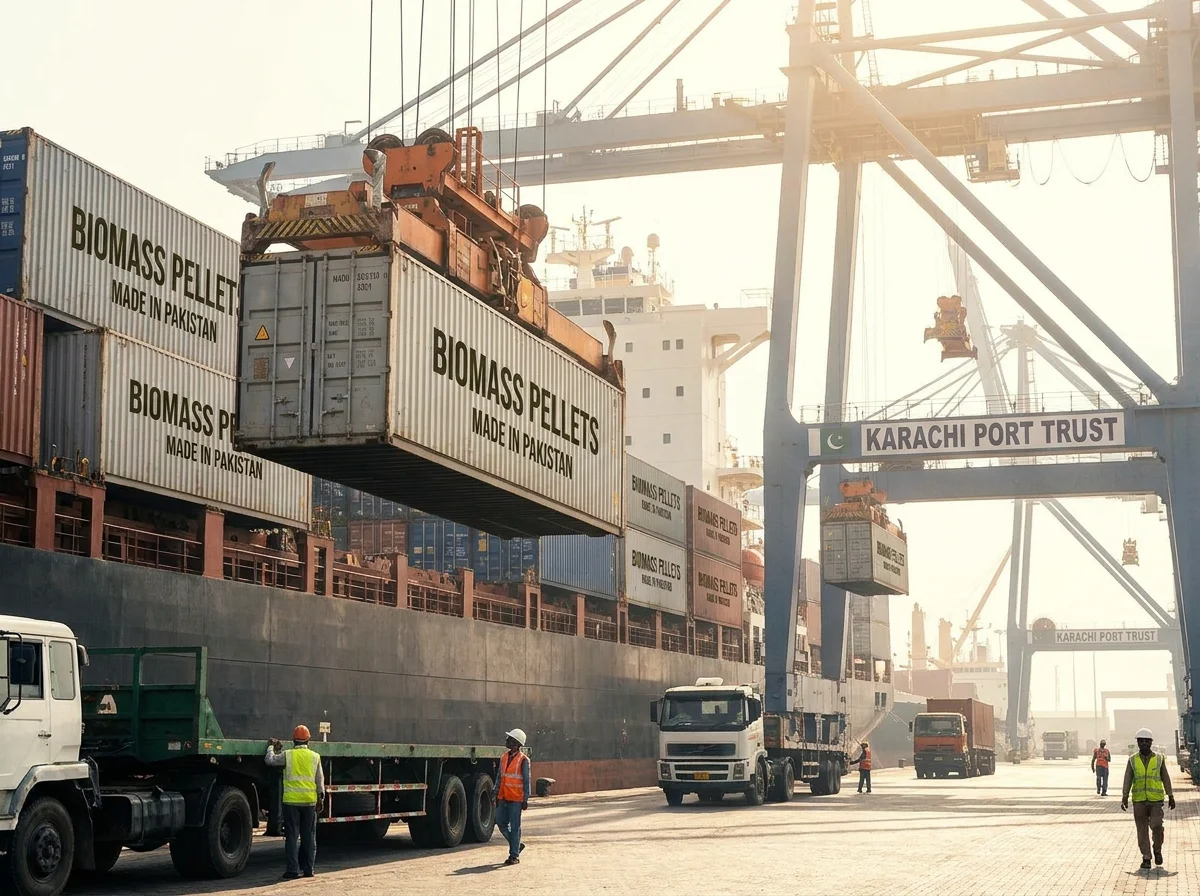
Clarify early on whether pricing is FOB (free on board, where the buyer arranges shipping from the Pakistani port) or CIF (cost, insurance, and freight included by the supplier). This affects both your landed cost calculations and who’s responsible for arranging freight and insurance. Karachi’s ports handle the bulk of Pakistan’s containerised and bulk agricultural exports, and most biomass shipments move through this route.
Step 6: Plan for Seasonal Supply
Agricultural residue-based biomass — corn cob, bagasse, rice husk — follows harvest cycles. Buyers planning regular, year-round import volumes should discuss storage and supply continuity with suppliers upfront, rather than assuming availability stays constant across all twelve months.
Common Pitfalls to Avoid
A few issues come up more often than others with first-time buyers: skipping the sample stage and ordering a full container on quoted specifications alone, assuming a supplier’s stated export experience covers your specific destination market, and underestimating how much seasonal supply patterns can affect delivery timelines. Building in time for sampling and asking direct questions about documentation upfront tends to prevent most of these problems before they start.
Getting Started with a Sourcing Partner
Because the import process involves several moving parts — documentation, quality verification, freight coordination — many first-time buyers find it more efficient to work with a partner who already knows the process. Daa Agri Limited helps international buyers import biomass products from Pakistan, from initial specification and sampling through to shipping documentation, working with vetted processors across the country’s agricultural and biomass sector.