
How to Find and Vet Rice Suppliers in Pakistan
Pakistan's rice export sector is large, varied and well established, but it is not simple to navigate. Hundreds of companies call themselves rice exporters, from large integrated mill-to-port operations to small brokers with no processing capacity. For a buyer approaching the market for the first time, knowing where to look and what to evaluate is the starting point for sound procurement.
Where Pakistan's Rice Comes From
Pakistan grows rice mainly in two provinces. Punjab is the home of basmati, and its key districts of Gujranwala, Hafizabad, Sheikhupura, Sialkot and Nankana Sahib produce the Super Kernel and 1121 basmati that dominate premium export markets. Sindh produces non-basmati varieties, particularly IRRI-6, which is exported in large volumes to Africa and the Middle East.
Exporters are concentrated in Karachi, Pakistan's main commercial and port city, in Lahore, and in the rice belt towns of Punjab. The Trade Development Authority of Pakistan (TDAP) maintains an exporter database that can serve as a starting point for verified supplier lists.
Types of Suppliers
The supply chain has several layers, and knowing them helps you pick the right kind of partner.
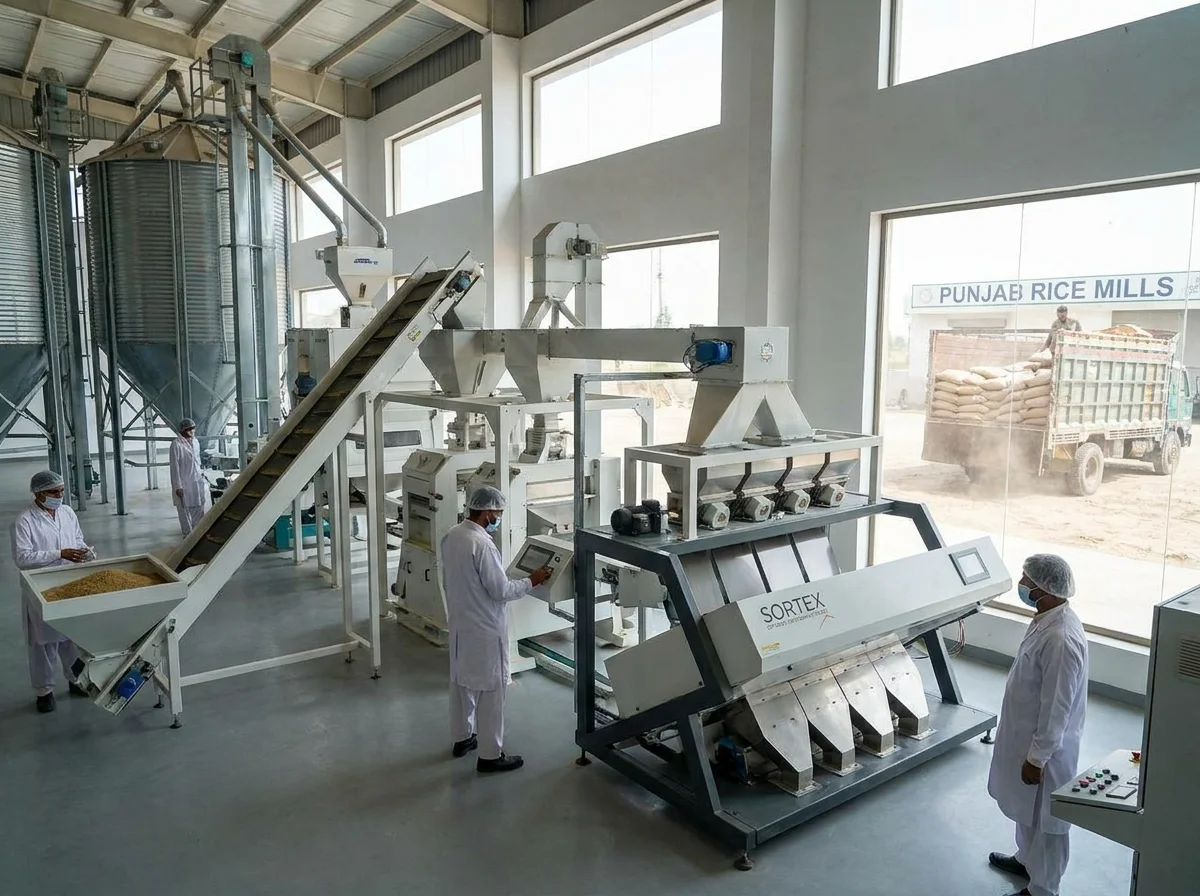
• Rice mills and processors: Companies with their own milling, drying, sortex cleaning and packaging facilities. They are the most vertically integrated option, process paddy directly and offer the greatest control over quality and consistency. Minimum orders are usually higher, typically one full container or more.
• Export trading companies: These source from several mills and manage export, documentation and logistics. They suit buyers who need a range of products, smaller first orders or flexibility across grades. Quality depends on the company's relationships with its mills and its own quality control.
• Brokers: Intermediaries who connect buyers and suppliers for a fee. They can help with market intelligence and introductions, but they add a cost layer and take no responsibility for product quality or delivery.
Where to Find Suppliers
• Pakistan Trade Portal: The government's official B2B platform lists verified Pakistani exporters with product details and contacts, and is a reasonable place to start supplier discovery.
• Rice Exporters Association of Pakistan (REAP): The industry association keeps a directory of member exporters. Membership does not guarantee quality, but it shows a baseline of industry standing.
• International trade shows: Gulfood in Dubai, SIAL Paris and Anuga in Cologne regularly feature Pakistani rice exporters. Meeting suppliers face to face remains one of the most effective ways to assess them before ordering.
• Trade data platforms: Services such as Panjiva and Import Yeti let you search historical customs records and see which Pakistani exporters have shipped to which countries and buyers. Export history is among the most objective indicators of a supplier's real activity and reliability.
Evaluating a Supplier Before You Order
Once you have a shortlist, the evaluation should cover the following.
• Company registration and export credentials: Ask for registration documents, Export Facilitation Scheme registration if applicable, and the National Tax Number (NTN). Legitimate exporters will provide them without hesitation.
• Mill or processing facility: Find out whether the company owns or controls its mill. Ask for photos, or a site visit if the order size justifies one. A supplier with no processing facilities depends entirely on third-party mills. That is not necessarily a problem, but it affects your quality assurance chain.
• References from international buyers: Ask for contact details of buyers in your region who have ordered from the supplier. A genuine exporter with a real track record can provide them.
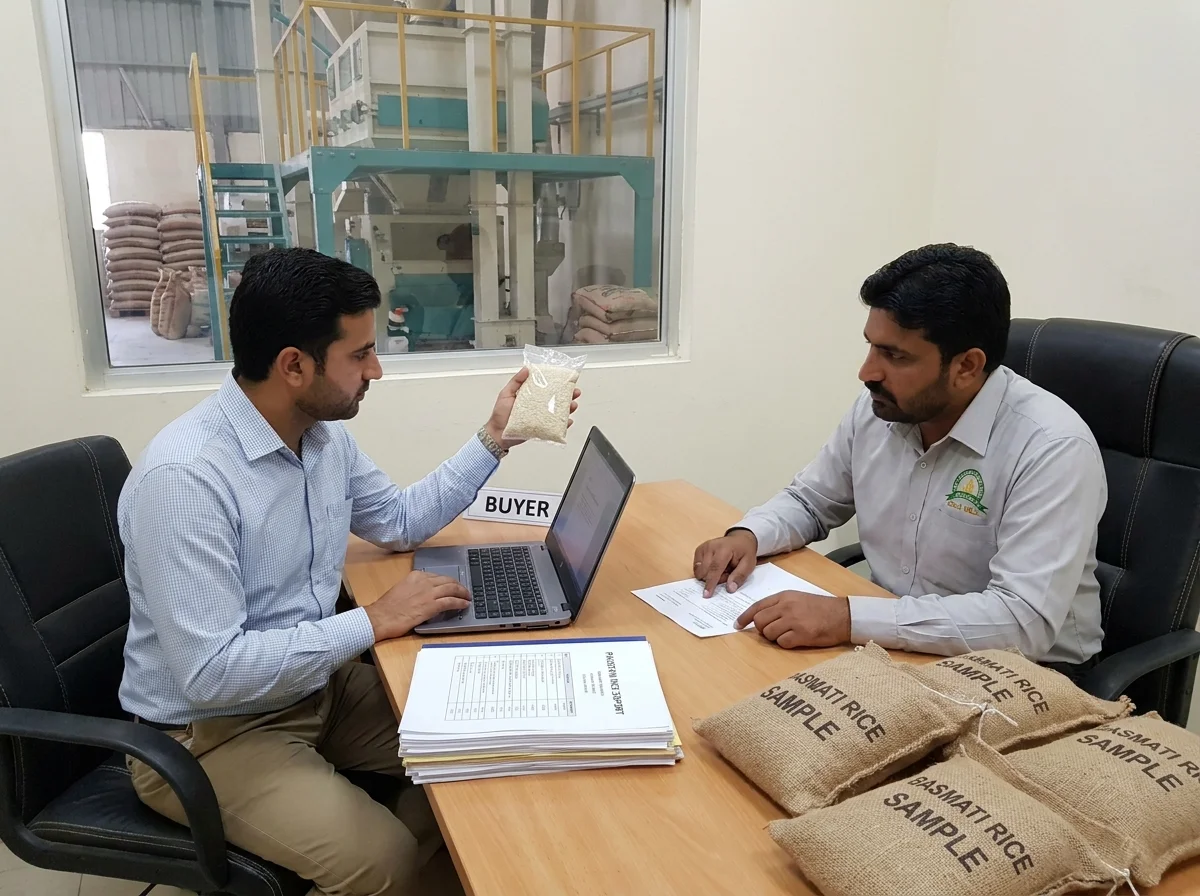
• Sample evaluation: Request a sample from the specific batch or production run on offer, not a reference sample from stock. Check grain length, aroma (for basmati), moisture and cooking behaviour yourself.
• Certifications: Confirm which certifications the supplier holds, such as ISO, HACCP, halal and any others your destination market requires, and ask for current, dated certificates rather than older documents.
Red Flags to Watch For
Be cautious of a supplier who cannot provide a factory address or processing facility, quotes prices well below market without explanation, pushes for full advance payment without a track record, cannot supply references from earlier international buyers, or resists third-party inspection of the shipment.
Saremco Impex is a Pakistan-based rice trading company with direct sourcing relationships in Punjab's basmati growing belt. It exports 1121 basmati and Super Kernel basmati along with non-basmati varieties, with full export documentation and third-party inspection available on request. To start a sourcing conversation, visit saremcoimpex.com.