
How to Buy Agricultural Products from Pakistan: A Step-by-Step Guide for International Buyers
Buying agricultural products from a new country comes with a learning curve. Documentation norms differ, quality benchmarks differ, and so does the way business gets done. Pakistan is no exception, but the process is very manageable once you know which steps actually matter. This guide covers how to buy agricultural products from Pakistan, from your first supplier contact through to a landed shipment.
Step 1: Define Exactly What You Need
Pakistan's agricultural export catalogue is broad. It includes rice, cotton, fruit and vegetables, along with a growing range of processed by-products such as corn cob derivatives and biomass fuel. Before you contact anyone, settle on the product, grade, quantity and delivery timeline as precisely as you can.
The more specific the enquiry, the better the response. A message asking for "agricultural products from Pakistan" tends to get generic replies. A request naming a particular product and specification usually gets a serious, useful answer from suppliers who can actually meet it.
Step 2: Identify and Vet Pakistani Suppliers
Suppliers range from small family-run processing units to larger operations focused on exports. If this is your first purchase from Pakistan, check each supplier's export history, ask for references from existing international buyers, and confirm their registration with the relevant Pakistani trade bodies before going further.
Independent data helps here too. The Pakistan Bureau of Statistics publishes trade figures that show which product categories and regions are genuinely active in exports, so you are not relying only on what a supplier says about itself.
Step 3: Request Samples Before Committing to Volume
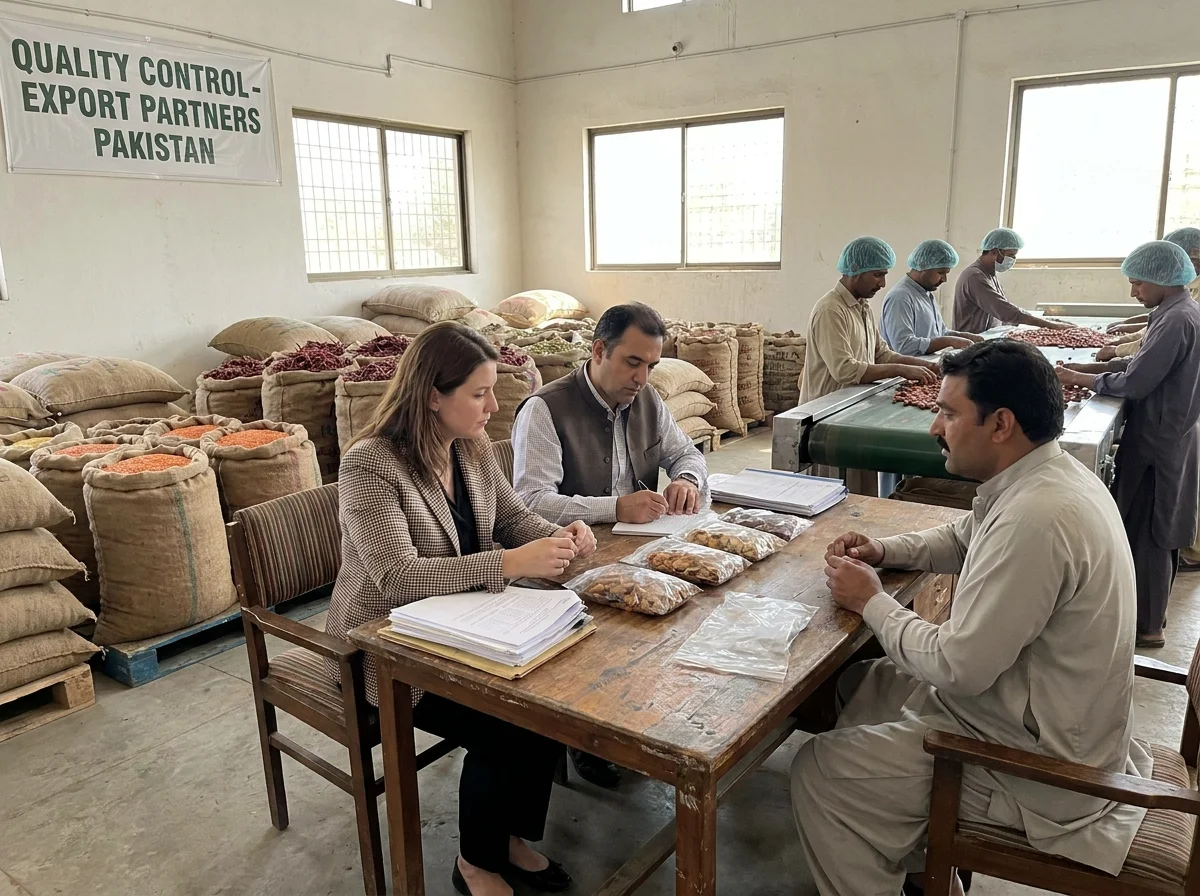
A sample shipment, tested against your own specification, is still the most dependable way to confirm quality before you place a full order. This matters even more for less standardised categories such as agricultural by-products and biomass, where quality can differ noticeably from one processor to another.
Step 4: Agree on Terms in Writing
Once a sample meets your requirements, put the commercial terms on paper before any goods move. At a minimum, the agreement should state the product specification, quantity, price, payment arrangements, packing method and delivery schedule. Settling these points early prevents most of the disputes that arise later, particularly when the product is a by-product with natural variation between batches.
Step 5: Handle Documentation and Shipping
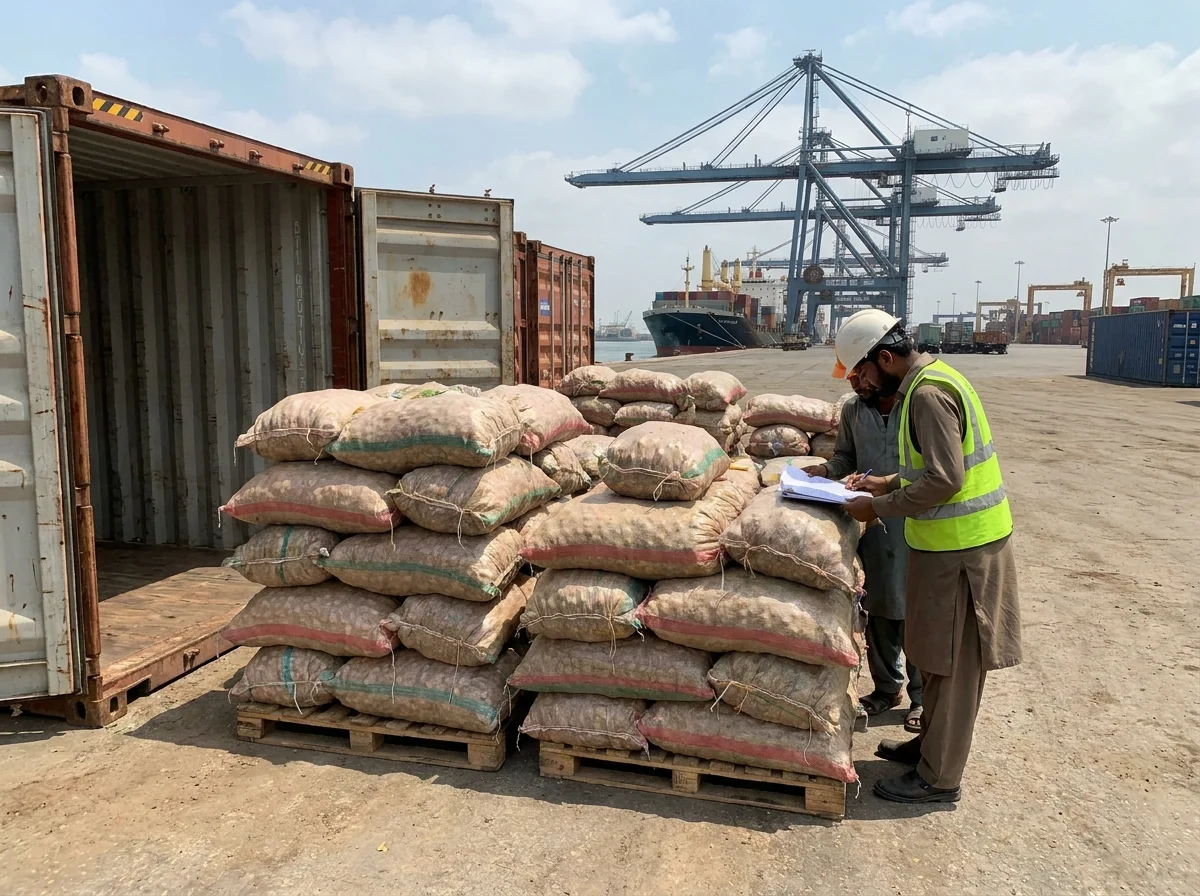
Standard export paperwork includes a commercial invoice, a packing list and a certificate of origin. Many agricultural products also need a phytosanitary certificate. Sea freight typically moves through Karachi's ports, so confirm the container loading arrangements for your product, whether it ships in bulk, in bags or on pallets, well ahead of the shipment date.
Working with a Sourcing Partner
Buyers with no existing contacts in Pakistan can save a lot of effort by working through an established sourcing partner. Supplier vetting, sample coordination and documentation support are usually part of that service. Daa Agri Limited works with international buyers sourcing agricultural products, corn cob derivatives and biomass materials from Pakistan. The company matches each requirement to a vetted supplier and supports the process from first enquiry through to delivery.