
Himalayan Salt Lamps: Do They Really Work?
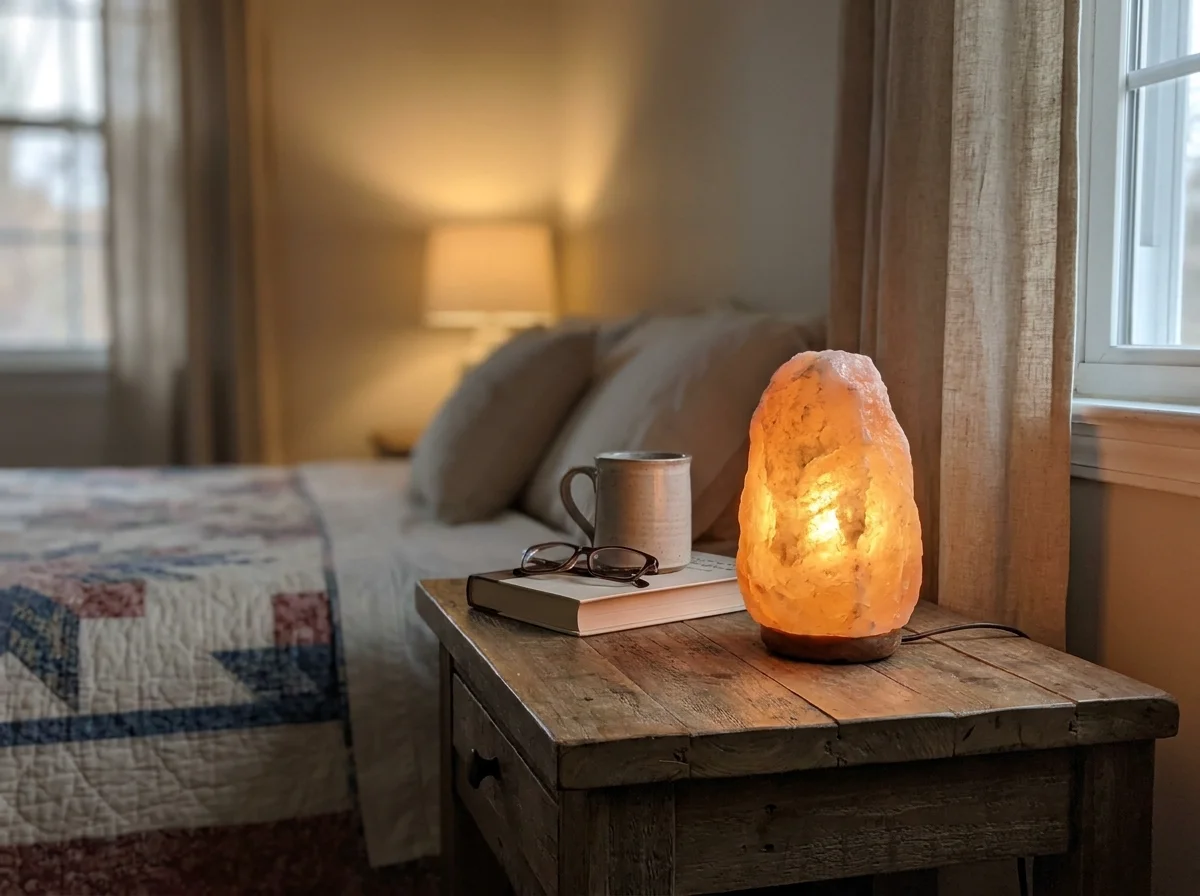
Himalayan salt lamps are now a common sight on nightstands and living room shelves, sold on the promise that they purify indoor air and lift mood by releasing negative ions. The warm glow is pleasant. Whether the science behind the health claims holds up is a different question, and this article looks at what the evidence says.
The Core Claim: Negative Ion Release
The main marketing pitch is that a heated salt lamp releases negative ions into the air, which are said to neutralise pollutants and improve mood. Negative ions are real. They occur naturally near waterfalls, after thunderstorms and in a few other settings, and some research has looked at high-intensity negative ion exposure as a treatment for seasonal affective disorder.
The problem is scale. Healthline reports that independent testing found the negative ion output of a typical salt lamp, warmed by a small low-wattage bulb, was too low to be reliably measured, let alone comparable to the concentrations used in clinical studies of mood and ion exposure.
The Air Purification Theory
A related claim is that salt lamps clean the air through hygroscopy, the tendency of salt to attract water molecules from the surrounding air and, supposedly, trap dust and pollutants with the moisture. Salt is indeed hygroscopic. But a small lamp warmed by a low-wattage bulb does not produce anywhere near enough heat to drive a meaningful air-purification cycle, and no published research shows a measurable improvement in indoor air quality from using one.
So What Are They Good For?
Health claims aside, salt lamps have a couple of legitimate if modest benefits. Many people find the warm, dim amber light calming in the evening. It is a much softer alternative to bright overhead lights or screens before bed, and some people use a lamp as a low-stimulation light source in the hour or two before sleep.
They are also simply attractive natural decor, carved from genuine rock salt with colour variation and texture that are hard to replicate artificially.
What Buyers and Retailers Should Know
For retailers, the honest way to position salt lamps is as ambient lighting and decor, not as health devices. Overstating air-purification or therapeutic benefits risks disappointing customers and, in some markets, regulatory scrutiny over unsubstantiated health claims.
Quality still matters. Look for lamps carved from solid, unprocessed rock salt with a properly rated bulb and cord, because cheaper imitations sometimes use composite or dyed salt that lacks the same appearance and durability. When comparing offers:
• Check that the lamp is carved from solid rock salt, not crushed and reconstituted salt.
• Confirm the electrical fitting meets the safety standard required in your destination market.
• Ask about weight and size grading, since lamp value is usually tied to the size and quality of the salt crystal.
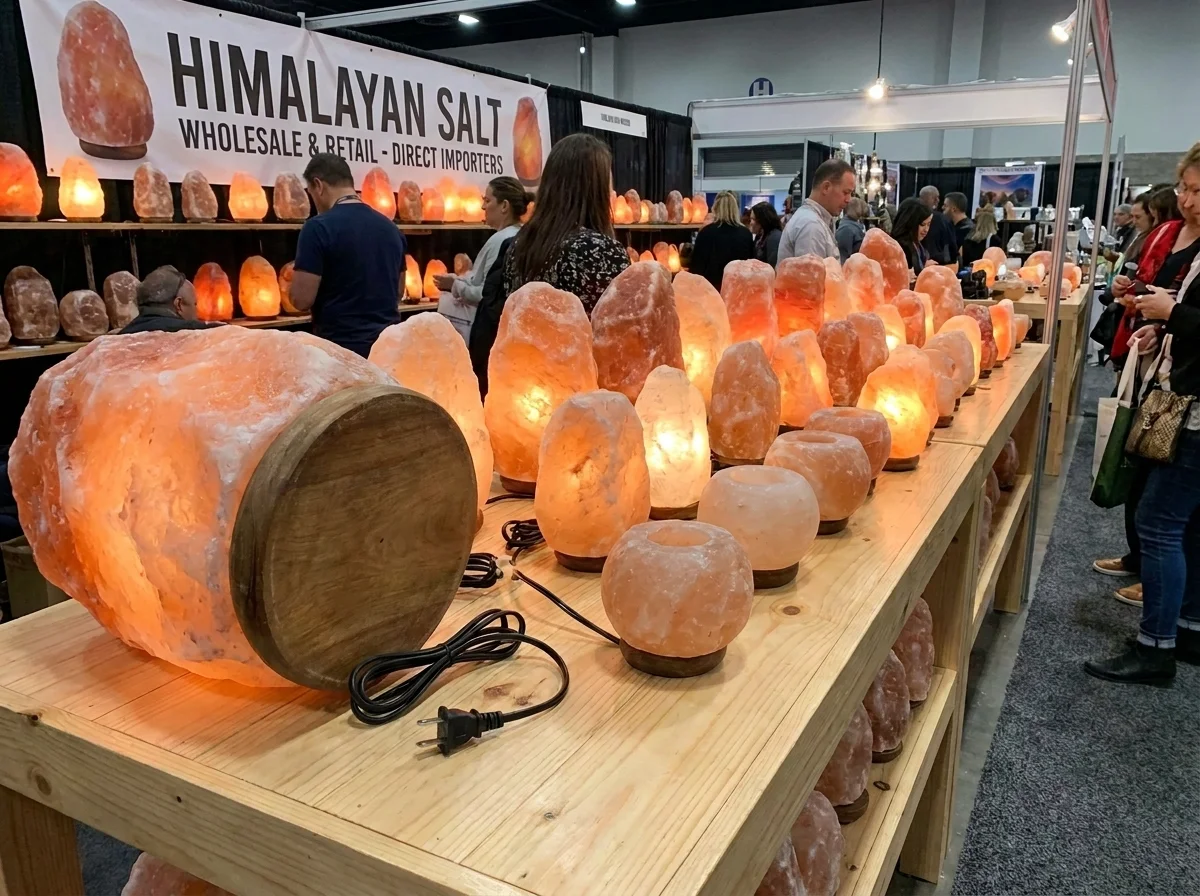
Saremco Impex supplies Himalayan salt lamps and other salt handicraft products sourced from Pakistan, in a range of sizes for retail and wholesale buyers. To request a catalogue or discuss bulk pricing, contact the team through saremcoimpex.com.