
Himalayan Pink Salt: Benefits, Myths and Facts
Himalayan pink salt is now one of the most talked-about ingredients in kitchens and wellness aisles, prized for its rosy colour and sold with a long list of health claims. Some of what is said about it holds up, and a lot of it does not. This article looks at what the salt actually is and what the evidence says about the claims attached to it.
What Himalayan Pink Salt Actually Is
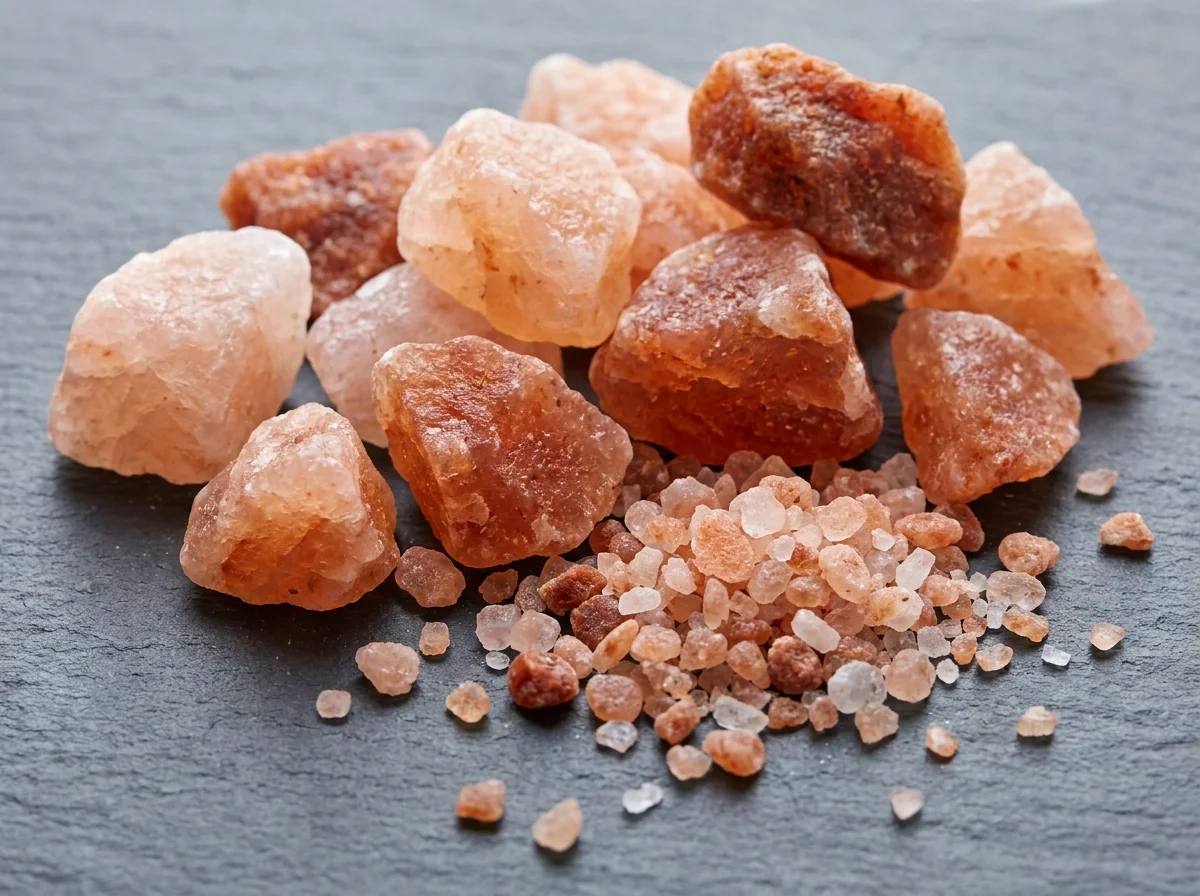
Himalayan pink salt is a rock salt mined mainly from deposits near the Khewra Salt Mine in Punjab, Pakistan, formed from ancient evaporated seabeds. Like nearly all salt, it is overwhelmingly sodium chloride, typically around 97 to 98 percent. The rest is trace minerals such as iron, calcium, potassium and magnesium, and it is the trace iron oxide that gives the salt its pink to reddish colour.
Myth: It Contains Meaningful Amounts of Minerals
Himalayan pink salt does contain more trace minerals than heavily refined table salt, and lab analysis has detected dozens of trace elements in it. The quantities are tiny, however. In a typical serving, the calcium, magnesium or potassium it supplies is a small fraction of a percent of daily recommended intake, nowhere near enough to affect nutrition in a meaningful way.
Medical News Today makes the same point: pink Himalayan salt is chemically similar to ordinary table salt, and there is no strong evidence that its trace minerals deliver meaningful health benefits at normal consumption levels.
Myth: It Is Lower in Sodium
Table salt and Himalayan pink salt are both roughly 97 to 98 percent sodium chloride by weight, so gram for gram they contribute essentially the same amount of sodium.
The "lower sodium" idea probably comes from crystal size. Coarse pink salt takes up more volume per teaspoon than fine table salt, so a teaspoon of it may weigh less and contain less sodium. By weight, the two are almost identical.
What Is Genuinely True
Once the exaggerated claims are set aside, a few real points remain in the salt's favour. It is typically less processed than refined table salt and has no anti-caking agents added. It is also not iodised. That matters for people who depend on iodised salt for their iodine intake, but it is a genuine selling point for cooks who prefer a purer product.
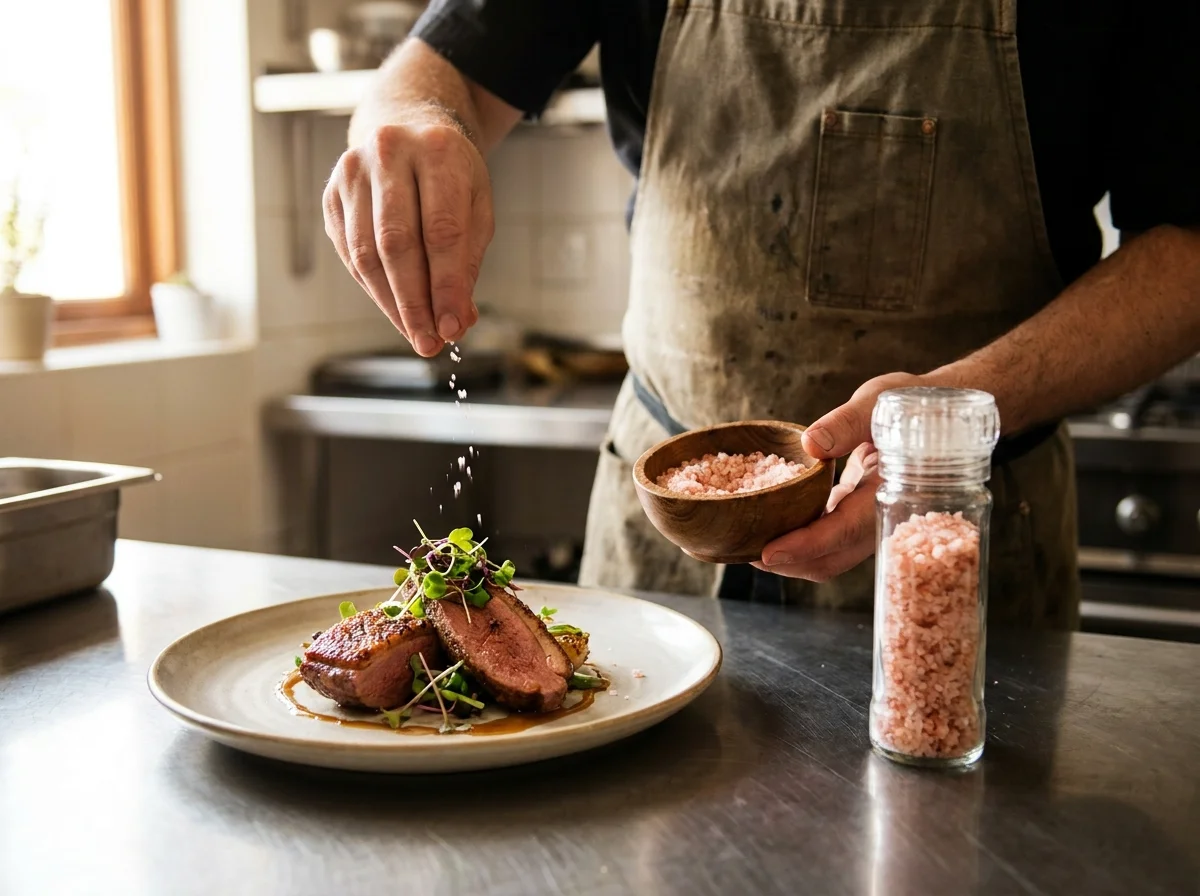
The larger crystals also make it popular for finishing dishes, salt-block cooking and presentation. The benefit there is culinary rather than nutritional, but it is real.
A Note on Sourcing
Because the salt is tied to a specific mining region, transparency in the supply chain matters, particularly for distributors who want to market the product accurately instead of relying on vague claims. Ask suppliers for the specific mine of origin, grain-size specifications and any relevant food safety certification for the grade you are buying.
Saremco Impex supplies Himalayan pink salt sourced from Pakistan's Punjab region in a range of grades and packaging formats, for culinary and decorative use. To discuss specifications or request a sample, contact the team through saremcoimpex.com.