
Exporting Rock Phosphate from Pakistan: A Practical Guide for Overseas Buyers
Phosphorus is one of the nutrients no crop can do without, and phosphate rock is where almost all of it begins. According to the U.S. Geological Survey, phosphate rock minerals are the only significant global resources of phosphorus, and most of the phosphorus consumed worldwide ends up in fertilizers for food crops. That is why fertilizer manufacturers, chemical processors and traders keep a close eye on new and secondary origins, including Pakistan.
Pakistan is not a household name in the phosphate trade, and that is exactly why buyers need a clear, honest picture before they open a conversation with any supplier. This guide, published on DaaTrade, explains where Pakistani rock phosphate comes from, what an export-ready product realistically looks like, and how an overseas buyer can move from curiosity to a well-formed sourcing enquiry with Daa Minerals Limited.
Where Pakistan's Phosphate Comes From
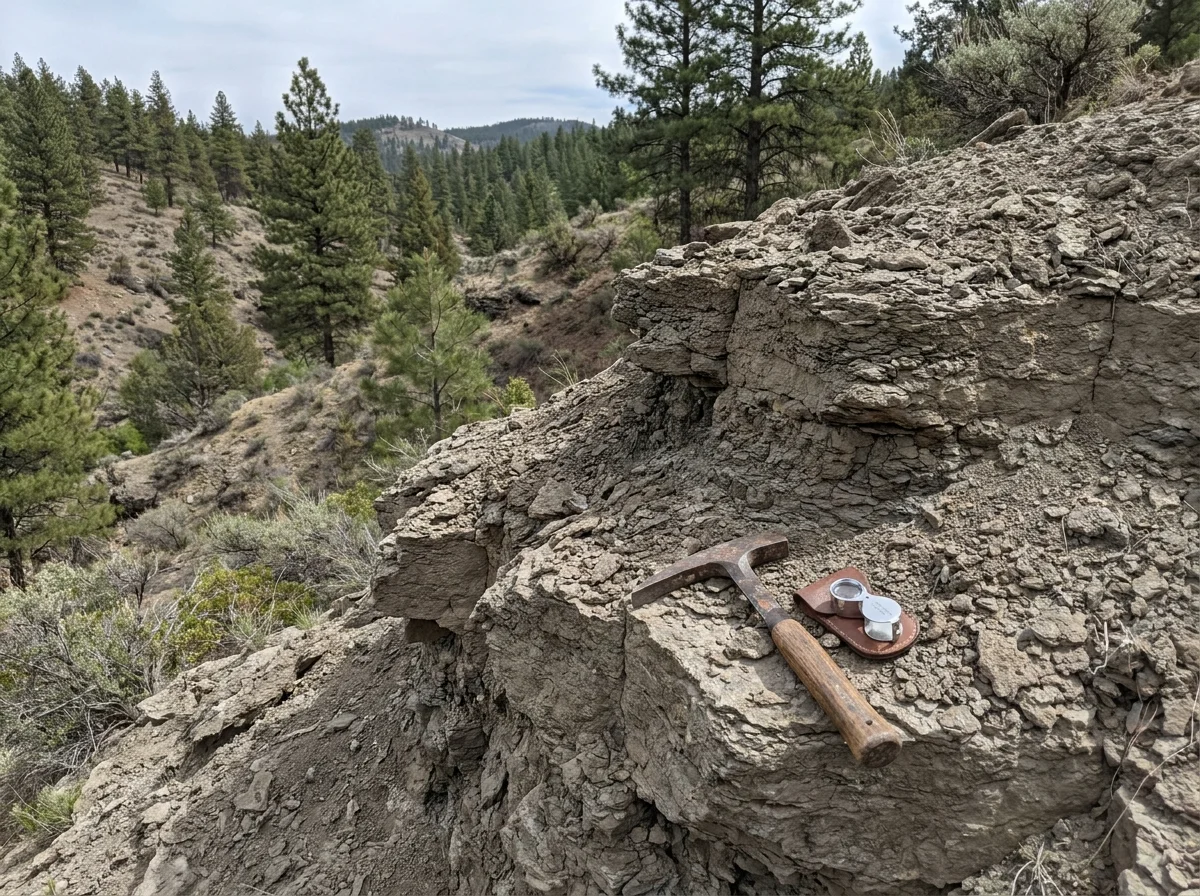
The country's documented phosphate occurrences are concentrated in the Hazara region of Khyber Pakhtunkhwa, around Abbottabad. PCSIR researchers writing in the Pakistan Journal of Scientific and Industrial Research describe these deposits as early Cambrian phosphorites that sit in gradational contact with dolomite, siltstone and chert of the Abbottabad Formation, with fluorapatite as the dominant phosphate mineral.
Resource figures help set expectations. A Geological Survey of Pakistan study of newly described deposits at Paswal Mian, Banseri and Shahkot near Abbottabad reports P2O5 values between 12 and 25 percent, with probable reserves of about 4.24 million tonnes averaging 20 percent P2O5. Earlier surveys, summarised in Dawn, put proven phosphate rock deposits in the region at around 26 million tonnes. In other words, Pakistan is a modest-scale origin whose natural material often needs selection or upgrading to reach the grades many industrial buyers ask for.
What an Export-Ready Product Looks Like
Phosphate rock is graded by its P2O5 content. One commonly cited scheme, quoted in a PCSIR paper on Kakul phosphate mineralogy, describes furnace grade as roughly 16 to 24 percent P2O5, fertilizer grade as 25 to 31 percent and acid grade as anything above 31 percent. Those bands are a useful reference point when you read any supplier's claim.
Daa Minerals' rock phosphate page lists an indicative profile of 24 to 28 percent P2O5, with fertilizer, animal feed and chemical processing named as discussion contexts. The page is careful to say that this range is a starting reference rather than a guaranteed specification and that actual chemistry, physical properties and lot condition need source-specific review. Buyers should read that candour as a feature. It means the real conversation is about the material you will actually receive, not a brochure number.
It also means fit matters. A range that straddles the upper end of furnace grade and the lower end of fertilizer grade may suit certain fertilizer manufacturers. Still, a plant designed for wet-process phosphoric acid and expecting acid-grade feedstock would need to test very carefully before committing. Only your technical team can decide whether a given lot suits your process.
The Export Pathway at a Glance
Daa Minerals Limited describes itself as a Pakistan-based mineral sourcing and export coordination company. Its operations and supply chain approach follows four connected stages: reviewing the buyer's requirement, reviewing sources and material, coordinating preparation and verification, and planning documentation and shipment. Sorting, sizing, grinding, and packaging may be coordinated where suitable facilities and providers are available.
On the logistics side, Karachi, Port Qasim and Gwadar are the gateways the company mentions as options that may be reviewed, depending on cargo type, carrier service and route availability. None of them is a promise of a particular routing; the final choice is confirmed shipment by shipment.
Exporters in Pakistan also work within a regulatory framework. The Trade Development Authority of Pakistan publishes a step-by-step guide for new exporters covering company registration, tax registration and customs system registration, and the State Bank of Pakistan sets rules on export proceeds in its foreign exchange manual. These are the exporter's responsibilities, but a buyer who understands them can spot an unprepared counterpart quickly.
Why Evidence Matters More Than Promises
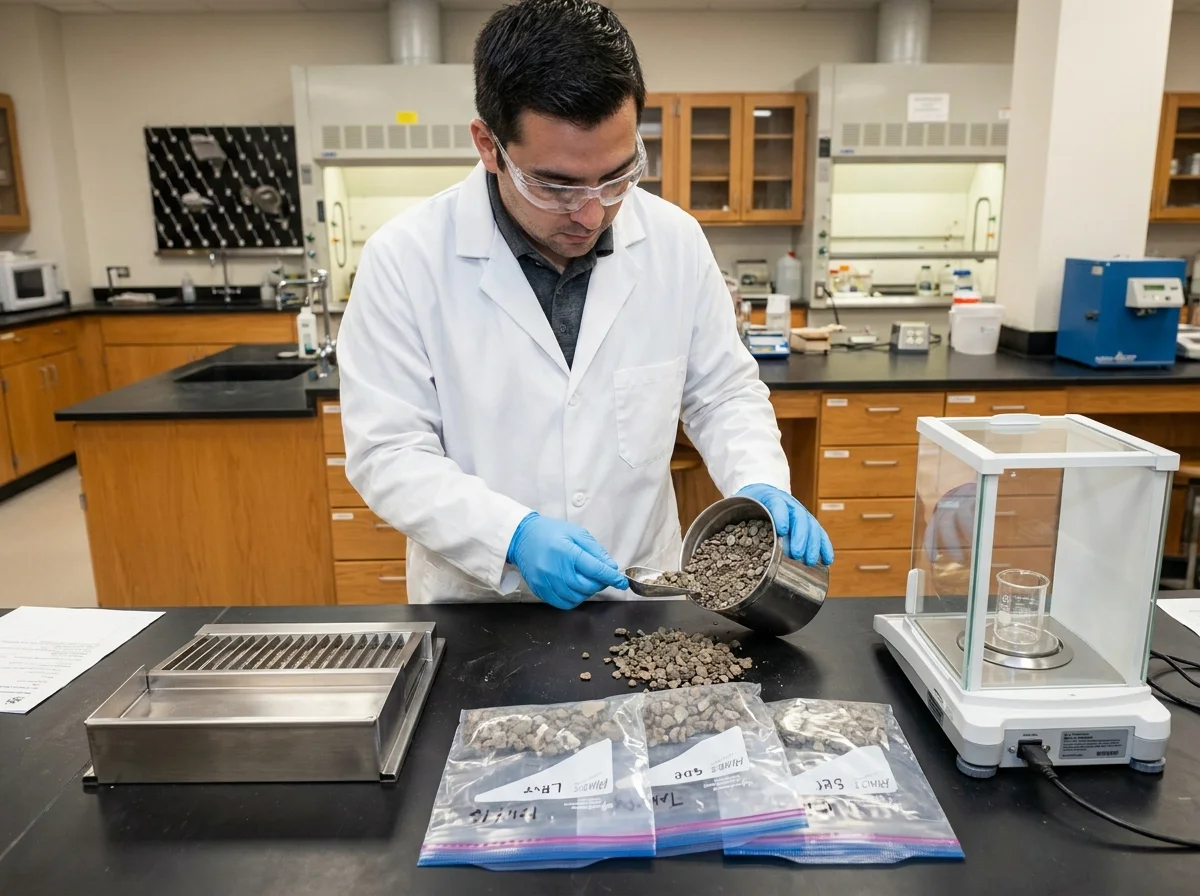
In bulk minerals, a certificate of analysis tells you far more than a sales presentation. Daa Minerals states that third-party testing or independent inspection can be coordinated when requested and agreed, and its materials refer to providers such as SGS, Intertek and PCSIR. The company is also clear that reports remain attributable to the laboratory that issued them and that final technical suitability stays with the buyer.
When you request testing, name the parameters rather than leaving them open. For rock phosphate, buyers typically ask for P2O5, CaO, MgO, Fe2O3, Al2O3, SiO2, fluorine, moisture and particle-size distribution, plus cadmium where the end market is sensitive to it. The European Union, for instance, limits cadmium in phosphate fertilizers to 60 mg per kg of P2O5 under Regulation (EU) 2019/1009, so a European fertilizer producer will care about trace elements in its raw material.
How to Prepare an Enquiry That Gets a Useful Answer
Sourcing discussions move faster when the first message is specific. Before you write, gather the following:
• Your target specification, including P2O5 range and the impurity limits you cannot exceed
• The intended application, such as fertilizer manufacturing, chemical processing or another use
• Material form and sizing: lump, crushed or ground, and the particle sizes you can handle
• Quantity, and whether this is a trial, a one-off spot purchase or a recurring programme
• Preferred packaging, such as bulk, bags or containers
• Destination port, intended delivery window and any testing or inspection you require
Daa Minerals asks for much the same information on its own site: the mineral, grade or quality profile, quantity, material form, packaging and destination. Providing it up front shortens the path to a realistic proposal and filters out misunderstandings about grade before they become costly.
Setting Realistic Expectations
Responsible suppliers will tell you what they cannot promise, and Daa Minerals does so openly: availability, grade, quantity, preparation, packaging, pricing and shipment timing all remain subject to source review, provider availability, buyer approval and written commercial agreement. Treat any supplier that skips those caveats with caution. A good export relationship starts with a written scope, a verified sample and a clear understanding of who issues which document.
Taking the Next Step
Exporting rock phosphate from Pakistan rewards buyers who do their homework: understand the geology, read grades against your process, insist on independent testing and agree the scope in writing. If your plant or trading business is evaluating Pakistani phosphate, you can review the rock phosphate product profile at Daa Minerals and then submit your requirement through the Daa Minerals enquiry page with your target specification, quantity and destination. The team can then review your requirement against available sources and coordination options.