Exporting Copper Ore from Pakistan: What International Buyers Should Know Before They Source
Pakistan is not the first country most procurement teams think of when they search for copper ore, yet it has a real copper story. Large porphyry deposits sit in the Chagai belt of Balochistan, and smaller occurrences of copper-bearing material are found elsewhere in the country. For an international buyer, the practical question is rarely “does Pakistan have copper?” It is “can I source copper ore from Pakistan in a way that is specified, tested, documented and shippable?” This guide covers what to settle before you send your first enquiry.
Why Pakistani Copper Ore Is Attracting Buyer Attention
Copper underpins electrical wiring, construction, electronics and renewable-energy equipment, and buyers keep looking for new origins. The U.S. Geological Survey’s copper chapter in its Mineral Commodity Summaries is a useful baseline for global production, trade and end-use trends. Pakistan’s best-known projects, Saindak and Reko Diq, are large operations tied to long-term development plans. The Reko Diq project update shows how a major owner can pause to review security arrangements, timetable and budget. Buyers should not confuse these flagship projects with the smaller-lot material available through trading and export coordination companies.
That distinction matters for expectations. A buyer sourcing through an exporter is usually discussing defined lots with defined specifications, not a share of a mega-project’s output.
What Daa Minerals Lists for Copper Ore
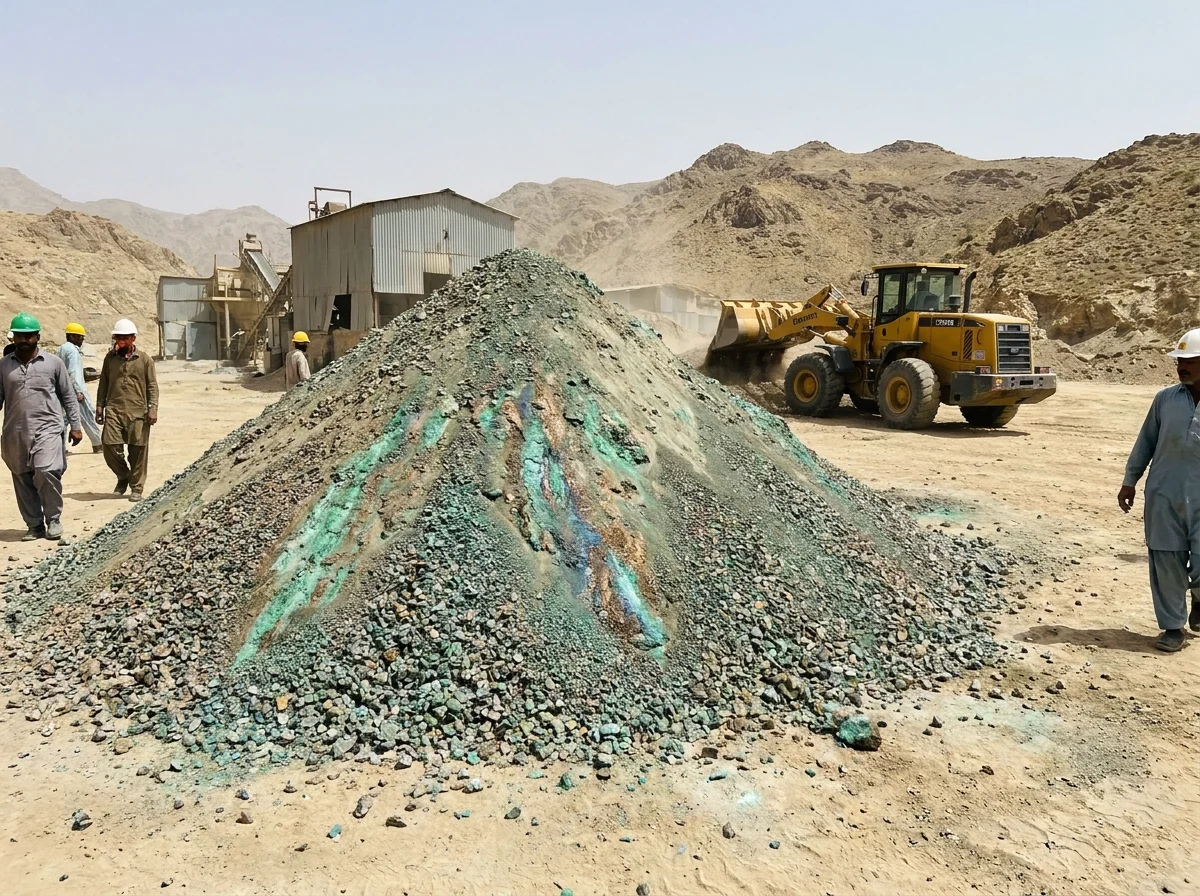
Daa Minerals is a Pakistan-based mining and mineral export company. Its company profile lists copper ore among its portfolio, with an indicative grade presented as 1–5% to 2–10% copper. The profile names electrical wiring, construction, electronics, renewable energy, industrial manufacturing, copper smelting and automotive as application areas, and lists China, Japan, South Korea, India, the EU and the USA as target markets.
Treat those figures as a starting reference. Daa Minerals describes its role as buyer-led sourcing and export coordination, so availability, final grade, preparation and pricing are confirmed per enquiry and per lot, subject to buyer approval and written agreement. That is how responsible mineral trading works, and a buyer should be wary of any supplier who quotes a fixed grade and price without knowing the source lot.
Define Your Requirement Before You Enquire
A vague enquiry gets a vague answer. Before contacting any exporter, settle the following.
Grade and associated elements
State your target copper content and the range you can accept. Copper ore is rarely just copper. Associated elements such as iron, sulphur, arsenic or gold can raise or lower the value of a lot, and some smelters penalise certain impurities. Tell the supplier what your downstream process tolerates.
Material form and sizing
Lump, crushed or a specified size range each change handling and cost. If your process needs a particular particle size, say so at the start so preparation can be scoped.
Quantity and frequency
A single trial shipment and a recurring monthly programme are different commercial discussions. Be clear about which you are proposing.
Packaging and destination
Bulk cargo, bagged material and containerised loads suit different routes and ports. Your discharge port and the requirements of your receiving facility shape the whole plan.
Testing, Verification and Documentation
Quality evidence is the backbone of a copper ore purchase. Daa Minerals states that third-party testing or independent inspection through providers such as SGS, Intertek or PCSIR can be coordinated when requested and agreed. Reports remain attributable to the provider that issues them, and your own technical team keeps the final say on suitability. This is the right structure: the buyer, not the seller, decides what counts as acceptable.
Agree in advance on:
The analytical method and parameters to be reported
Who selects the samples and who pays for testing
Whether you want pre-shipment inspection at the load port
What happens commercially if results fall outside the agreed range
The company profile also lists Certificates of Origin, Quality Certificates, Bills of Lading and export permits as part of its documentation support. Confirm exactly which documents your customs authority and your bank require so nothing delays release at discharge.
Logistics: Getting Ore from Mine to Port
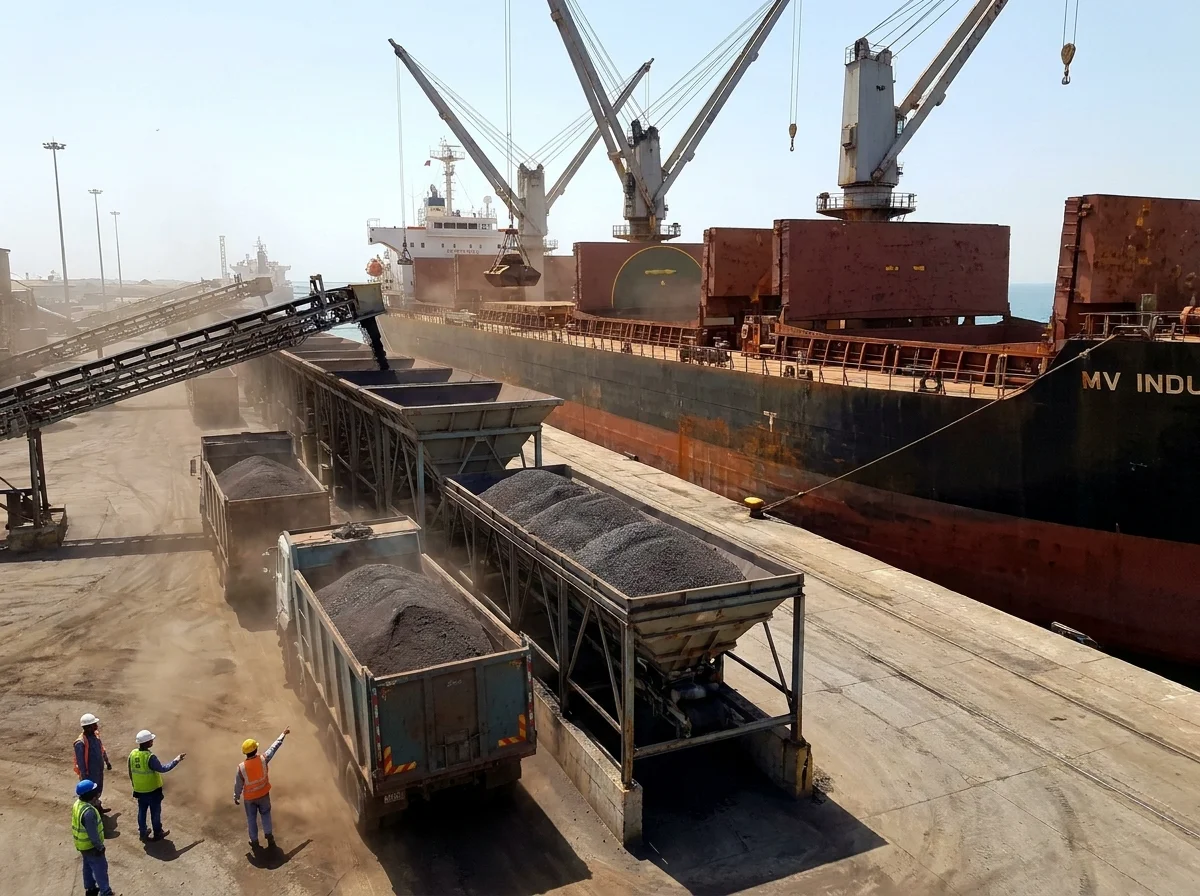
Mineral cargo moves from source to port by road, and sometimes rail. Daa Minerals indicates that Karachi, Port Qasim and Gwadar may be reviewed as gateway options. Which one suits you depends on cargo type, carrier service and route availability, and none is guaranteed in advance.
Use recognised trade terms to avoid disputes over who pays for what. The ICC’s Incoterms rules explain how costs and risks are allocated between buyer and seller. For bulk ore, buyers commonly discuss terms such as FOB or CFR, but the right choice depends on your own freight arrangements and risk appetite.
Risks to Plan For
Responsible sourcing means looking at risk openly. Balochistan, where much of Pakistan’s copper activity sits, has faced security challenges that affect large projects and can affect inland transport. Ask any supplier how the specific source lot reaches port and what contingency exists if a route is disrupted. Check licensing and compliance as well: a legitimate supplier should be able to describe lawful mining and export arrangements for the material on offer.
Price and timing carry their own uncertainty. Copper is priced against global benchmarks, and a quotation for ore reflects contained metal, impurities, preparation and freight. Anyone promising certain delivery dates and fixed prices before reviewing the lot deserves a follow-up question.
Bringing It Together
Exporting copper ore from Pakistan works best when the buyer arrives with a clear specification and the supplier answers with evidence rather than slogans. Define grade, form, quantity, packaging and destination. Agree the testing method and the documents in writing. Choose Incoterms deliberately, and ask direct questions about route and compliance.
If you are ready to take that step, you can submit your copper ore requirement to Daa Minerals through its enquiry page. Include your target grade, quantity, material form, packaging and destination, and the team can review your requirement against available sources. For wider market context, DaaTrade’s main site is a good place to continue your research.