
Corn Cob Export from Pakistan: Uses, Quality Standards, and Market Opportunities
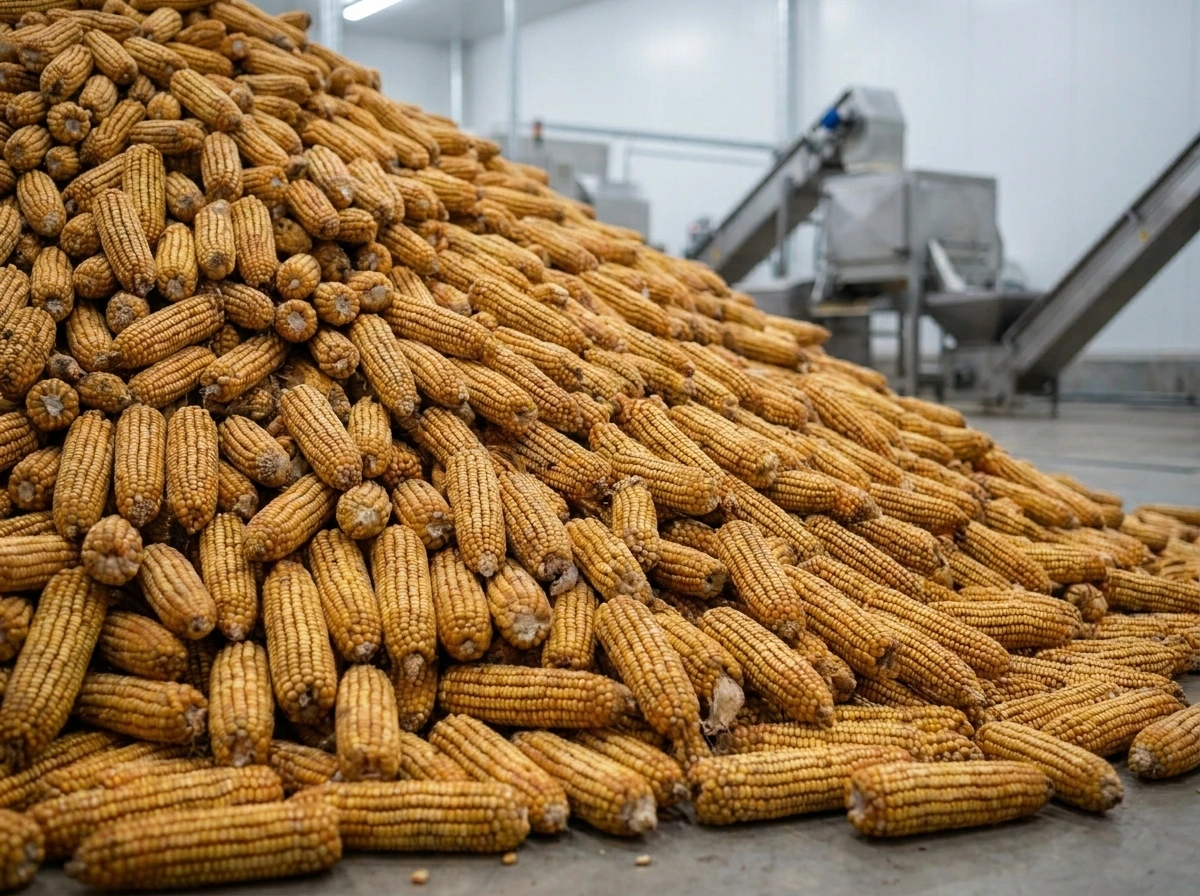
Corn cob rarely gets much attention in agricultural trade discussions until someone needs it — and then it turns out to be surprisingly versatile. Used as an abrasive, an absorbent, an animal feed component, a carrier for agrochemicals, and increasingly as a renewable fuel input, corn cob occupies a useful niche across several industries. Pakistan, as a meaningful corn producer, generates a steady supply of this residue, and a growing number of processors are converting it into graded, export-ready product rather than letting it go to waste at the farm level.
Here is what international buyers should know about corn cob export from Pakistan — what the material is actually used for, how quality is assessed, and where demand is coming from.
What Corn Cob Is Actually Used For
Corn cob is a highly fibrous agricultural by-product with applications that span well beyond its farm of origin. Its physical properties — a combination of density, absorbency, and mild abrasiveness — make it useful in several distinct industries.
The end use typically determines which part of the cob and which particle size is needed. Coarser, denser pieces from the woody outer ring of the cob are generally directed toward abrasive applications such as metal finishing and blast cleaning, while softer pith fractions suit absorbent or carrier uses better. Understanding which fraction a buyer actually needs is one of the first questions worth clarifying when evaluating a supplier.
Key application categories include industrial abrasives and metal finishing media, animal feed and livestock bedding, carrier material for agrochemicals and feed premixes, and biofuel or biomass energy production.
Quality Considerations for Buyers
Moisture Content
Corn cob destined for export is generally expected to be dried to a low, stable moisture level. High moisture content increases the risk of mould during transit and storage and reduces effective shelf life at the destination. Buyers should request a Certificate of Analysis that includes moisture readings from the production batch.
Particle Size and Grading
Industrial buyers — particularly those using corn cob for blasting or tumbling media — typically specify a mesh or particle-size range. Suppliers serving the metal finishing industry commonly offer several standard grades, since the right particle size depends heavily on the substrate being cleaned or polished and the equipment used.
Foreign Matter and Screening
Buyers should confirm that shipments are screened for stones, metal fragments, and other tramp material before loading. Contamination of this kind directly affects processing equipment at the receiving end and can create liability issues in feed or agrochemical applications.
Global Demand and Where Pakistan Fits
Demand for corn cob products comes from a mix of industries: agrochemical formulators, metal finishing operations, animal feed compounders, and renewable energy producers. Because the raw material is a genuine agricultural residue rather than a purpose-grown crop, it tends to price competitively against synthetic alternatives — which helps keep demand steady across different market cycles.
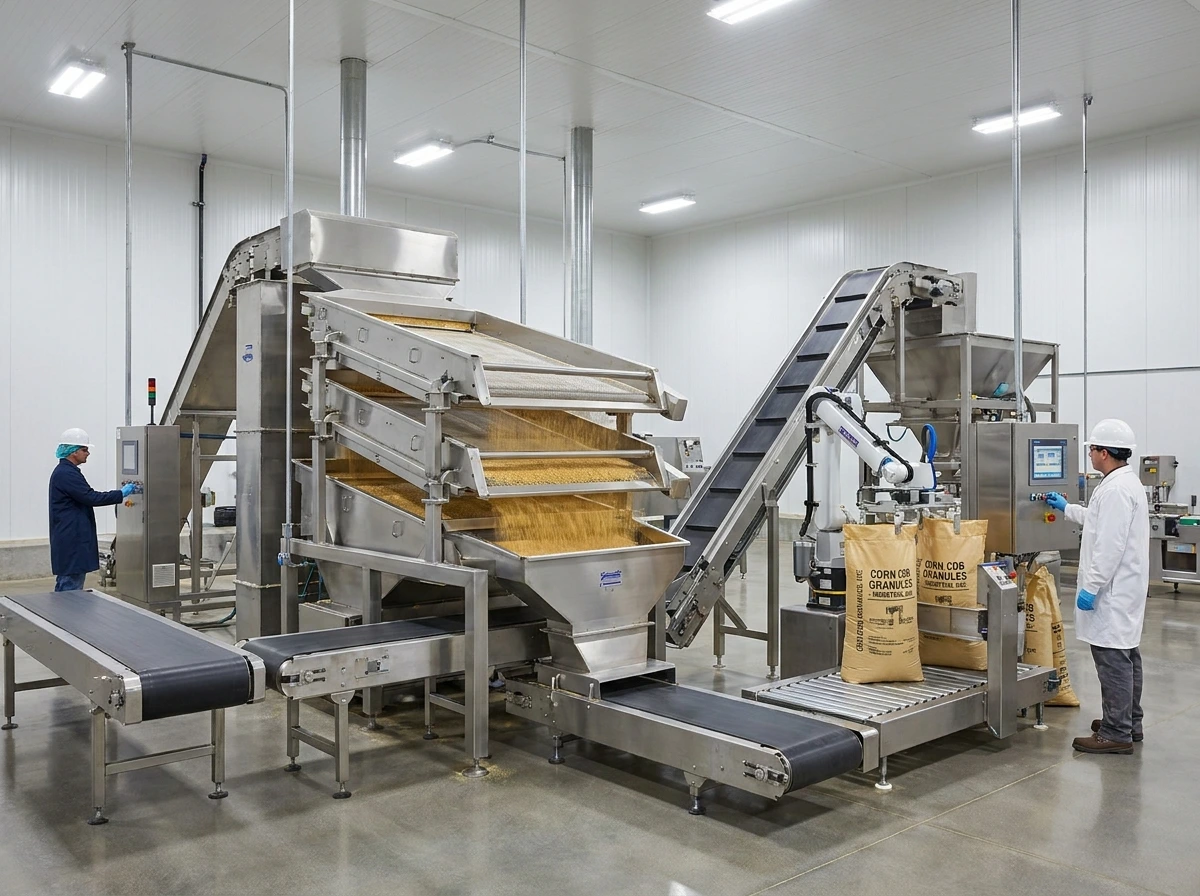
Pakistan's position as a corn-producing country gives it a natural supply base for this category, and processors are increasingly investing in drying, grinding, and grading equipment to meet export-grade specifications rather than selling the residue as unprocessed farm waste. That investment is gradually bringing Pakistani corn cob up to the standard specification levels that industrial buyers in Europe, North America, and Asia expect.
How to Source Corn Cob from Pakistan
Buyers looking to import corn cob from Pakistan should request a specification sheet covering moisture content, particle size distribution, and packaging details before asking for samples. A small trial order before committing to a full container load is the standard approach in this category, particularly where the end application has tight tolerance requirements.
Daa Agri Limited works with corn cob processors across Pakistan's growing regions and can help international buyers match their technical requirements to the right grade and supplier, whether the end use is industrial, agricultural, or feed-related.